Beautiful Photography

Photographer Timo Lieber uses his fine art photography to tell a story about the fragility of our planet. His latest project, THAW, conveys Greenland’s ice caps shooting the growing lakes from an aerial view. THAW will make its public debut from February 20 – 23, 2017 at Bonham‘s in London.

timo-lieber-melting-polar-ice-caps-1

The resulting images are simultaneously stunning and scary. From a fine art perspective, the balance of colors, as well as the visually stimulating composition, draws the spectator in. From an environmental view point, Lieber’s work is an eerie reminder about the effects of global warming.

polar-ice-caps-2.jpg

Year after year, Greenland’s lakes continue to increase in size, as the ice caps slowly melt. Since 2009, the Greenland ice sheet has been losing an estimated 419,000,000,000 tons of ice annually. This is three times more than the contribution from Antarctica. Thus, Lieber felt the urgency to shoot this transitional phase in order to raise awareness about climate change.

melting-polar-ice-caps-3.jpg

THAW showcases the rapidly growing number of blue lakes and rivers that form on the Greenland ice cap —one of the most inaccessible areas on earth. Here, in the pristine landscape, stripped to the bare minimum of colors and shapes, the dramatic impact of climate change is more obvious than anywhere else in the world.”

melting-polar-ice-caps-4

melting-polar-ice-caps-5.jpg

Images by Timo Lieber via My Modern Met

Beautiful Pop-Up Shop Interiors

Reoccurring conceptual pop-up shops have become the latest and most innovative way to access up and coming ideas in design and fashion. By opening up home spaces to photoshoots, conceptual stores and events, a new trend in home design is emerging.

The Loft is a periodically recurring conceptual pop-up store. It beautifully expresses the eclectic nature of their values with our choice of products. I’m particularly fond of the natural materials like wood, steel, leather, glass, wool and ceramics. These materials tell a lot about the love and attention invested in a product. It shows its age and origin, its history, the way it was crafted. Learn more about the Loft studio here and swoon.

Loft 1.jpg

I love the whimsical nature of the space and objects.

loft-3Loft 2.jpgloft-4loft-5Loft 6.jpgLoft 7.jpgLoft 8.jpgLoft 9.jpgloft-10Loft 11.jpg

Beautiful Branding & Package Design

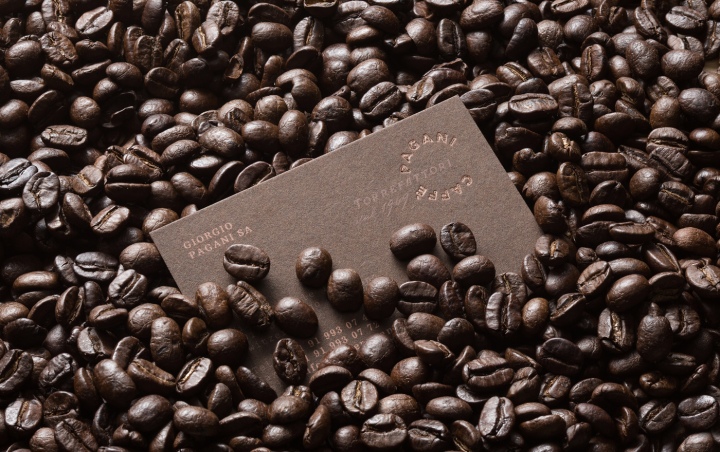
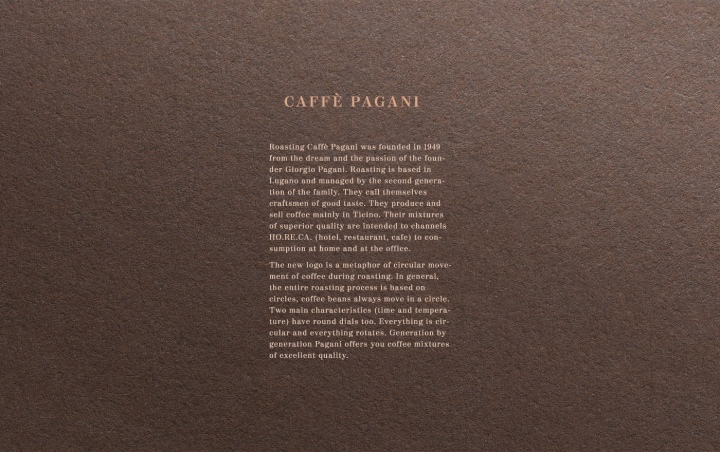
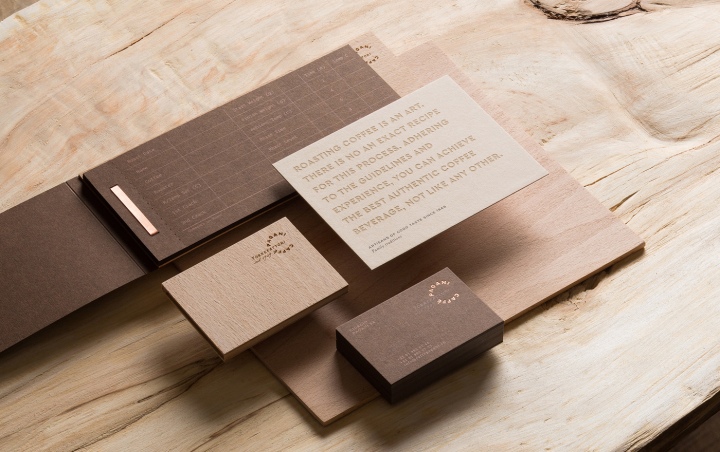
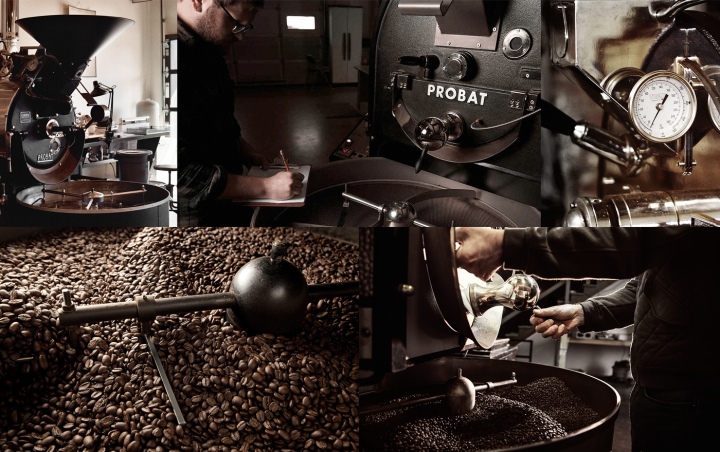
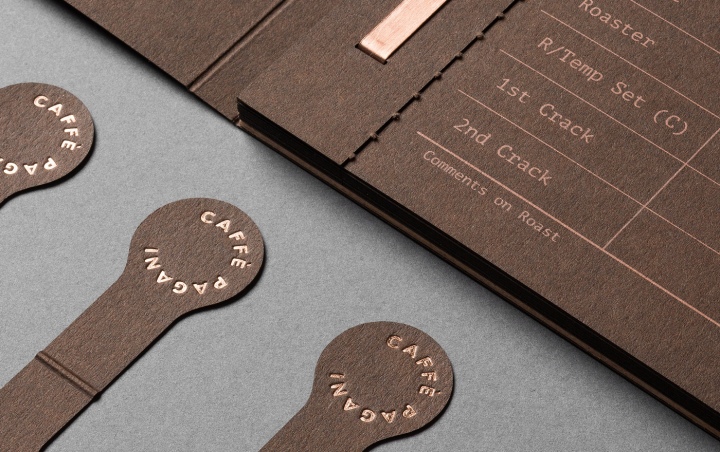
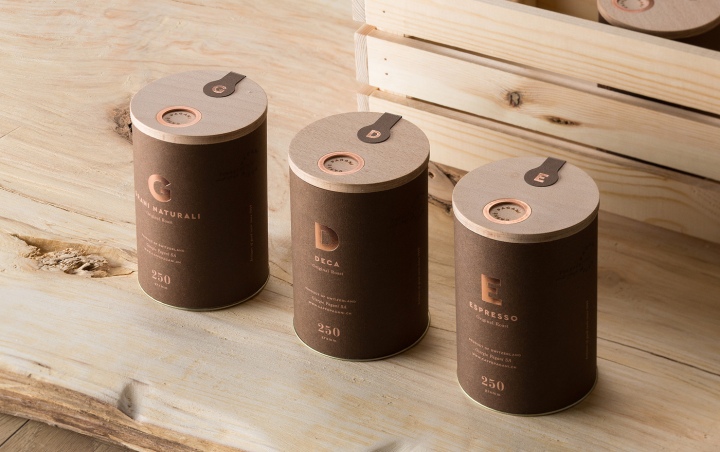
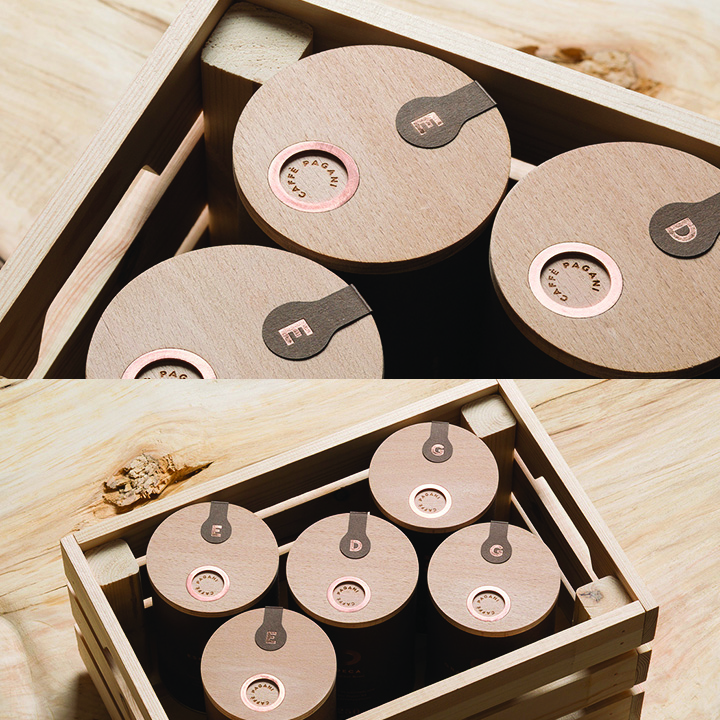
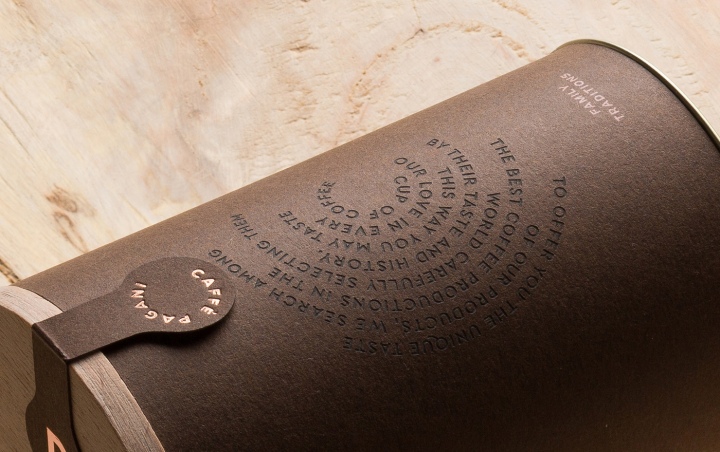
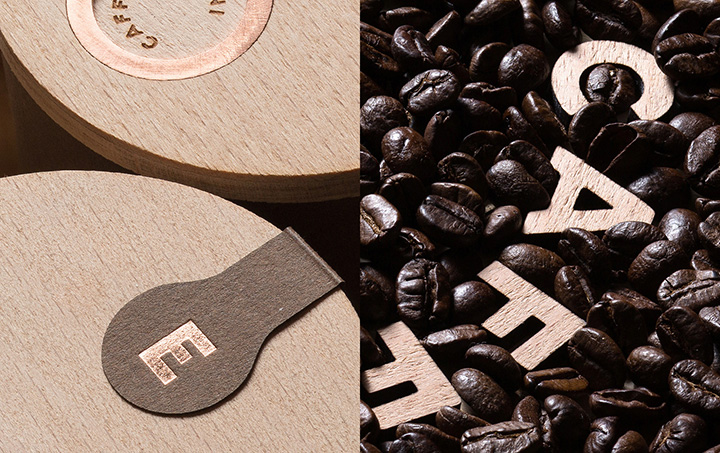
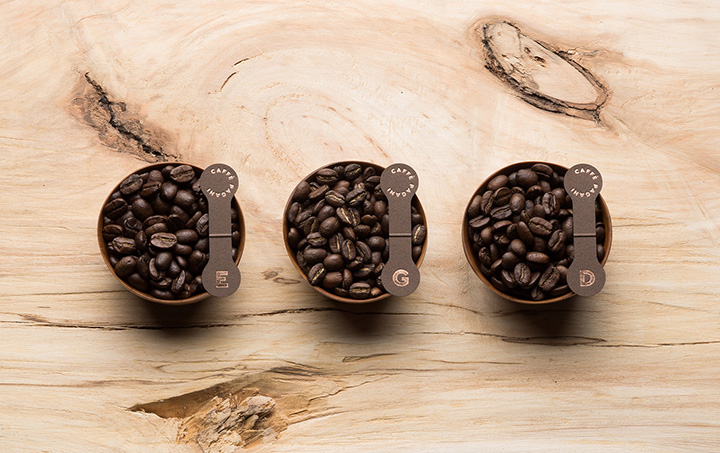
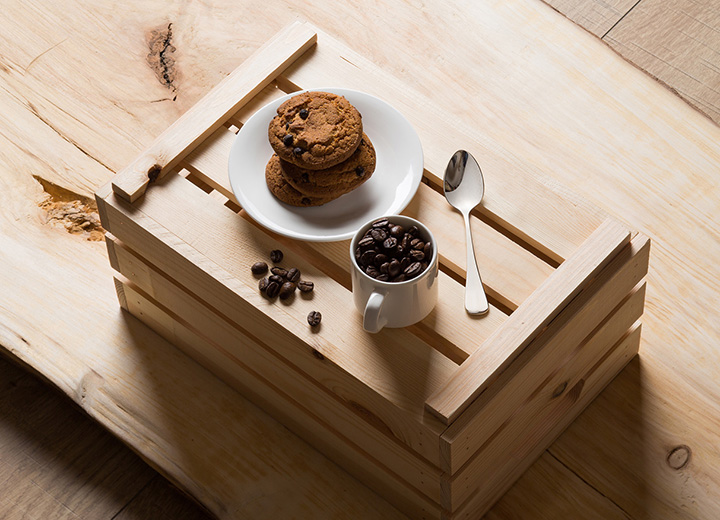
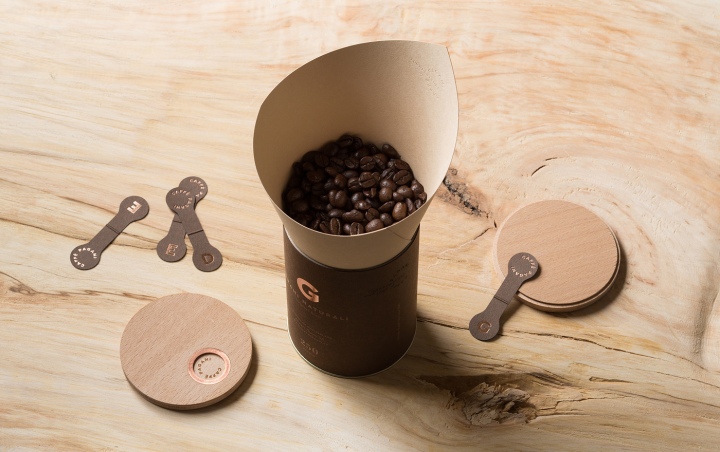
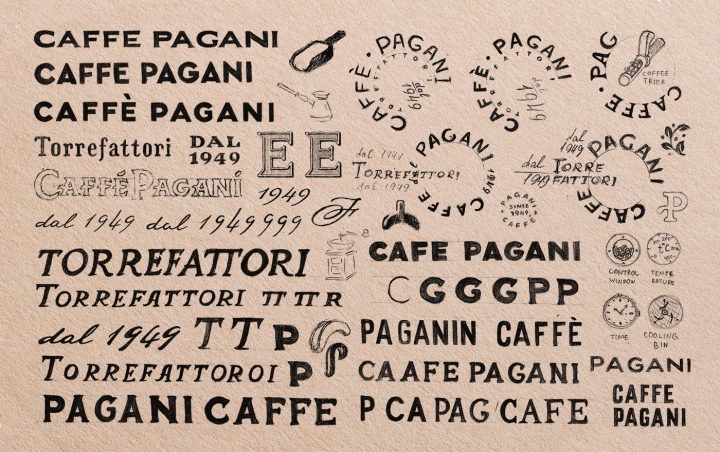
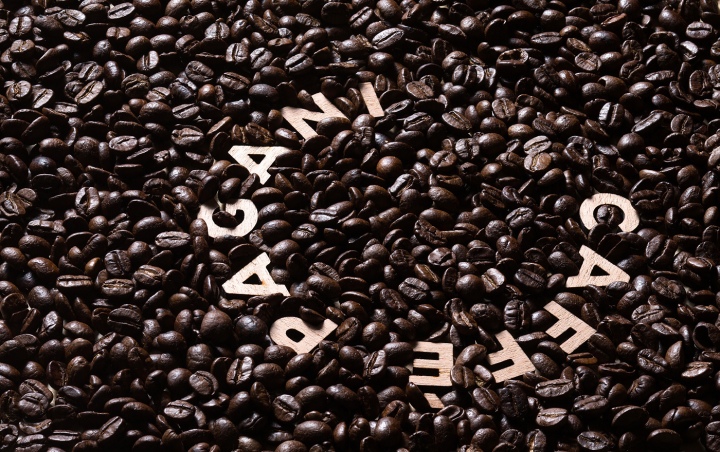
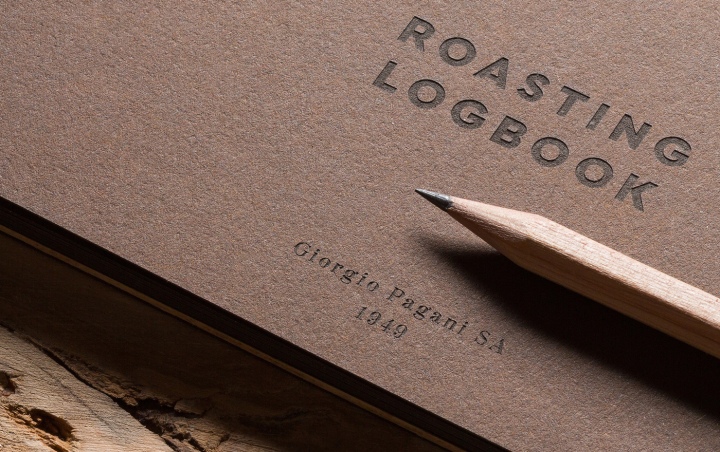
A great brand identity and packaging by studio Eskimo. Roasting Caffè Pagani was founded in 1949 from the dream and the passion of the founder Giorgio Pagani. Roasting is based in is managed by the second generation of the family. They call themselves craftsmen of good taste and the branding and packaging certainly reflect that. The new logo is a metaphor of circular movement of coffee during roasting. In general, the entire roasting process is based on circles, coffee beans always move in a circle. Two main characteristics (time and temperature) have round dials too. Everything is circular and everything rotates. Generation by generation Pagani offer you coffee mixtures of excellent quality. The result of the branding is simply elegant.

cafe 1.jpeg cafe 2.jpg cafe-5 cafe 3.jpeg cafe 10.jpeg cafe 12.jpeg cafe 26.jpg Cafe 27.jpgcafe 13.jpegcafe-15cafe 21.jpegcafe 23.jpegcafe 24.jpegcfafe 14.jpegcsfe 4.jpegcsfe 6.jpgcsfe 8.jpegcsfe 6.jpeg

Beautiful Drone Photography

With an increasing number of drones in the sky, professional photographers and enthusiasts alike can now access perspectives that are typically seen from the seat of an airplane. Image-sharing site Dronestagram, a drone-specific social network with 600 million users, brings us some of the best aerial photography. Dronists continue to deliver unbelievably stunning shots, ensuring us that the future has definitely arrived—and that it’s worth celebrating. As the Dronestagram Team writes on their website, “On behalf of the whole team, we would like to thank you for showing the world the power of drones! …Now take a deep breath and enjoy.”

3.jpg
Bogata Forest, Romania by Calin Stan

2.jpg
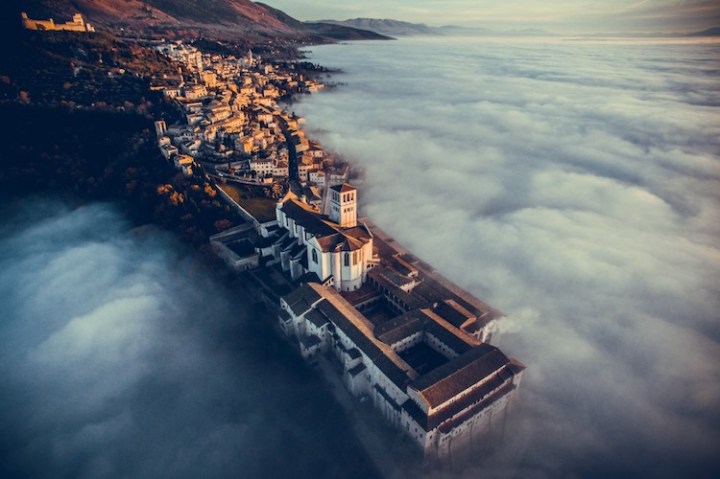
Basilica of Saint Francis of Assisi, Umbria, Italy by Fcatutto

4.jpg
Niagara Falls by Ryanjones

5
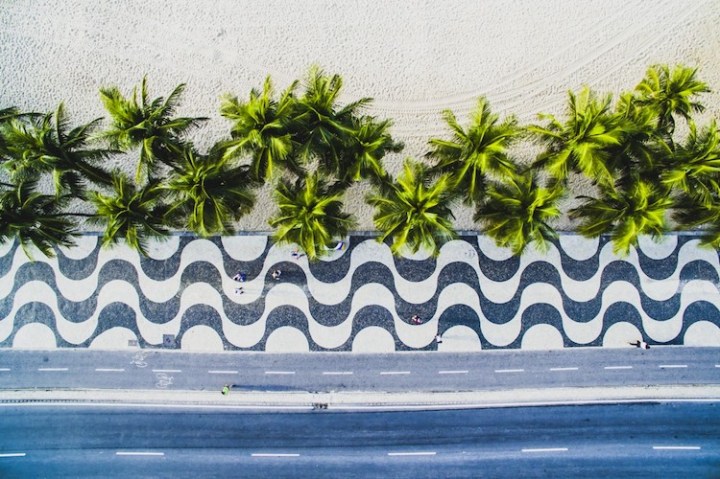
Copacabana, Rio de janeiro, Brazil by Ulysses Padilha

6
Cable Beach, Australia by Todd Kennedy

7.jpg
Summer Camp, Amadores, Gran Canaria, Spain by Karolis Janulis

8.jpg
Wedding in Huahine, French Polynesia by Helene Havard

9.jpg
Swarm of sheep, Romania by Thedon

11.jpg
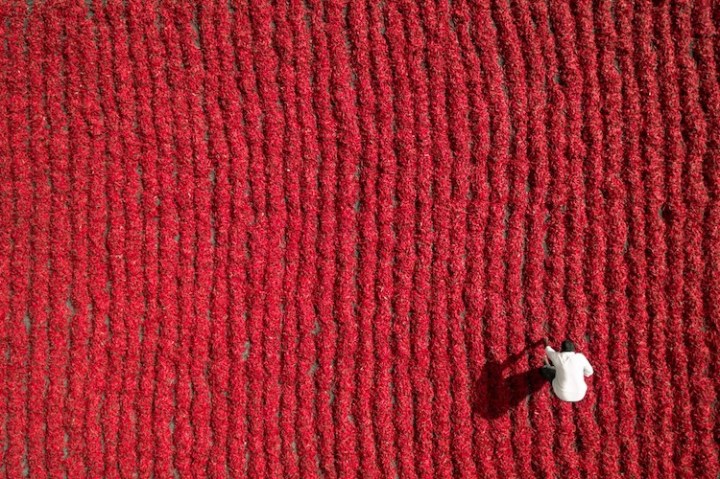
Red Chili Farmer, Guntur, India by Aurobird

12
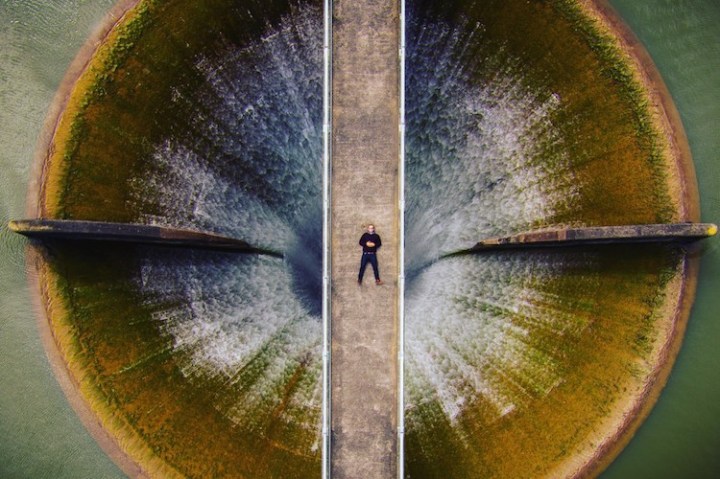
Huia dam New Zealand by Brendon Dixon

13
Vernazza, Cinque Terre, Italy by jcourtial

10
Fields of Lavender in Valensole, Provence, France by jcourtial

Beautiful Winery in Napa

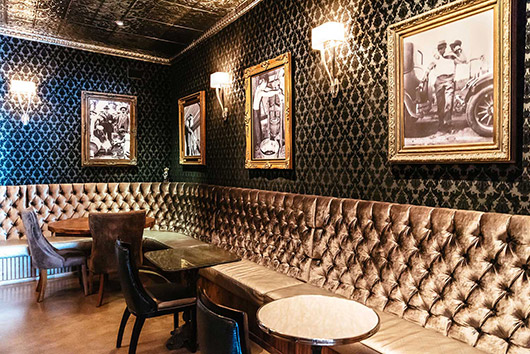
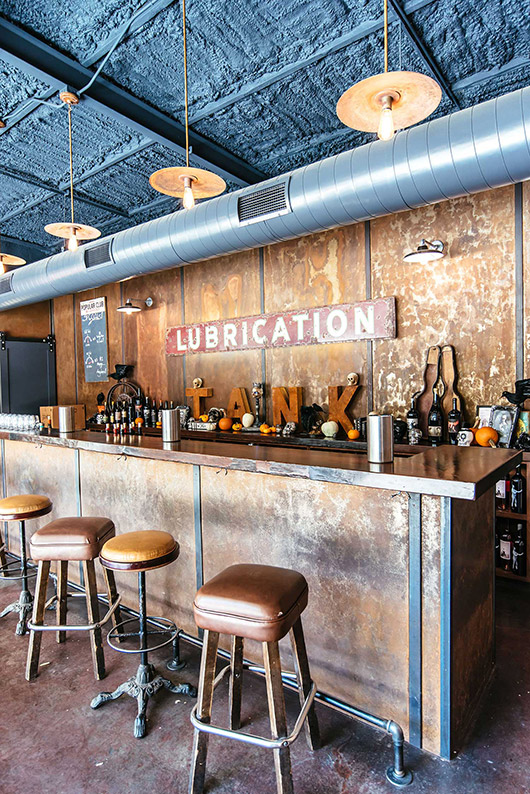
Seems to good to be true — you stop for gas, and find an oasis of pinot instead.
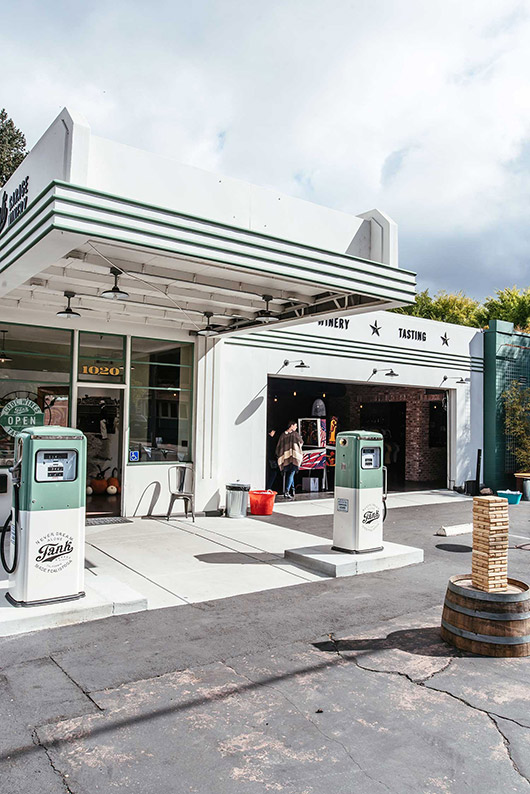
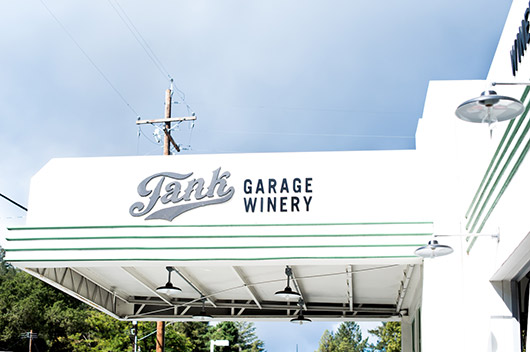
Napa has a new hot-spot, is Tank Garage Winery— an old vintage service station
transformed into a super cool wine country destination. It’s the perfect casual
road stop to try some new wine, take in the scenery or snap a few good photos.
Not a huge fan of wine in general, I’m more a of craft cocktail gal, but I love
the name, branding and use of old materials.

tank 1.jpg  2  6.jpg 5 7.jpg 3.jpg

Photography by ashley rose conway of craft and cocktails and ana kamin of california weekend via rue

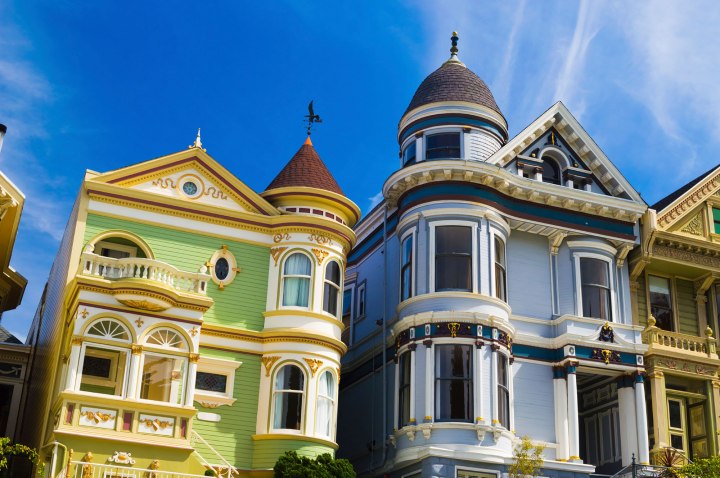
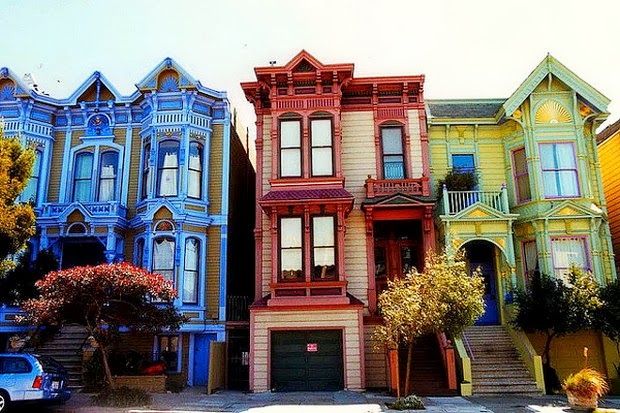
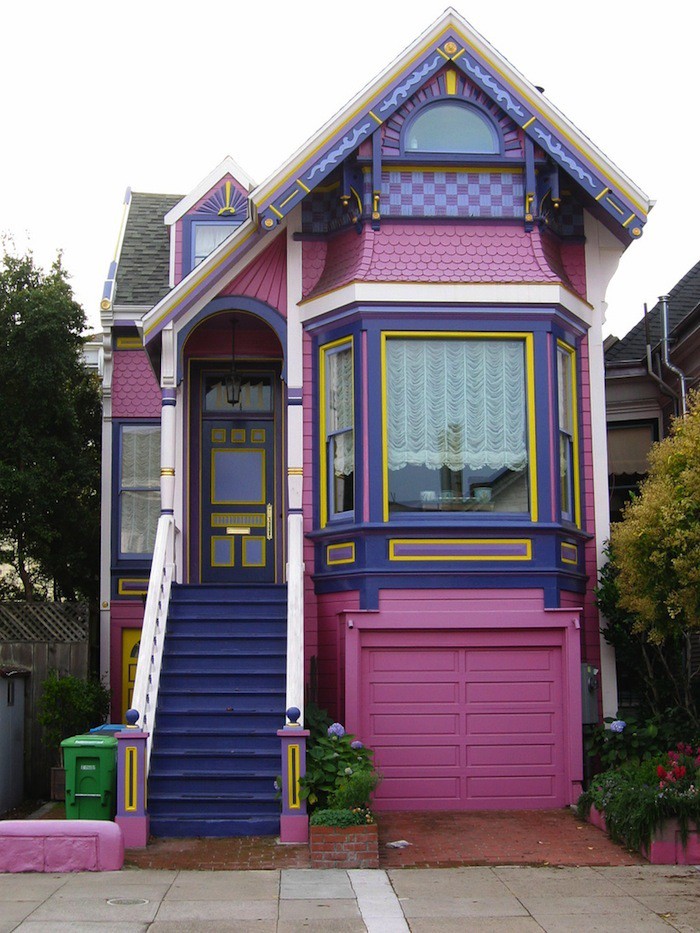
Beautiful Historic Homes

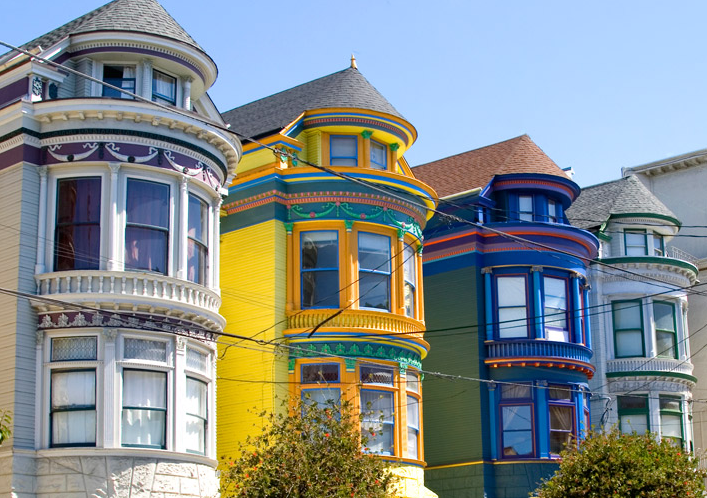
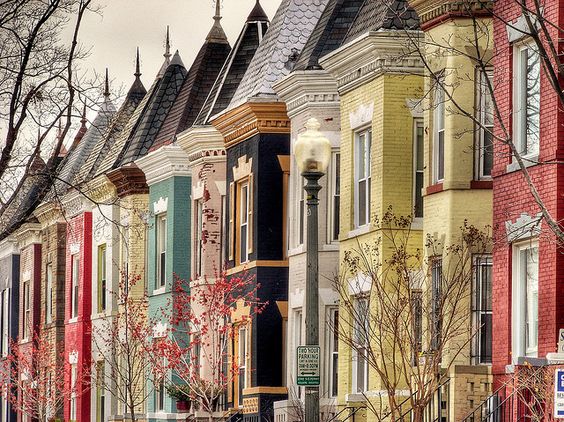
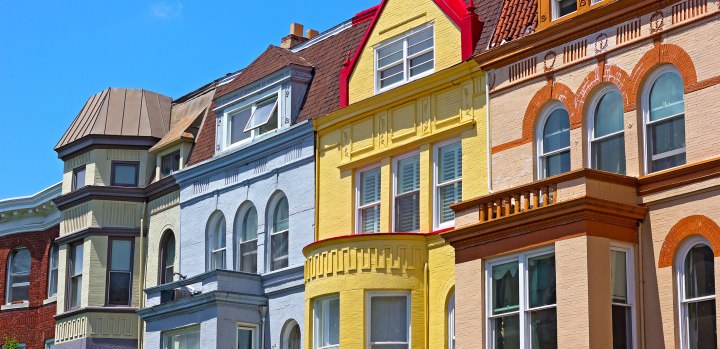
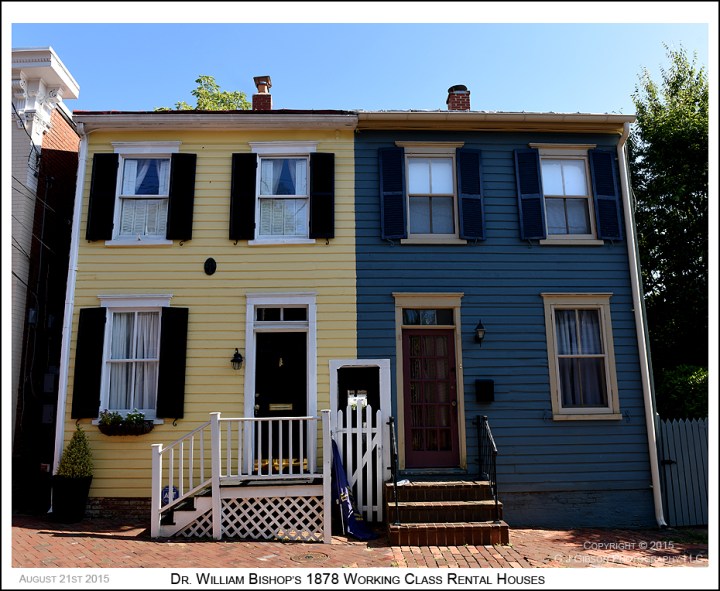
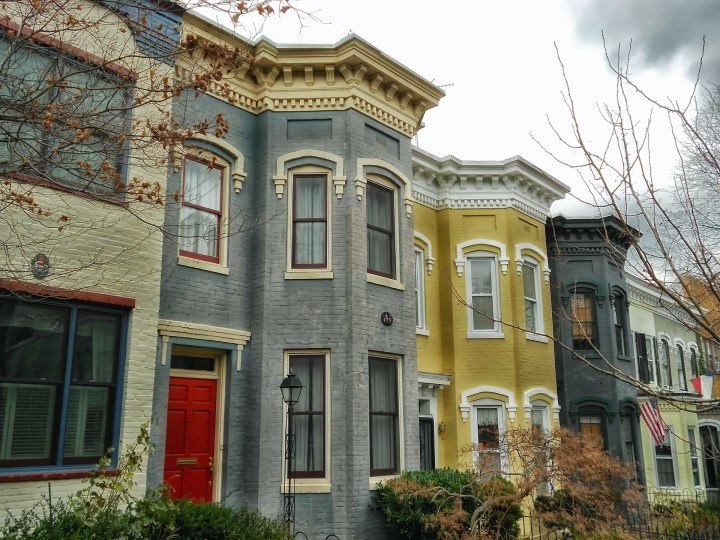
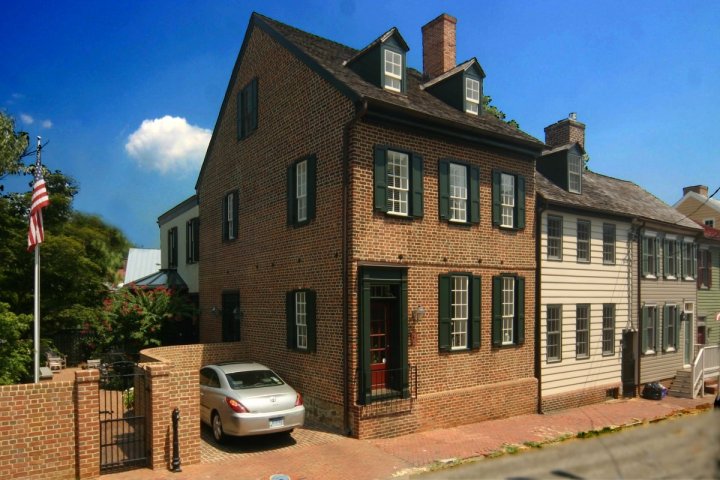
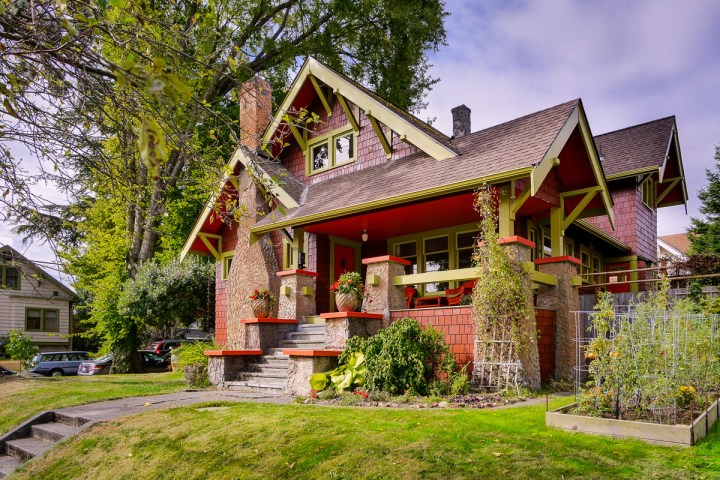
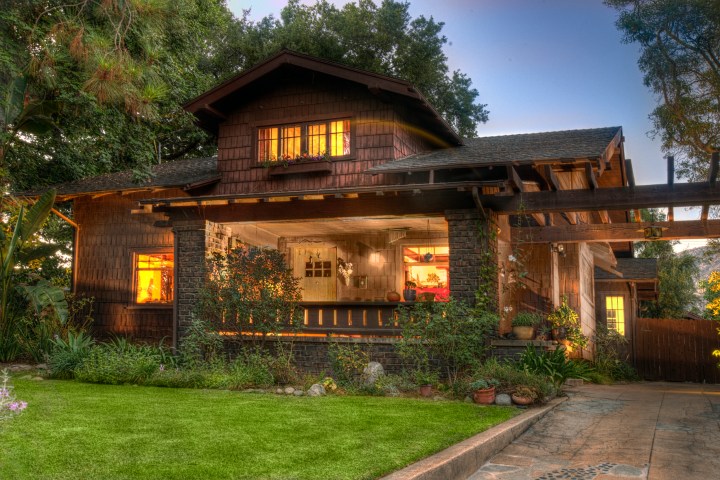
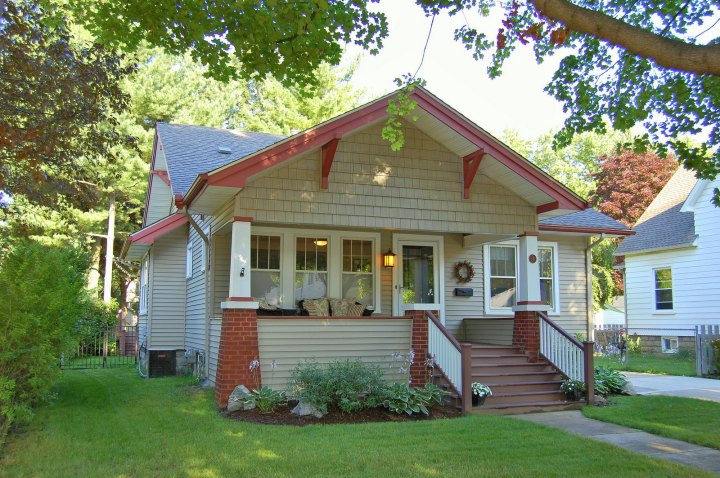
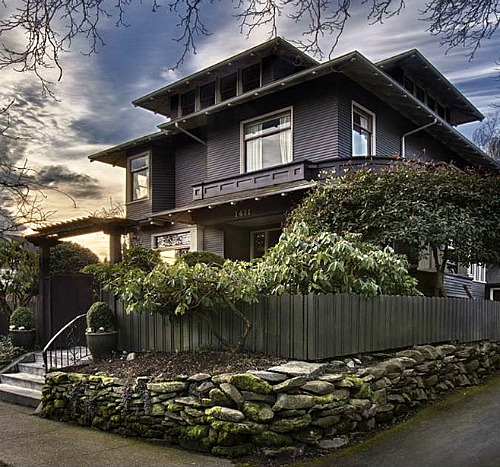
I love architecture and when I’m out-and-about I sometimes find myself stalking the neighborhood to check the latest and greatest home designs. With the building frenzy going on in Seattle and so many structures being torn down and replaced at such a rapid pace, I’m developing a new appreciation for the beauty of old homes and buildings. I’m personally a fan of modern design with the less is more approach but my heart holds a special place for authentic craftsman style homes in Seattle, the colorful Victorian homes in SF and Row Houses in DC. It amazes me how much residential architecture can define a city. Put them in a different location and they almost look silly. Hopefully more will be preserved so that a cities don’t lose their historic identity. Enjoy these images, one day they may become just that, an image.

San Francisco Victorians

sf1 sf2sf3 sf4 sf5 sf7

Row Houses of Washington, DC
Many of these are about 200 years older than the SF Victorians and 300 years older than the Seattle Craftsman Bungalows! Built long before western states even existed. Amazing they have survived.

dc-row-house1 dc-row-house2 colorful_townhouses drwilliambishops1878workingclassrentalhousesaugust21st2015 washingtonhouses-row-house-3exterior4x6200dpi

Seattle Craftsman Bungalows
With the Seattle building boom, sadly many of these are disappearing and being torn down only to be replaced with what I consider poorly designed modern homes and condos. I am a huge fan of well designed modern homes however the surrounding neighborhood and homes always need to be taken into consideration.

seattle-1 seattle 3.png   seattle-6 seattle-12 seattle-5

Beautiful Art Exhibits

Cool Events taking place around the world.

Tatsuo Mayajima’s “Connect with Everything” installation at the Museum of Contemporary Art, Australia

2 mca_tatsuo-miyajima_mega-death_1999-2016-alex-davies-2-highres1.jpg

Few contemporary artists grapple with what it means to be human as profoundly as Japanese-born Tatsuo Miyajima, whose signature works are high-tech, immersive light installations that border on the mystical. “Tatsuo Miyajima―Connect with Everything,” the artist’s first solo show in the Southern Hemisphere, is on view at Sydney’s Museum of Contemporary Art, and is as comprehensive a retrospective as the works deserve.

Museum of Contemporary Art, 140 George St, The Rocks NSW 2000, Sydney, Australia; mca.com.au/miyajima. Through March 5.  

A Robert Rauschenberg Retrospective at the Tate Modern Switch House, London

Your excuse for a visit across the pond to inaugurate the Switch House – the Tate Modern’s new brick pyramid-tower extension designed by the same Swiss firm, Herzog & de Meuron, that transformed the massive Bankside Power Station into the enormously popular hub of modern and contemporary art – has arrived in the form of the first major retrospective of Robert Rauschenberg since the American artist’s death in 2008.

Organized chronologically and in collaboration with New York’s MoMA, where it heads next spring, the show unfolds as a riveting narrative, journeying through the maverick’s many seminal creative moments, from his striking blue monoprints and his extraordinary Combines.

1.jpg

Tate Modern, Bankside, London; tate.org.uk/whats-on/tate-modern/exhibition/robert-rauschenberg. Through April 2.

Cy Twombly’s Retrospective at the Centre Pompidou, Paris

Cy Twombly, an artist who was born in Lexington, Virginia in 1928 and moved to Italy in the 1950s, is in many ways very French. In the Salle des Bronzes Antiques at the Louvre museum in Paris, where ancient Greek armour waits silently for wars that will never come again, the room’s vast ceilingis painted by Twombly with a bright expanse of blue, its intensity illuminated by silver and gold suns and moons as if the light of the Mediterranean were infusing the museum with desire and danger. So it is fitting that France is staging the first Cy Twomblyretrospective since his death. On the top floor of the Centre Pompidou, the helmeted Greek heroes have returned. Gore, love and revenge stain the walls.

twombly.jpg

Centre Pompidou, Place Georges-Pompidou, Paris; centrepompidou.fr/en. Through April 24.

R.H. Quaytman’s “Morning: Chapter 30″ exhibit at the Museum of Contemporary Art, Los Angeles

thumb_1923_1120x0_0_0_auto.jpg

MOCA presents R. H. Quaytman, Morning: Chapter 30, the first major museum survey of work by New York–based artist R. H. Quaytman. The poetic, hypnotic, and singular work of R.H. Quaytman is on display in full splendor at “R.H. Quaytman, Morning: Chapter 30” at the Museum of Contemporary Art in Los Angeles, the first major museum survey of the NYC-based artist. Made up of 22 gesso-and-silkscreen paintings, the series “30 Chapters” is, like the 29 “chapters” that preceded it, a site-specific project that in this case takes inspiration from another site-specific work, Michael Heizer’s earthwork Double Negative, an excavation on the eastern side of Mormon Mesa in southern Nevada that resulted in two massive trenches. Museum of Contemporary Art, 250 South Grand Ave, Los Angeles; moca.org/exhibition/r-h-quaytman-morning. Through February 6. 

The Opening of the Sumida Hokusai Museum, Tokyo

exterior.jpg

Despite the rich history of art in Japan, it is ukiyo-e (“pictures of the floating world”) — woodblock prints from the 18th and 19th centuries depicting everything from kimono-clad courtesans and kabuki actors to animals, plants, and dramatic, often romantic landscapes — that first comes to mind when one thinks of Japanese art, and that has had the most lasting influence on artists of every nationality (including 19th-century masters James Whistler, Edgar Degas and Mary Cassatt, among others).

Now there’s a museum devoted entirely to the country’s best-known practitioner, Katsushika Hokusai (1760-1849), whose formal, masterfully composed works have, alongside those of rival Hiroshige (1797-1858), come to define the genre. Designed by Pritzker Prize–winning architect Kazuyo Sejima, the angular Sumida Hokusai Museum just opened in Tokyo’s Sumida Ward, where the legendary master lived and produced the bulk of his work in the mid 19th century. Don’t miss Great Wave off Kanazawa from his seminal “36 Views of Mt. Fuji” series.

Sumida Hokusai Museum, 2-7-2 Kamezawa, Sumida-ku, Tokyo; hokusai-museum.jp

Louise Bourgeois’s “Structures of Existence: The Cells” at the Louisiana Museum of Modern Art, Copenhagen

Louisiana’s big autumn exhibition Louise Bourgeois. Structures of Existence: The Cells, presents one of the most striking and influential visual artists of the twentieth century. Over a period of some 70 years Louise Bourgeois (1911, Paris – 2010, New York) created a comprehensive oeuvre spanning a wide range of materials and forms, emotions and moods.


cell_xxvi_13.jpg

Beautiful Train Station

img_0900-1-copy

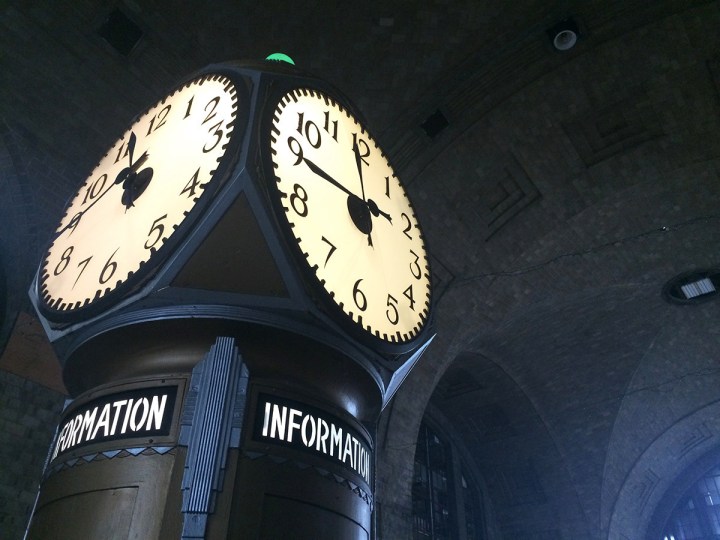
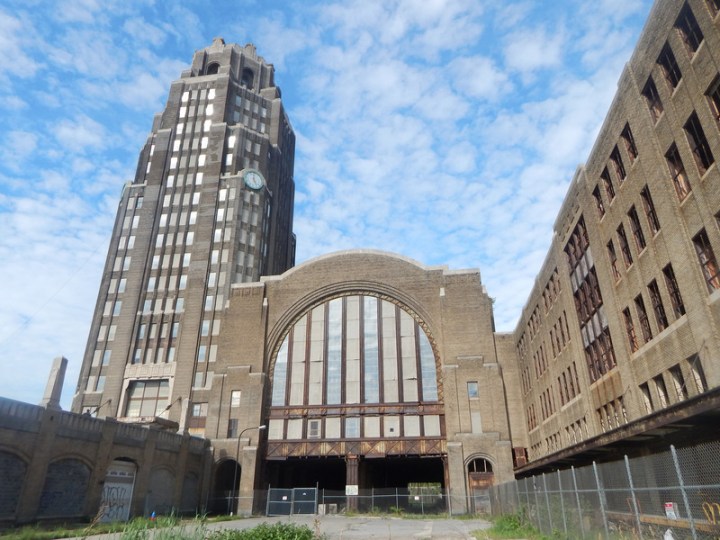
A little further east of the Amtrak Buffalo, NY train station is another train station, lying forlorn and mostly forgotten. It also happens to be one of America’s Art Deco treasures: the old Buffalo Central Terminal.

2

Opened in 1929 for the New York Central Railroad, the Buffalo Central Terminal was every bit as grand and opulent as Manhattan’s Grand Central Terminal and Washington DC’s Union Station.

 These were the days when Buffalo was known as the Queen City, built on the strength of automobiles, livestock, steel, and other heavy industries prospering along the seam of the Erie Canal, connecting New York to the Great Lakes. Buffalo thrived to such an extent it was chosen to host the prestigious 1901 Pan American World’s Fair. At this point, Buffalo was the eighth-largest city in the United States.
3
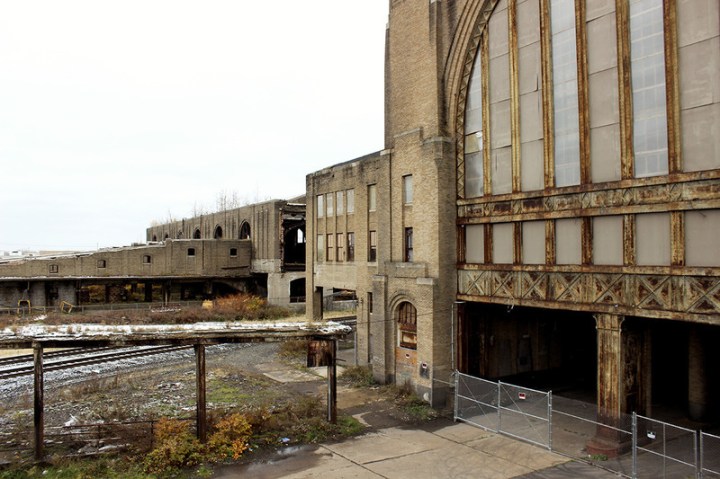
Designed in stunning Art Deco style by Alfred T. Fellheimer, the principal architect of New York’s Grand Central Terminal, it featured an ornate dining room, telegraph offices, luncheon rooms, soda fountains and liquor stores. It even had its own in-station tailors. Towering over the Terminal was a 17-story, state-of-the-art office complex for the New York Central Railroad. This was the golden era of refined, luxurious train travel; of sleeper cars, red caps, and the romantic sounding lines like the 20th Century Limited, the Chicagoan, the Empire State Express and the Knickerbocker. In its heyday, Buffalo Central Terminal was servicing 200 trains a day.
4
But the decline in Buffalo’s economic fortunes, and the rise of domestic airlines and automobiles, spelled the end of the grand Terminal. In the early hours of the morning of October 28, 1979, the last Lake Shore Limited train service heading west left Buffalo. Sadly, the grand old terminal was never used again.
For decades, the building was left abandoned, silently falling apart, while the surrounding neighborhood similarly declined. But the spirit of the Nickel City is strong. No more so than in the recent efforts of the non-profit, Central Terminal Restoration Corporation (CTRC), which has been fighting to not only preserve the Terminal, but restore it to its original magnificence.
5
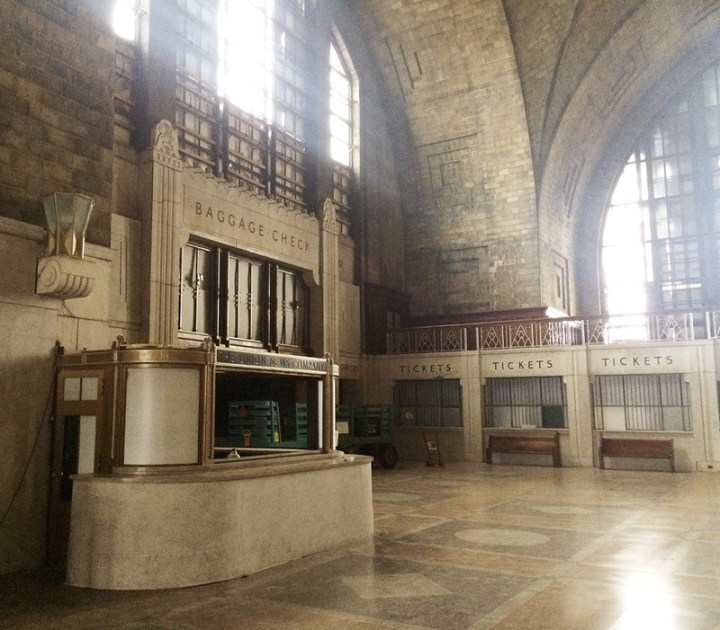
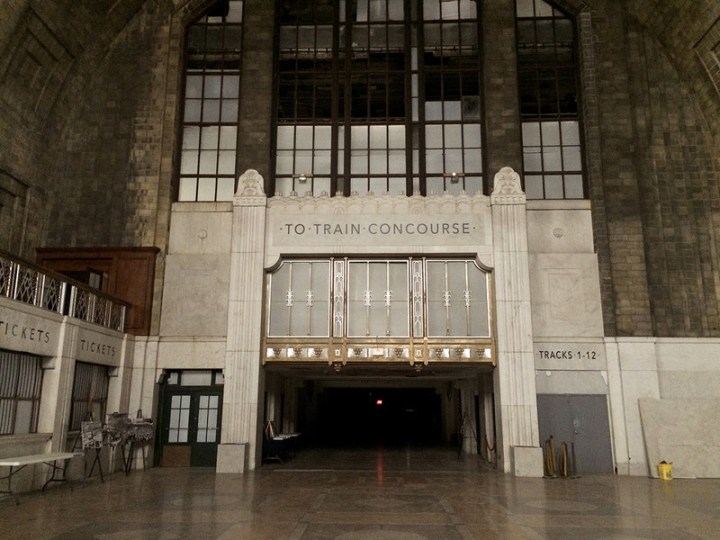
The cavernous, ornate ceilings are cathedral-like in size, and echo with the sounds of footsteps on the marble and concrete floors. Stenciled lettering above empty doorways shows where there were once newspaper stands, ticketing offices and deluxe services for the luxurious Pullmans.
One of the largest problems facing the Terminal is in keeping the elements out. Carl Skompinski, a Buffalo resident who has been working with the non-profit group that has owned the Terminal since 1997, says that once they found kids had broken in and were ice skating across the Terminal floor.
6
One of the largest problems facing the Terminal is in keeping the elements out. Carl Skompinski, a Buffalo resident who has been working with the non-profit group that has owned the Terminal since 1997, says that once they found kids had broken in and were ice skating across the Terminal floor. With the current Amtrak station downtown in such a state of disrepair, there have been calls in Buffalo for a new station. Skompinski and his group argue that there’s no need to build a new one when the beautiful Central Terminal is ready to be used. “The main line runs past the Terminal already,” says Skompinski. All Amtrak would have to do “is run a couple pair of tracks to the old platform building.”
7
8.jpg
9.jpg
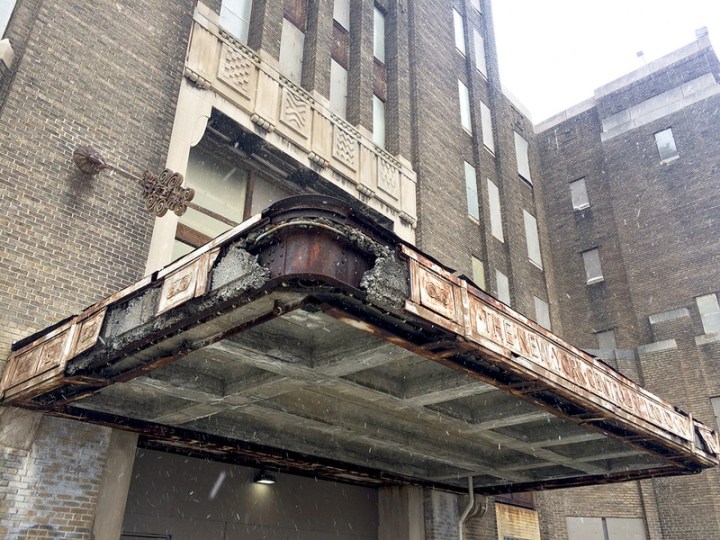
But the building itself would need extensive repairs. Forty years of neglect have seen much of the original fixtures either stolen or stripped, particularly in the mid 1980s, when the Terminal was sold off in a foreclosure sale. One ornate Art Deco lamp found its way into a Hong Kong nightclub. Today, the CTRC maintains excellent security, preserving what is left, and gradually refitting the Terminal. But the process is expensive and a labor of love; each glass bulb for the ornate outside fixtures costs $220, and there are over 20 to replace.

While Buffalo doesn’t attract the numbers of tourists of other major East Coast cities, it is a city rich in history and architectural treasures—none more so than the forgotten beauty of the old Central Terminal.

Perhaps the best chance for the Terminal’s rejuvenation lies with Canadian property developer Harry Stinson, who was named as the designated developer of the site by the City of Buffalo and the CTRC in 2016. Plans include a hotel, offices, stores, restaurants, housing and entertainment spaces. Whether the trains return to the station is yet to be determined.

Read More Here