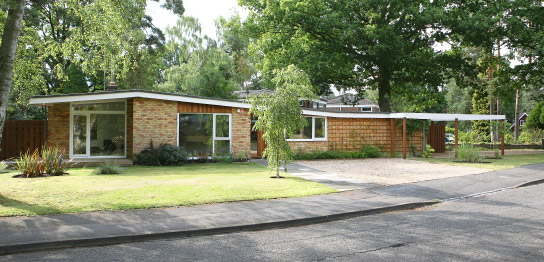
This beautiful Bungalow house designed by architect
Athelstan Whaley as a part Edgcumbe Park resort was
for years owned by a David Weston & Scott Mycock
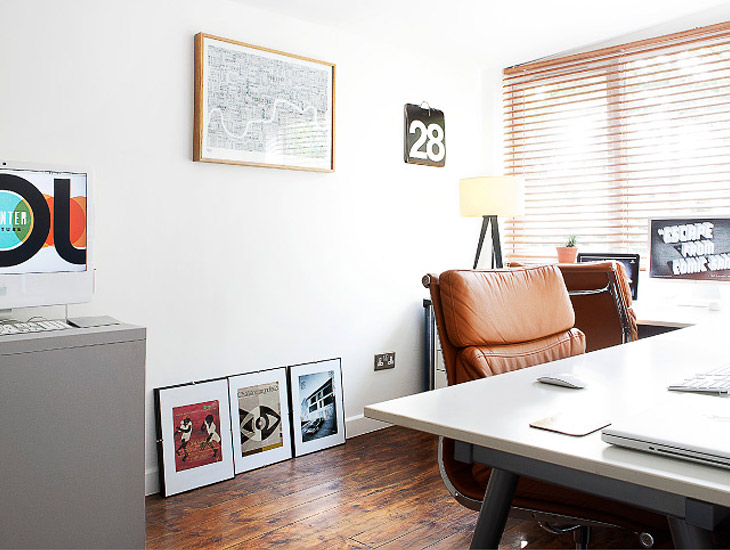
and used as a home and studio. The house has been
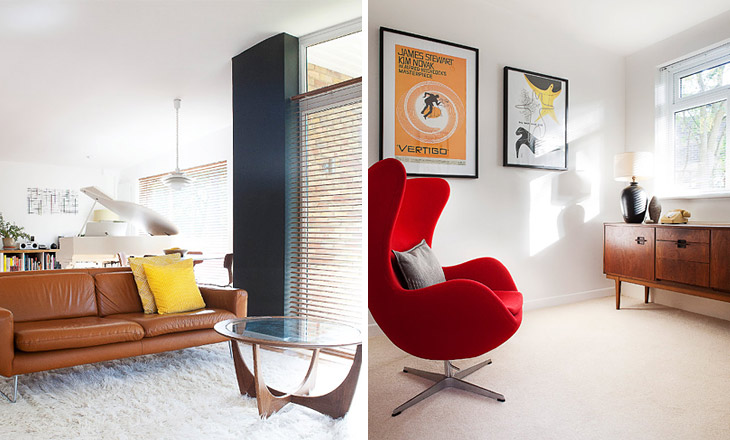
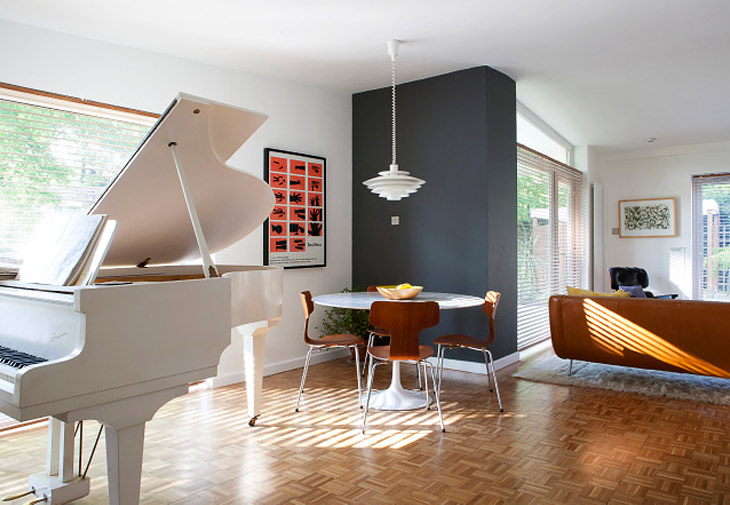
nicely renovated and its design is spot on – classical
modernist posters, iconic mid century modern furniture
like Eames Lounge chair, Noguchi Butterfly stool,
Jacobsen Egg chair and many others are present.
Interesting fact is that it was also used as a location
for the 1966 film Fahrenheit 451.


Category: Architecture
Beautiful Architect
The Invisible Architect of Invisible Architecture
At the height of his popularity, R. Buckminster Fuller,
the visionary inventor best known as the father of the
geodesic dome, was on a mission. Fuller repeatedly
referred to his great friend, the architect Knud Lonberg-Holm
—a “really great architect of the Nysky (New York skyscraper)
age”—whom Fuller said “has been completely unrecognized
and unsung,” and whose “scientific foresight and design
competence are largely responsible for the present world
around the state of advancement of the building arts.”
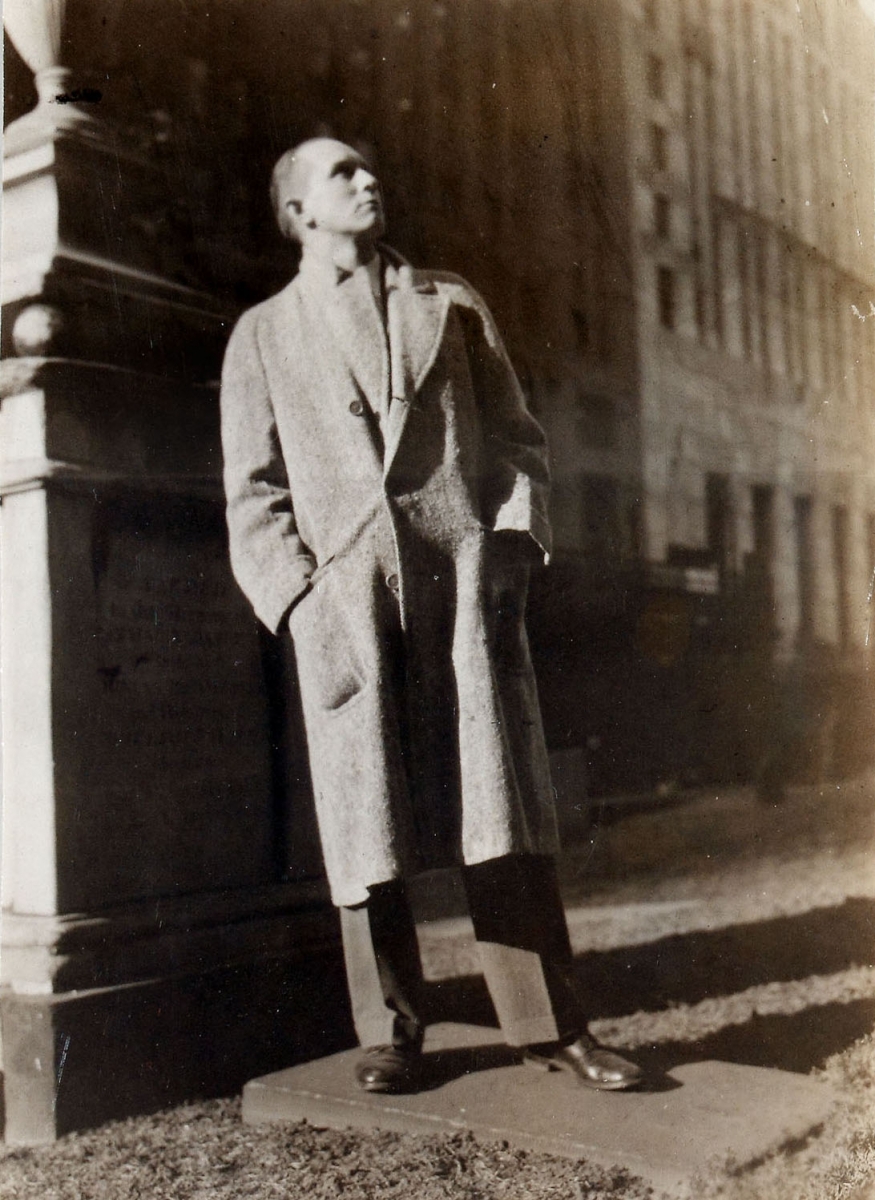
Knud Lonberg-Holm (1895-1972),
an overlooked but highly influential
Modernist architect, photographer,
and pioneer of information design,
is the subject of an exhibition at the
Ubu Gallery in New York City,
through August 1, 2014.
I stumbled upon a fascinating article about
the architect Lonberg-Holm. He is one of the
most overlooked yet influential architects
of the 20th century. Knud Lonberg-Holm
told Buckminster Fuller that “the really great
architect will be the architect who produces
the invisible house where you don’t see roofs
or walls,” Fuller explained in House & Garden.
“I’ve thought about this, thought about it a lot,
the ultimately invisible house—doing more with
less and finally coming to nothingness.”
Lonberg-Holm’s modernity and exquisite
techniques were well ahead of his time.
Read the fascinating article here.
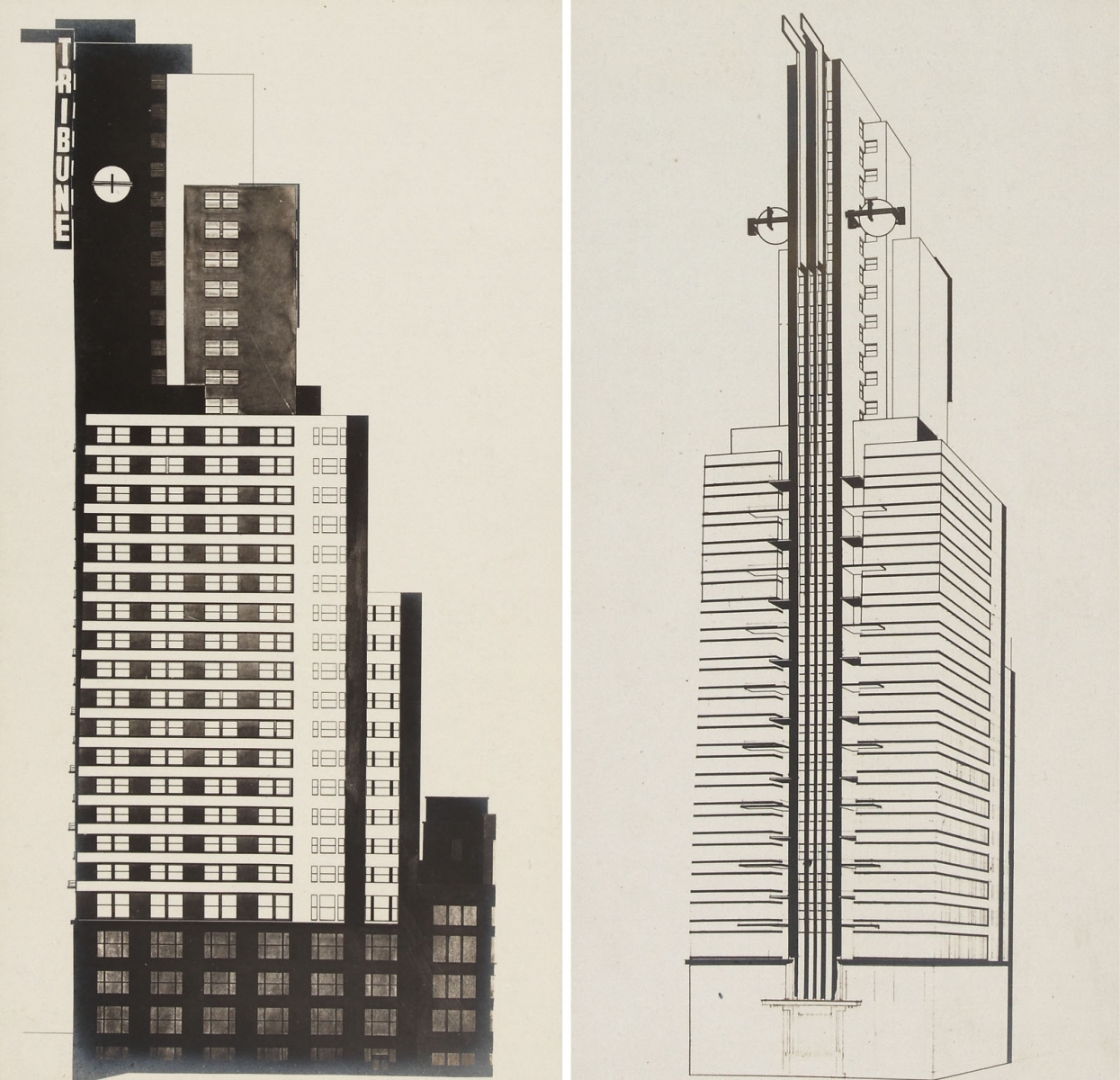
Chicago Tribune Tower
This design of a side elevation for the 1922 Chicago
Tribune Tower competition, by Lonberg-Holm,
favored a functional composition that was devoid
of historical styles. It featured an abstract,
black-and-white pattern to articulate its frame and a
vertical sign spelling “Tribune” in large block letters,
flanked by two round lamps reminiscent of automobile
headlights. Lonberg-Holm never submitted his entry
for the competition, but it was published in a number
of books by avant-garde architects like Le Corbusier,
Walter Gropius, and J.P.P. Oud.
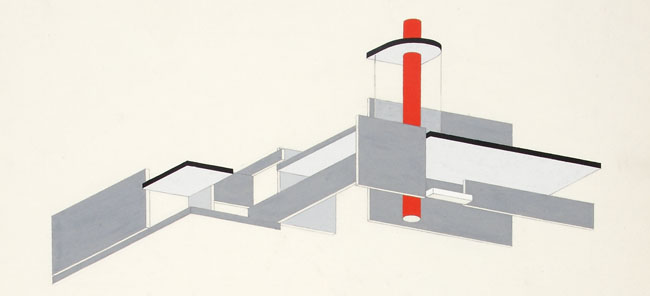
Radio Broadcasting Station, Detroit
This design, ca. 1925, was included in the landmark
1927 Machine Age exhibition—advertised as “the
first International Exposition of Architecture to be
held in America.” The New Yorker critic Muriel Draper
reviewed the project and wrote: “The delicacy and
exquisite technique of execution shown in the plans may
have much to do with it, but a glass tower with a visibly
spiralling staircase took me straight up in the air while
the simple, solid proportions of the building itself kept
my feet on the earth. Pleasant sensation.”
Beautiful African Village
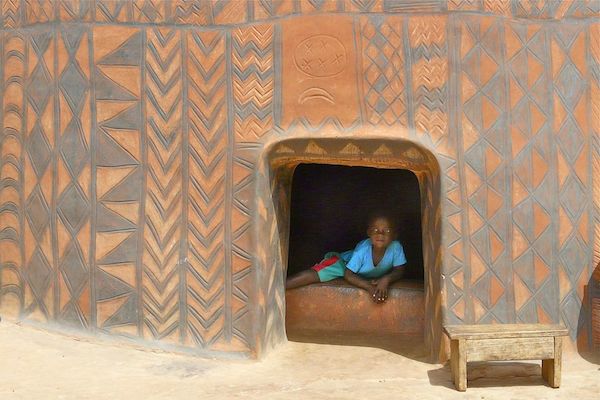
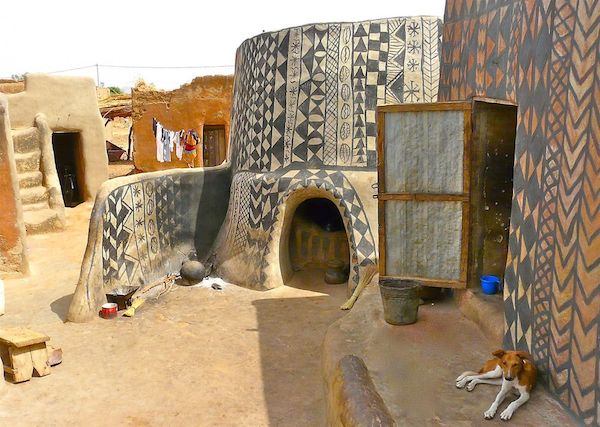
In 2009, Flickr user Rita Willaert traveled to an isolated
village named Tiébélé in Burkina Faso, West Africa,
where every house is an expression of art.
One of the oldest ethnic groups in the country,
the Kassena people, reside in this village but it’s
no ordinary village. It has been the residence of
the nobility of the Kassena people, such as the
chief and the royal court, since the 15th century
when they first settled in the area.
Every house in the village is intricately embellished
with traditional earthen architecture of the isolated
Kassena culture. Some of the art carries symbolic meaning.
This village is extremely shut off from outsiders in the
interest of ensuring conservation and the integrity of
their structures, and to protect the local traditions.
Some of the most elaborately decorated houses are not
living quarters but mausoleums for the dead, laid to rest
in the same compound.





Beautiful Humor Found in Architecture
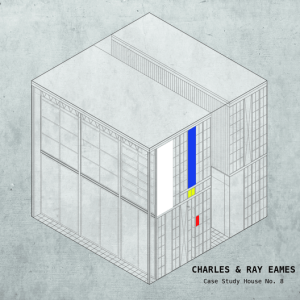
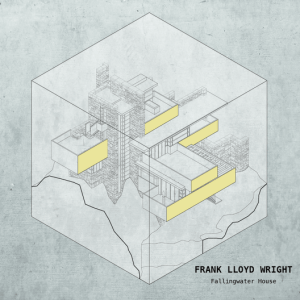
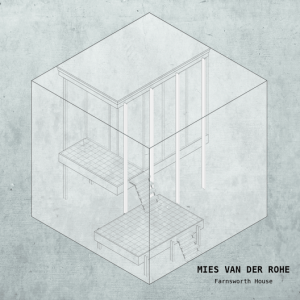
This made me laugh.
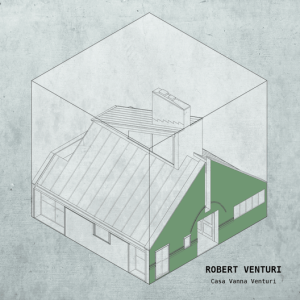
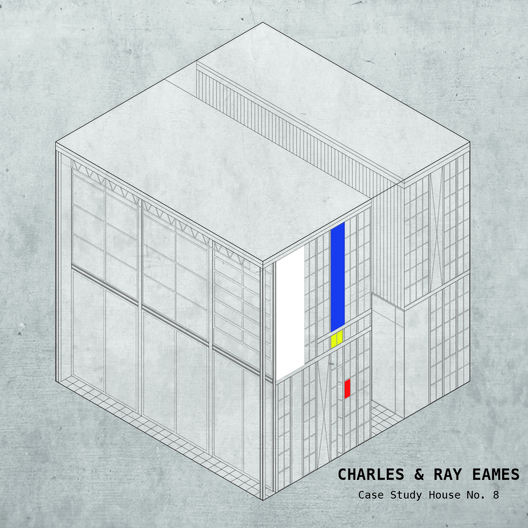
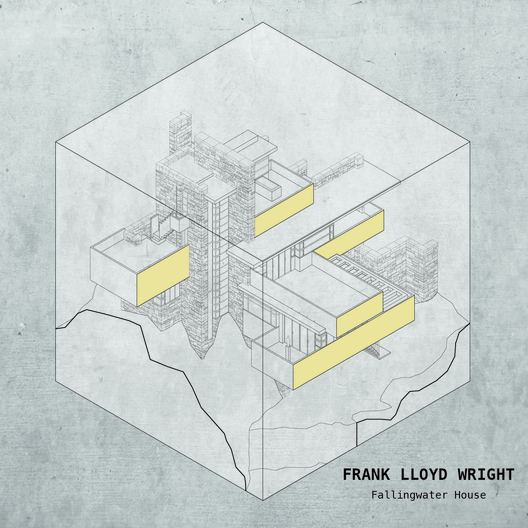
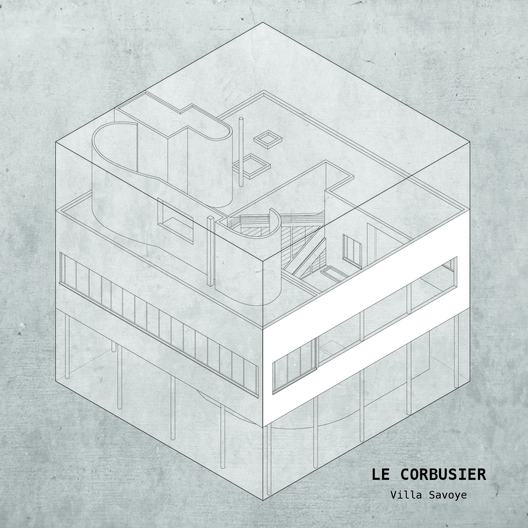
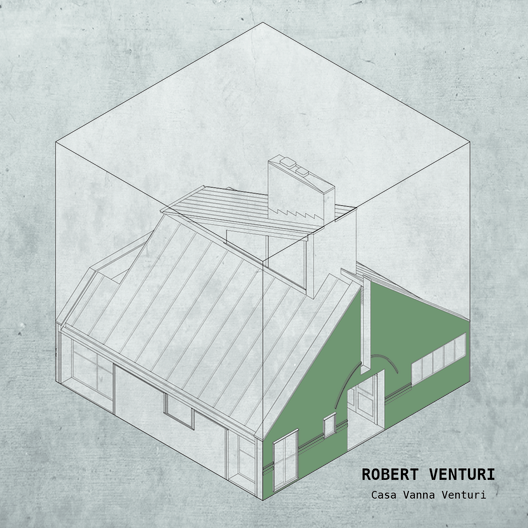
The most famous houses
of architectural history
contained in a cube






Beautiful Architecture
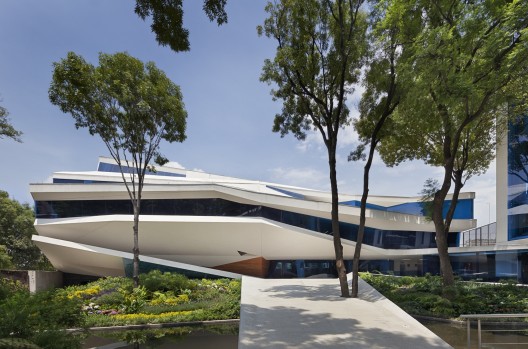
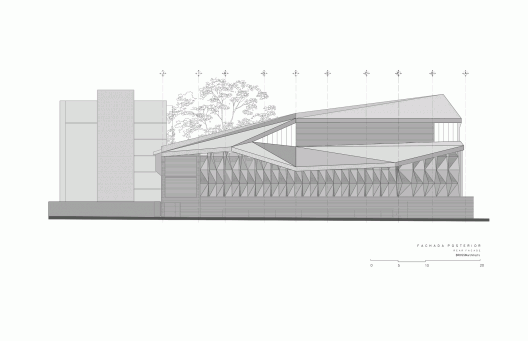
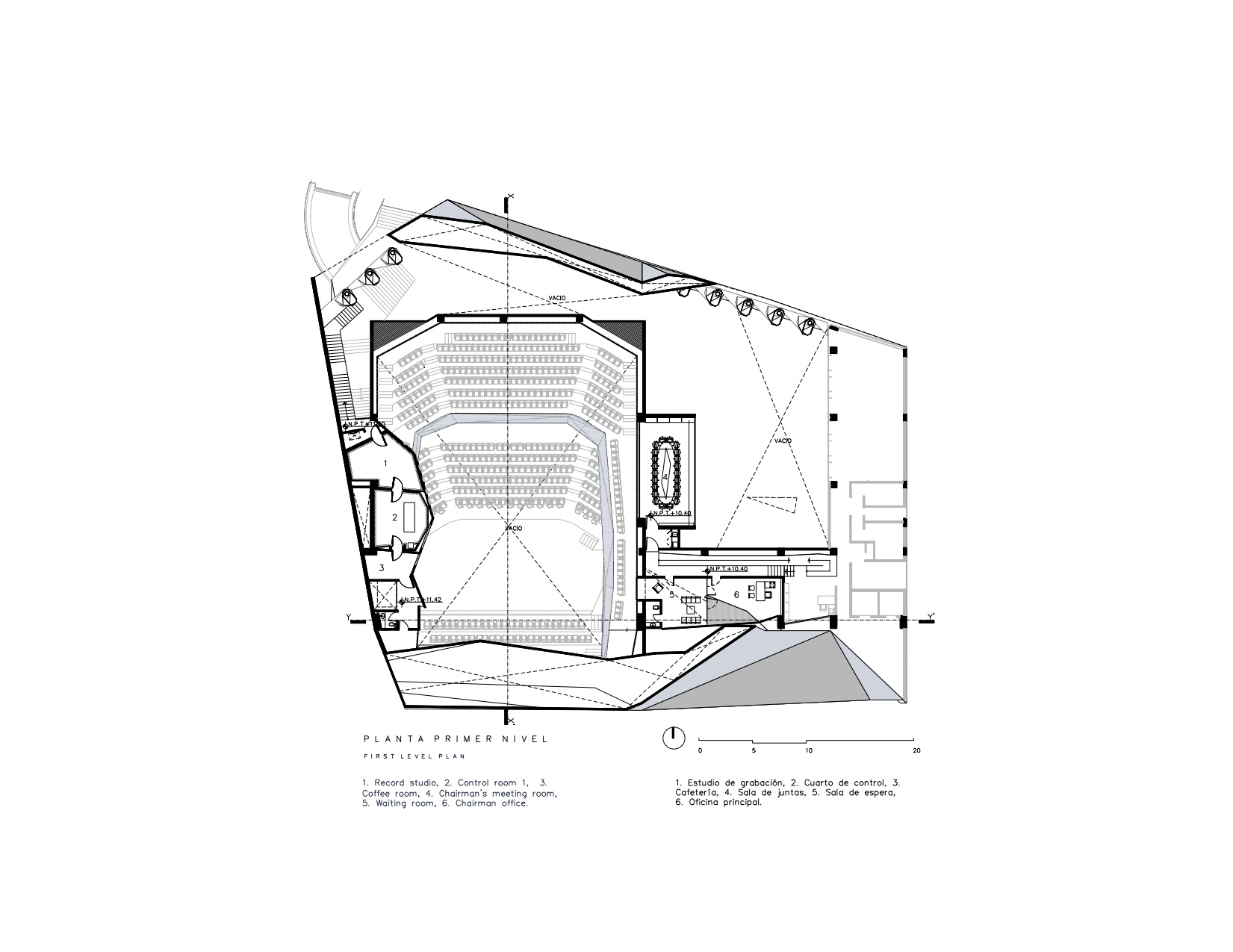
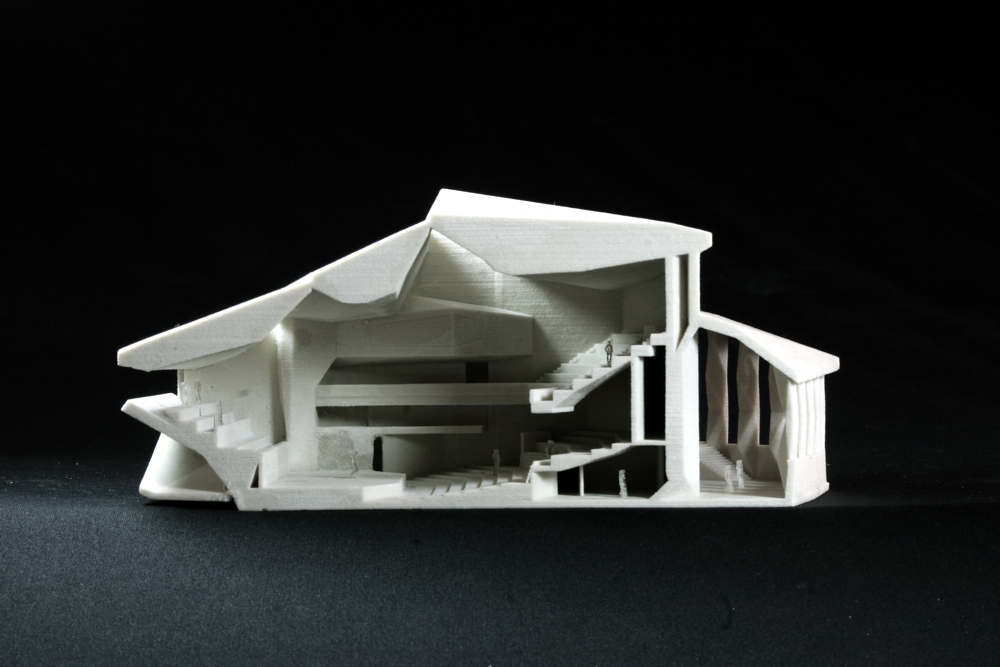
This concert hall makes me want to pay a visit to
Mexico. Inspired by the movement of a conductor’s
baton, Broissin Architects designed the beautiful
Roberto Cantoral Cultural Center in Mexico.
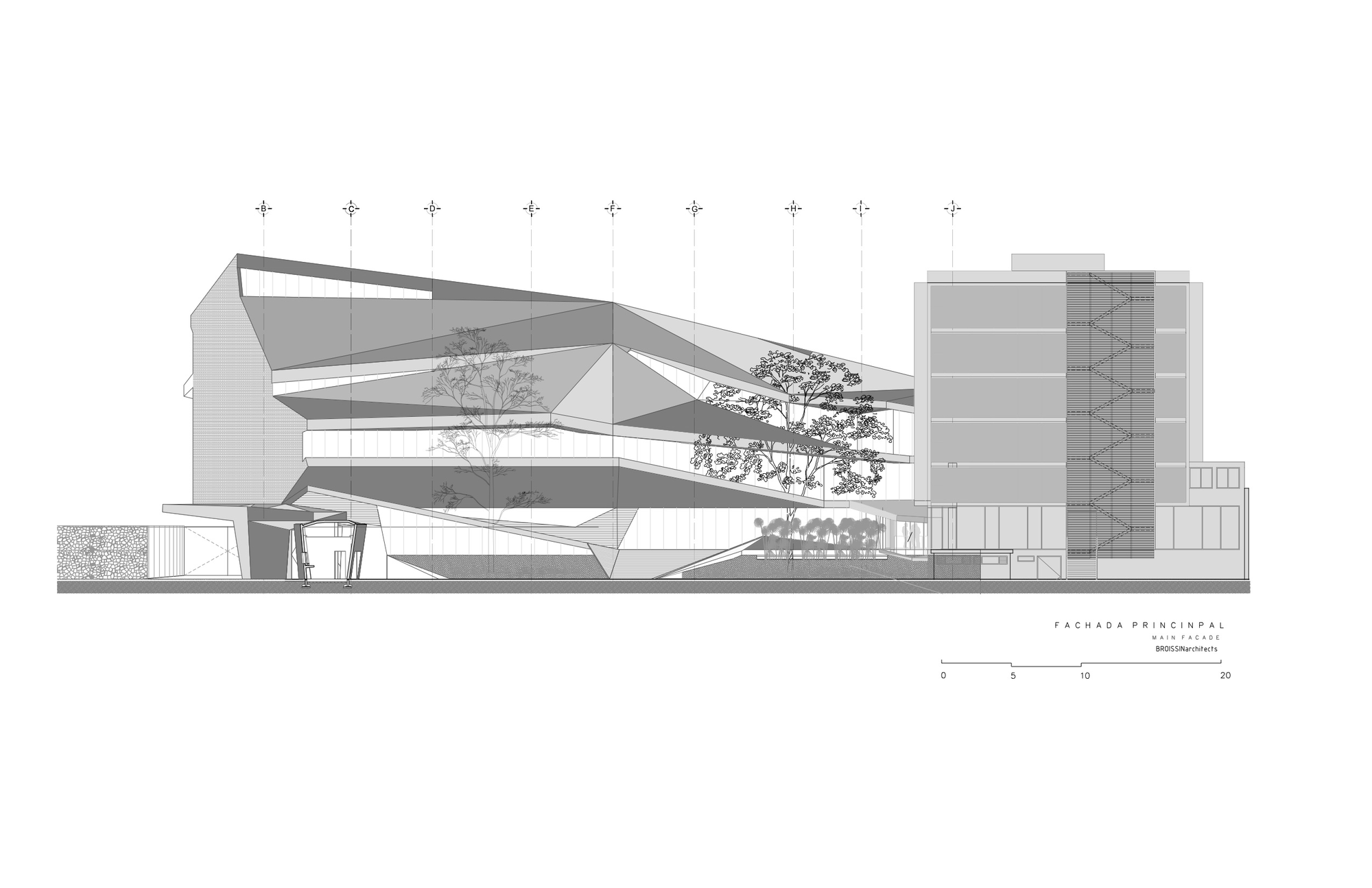
The design is composed of five concrete roofs moving
up and down in harmony to give shape, space and light
to the project. Each roof represents a musical staff´s line,
always straight, constant and parallel. The project
is sited in a forest area with huge and old trees.
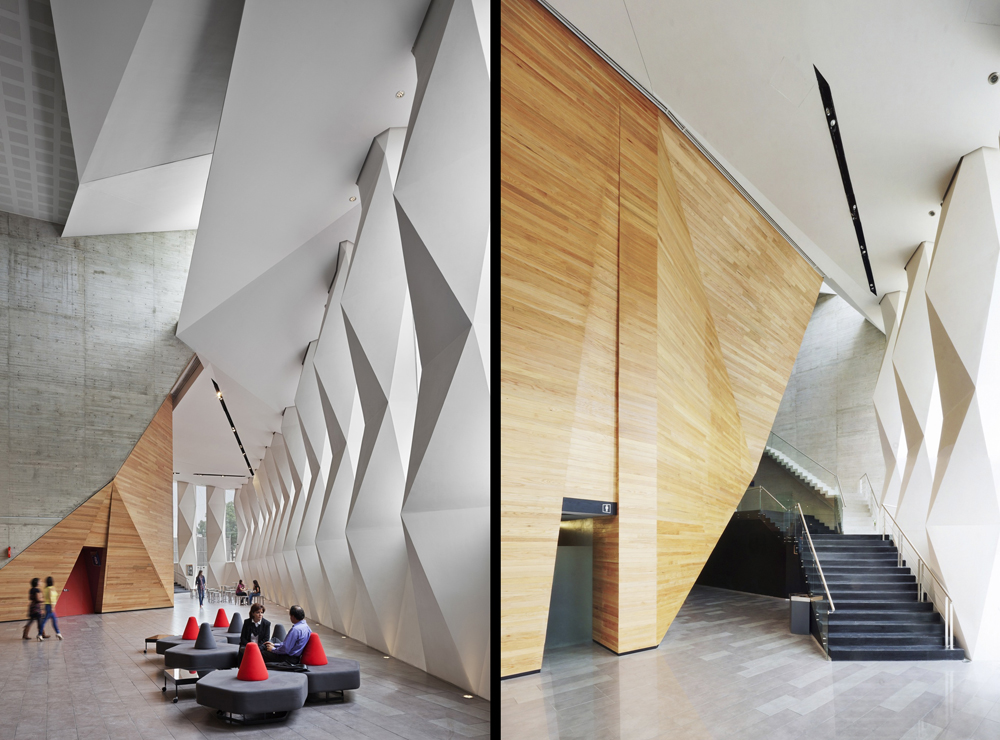
The lines composing the façade move up and down as
branches move in the wind, letting the sunlight pass
through, creating a fantastical parade of shadows.
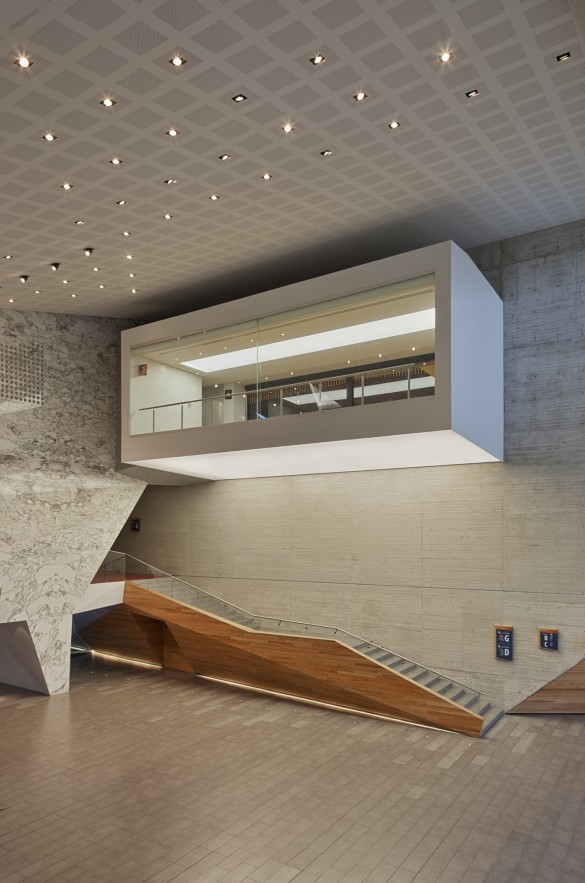
The building wraps you, its shape turns into the
shape of music. It is not a whim or about fashion, it is just
about the sound of music traveling around every space,
every seat, every corner, giving shape to every dream,
to every song. Outside, the white concrete façade
represents the purity and originality of Mexican music;
inside, the red concert hall represents the Mexican
composers’ passion. Beautiful.





Beautiful Art & Photography
Lighting layers and reflections by Autumn de Wilde
Beautiful.
![autumn de wilde 1[10]](https://beautifulmusings.me/wp-content/uploads/2014/05/autumn-de-wilde-110.jpg)
![autumn de wilde 2[10]](https://beautifulmusings.me/wp-content/uploads/2014/05/autumn-de-wilde-210.jpg)
![autumn de wilde 3[11]](https://beautifulmusings.me/wp-content/uploads/2014/05/autumn-de-wilde-311.jpg)
![autumn de wilde 4[10]](https://beautifulmusings.me/wp-content/uploads/2014/05/autumn-de-wilde-410.jpg)
Beautiful Architecture
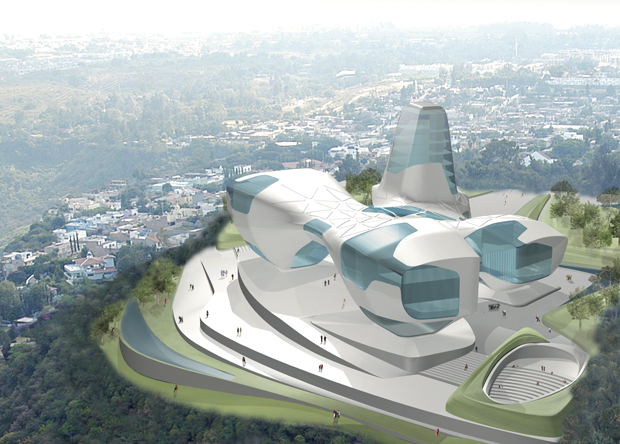
Asymptote’s proposal of the Guggenheim in Guadalajara
competition imagined the museum as an undulating
mass rising from four sculptural corner volumes,
with a central atrium acting as an “urban balcony.”
While they lost to Enrique Norten, their surprising
proposal has since been attracting attention and
acclaim. With a strong, iconic architectural expression
on a spectacular, clifftop site, the diaphanous specter
seemingly hovers like a spaceship. It is touted by the
architects as a space that performs simultaneously as
a “dramatic viewing platform, a gateway, a gathering
place, an urban theater and an outdoor exhibition space.”

Beautiful Architecture
I could live here, simply stunning.
Never mind how they built the spaces
hanging over the edge.

Beautiful Architectural Geometry
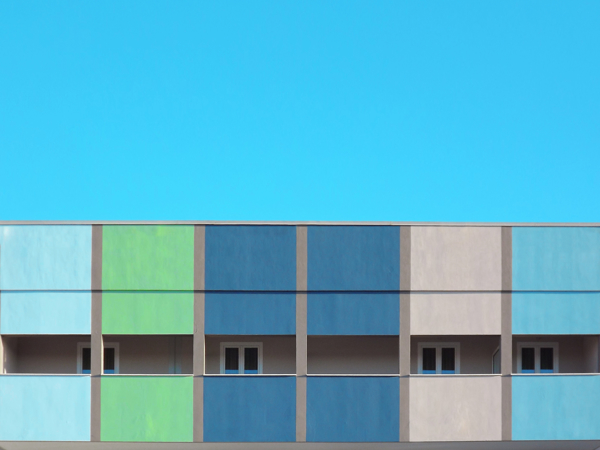
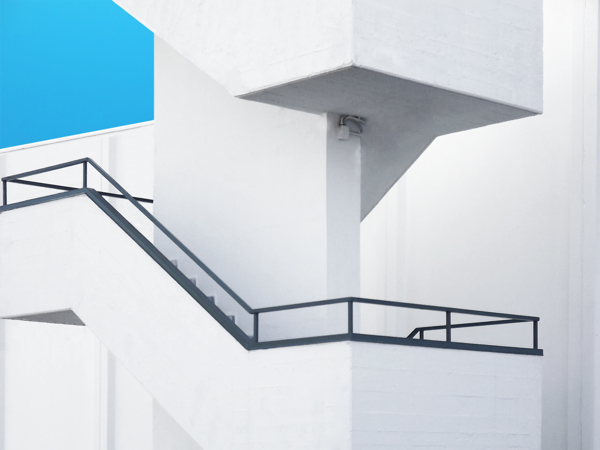
Today I learned about Skymetrics based on these
colorful, geometric architectural images. I’ve never
been so good at math but I’ve always liked geometry,
shapes and color.
The word skymetric is a construction composed
by: sky and -metric (geometric). The subject highlights
the decontextualization of places and architectural
spaces in order to alter the natural structure.
These places have in common the fact that all are
square, regular and schematic, so achieving geometric
shots in a minimalist context, where the simplicity and
cleanliness reign supreme. Another point in common is
the sky, in fact each shot shows with a light blue background
that decisively contrasts the brilliant colors of the shapes.
I love the colors, shapes and composition.





Beautiful Design
BBC News – Designs of the Year: 76 eye-catching creations
http://www.bbc.com/news/magazine-26648326
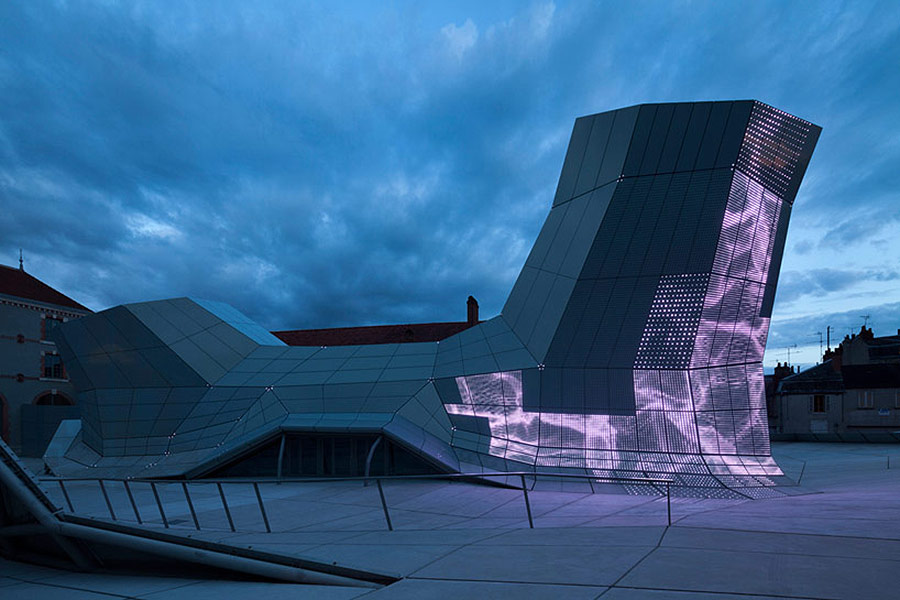
The Fonds Régional d’Art Contemporain, known
as the FRAC, is brainchild of architecture duo,
Jakob + MacFarlane.
http://www.bbc.com/news/magazine-26648326
Beautiful Architecture
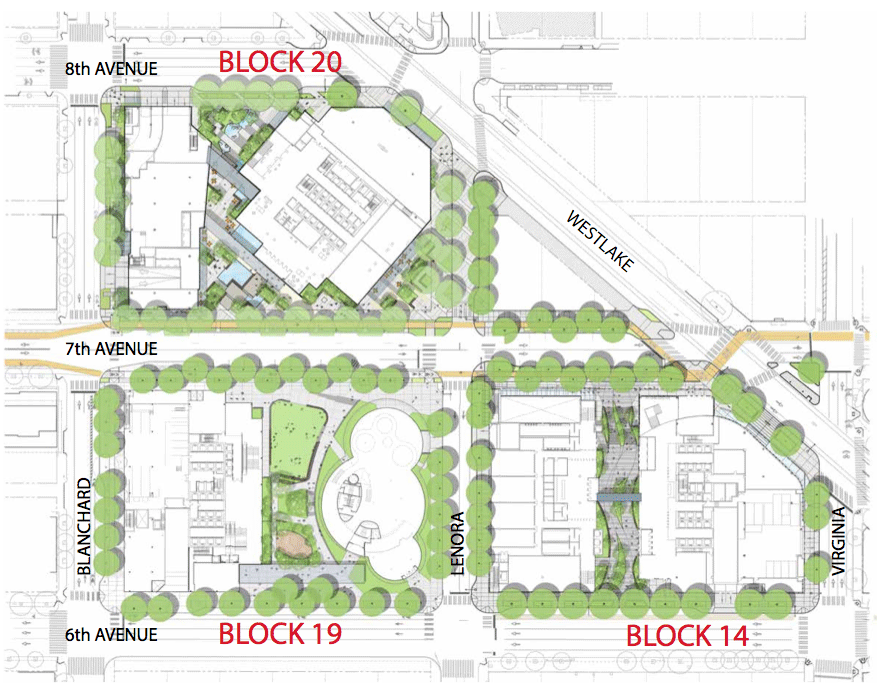
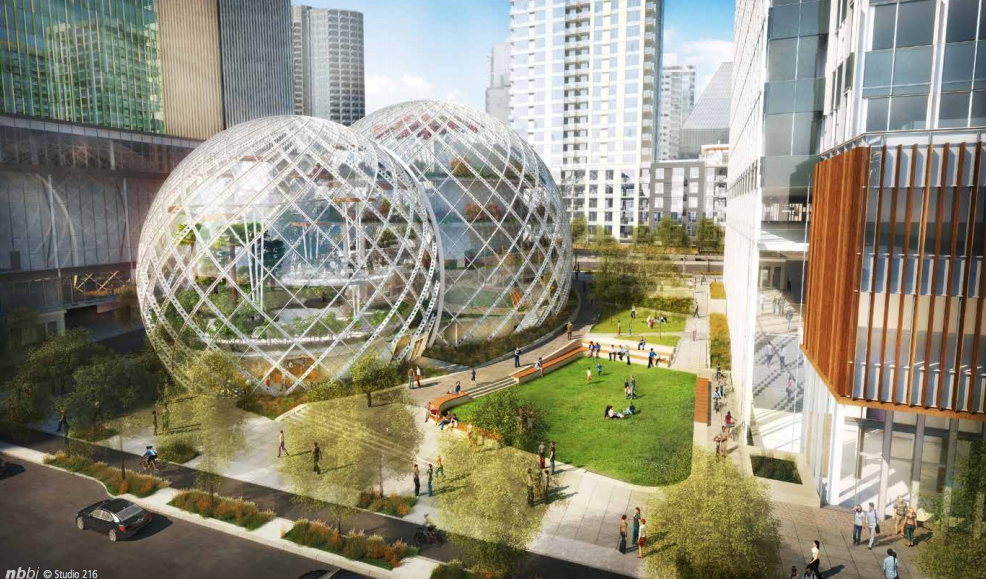
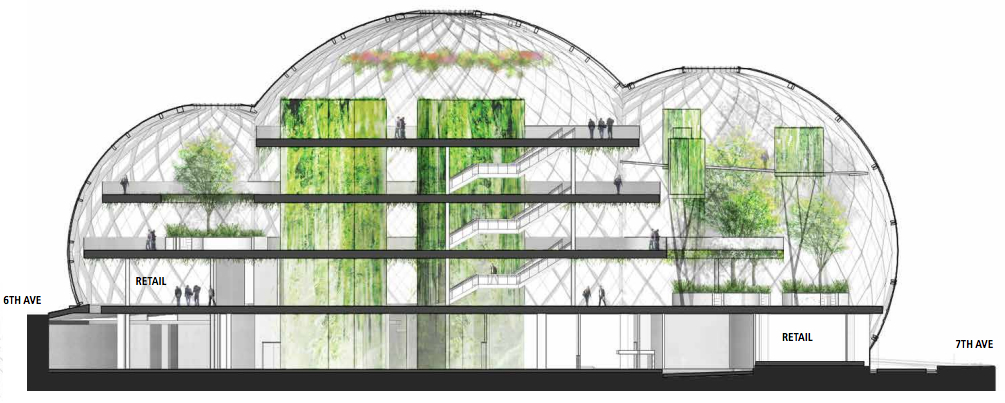
Amazon is joining the party of novelty headquarters
by designing its new Seattle office in the form of a huge,
spherical greenhouse. Formed of three interconnected
glass bubbles, rising up to 30m tall, the complex will
reside amongst grassy mounds in downtown Seattle.
This little spherical utopia is conceived as the social heart
of a vast Amazonworld, covering over three city blocks.
I’ve decided to take on the task of photographing the
construction of this amazing project and create a building
timeline to not only share the ever-changing city skyline but
the effect it will have on the surrounding neighborhood.
Although these first images are random, as I go along the
timeline I hope to capture some from different perspectives.
Let the fun begin.
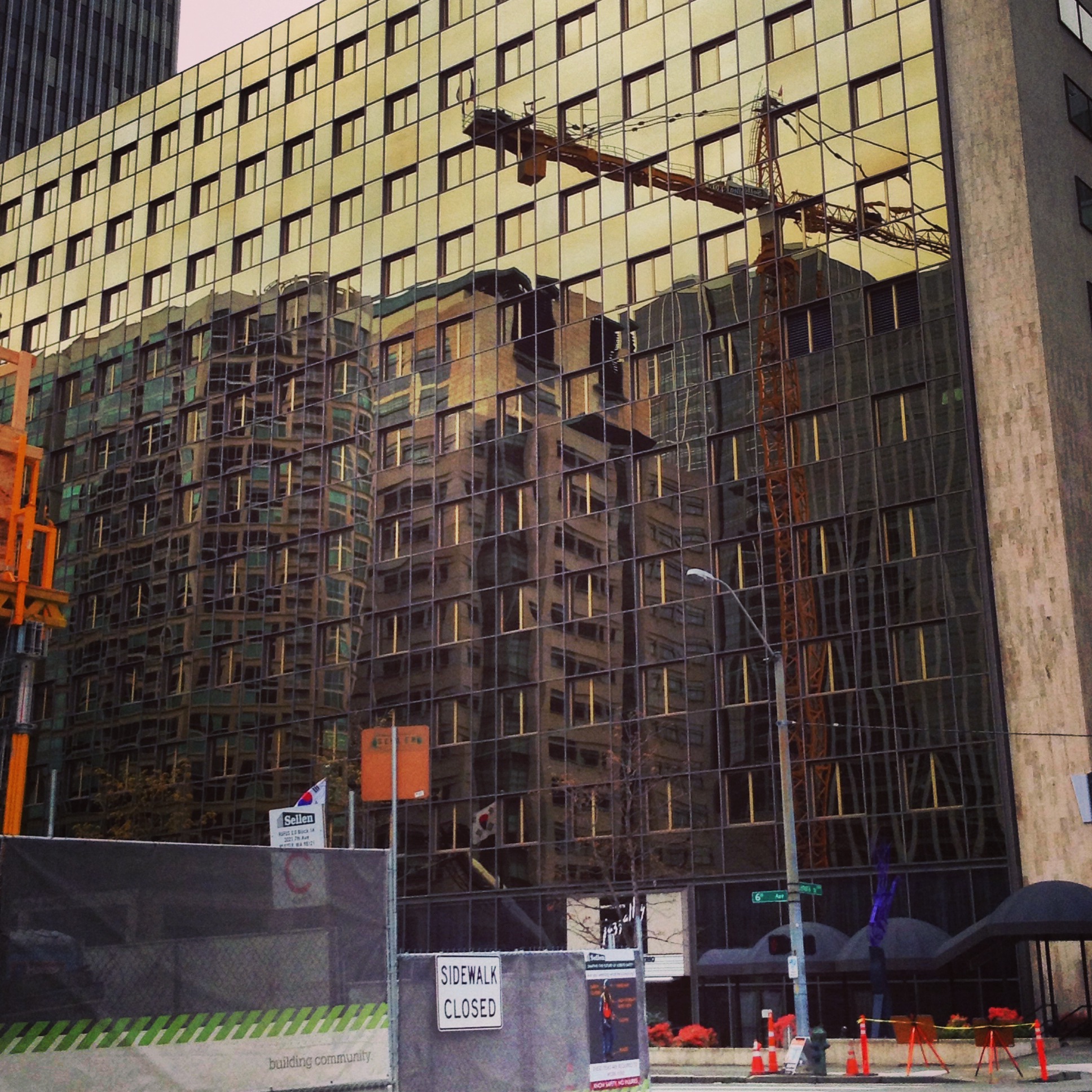


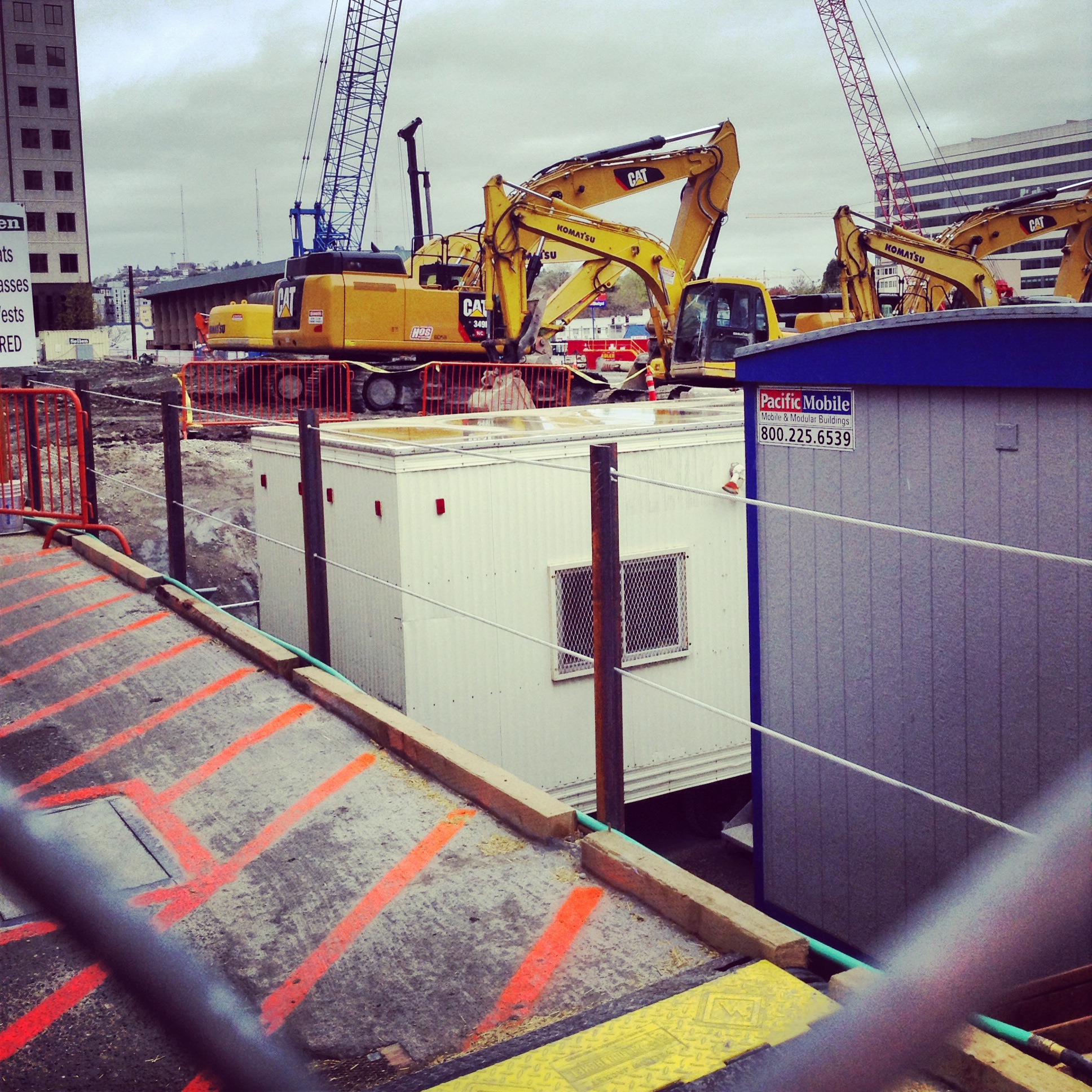

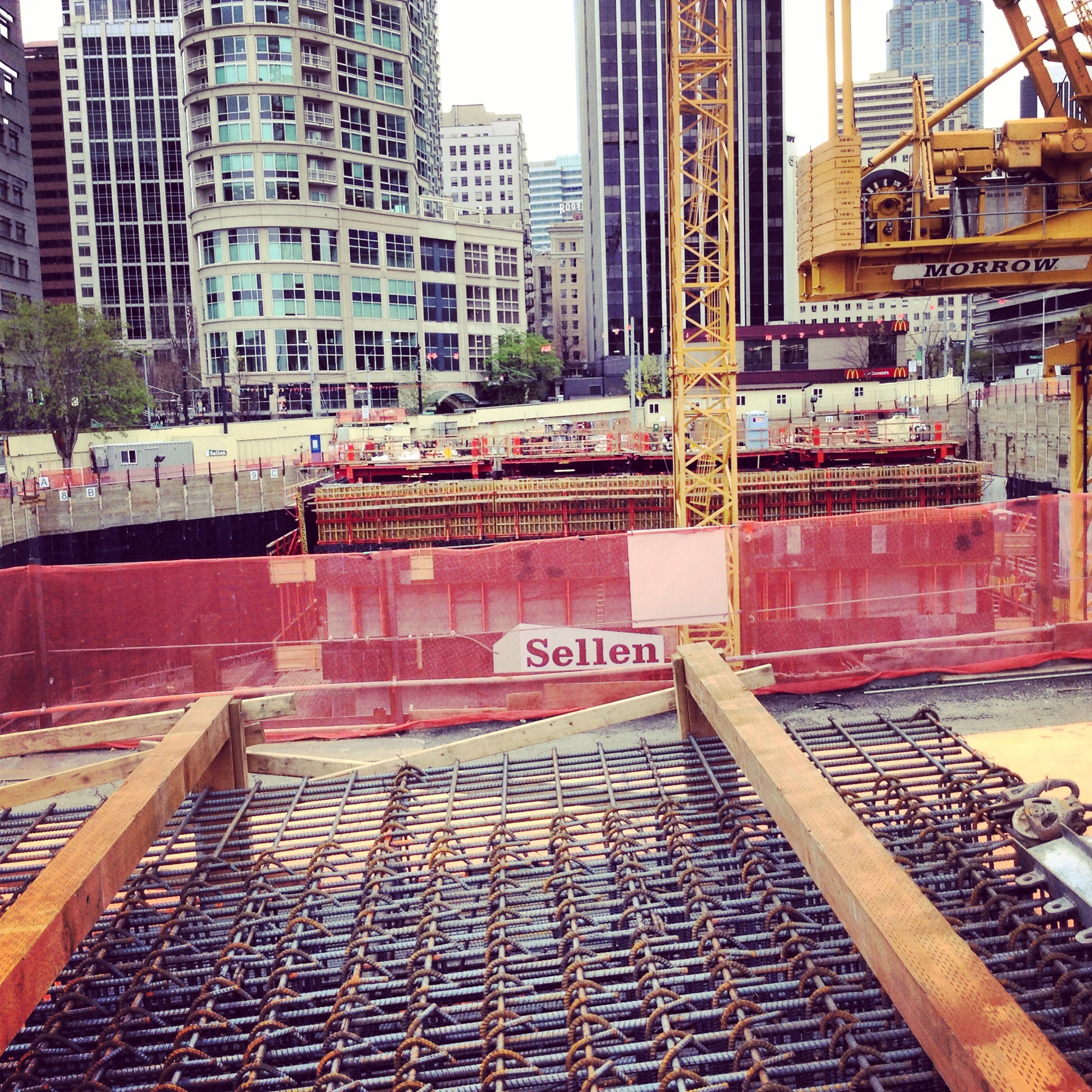
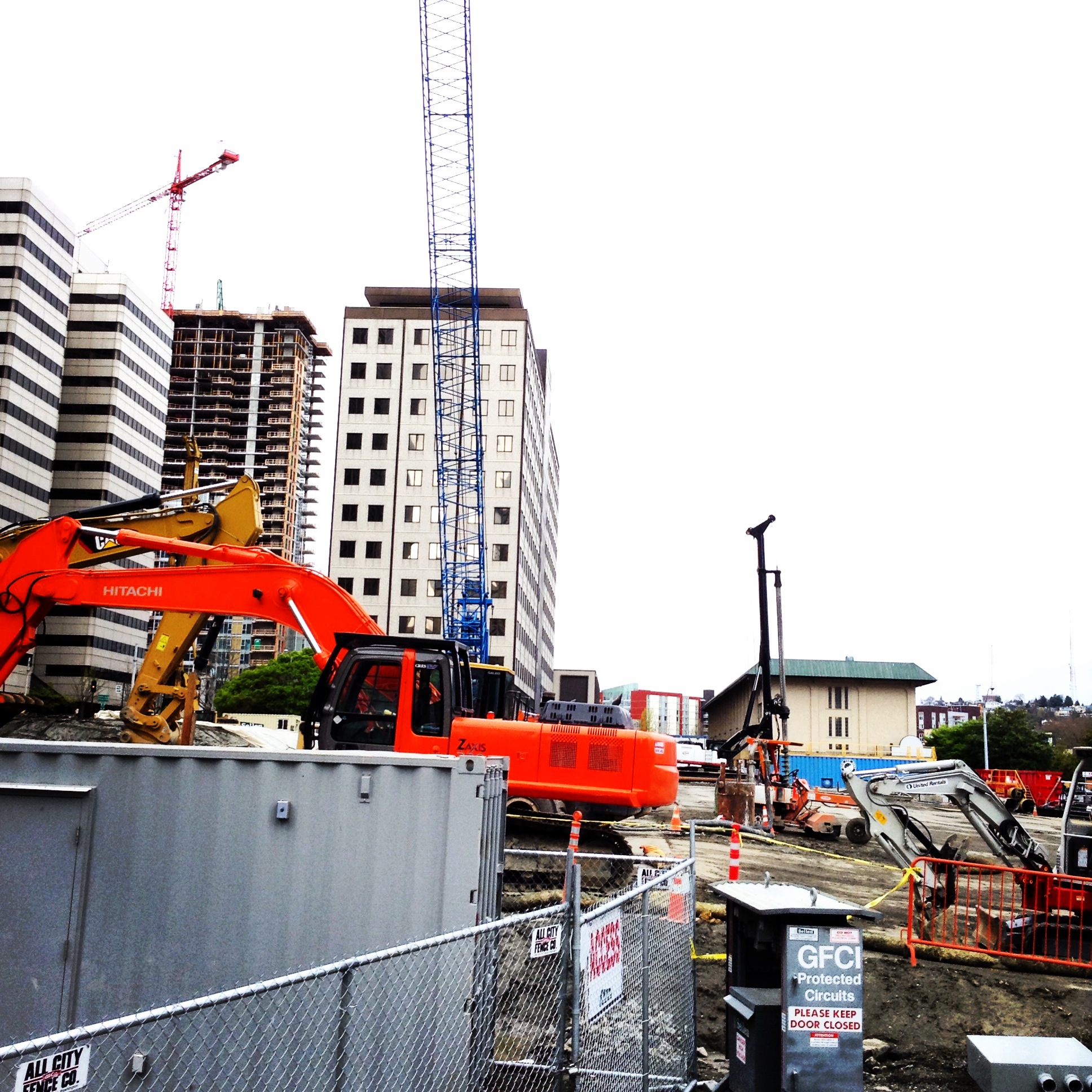

Here is NBBJ’s design approved by the City of Seattle.

Designed by NBBJ Seattle
 Beautiful Musings