Beautiful Interior Architecture

Indigo-Slam-Smart-Design-Studio-Yellowtrace-02

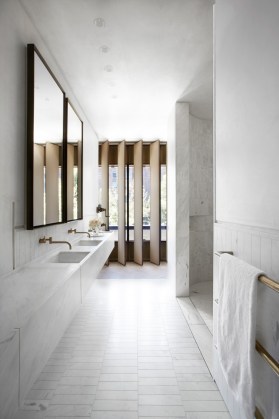
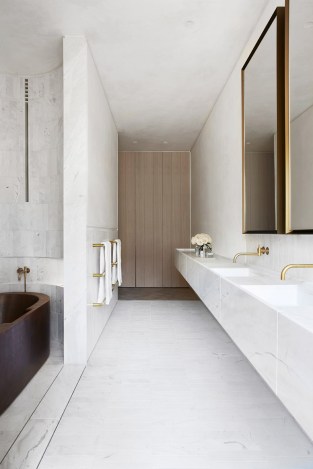
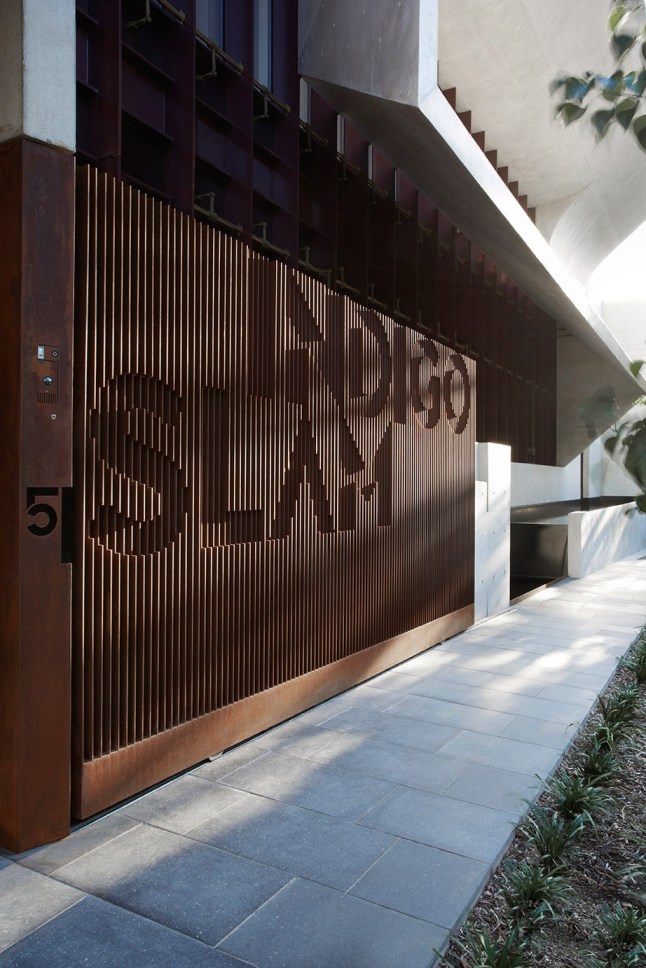
Indigo Slam, designed by Smart Studio, was completed earlier this year and observing this extraordinary sculptural concrete building from the outside is evidence enough that something very special lies within. There are simply no words to describe the impact of this extraordinary house. There is a distinct calming sense that happens here as if entering a luxury spa, whereby you are instantly transported into a different world. The space compresses as a low and narrow corridor, before suddenly opening into a spectacular stair hall. Let’s just say it’s epicness of the central void – the soaring ceiling, the majestic staircase, the sheer scale of… well, everything really, balanced so beautifully with a highly restrained approach to materials and detailing with a monastic quality.

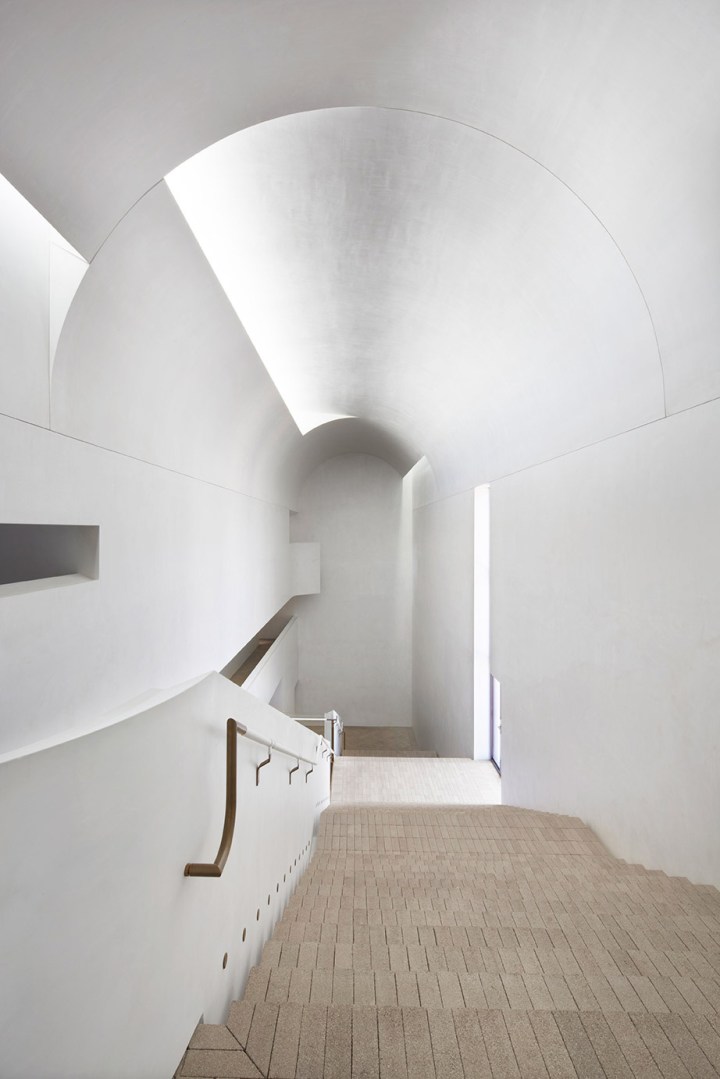
Indigo-Slam-Smart-Design-Studio-Yellowtrace-08

Indigo-Slam-Smart-Design-Studio-Yellowtrace-06 Indigo-Slam-Smart-Design-Studio-Yellowtrace-07 Indigo-Slam-Smart-Design-Studio-Yellowtrace-08 Indigo-Slam-Smart-Design-Studio-Yellowtrace-09 Indigo-Slam-Smart-Design-Studio-Yellowtrace-10 Taking it’s name from a crime novel, Indigo Slam transforms a former Simona warehouse site in Chippendale into an inspiring residence for Australia’s most prominent art collector and philanthropist, Judith Neilson. The Client’s brief called for something extraordinary – a piece of sculpture to be lived in. The team established a unique language of cutting, folding and stitching together for designing the building skin – something once flat becomes three dimensional and something once blank creates and enfolds space. This language is carried throughout each aspect of the design – from the concrete facades, to how the marble in the kitchen is sculpted and shaped, light switch or tap installed, to the planes and curves of the vaulted ceilings. The sculpted concrete facades of Indigo Slam are alive to the changes brought by light, shade, sun and cloud, providing the new urban park across the road with a lively backdrop to public life. The serene living spaces and monumental halls within create a dynamic spatial interplay of spare interiors in which the main decorative element is light.

Indigo-Slam-Smart-Design-Studio-Yellowtrace-17

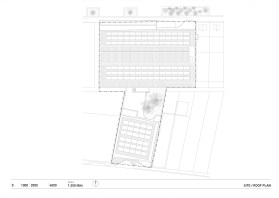
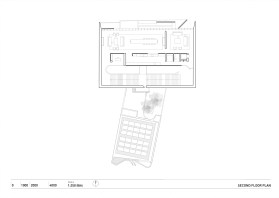
Indigo-Slam-Smart-Design-Studio-Yellowtrace-11 Indigo-Slam-Smart-Design-Studio-Yellowtrace-12 Indigo-Slam-Smart-Design-Studio-Yellowtrace-13 Indigo-Slam-Smart-Design-Studio-Yellowtrace-14 Indigo-Slam-Smart-Design-Studio-First-Floor-Plan-Yellowtrace-3 Indigo-Slam-Smart-Design-Studio-Site-Plan-Yellowtrace-1 Indigo-Slam-Smart-Design-Studio-Ground-Floor-Plan-Yellowtrace-2 Indigo-Slam-Smart-Design-Studio-Second-Floor-Plan-Yellowtrace-4  Indigo-Slam-Smart-Design-Studio-Section-Yellowtrace

The brief was for Indigo Slam to last 100 years. Materials are selected to wear and endure, with each fitting designed or selected to continue the language of overall design concept, occasionally adding a small element of surprise to the finely grained interior.

P.S. If you are so inclined, you can read a fantastic article titled ‘Designed From The Inside Out’: a conversation between William Smart and Heidi Dokulil, giving further insight into this fascinating project.

Images and drawings courtesy of Smart Design Studio and INSIDE World Festival of Interiors 2016. Photography by Sharrin Rees

Source: http://www.yellowtrace.com.au/indigo-slam-smart-design-studio/

Beautiful Architecture Meets Color

Architecture-Meets-Perfect-Colour-Palettes-by-June-Kim-and-Michelle-Cho-Yellowtrace-01

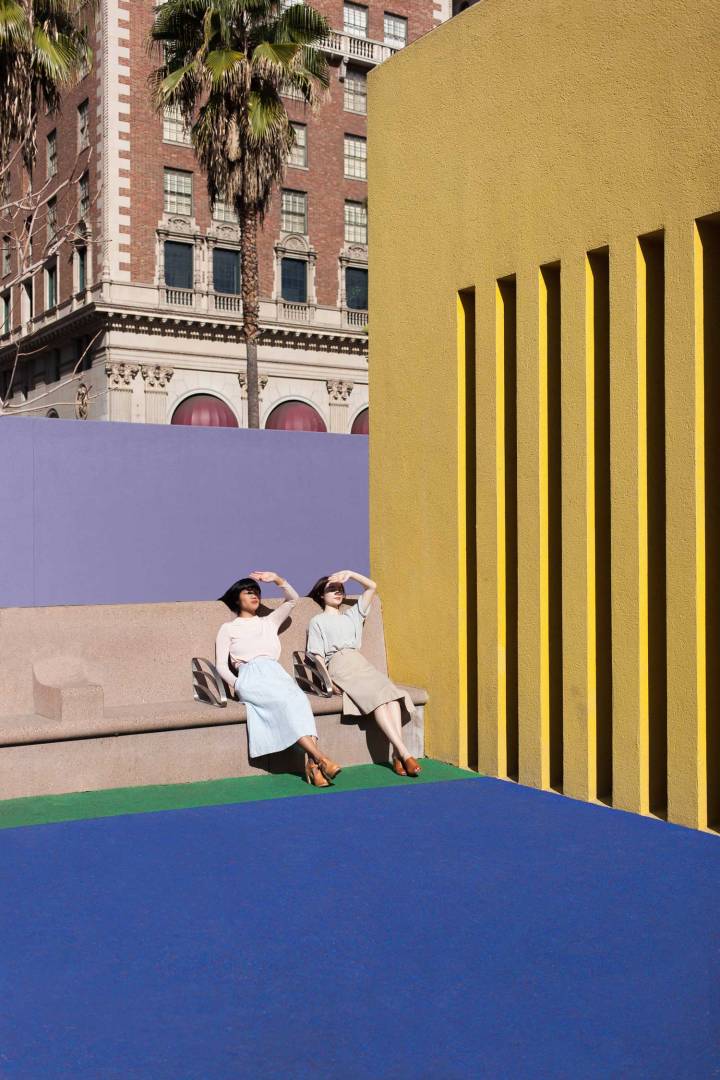
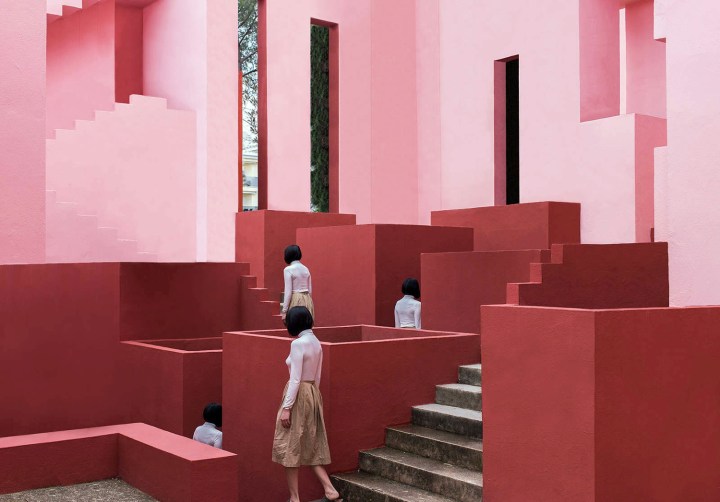
What do you get when you mix Architecture, Symmetry, Minimalism, Fashion, Friendship and the most Perfect Color Palettes? An ongoing image series titled Other On, produced by two talented photographers – June Kim and Michelle Cho.

There is a strong sense of duality at play in all of these images – although perfectly composed and deliciously captivating, a heightened sense of intrigue and drama is achieved thanks to the subjects who almost always have their faces turned away from the camera. Add to the mix some pretty epic architecture and you’ve got yourself a killer photography series that will stay in my mind long after the ongoing internet vortex sucks it away from my screen.

Architecture-Meets-Perfect-Colour-Palettes-by-June-Kim-and-Michelle-Cho-Yellowtrace-02.jpg

Architecture-Meets-Perfect-Colour-Palettes-by-June-Kim-and-Michelle-Cho-Yellowtrace-05

Architecture-Meets-Perfect-Colour-Palettes-by-June-Kim-and-Michelle-Cho-Yellowtrace-06

Architecture-Meets-Perfect-Colour-Palettes-by-June-Kim-and-Michelle-Cho-Yellowtrace-08.jpg

Architecture-Meets-Perfect-Colour-Palettes-by-June-Kim-and-Michelle-Cho-Yellowtrace-11

Architecture-Meets-Perfect-Colour-Palettes-by-June-Kim-and-Michelle-Cho-Yellowtrace-13-1400x697Architecture-Meets-Perfect-Colour-Palettes-by-June-Kim-and-Michelle-Cho-Yellowtrace-15.jpg

Yellowtrace

Beautiful Furniture Design From Krakow

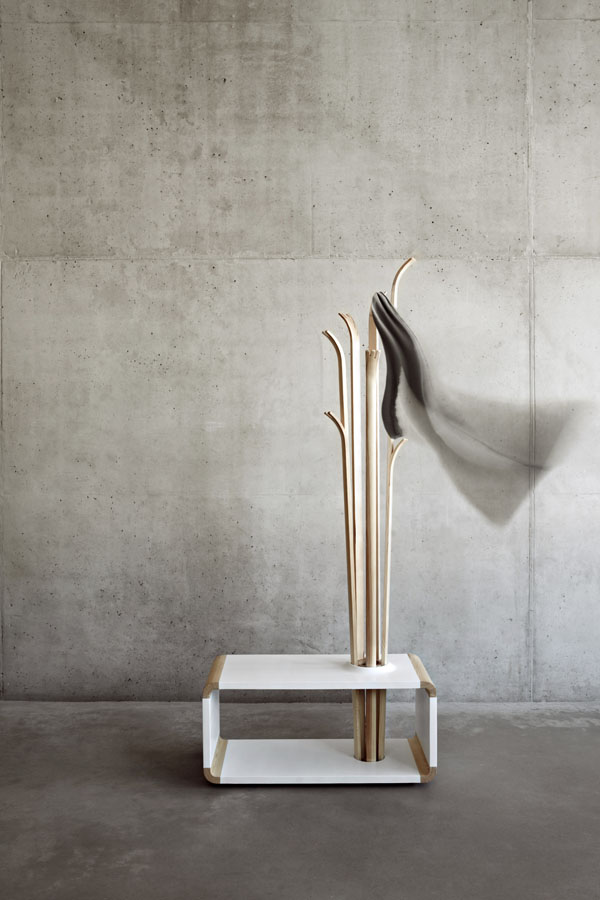
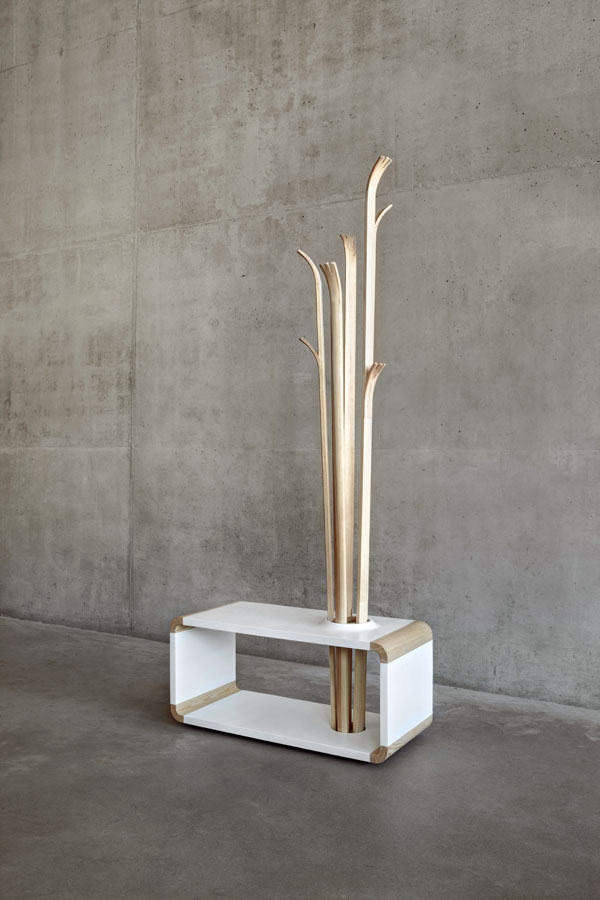
Kraków designer Alicja Prussakowska has designed a coat stand
that’s not only useful but beautiful. Its dual purpose design provides
storage and seating in addition to providing spot to hang your hat.
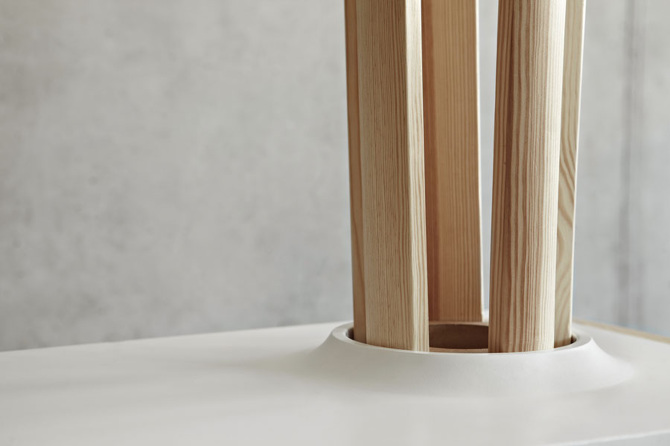
Made of handcrafted pine with a MDF base, I’d like one of these.
IMG_5557-0 IMG_5597-0 IMG_5435-0 IMG_5491-0 IMG_5450-0 IMG_5465-0

Beautiful Architecture

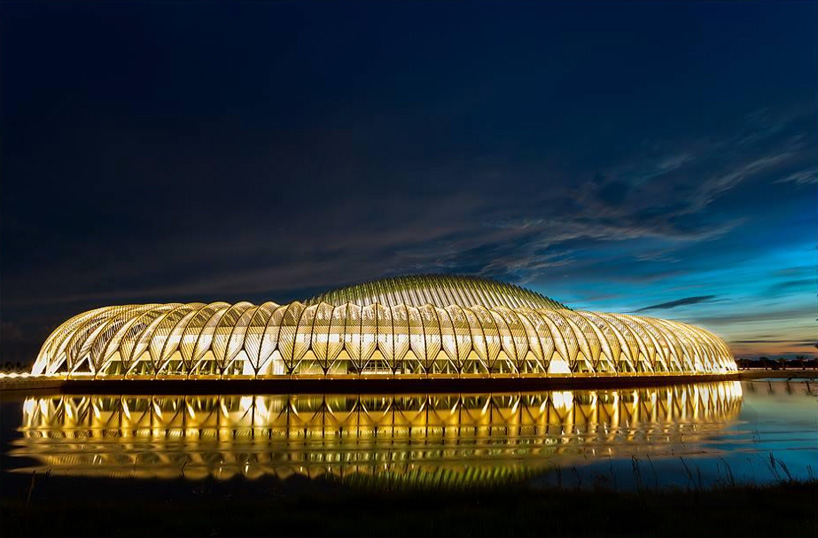
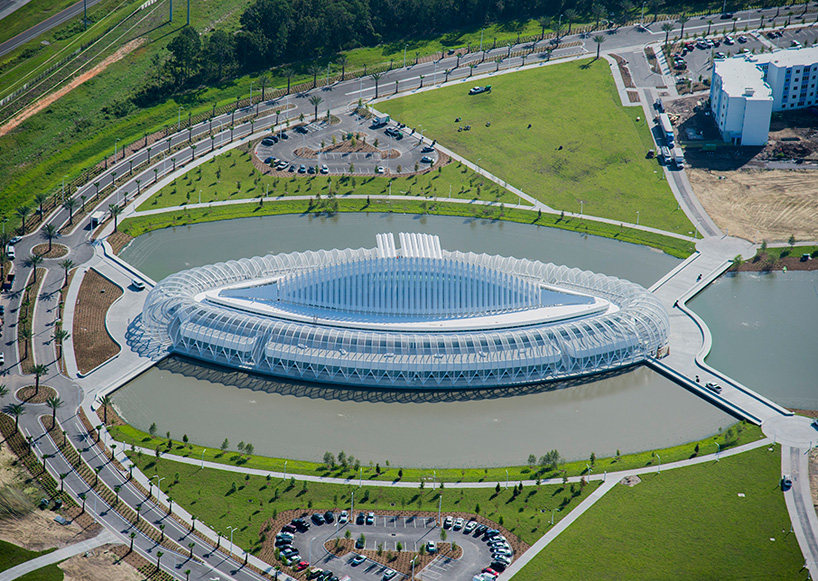
Santiago Calatrava’s innovation, science and technology
building for Florida Polytechnic University makes me
want to study there just to be able to experience this
building. The design is characterized by a skeletal
form with a latticed envelope across a series of arched
ribs. The crowning feature is its rising operable roof
that can regulate the desired amount of direct light.
Simply beautiful.
florida-polytechnic-university-santiago-calatrava-designboom-07B florida-polytechnic-university-santiago-calatrava-designboom-04 florida-polytechnic-university-santiago-calatrava-designboom-08 florida-polytechnic-university-santiago-calatrava-designboom-12 florida-polytechnic-university-santiago-calatrava-designboom-01 florida-polytechnic-university-santiago-calatrava-designboom-03 florida-polytechnic-university-santiago-calatrava-designboom-02

Beautiful Bungalow

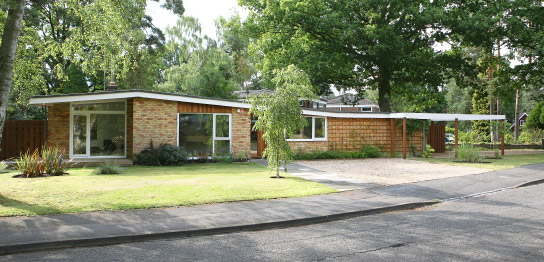
This beautiful Bungalow house designed by architect
Athelstan Whaley as a part Edgcumbe Park resort was
for years owned by a David Weston & Scott Mycock
and used as a home and studio.  The house has been
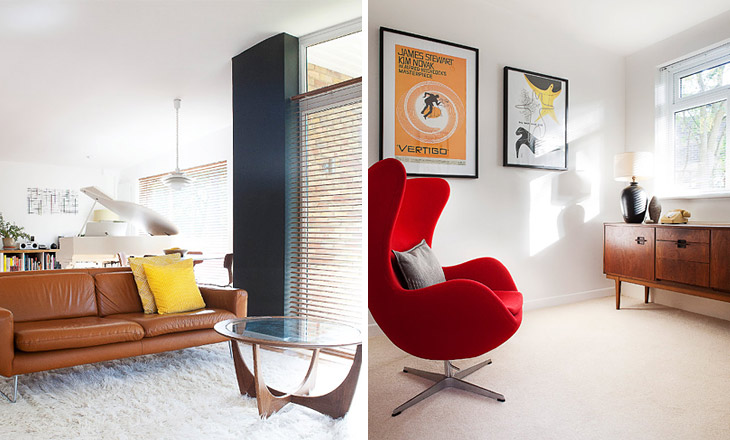
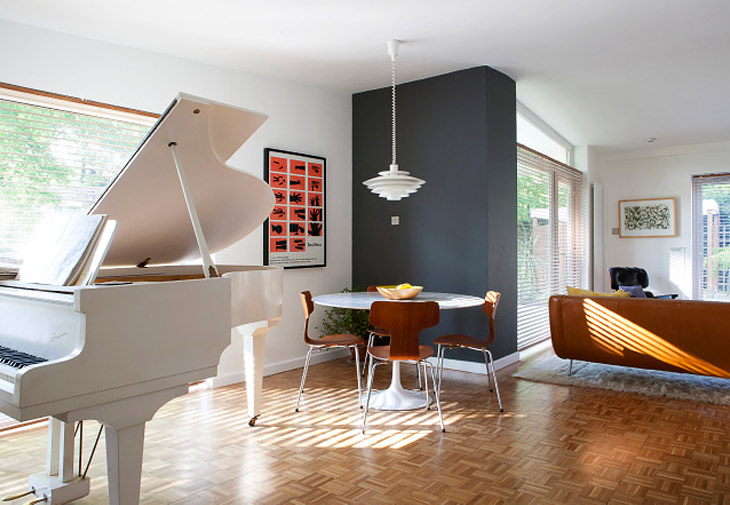
nicely renovated and its design is spot on – classical
modernist posters, iconic mid century modern furniture
like Eames Lounge chair, Noguchi Butterfly stool,
Jacobsen Egg chair  and many others are present.
Interesting fact is that it was also used as a location
for the 1966 film Fahrenheit 451.
1960 bungalow 5-Heathermount-Drive-front-aspect bungalow 1 bungalow ding bungalow living bungalow office

Beautiful Architect

The Invisible Architect of Invisible Architecture

At the height of his popularity, R. Buckminster Fuller,
the visionary inventor best known as the father of the
geodesic dome, was on a mission. Fuller repeatedly
referred to his great friend, the architect Knud Lonberg-Holm
—a “really great architect of the Nysky (New York skyscraper)
age”—whom Fuller said “has been completely unrecognized
and unsung,” and whose “scientific foresight and design
competence are largely responsible for the present world
around the state of advancement of the building arts.”
KLH_up_PR_MB2
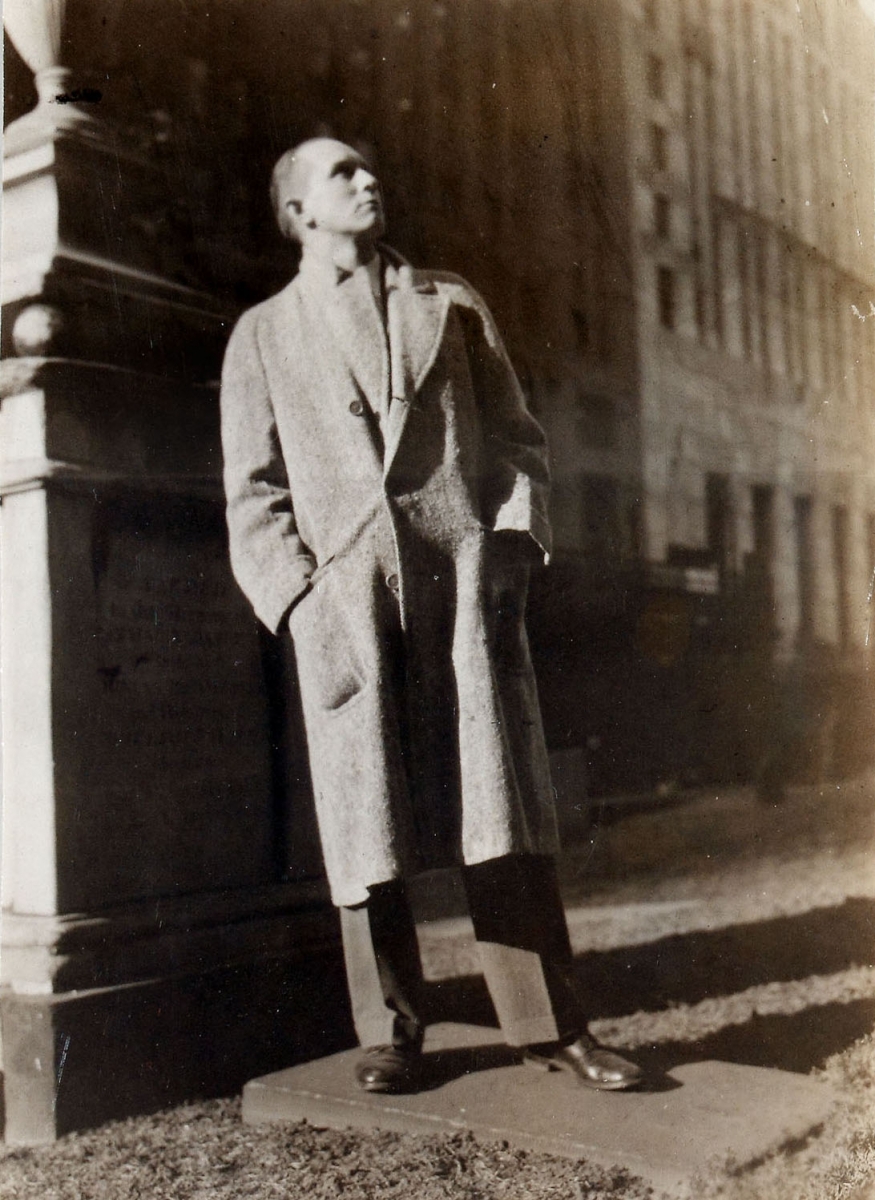
Knud Lonberg-Holm (1895-1972),
an overlooked but highly influential
Modernist architect, photographer,
and pioneer of information design,
is the subject of an exhibition at the
Ubu Gallery in New York City,
through August 1, 2014.

I stumbled upon a fascinating article about
the architect Lonberg-Holm. He is one of the
most overlooked yet influential architects
of the 20th century.  Knud Lonberg-Holm
told Buckminster Fuller that “the really great
architect will be the architect who produces
the invisible house where you don’t see roofs
or walls,” Fuller explained in House & Garden.
“I’ve thought about this, thought about  it a lot,
the ultimately invisible house—doing more with
less and finally coming to nothingness.”
Lonberg-Holm’s modernity and exquisite
techniques were well ahead of his time.

Read the fascinating article here.

1(86)

Chicago Tribune Tower
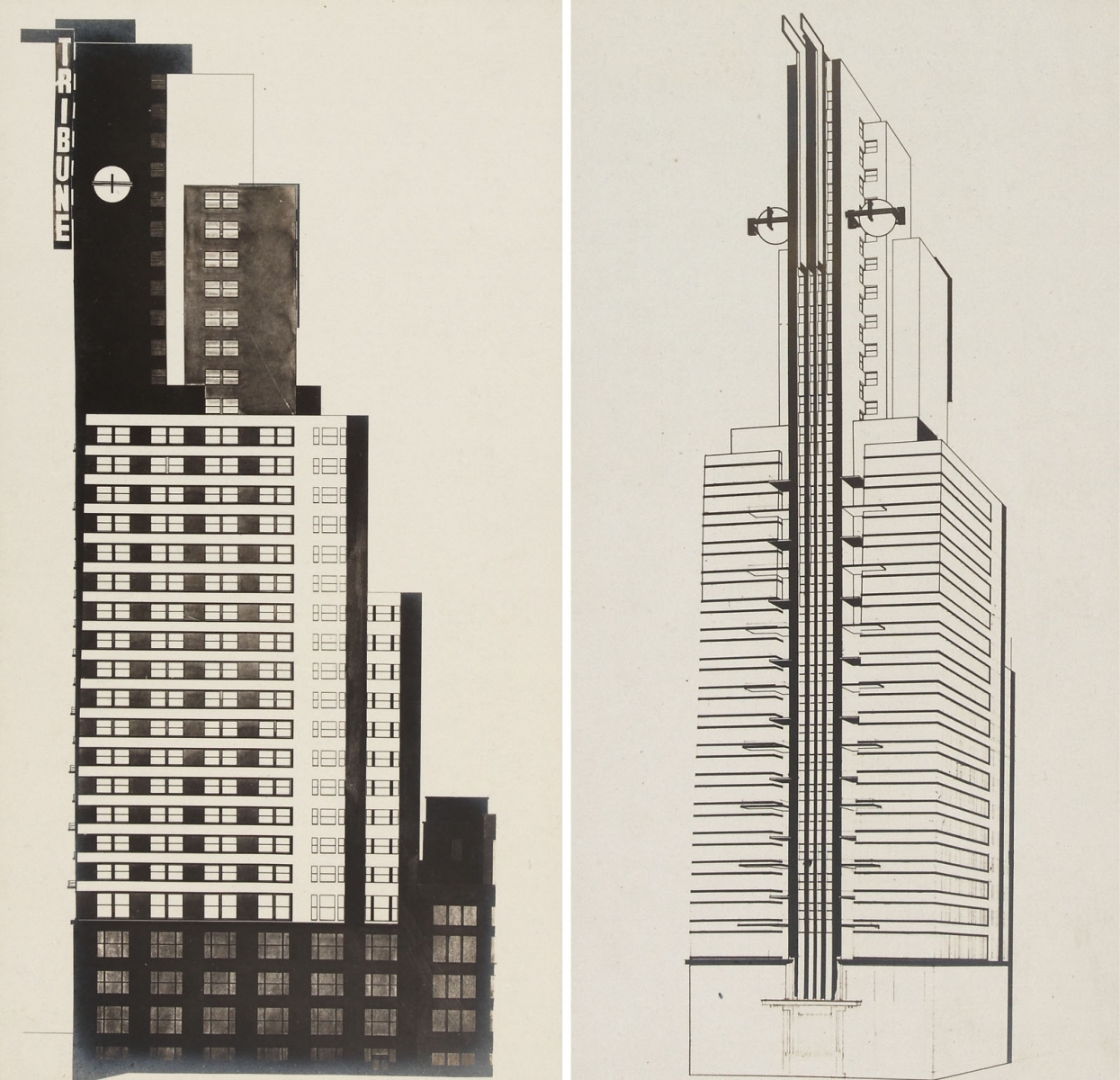
This design of a side elevation for the 1922 Chicago

Tribune Tower competition, by Lonberg-Holm,
favored a functional composition that was devoid
of historical styles. It featured an abstract,
black-and-white pattern to articulate its frame and a
vertical sign spelling “Tribune” in large block letters,
flanked by two round lamps reminiscent of automobile
headlights. Lonberg-Holm never submitted his entry
for the competition, but it was published in a number
of books by avant-garde architects like Le Corbusier,
Walter Gropius, and J.P.P. Oud.

3b(3)

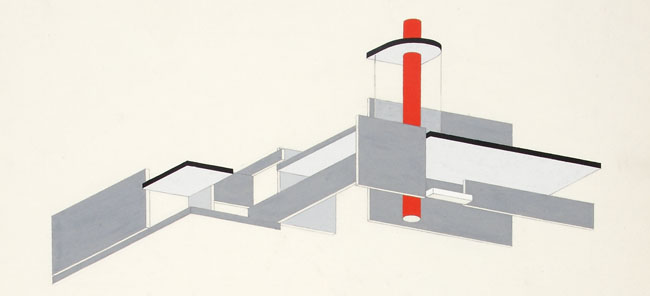
Radio Broadcasting Station, Detroit
This design, ca. 1925, was included in the landmark

1927 Machine Age exhibition—advertised as “the
first International Exposition of Architecture to be
held in America.” The New Yorker critic Muriel Draper
reviewed the project and wrote: “The delicacy and
exquisite technique of execution shown in the plans may
have much to do with it, but a glass tower with a visibly
spiralling staircase took me straight up in the air while
the simple, solid proportions of the building itself kept
my feet on the earth. Pleasant sensation.”