Beautiful Bauhaus Art

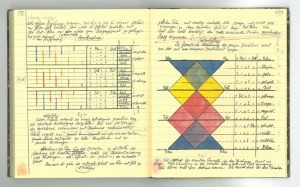
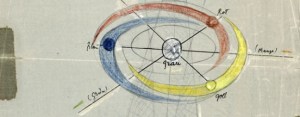
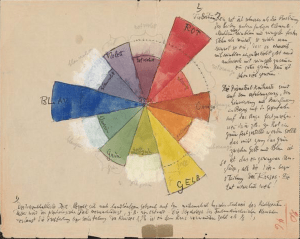
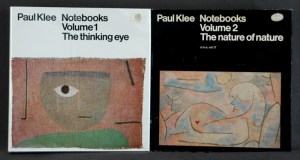
3,900 Pages of Paul Klee’s personal notebooks (1921-1931) are online. I love his art and thoughts on color and really enjoy his works. Klee taught at the Bauhaus in Weimar from 1921 to 1926 and in Dessau from 1926 to 1931. During his tenure, he was in close contact with other Bauhaus masters such as Kandinsky and Lyonel Feininger.

Klee-Notebooks-1 Klee-Notebooks-2 Klee-Notebooks-3 Klee-Notebooks-4


Beautiful Furniture Design From Krakow

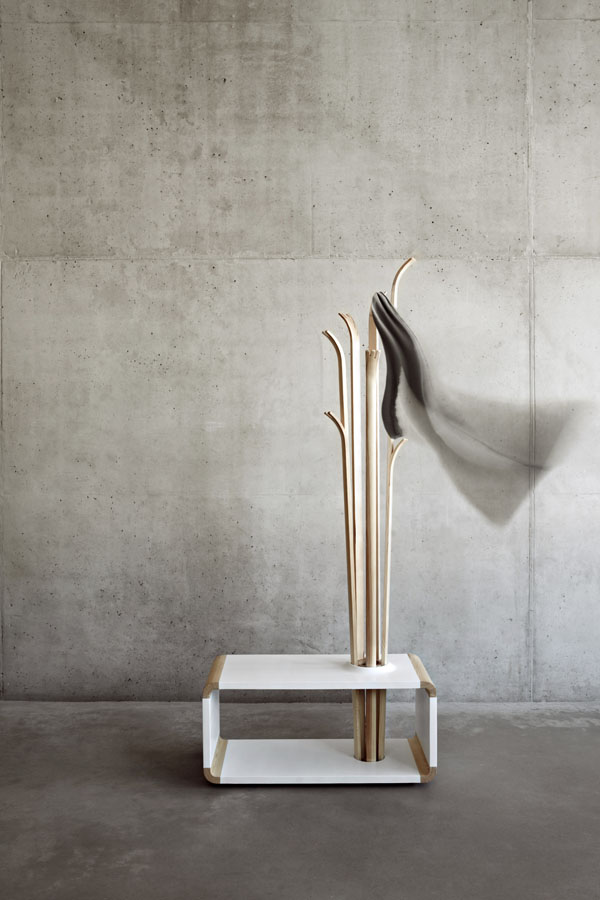
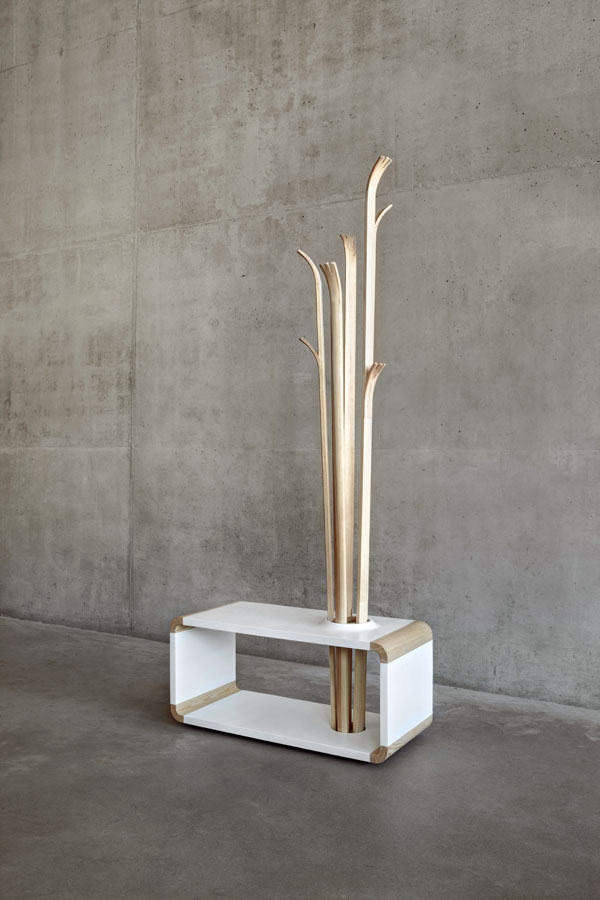
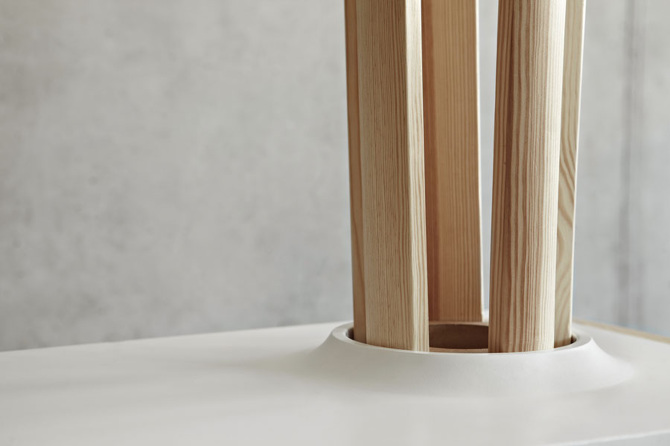
Kraków designer Alicja Prussakowska has designed a coat stand
that’s not only useful but beautiful. Its dual purpose design provides
storage and seating in addition to providing spot to hang your hat.
Made of handcrafted pine with a MDF base, I’d like one of these.
IMG_5557-0 IMG_5597-0 IMG_5435-0 IMG_5491-0 IMG_5450-0 IMG_5465-0

Beautiful Inspiration

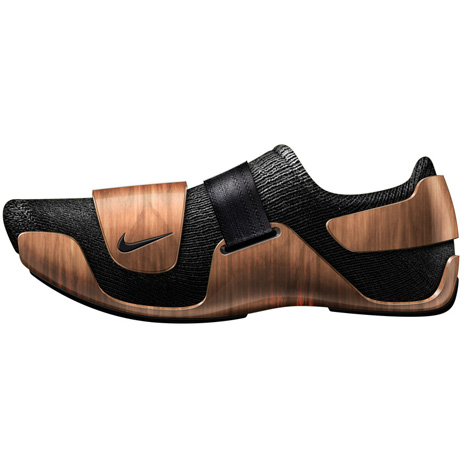
French designer Ora-Ïto has developed a conceptual
trainer with curved veneer sections to reference the
work of Modernist furniture designers
Charles and Ray Eames.

Really, Seriously?
I’ll take the chair over the shoes any day.
Ora-Ito-Nike-shoe-concept_dezeen_sq Lounge-Chair-by-Charles-and-Ray-Eames_dezeen


Beautiful Architecture

I would love to visit China one day just to
experience the amazing architecture much
of which is being designed by Zaha Hadid.

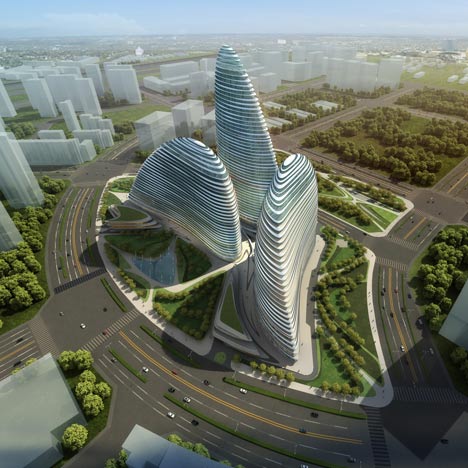
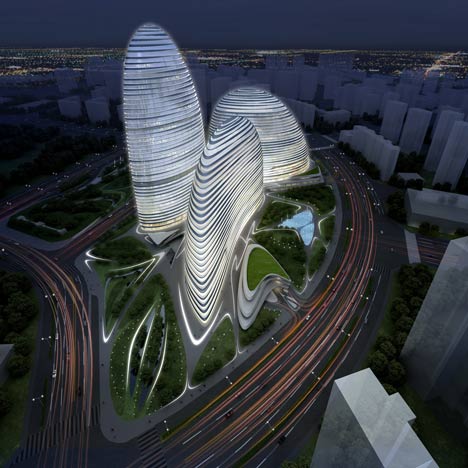
Zaha Hadid’s latest endeavor is the Wangjing
Soho building, a beacon along the journey of
transition to and from the  city. The project
acts as a welcoming entry to the city and a
gesture of farewell when departing Beijing.

The buildings are designed to read differently when
transitioning in either direction, leaving distinctly
different impressions on those who pass by. Like
Chinese Fans, the volumes appear to move around
each other in an intricate dance, each embracing
the other from a continuously changing angle.
ZHA_Wangjing-Soho_04 ZHA_Wangjing-Soho_03 ZHA_Wangjing-Soho_05

Beautiful Bungalow

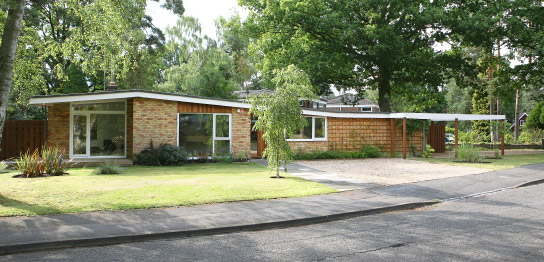
This beautiful Bungalow house designed by architect
Athelstan Whaley as a part Edgcumbe Park resort was
for years owned by a David Weston & Scott Mycock
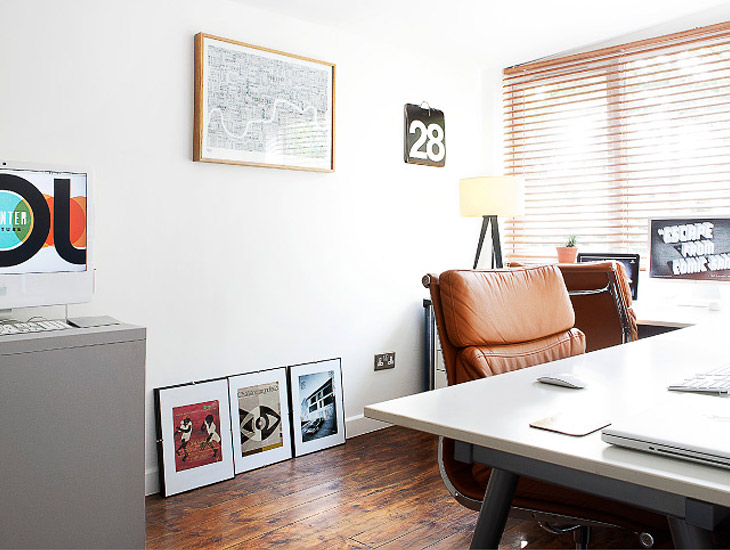
and used as a home and studio.  The house has been
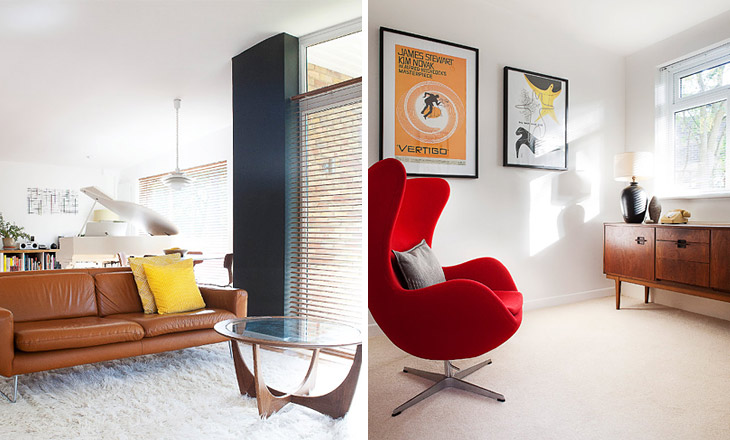
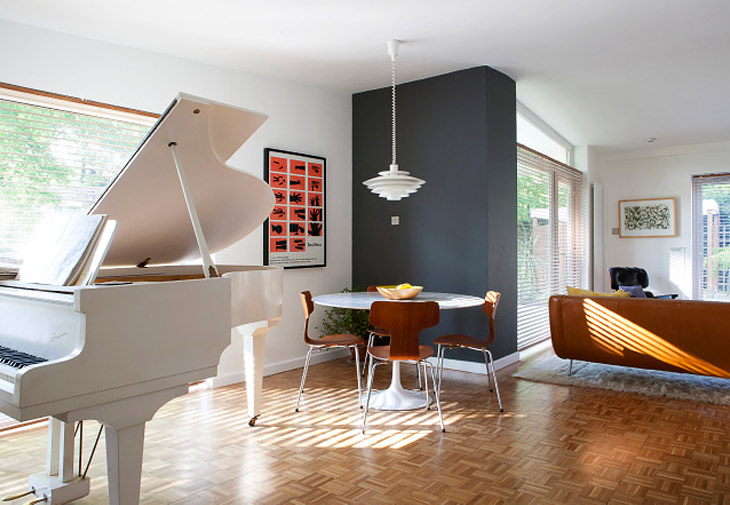
nicely renovated and its design is spot on – classical
modernist posters, iconic mid century modern furniture
like Eames Lounge chair, Noguchi Butterfly stool,
Jacobsen Egg chair  and many others are present.
Interesting fact is that it was also used as a location
for the 1966 film Fahrenheit 451.
1960 bungalow 5-Heathermount-Drive-front-aspect bungalow 1 bungalow ding bungalow living bungalow office

Beautiful Architect

The Invisible Architect of Invisible Architecture

At the height of his popularity, R. Buckminster Fuller,
the visionary inventor best known as the father of the
geodesic dome, was on a mission. Fuller repeatedly
referred to his great friend, the architect Knud Lonberg-Holm
—a “really great architect of the Nysky (New York skyscraper)
age”—whom Fuller said “has been completely unrecognized
and unsung,” and whose “scientific foresight and design
competence are largely responsible for the present world
around the state of advancement of the building arts.”
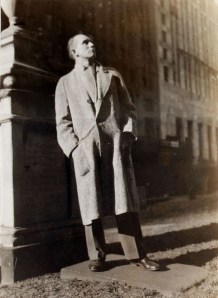
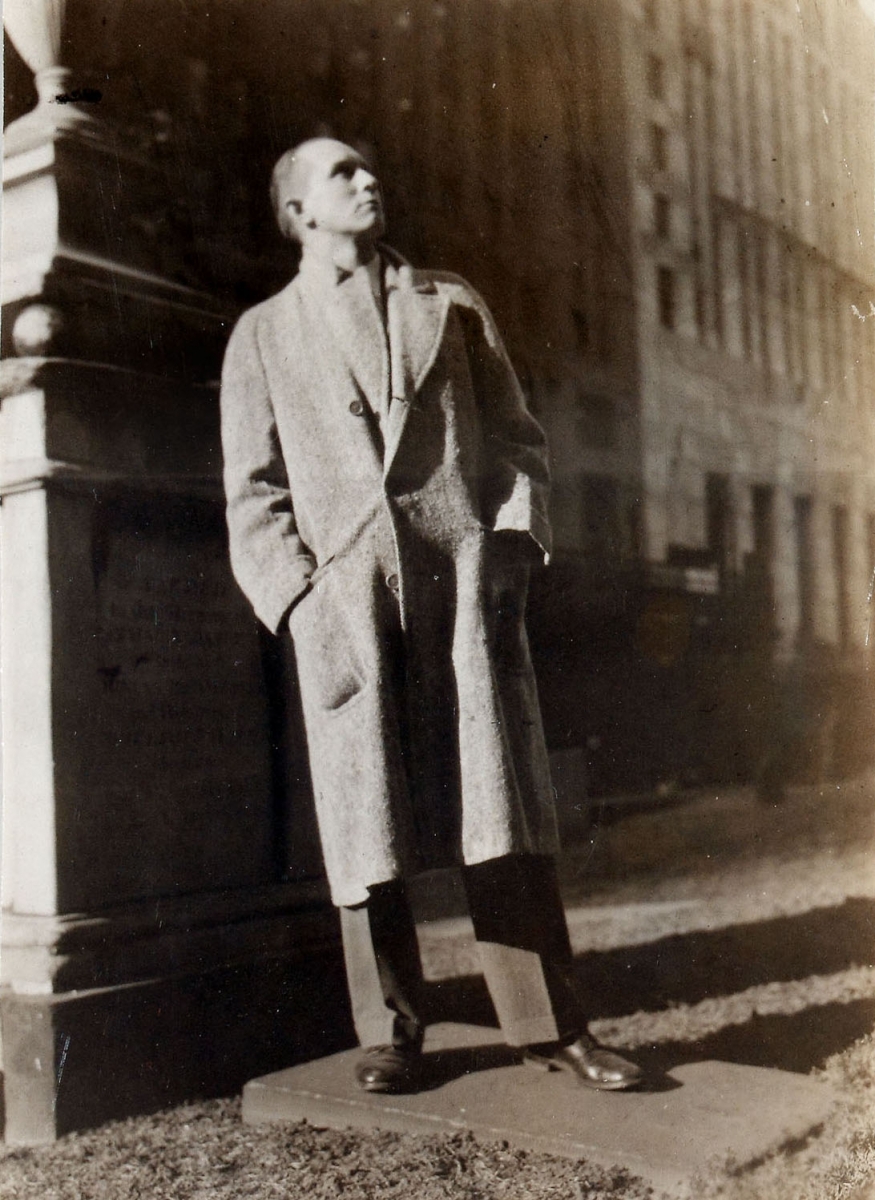
KLH_up_PR_MB2
Knud Lonberg-Holm (1895-1972),
an overlooked but highly influential
Modernist architect, photographer,
and pioneer of information design,
is the subject of an exhibition at the
Ubu Gallery in New York City,
through August 1, 2014.

I stumbled upon a fascinating article about
the architect Lonberg-Holm. He is one of the
most overlooked yet influential architects
of the 20th century.  Knud Lonberg-Holm
told Buckminster Fuller that “the really great
architect will be the architect who produces
the invisible house where you don’t see roofs
or walls,” Fuller explained in House & Garden.
“I’ve thought about this, thought about  it a lot,
the ultimately invisible house—doing more with
less and finally coming to nothingness.”
Lonberg-Holm’s modernity and exquisite
techniques were well ahead of his time.

Read the fascinating article here.
1(86)

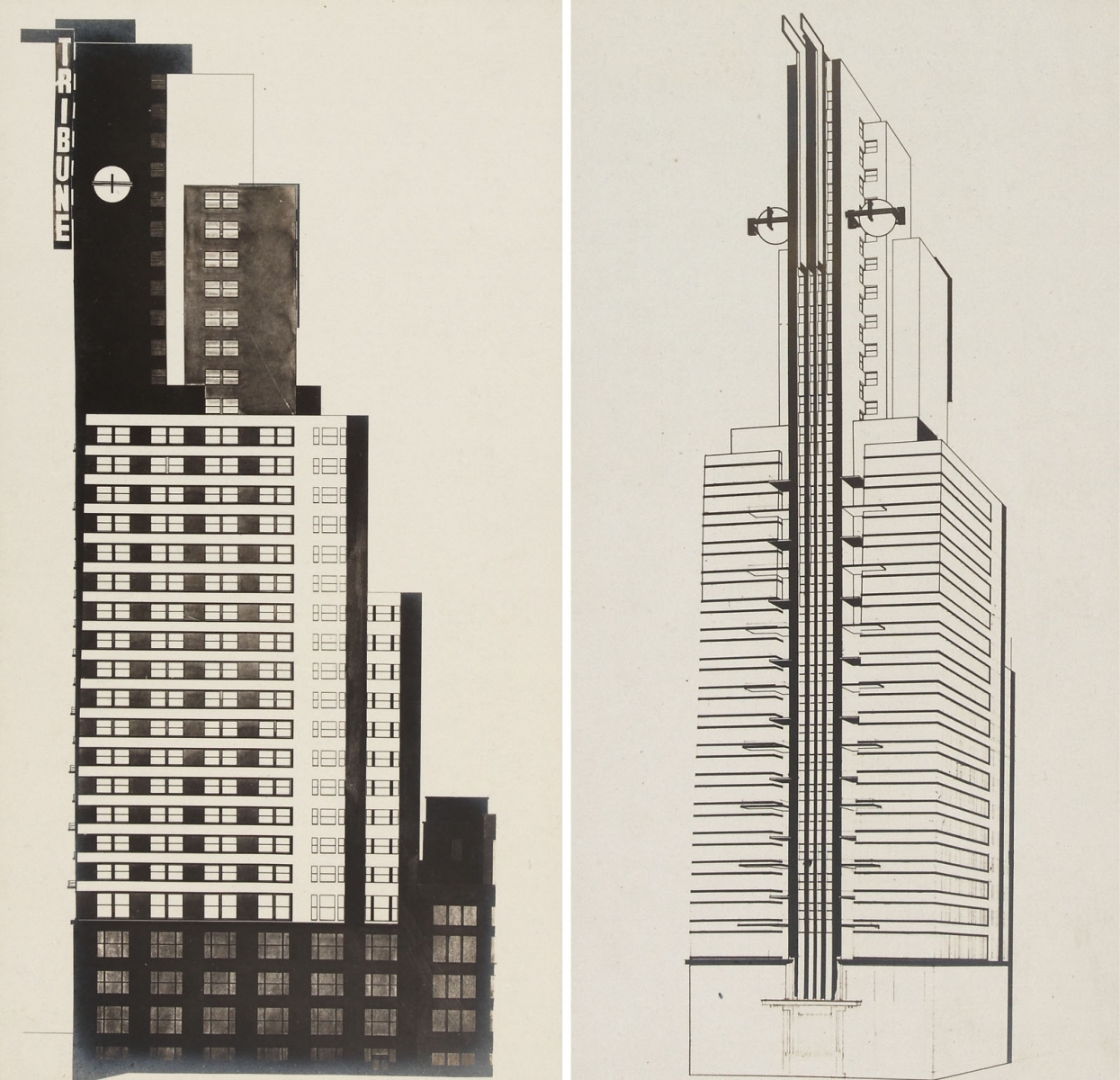
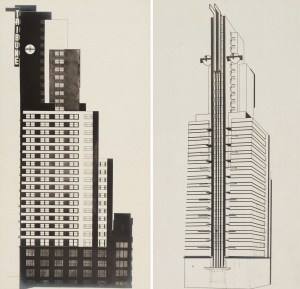
Chicago Tribune Tower
This design of a side elevation for the 1922 Chicago

Tribune Tower competition, by Lonberg-Holm,
favored a functional composition that was devoid
of historical styles. It featured an abstract,
black-and-white pattern to articulate its frame and a
vertical sign spelling “Tribune” in large block letters,
flanked by two round lamps reminiscent of automobile
headlights. Lonberg-Holm never submitted his entry
for the competition, but it was published in a number
of books by avant-garde architects like Le Corbusier,
Walter Gropius, and J.P.P. Oud.
3b(3)

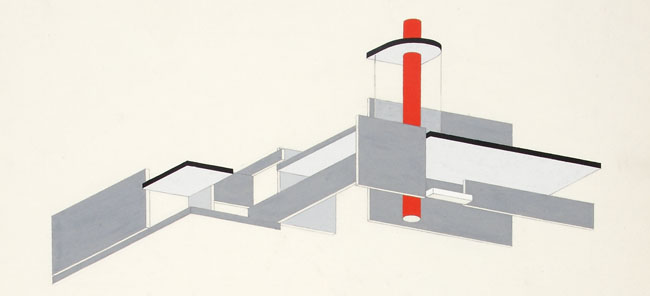
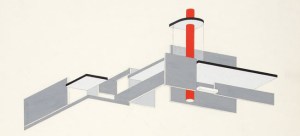
Radio Broadcasting Station, Detroit
This design, ca. 1925, was included in the landmark

1927 Machine Age exhibition—advertised as “the
first International Exposition of Architecture to be
held in America.” The New Yorker critic Muriel Draper
reviewed the project and wrote: “The delicacy and
exquisite technique of execution shown in the plans may
have much to do with it, but a glass tower with a visibly
spiralling staircase took me straight up in the air while
the simple, solid proportions of the building itself kept
my feet on the earth. Pleasant sensation.”
 

Beautiful Lighting Design

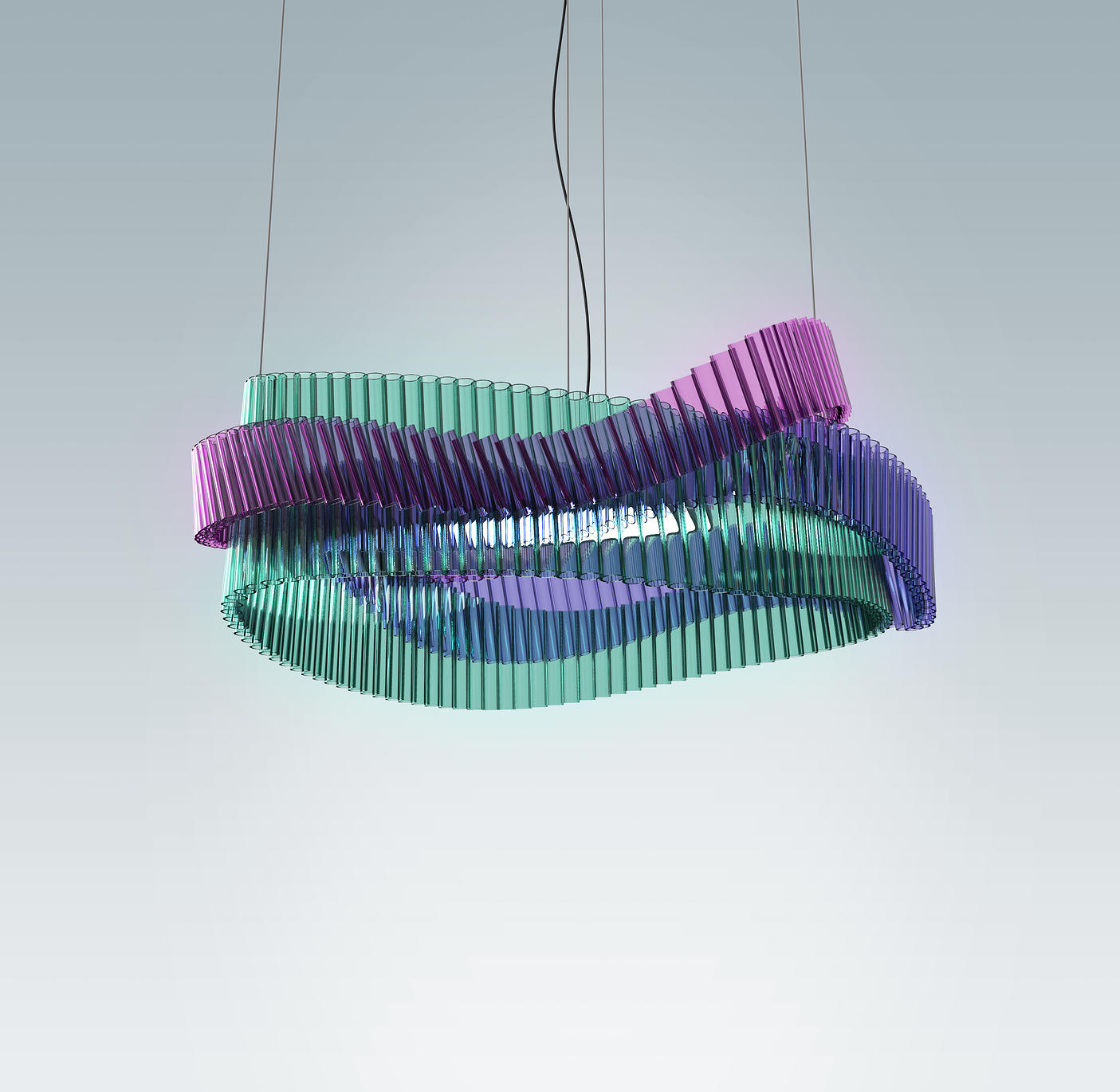
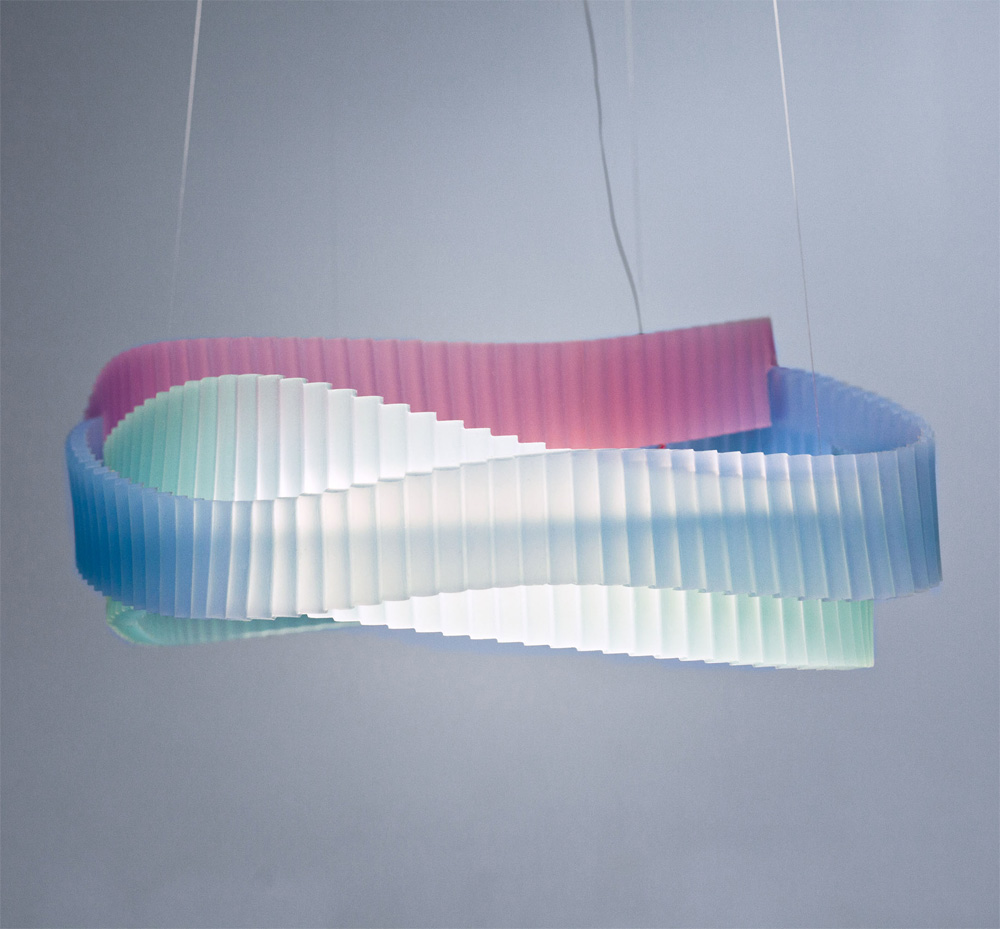
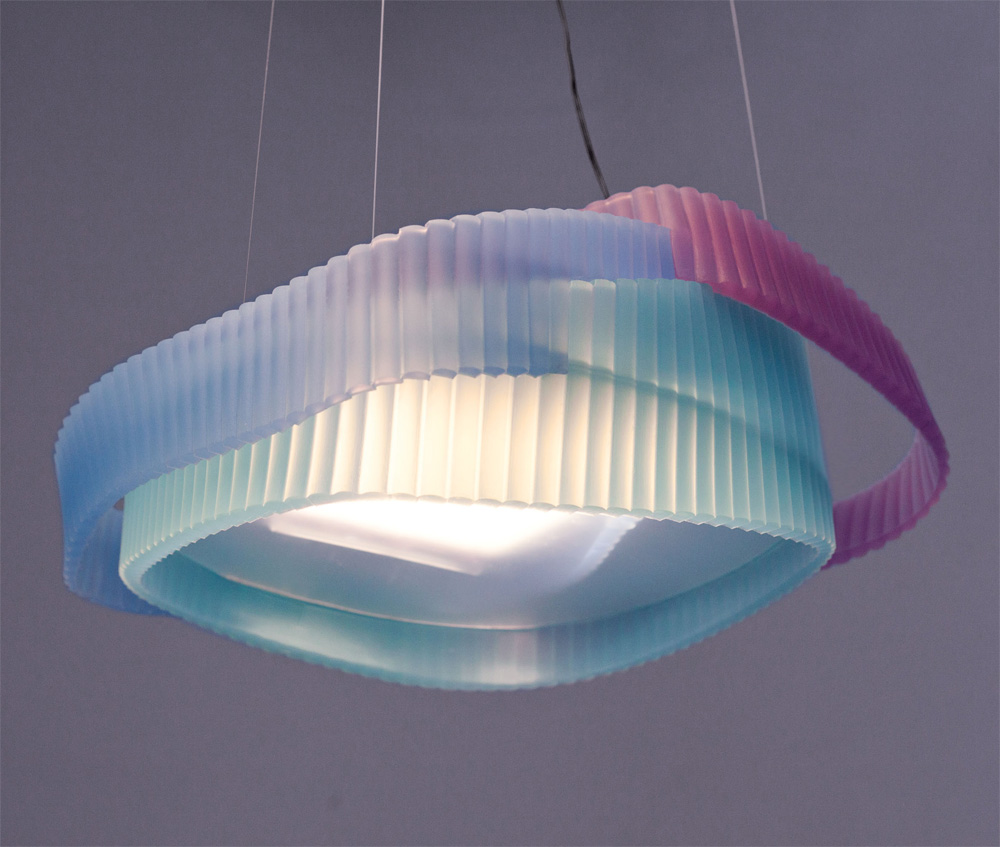
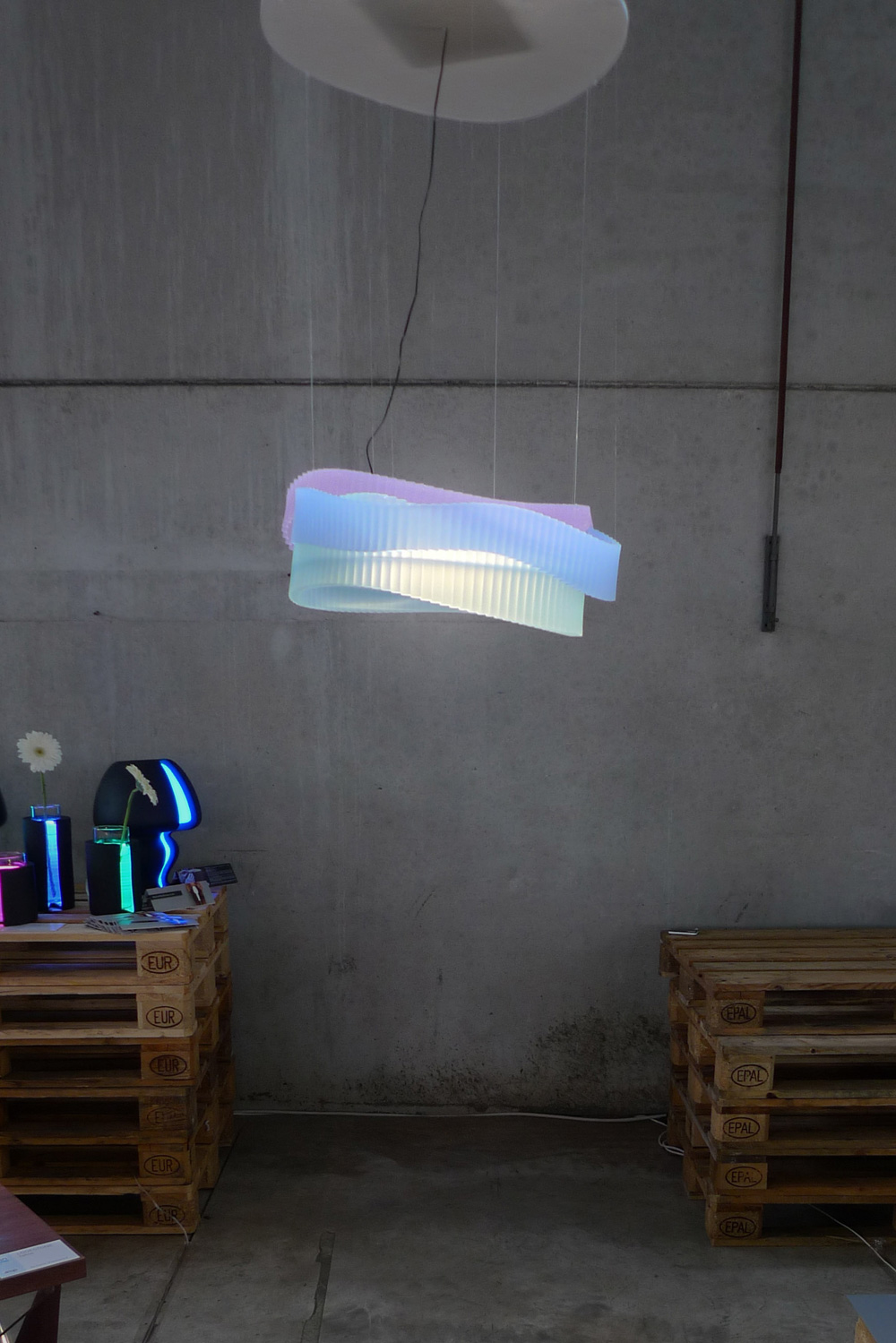
This Symphony Lamp chandelier designed by
Anna Strupinskaya is stunning. The concept of the
chandelier explores the connection between light and
sound waves and their resemblance. Light, color and
sound are visualized in three interlaced spatial ribbons.
The ribbons of translucent silicone imitate rows of
tubes that contribute to the perception of the musical
instruments theme. Love the translucency and
beautiful color overlaying effects.
ce29cb_d1cea2813f0e7d9520822fdc90130578_jpg_srz_1405_1370_75_22_0_50_1_20_0 symphony_lamp_anna_strupinskaya_alexey_ivashkevich_2 symphony_lamp_anna_strupinskaya_alexey_ivashkevich_4
symphony_lamp_anna_strupinskaya_alexey_ivashkevich_3 symphony_lamp_anna_strupinskaya_alexey_ivashkevich_5

Beautiful Architecture

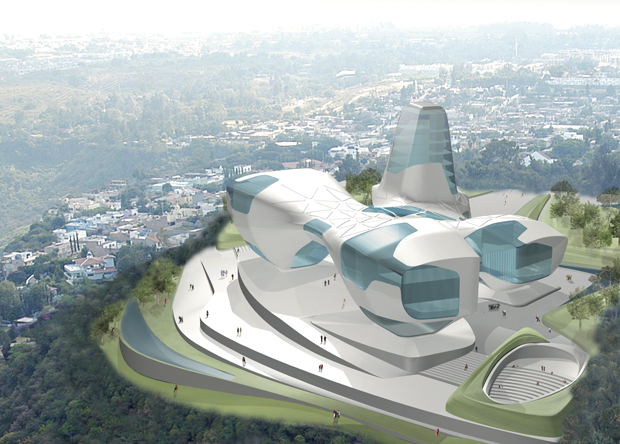
Asymptote’s proposal of the Guggenheim in Guadalajara
competition imagined the museum as an undulating
mass rising from four sculptural corner volumes,
with a central atrium acting as an “urban balcony.”

While they lost to Enrique Norten, their surprising
proposal has since been attracting attention and
acclaim. With a strong, iconic architectural expression
on a spectacular, clifftop site, the diaphanous specter
seemingly hovers like a spaceship. It is touted by the
architects as a space that performs simultaneously as
a “dramatic viewing platform, a gateway, a gathering
place, an urban theater and an outdoor exhibition space.”
GGD_R002  GGD_R009