Museums like the Guggenheim and the Louvre are ingrained in our culture and are best known for their impressive collections and beautiful architecture. These institutions often make it onto top museum lists, and for good reason. People love them, but I’m here to introduce you to some lesser-known, but equally noteworthy museums that are architectural marvels in their own right. From science and technology to art and history, these modern galleries from around the world are works of art that you can admire without even setting foot inside.
THE ROYAL ONTARIO MUSEUM in Toronto, Ontario
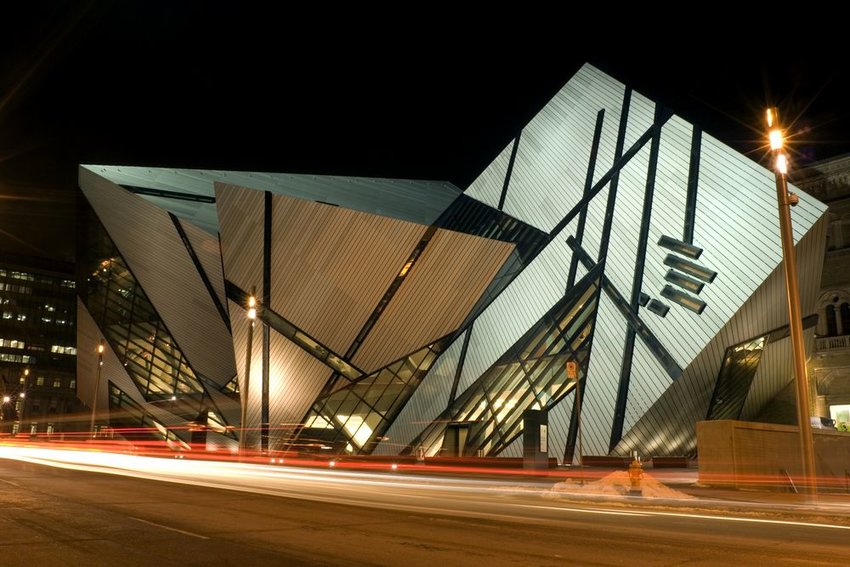
Visit the largest museum in Canada during your next trip to Toronto. The Royal Ontario Museum features exhibits of art, world culture, and natural history and attracts more than one million visitors every year. The historical buildings of the existing structure are complemented by a bold new façade of prismatic glass and metal. According to Studio Libeskind, the architectural firm in charge of the project, the crystal-like atriums presented unique design challenges making it “among the most complicated construction projects in North America.” Besides the impressive multi-million dollar expansion, other reasons to visit include the museum’s vast collection of archaeological specimens as well as its array of design and art pieces.
LOUIS VUITTON FOUNDATION in Paris, France
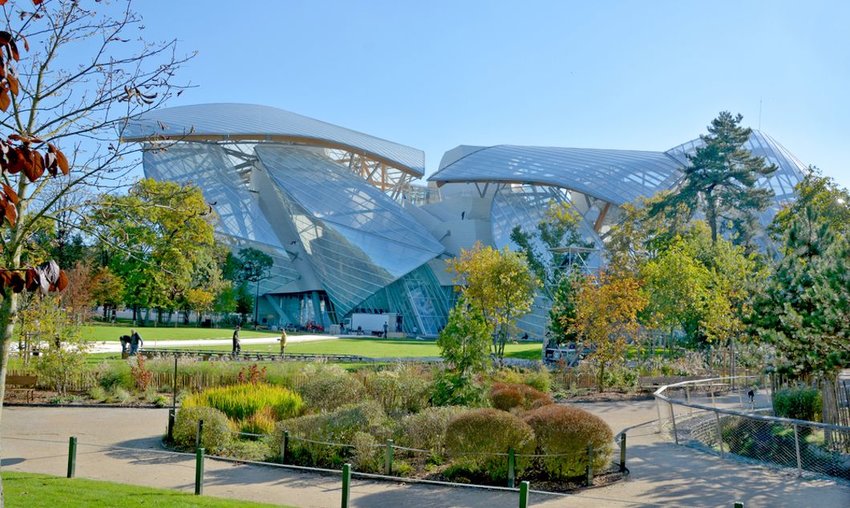
Since 2014, the Louis Vuitton Foundation’s art museum in Paris has introduced visitors to exhibitions promoting modern and contemporary artistic creation. The museum is a production of world-renowned architect Frank Gehry. Its design presented builders with unprecedented technical challenges, namely its clustered white blocks (that the team called icebergs) and twelve glass “sails” supported by wooden beams. The interior design is just as impressive as the exterior — opening up to vast, lofty halls with plenty of natural light. The glass walls and ceilings not only provide epic views of downtown Paris from top floors but also play with the museum’s artwork through light, mirrors, color, and more.
MILWAUKEE ART MUSEUM in Milwaukee, Wisconsin

Located on the coast of Lake Michigan in downtown Milwaukee, Wisconsin is one of the largest art museums in the United States. The Milwaukee Art Museum is home to nearly 25,000 works of art including an extensive Georgia O’Keeffe collection. The museum is comprised of three buildings including the War Memorial Center, Cudahy Gardens, and the Quadracci Pavilion — the iconic glass building that opened in 2001. The 90-foot glass ceiling features a 217-foot moveable, wing-like screen that unfolds twice daily. Called the Burke Brise Soleil, these “wings” open at 10 in the morning, flap at noon, and close when the museum closes. The pedestrian suspension bridge conveniently connects the museum to the city.
MIHO MUSEUM in the Koka Forest, Kyoto, Japan

Located in the dense forest of Koka near Kyoto, Japan, the MIHO Museum offers visitors a unique architectural experience that blends manmade structures and natural surroundings. Designed by famous architect I. M. Pei, the steel and glass structures of the museum were designed to contrast against the panoramic views of the mountains and valleys below. Visitors first walk through an arched tunnel to reach the museum entrance, which is one of the only above-ground structures in the complex. In an effort to preserve the natural environment, about 80% of the museum is underground. The exhibits at MIHO frequently change with a focus on ancient works from the Egyptians, Romans, and Asian cultures.
MUSEO SOUMAYA at PLAZE CARSO in Mexico City, Mexico

The Museo Soumaya has become a highlight of Mexico City’s art scene with its shimmering, anvil-shaped exterior and impressive art collection ranging from MesoAmerican history to modern day. While the museum technically consists of two buildings, the most popular is the new structure at Plaza Carso, where the primary museum collection was moved in 2011. This nine-story building made of 16,000 aluminum hexagons was designed by Fernando Romero, who commonly focuses on fluidity in his designs. As one of the most-visited museums in Mexico, it’s no surprise that its list of A-list displays is lengthy. Don’t miss the vast collection of artwork by Rodin including the famed sculpture “The Thinker” — a permanent exhibit here.
MAXXI NATIONAL MUSEUM IN ROME, ITALY

The MAXXI National Museum of 21st Century Arts focuses on contemporary art and architecture. Upon opening in 2010, this museum designed by architect Zaha Hadid received a Stirling Prize for architecture by the Royal Institute of British Architects. The massive complex consists of two sections — “MAXXI Art” and “MAXXI Architecture” — along with an outdoor courtyard for large-scale works of art. The interior stairways and walking paths overlap to create an exciting and dynamic environment for visitors. The museum’s most prominent architectural features are its curved, concrete walls and suspended, black staircases. Its interior colors and structures are a nod to the overarching theme of the museum — to promote contemporary art and architecture.








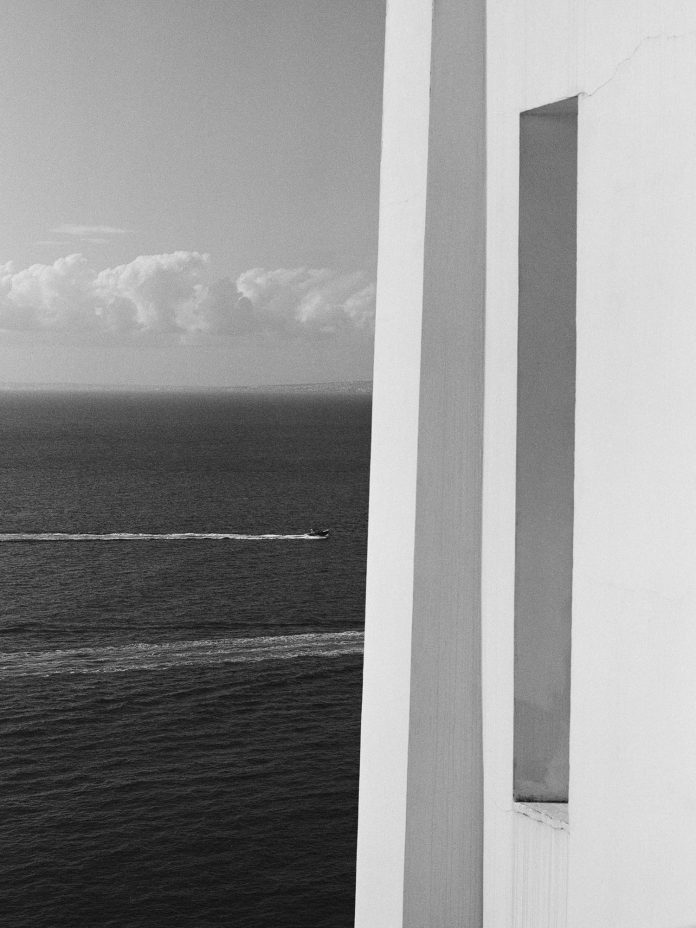
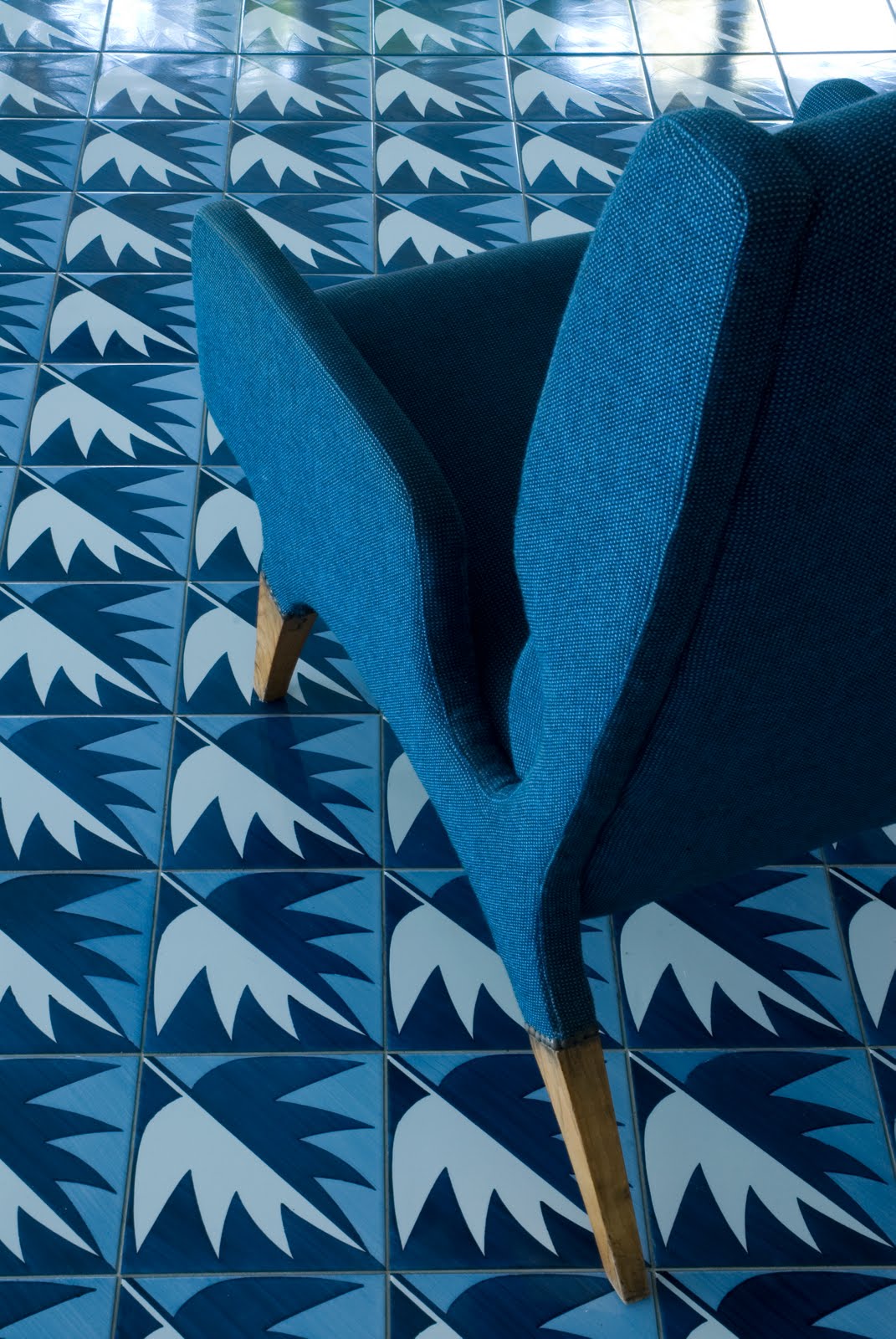
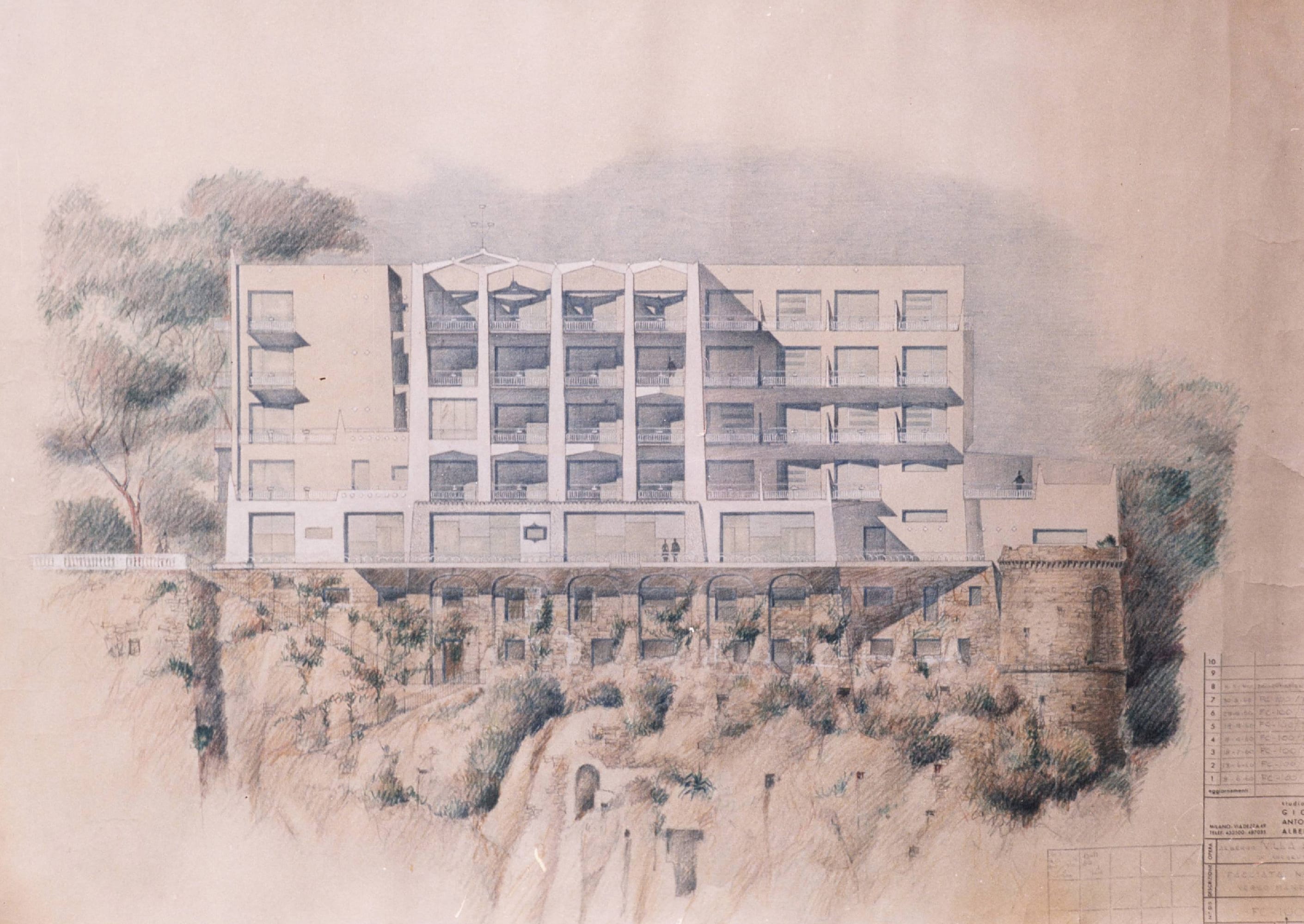
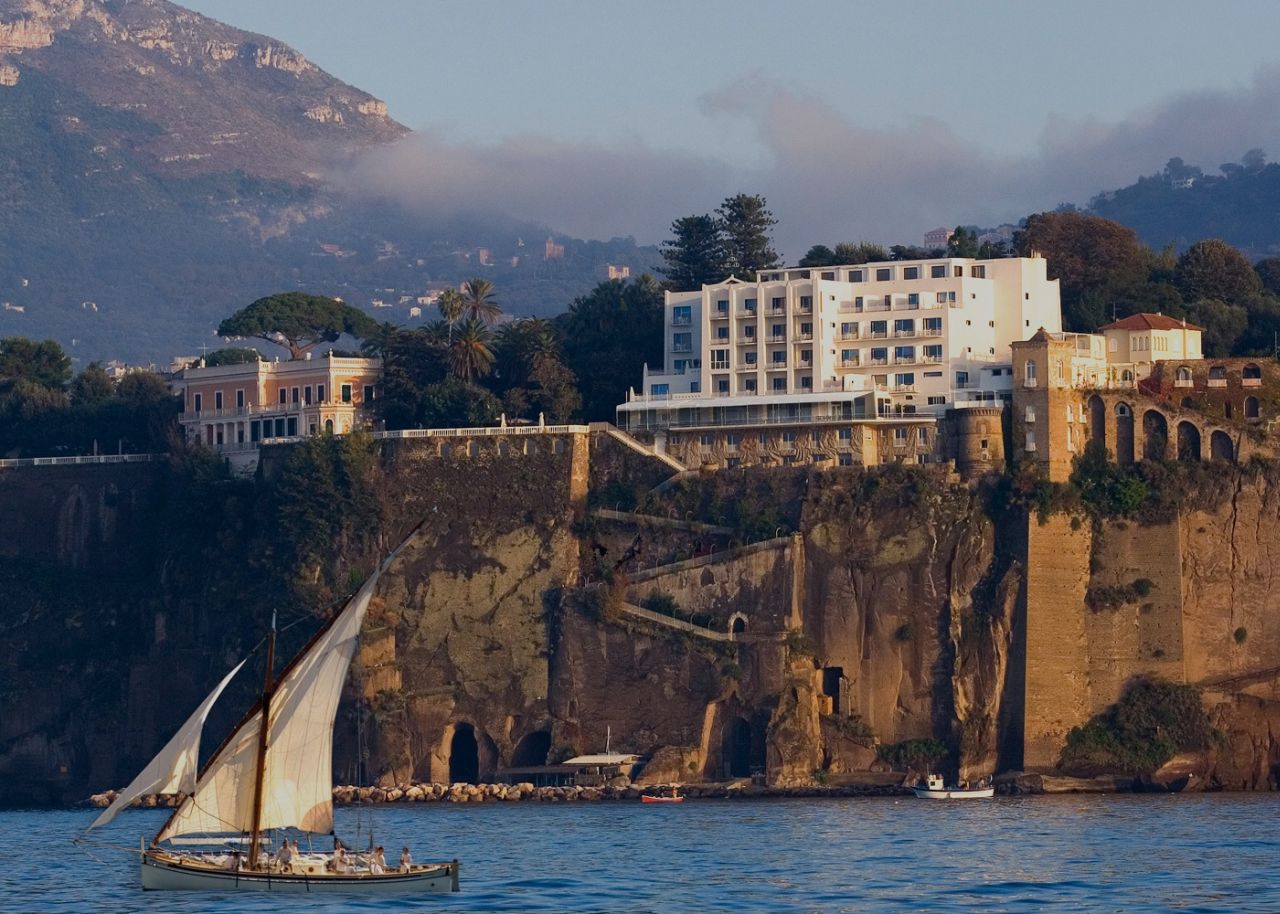
 White concrete frames a square of uninterrupted blue. The cloudless sky, the iridescent Tyrrhenian sea, even the land stretching out either side — pastel-painted Sorrento to the left, Vesuvius to the right — is cast in a haze of blue. An impressionist’s dream.
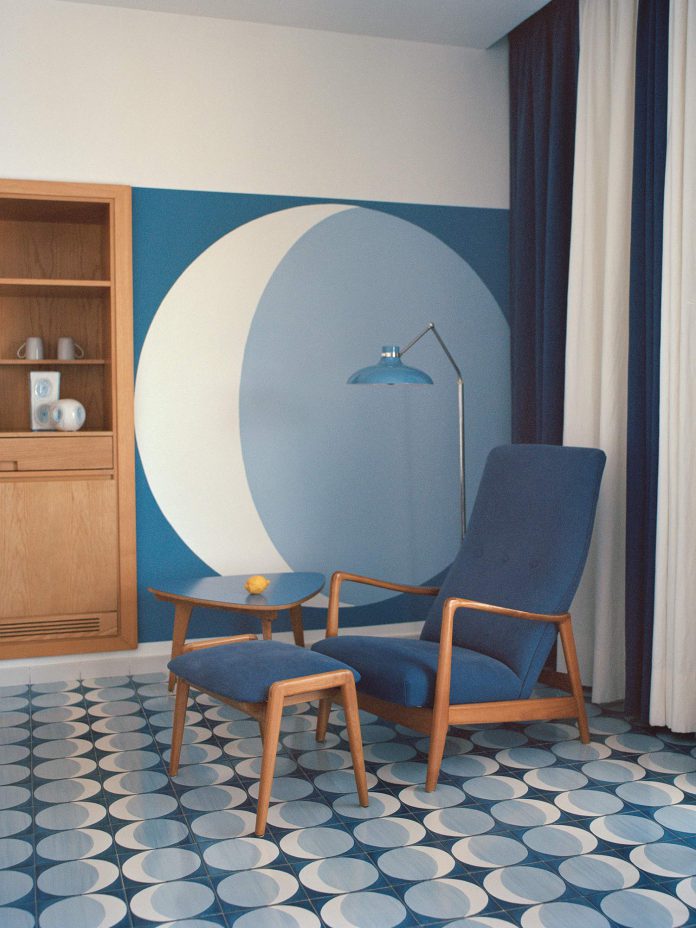
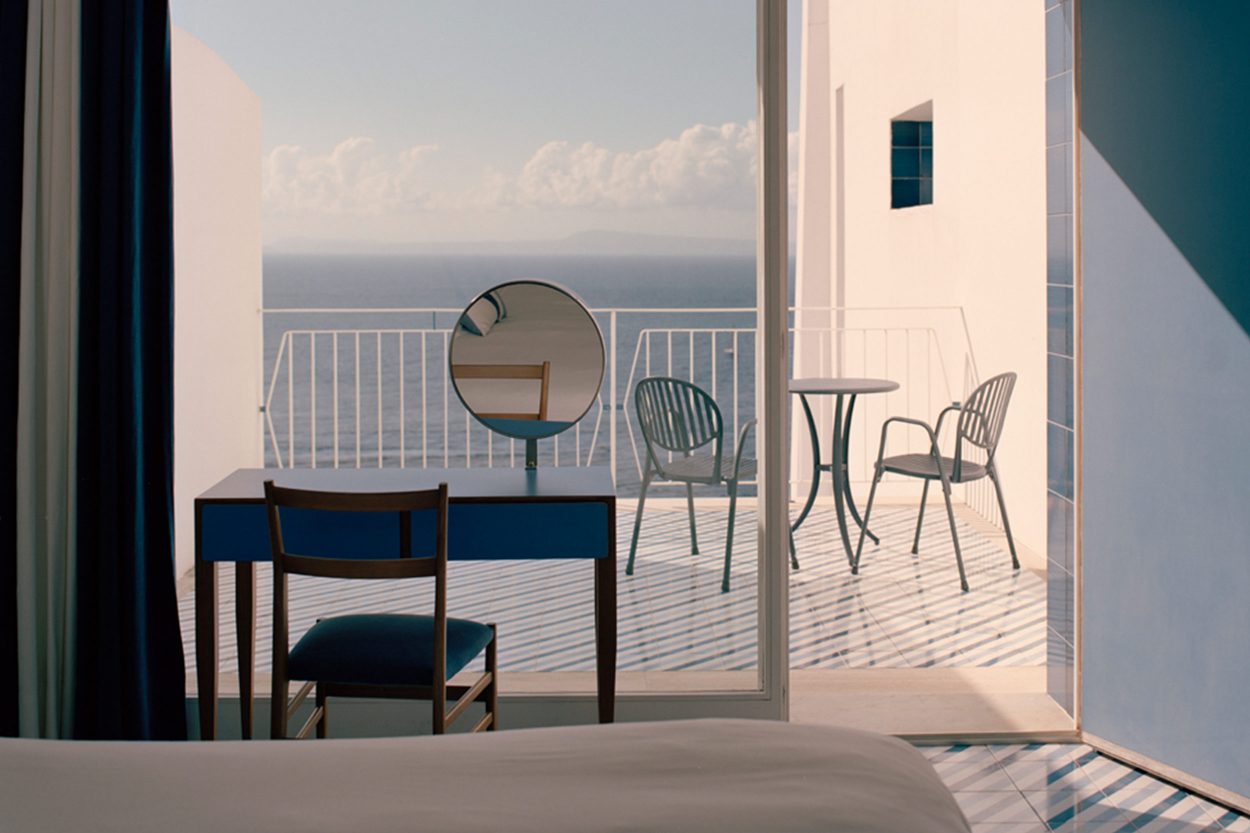
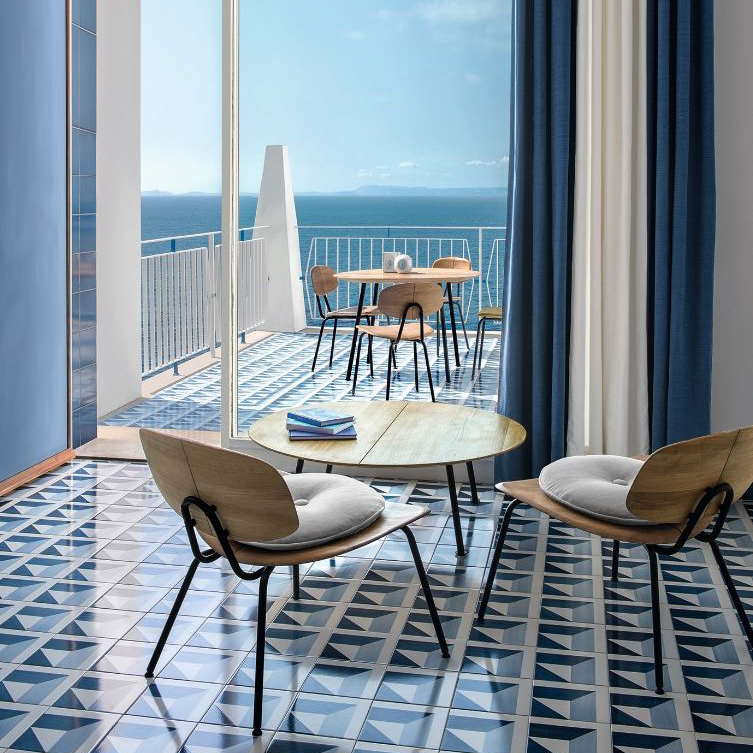
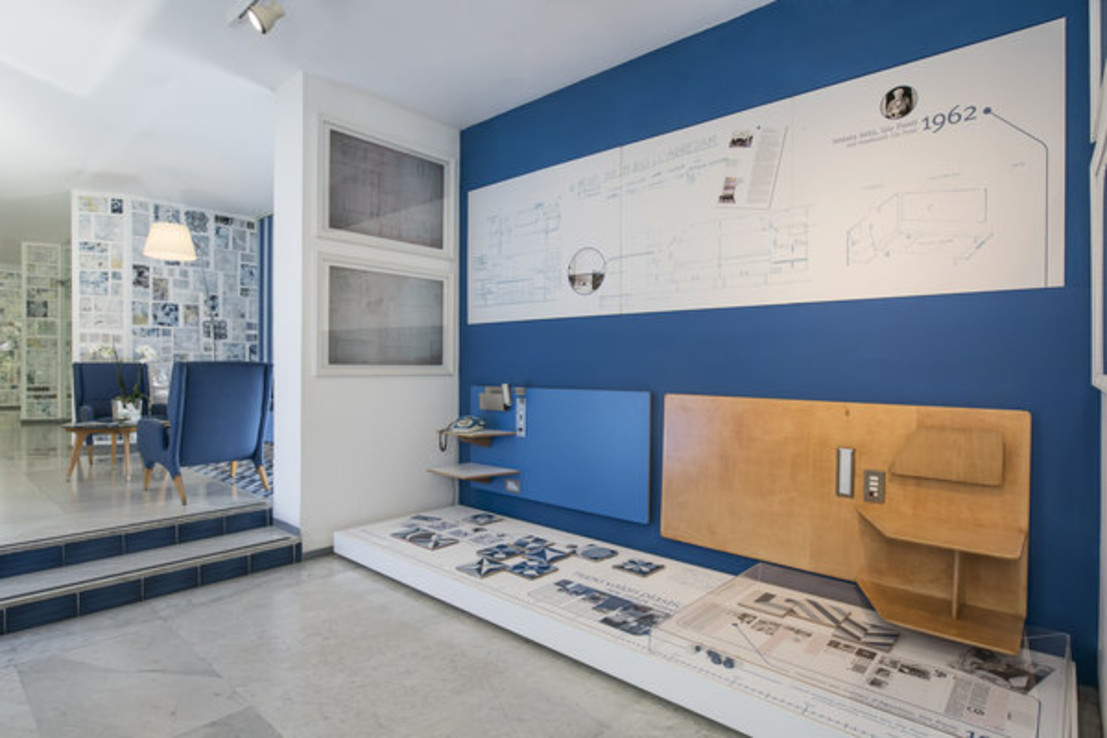
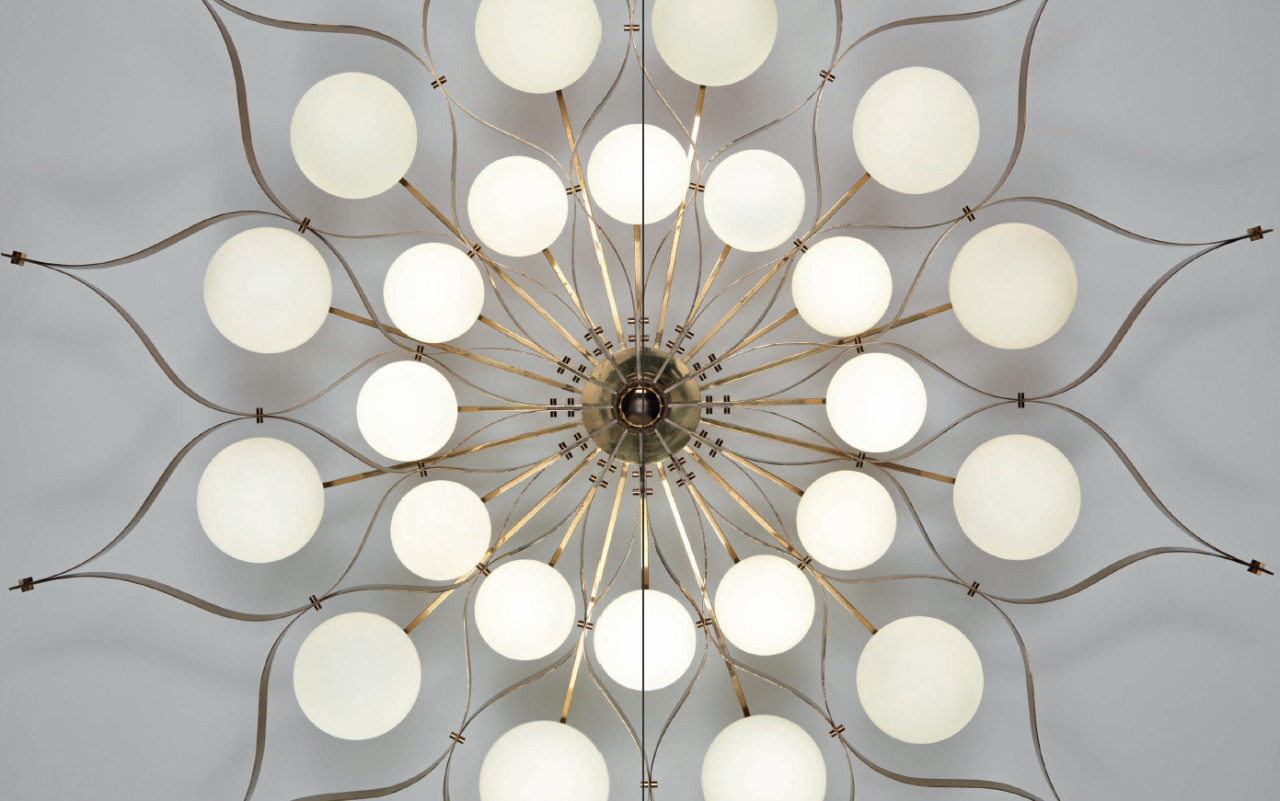
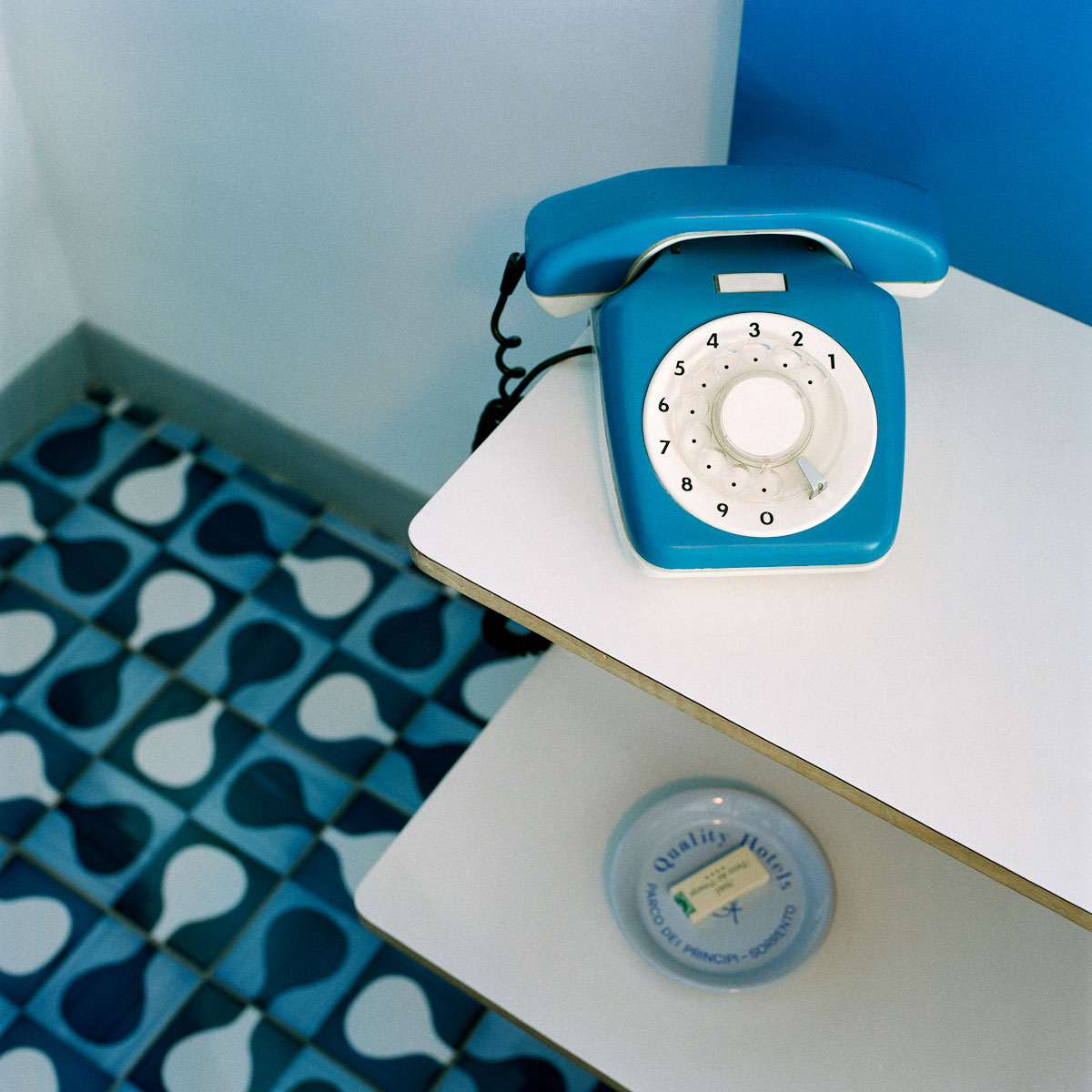
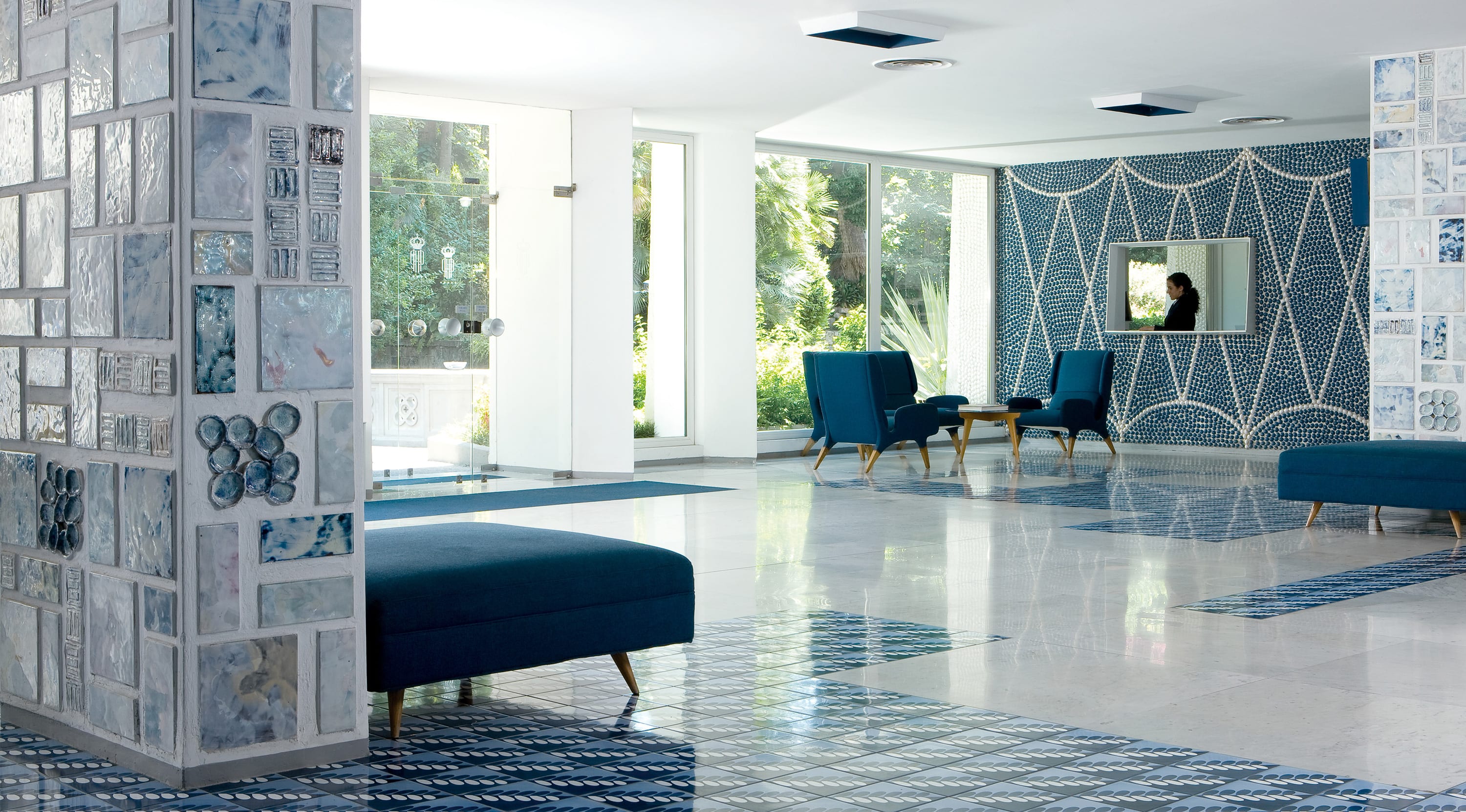 Of all Gio Ponti’s 100-odd buildings, Sorrento is the only hotel where you can still stay, fully immersed in his art — for as well as the building itself he designed every last detail. He was not just an architect, but a designer — of interiors, furniture, industry, cars — an artist and a ceramicist, a writer and a teacher; and at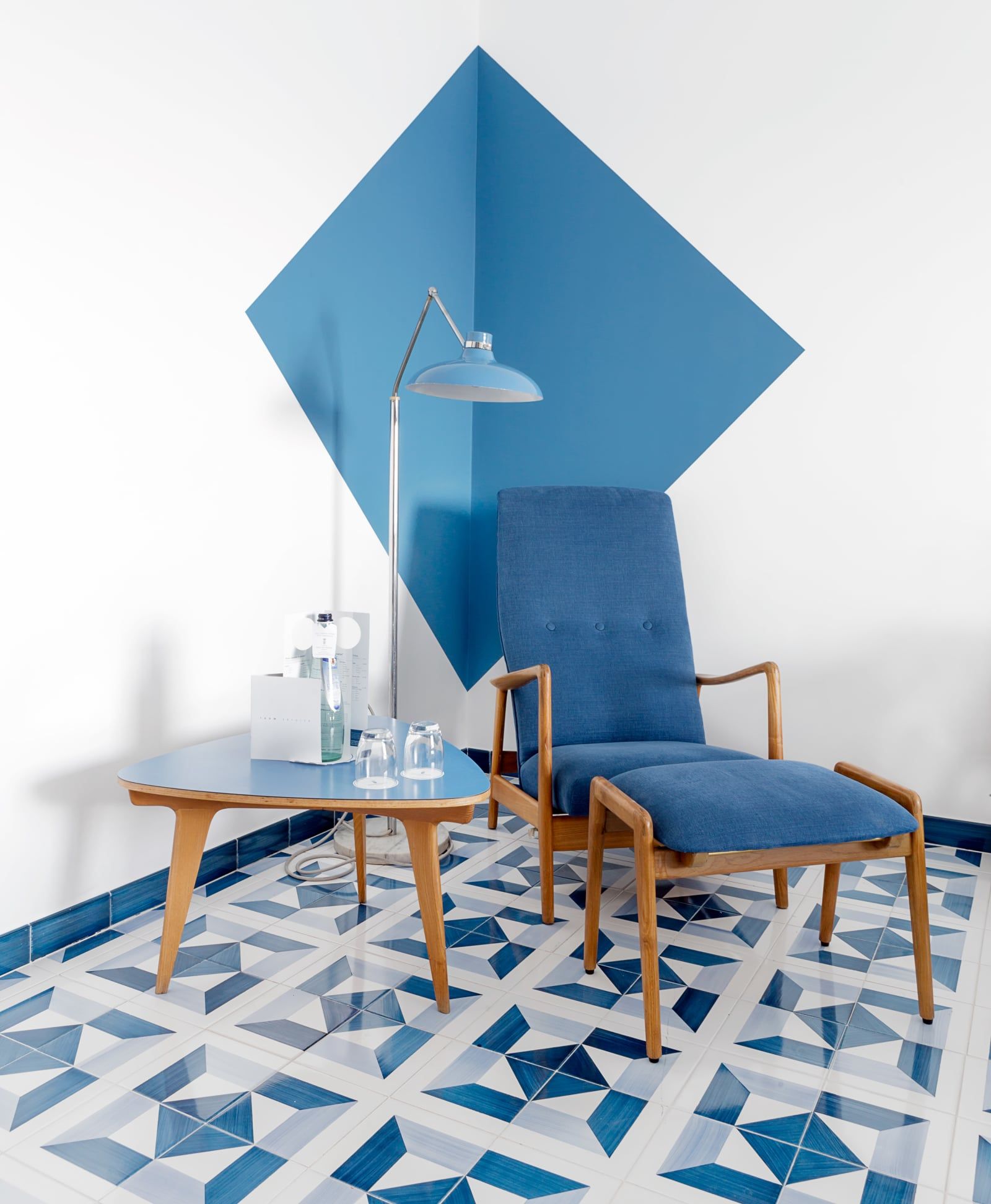

 I love the idea of Old is New Again. I also believe that when we experience global disasters such as the current pandemic, we learn to appreciate history even more – especially Italy.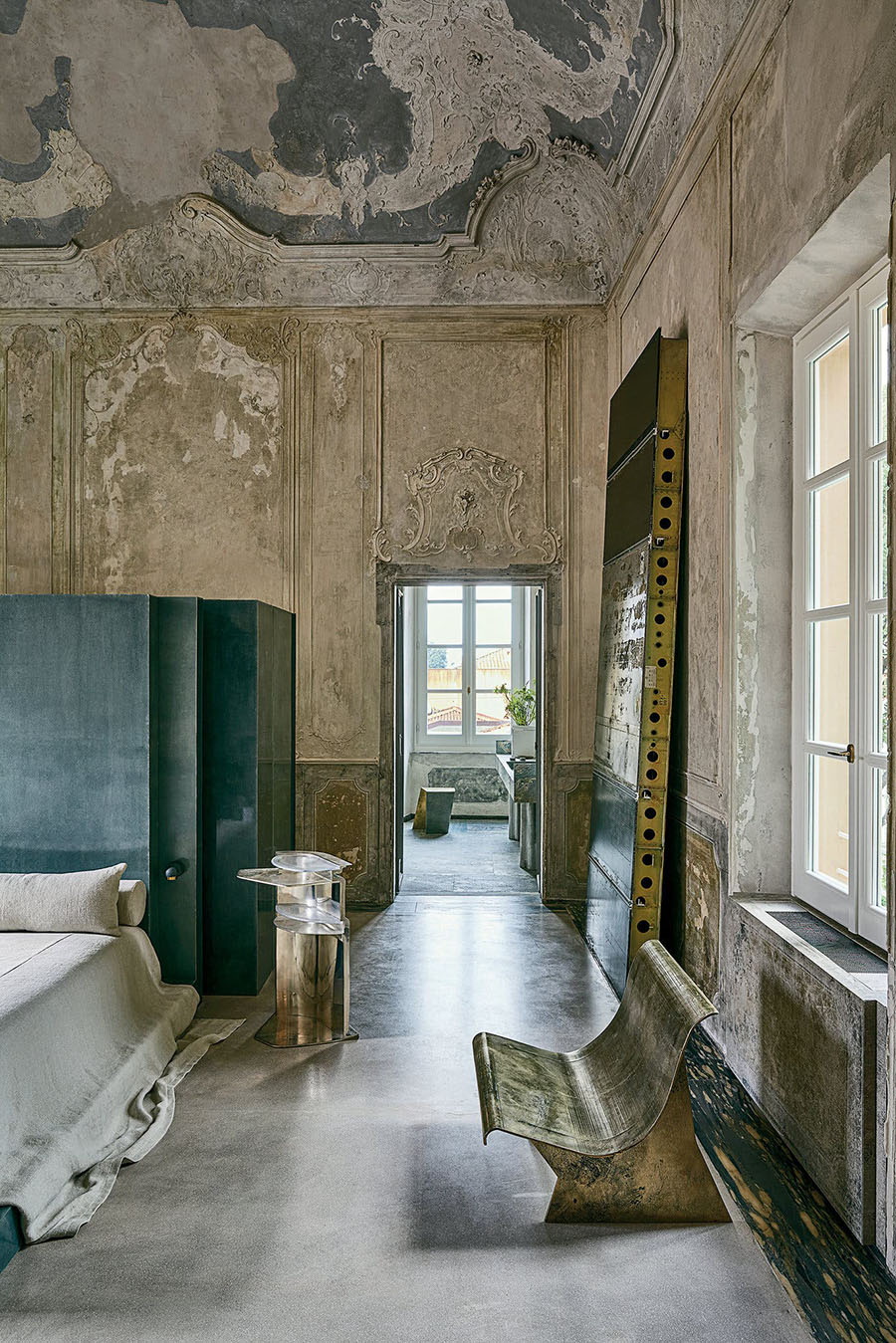
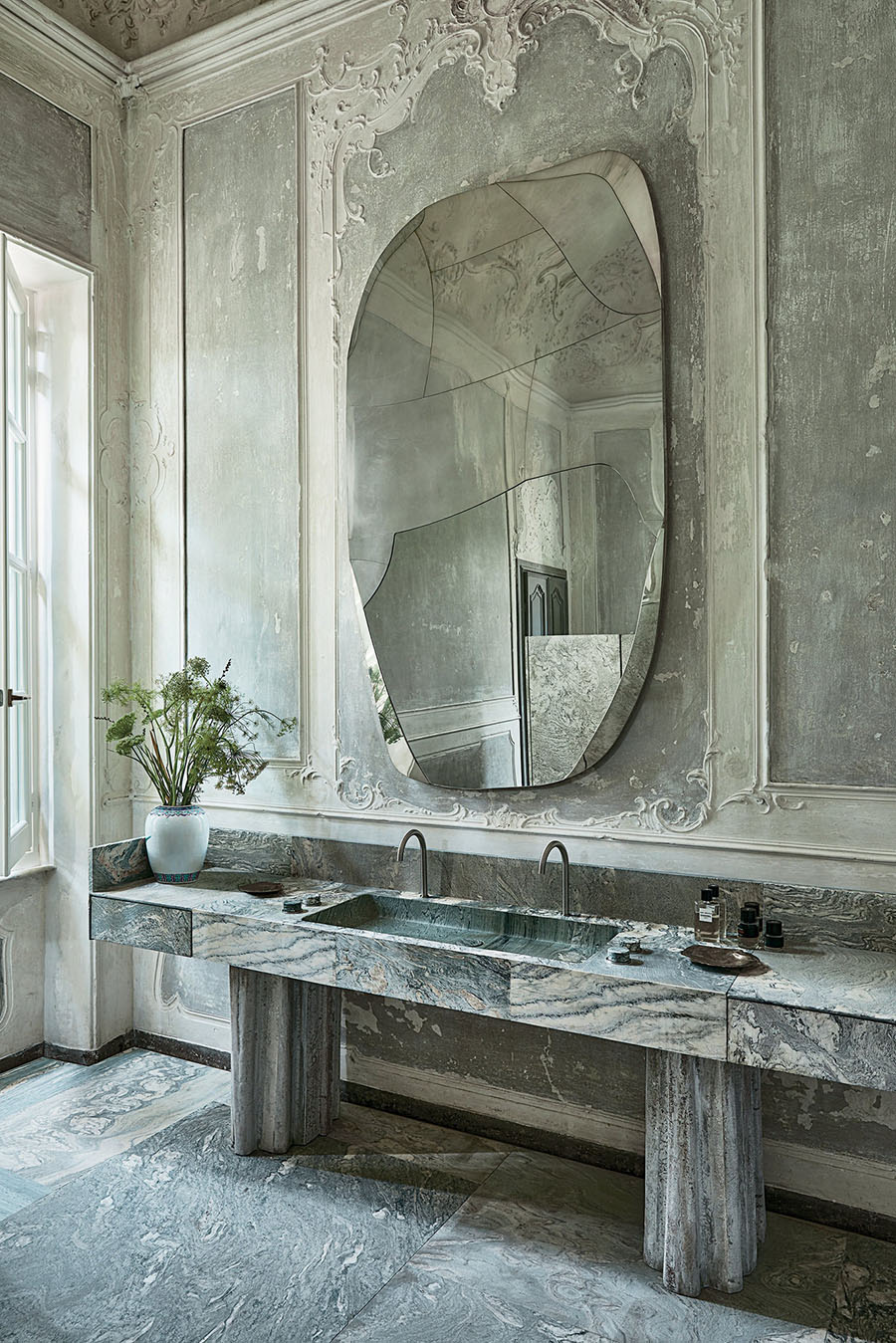
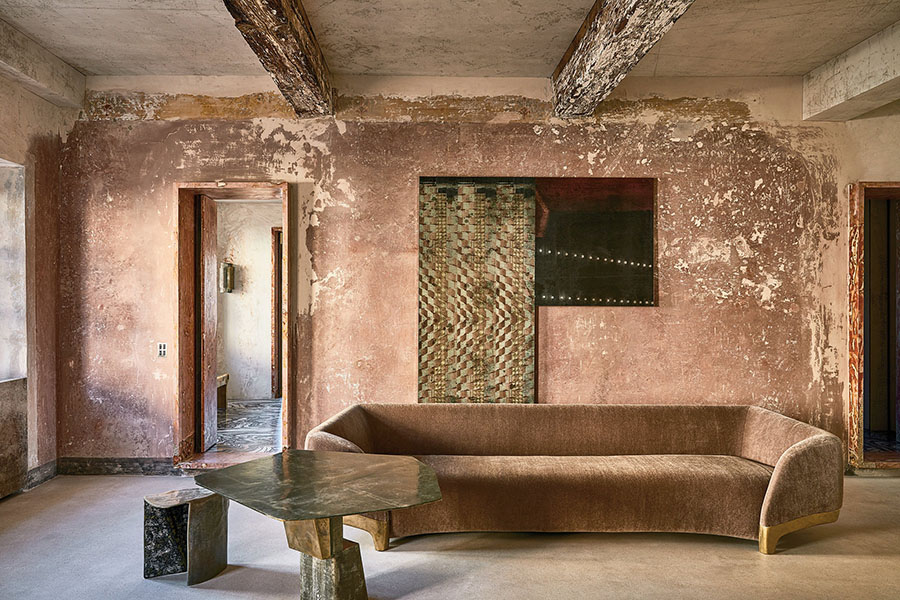 He has overhauled the 5,500-square-foot (510-square-metre) early 18th-century villa in Pietrasanta by the sea in Tuscany, in a grandiose but understated, elegantly distressed minimalist style that is often evident in his palazzo renovations.
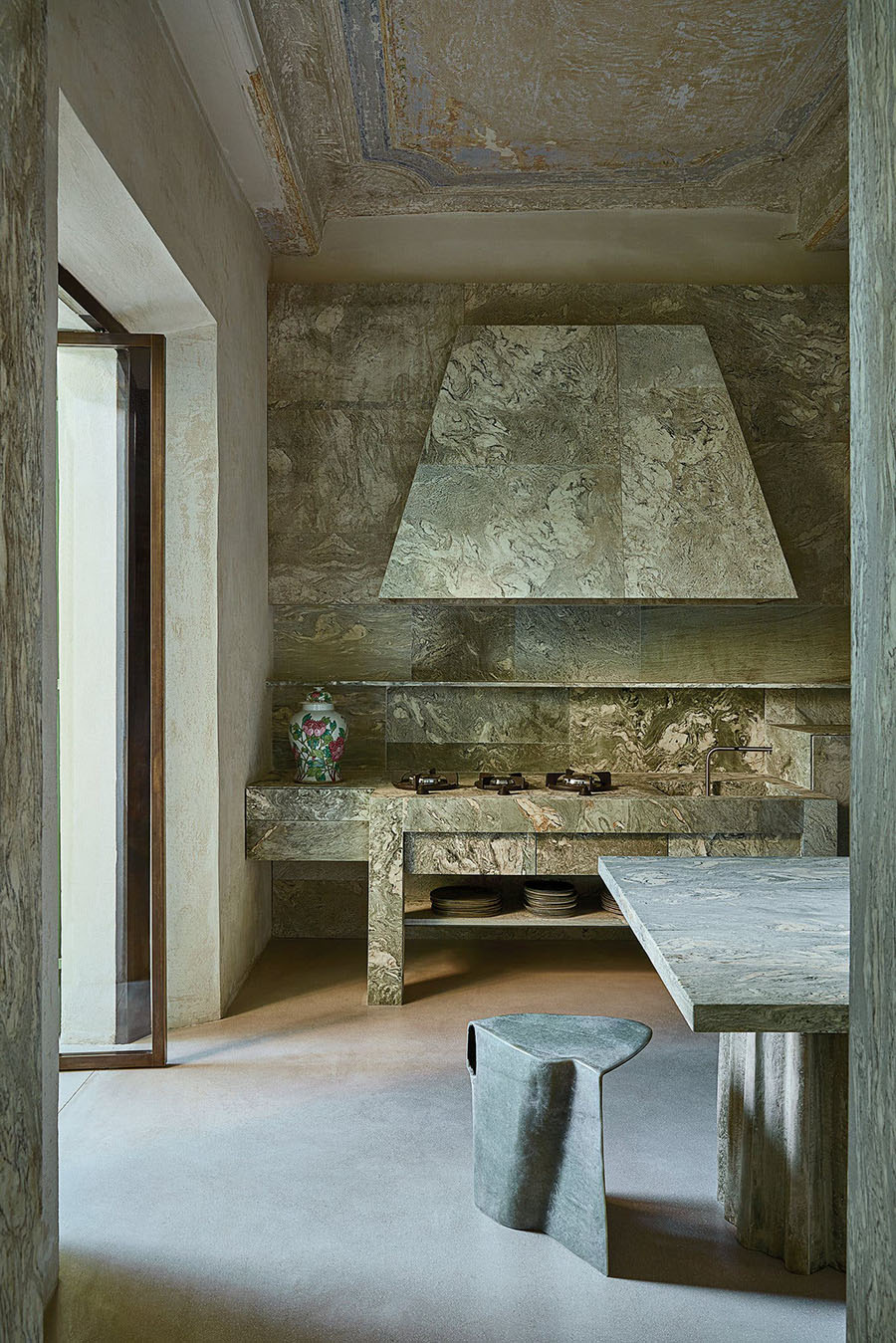 This particular palazzo was built by a local painter, Antonio Digerini, who died in 1889, but it has served many purposes over the centuries including being a cloister and a hotel.
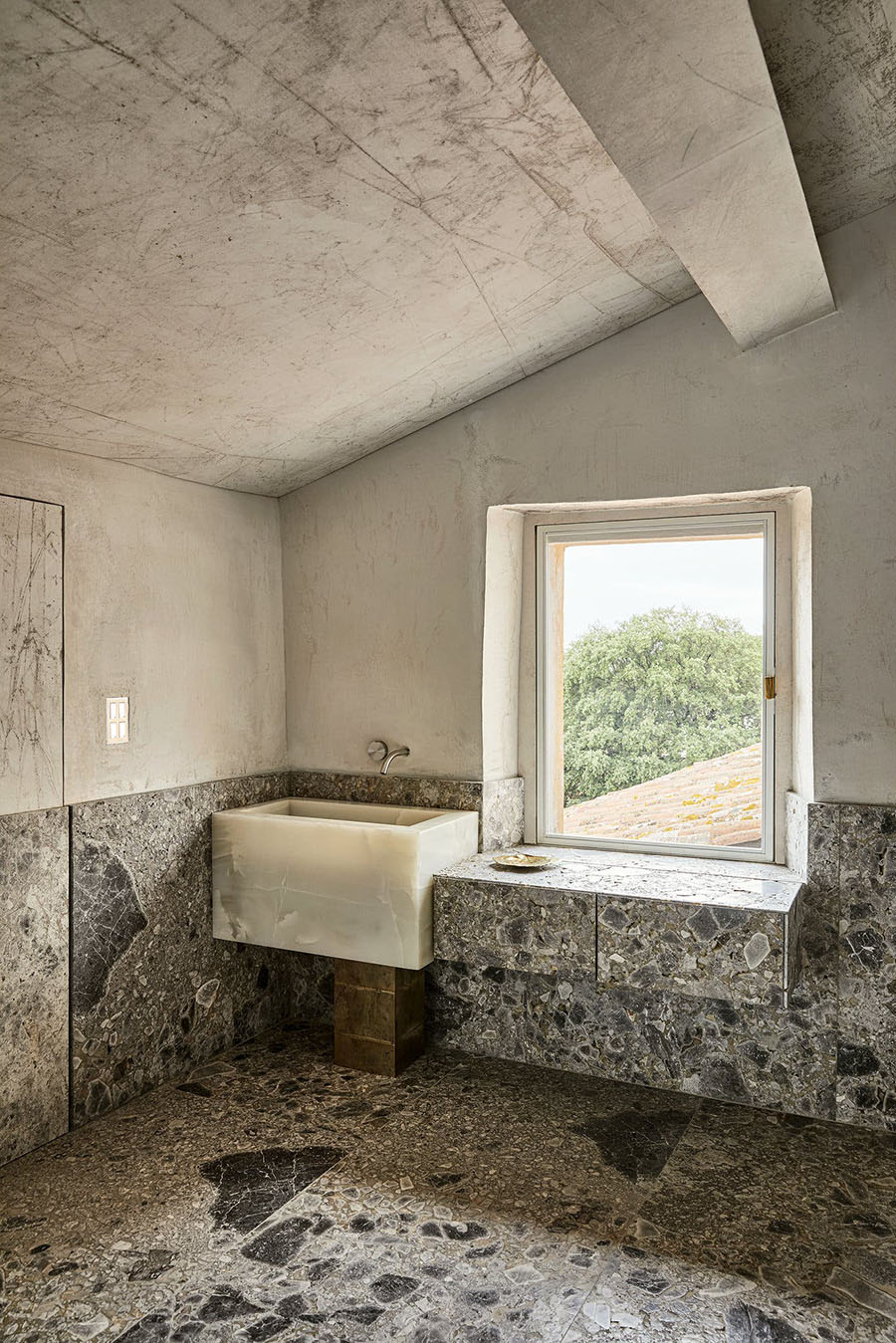 In several spaces, the texture and tone of the patina of the original walls and ceilings is replicated in dyed, gessoed and sanded Belgian linen used for parts of the walls and ceilings. Most of the marble is local as the area is famous for its marble quarries.
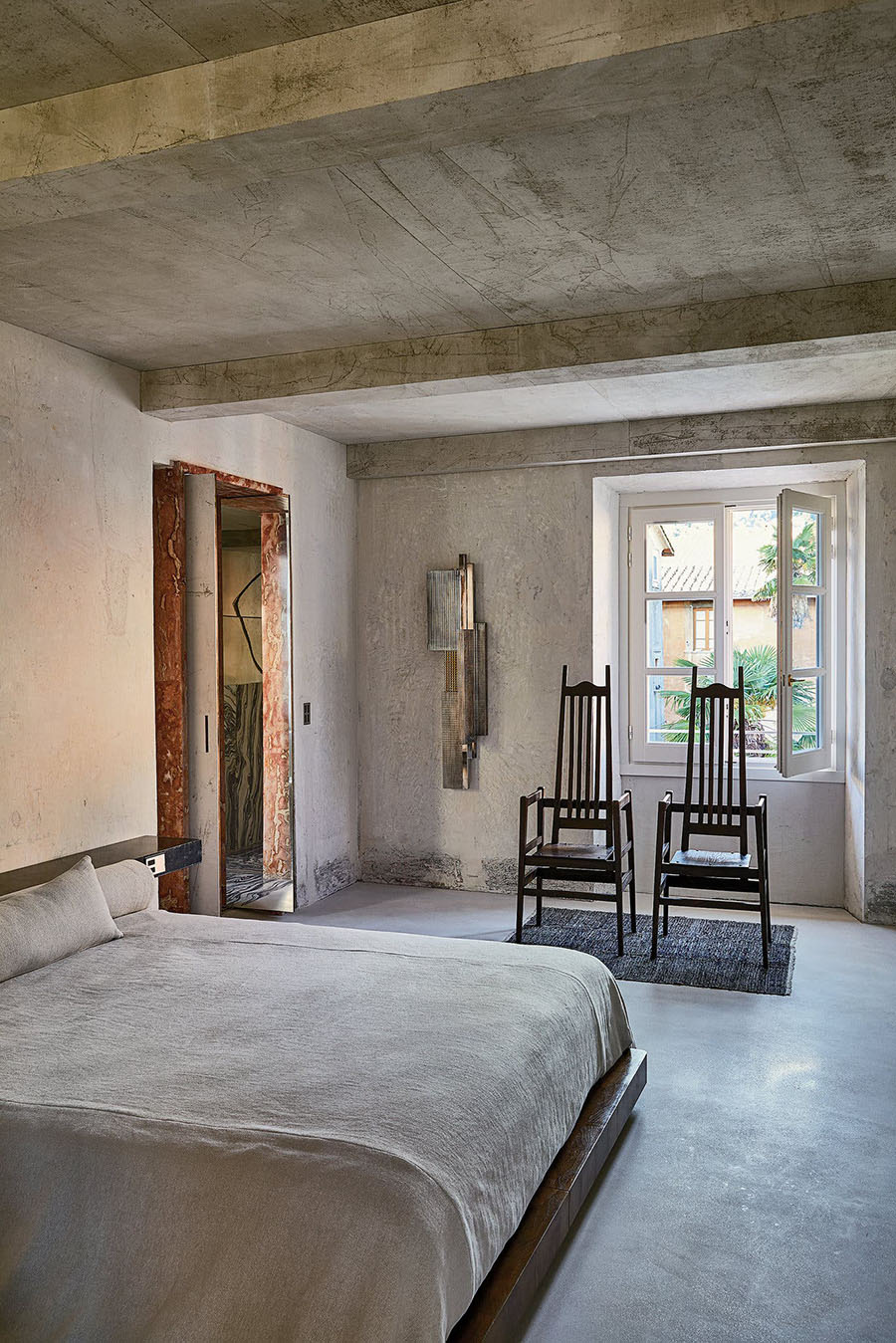 Many of the furnishings and art are of De Cotiis’s own creation and design and although their vibe is futuristic and even slightly brutalist, they fit seamlessly with the villa’s cold-cool ambiance. The balance exudes a sense of calm but in an eerily powerful way. It isn’t cozy or comfortable overall, yet it is inviting and interesting for those of us who love his style.
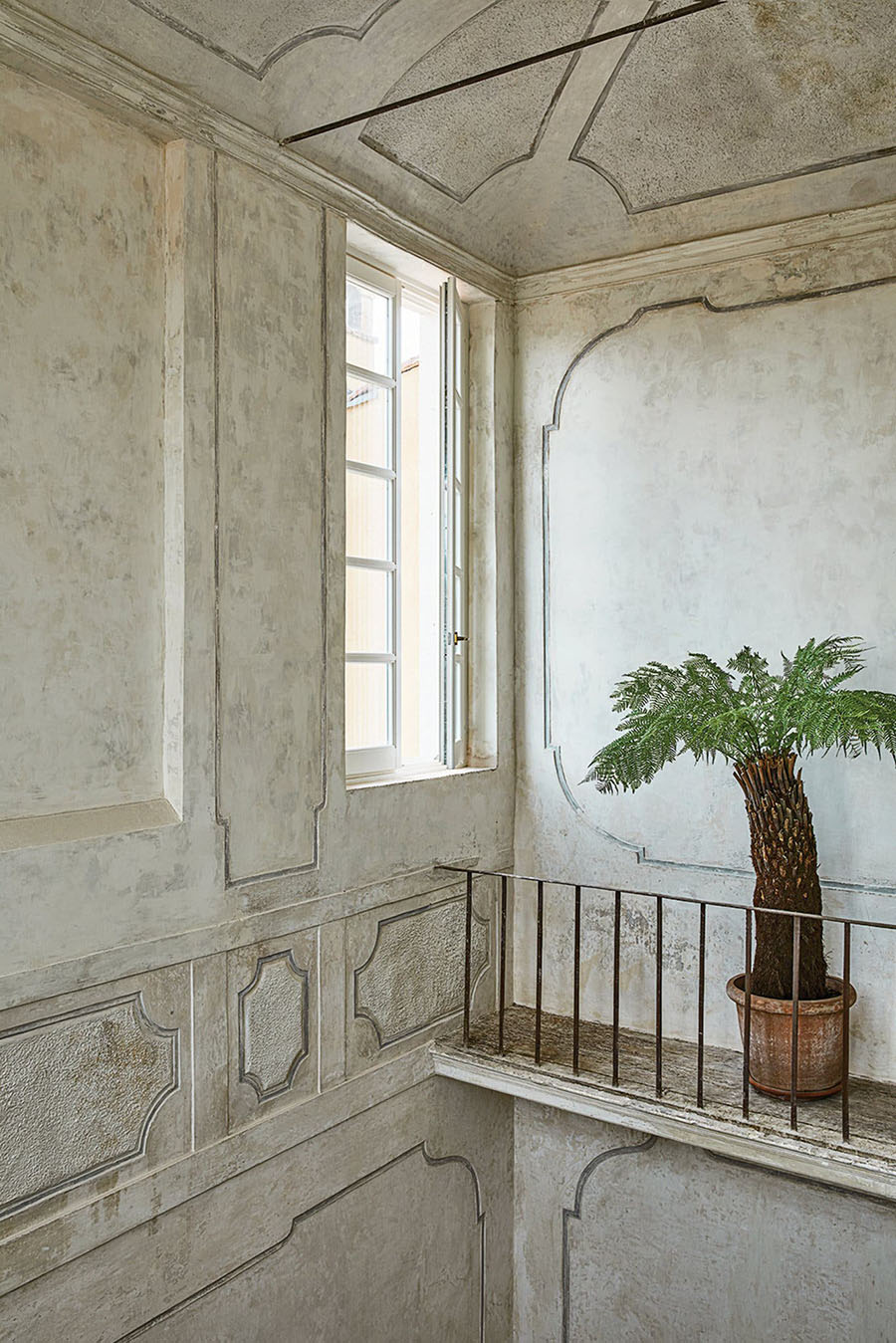 De Cotiis doesn’t promise to create an environment in a style any client might want. But you can’t help but respect his boldness.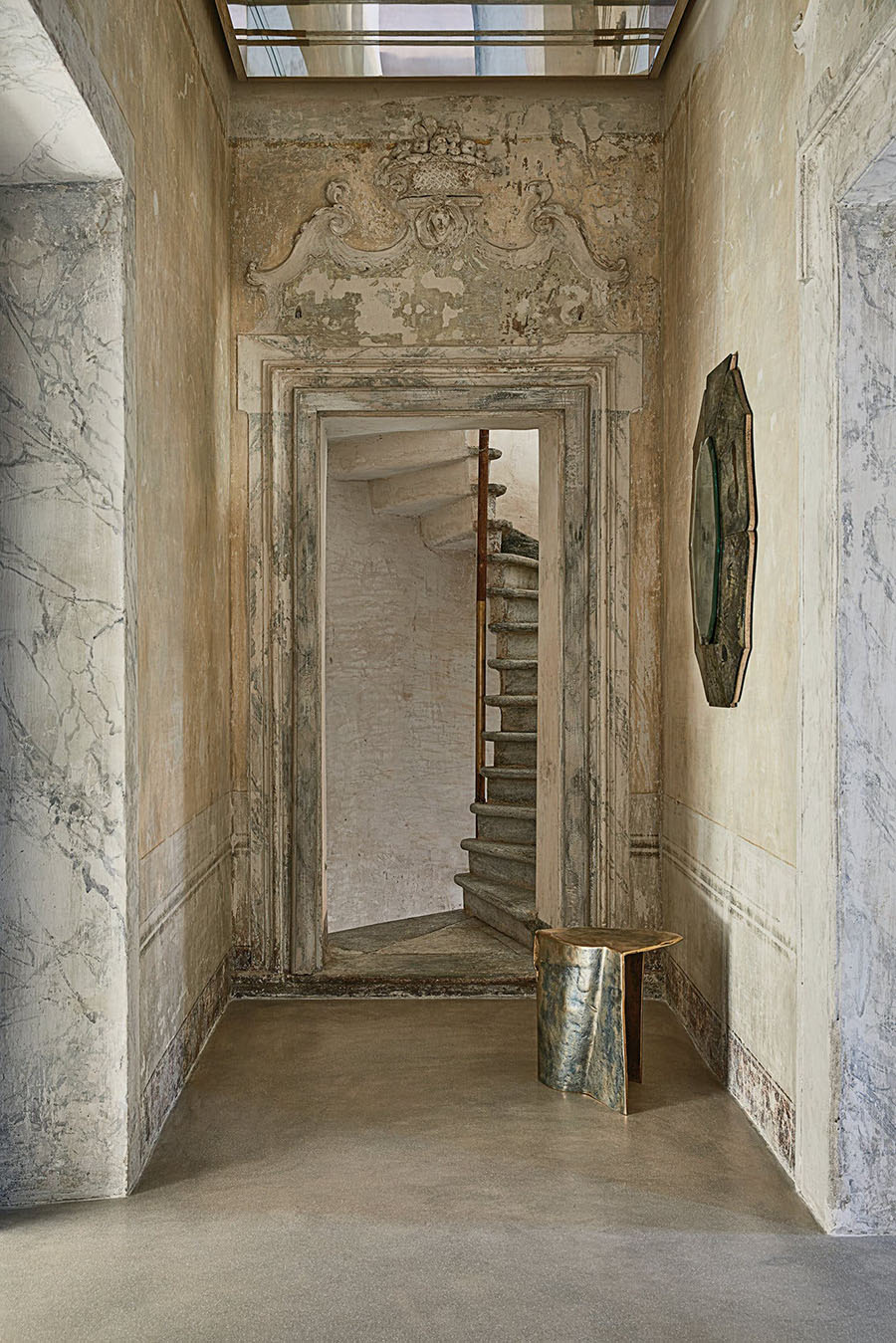
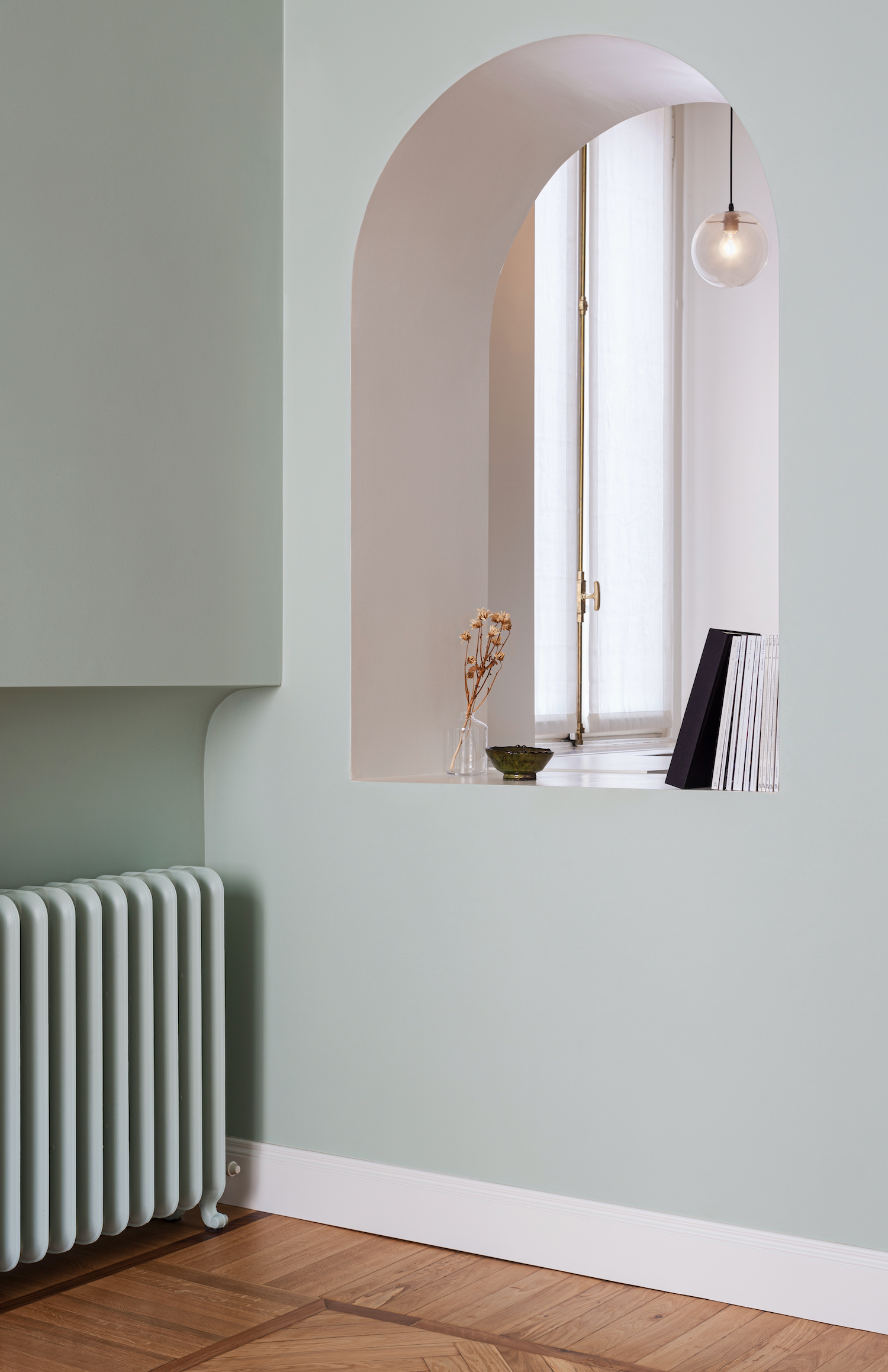
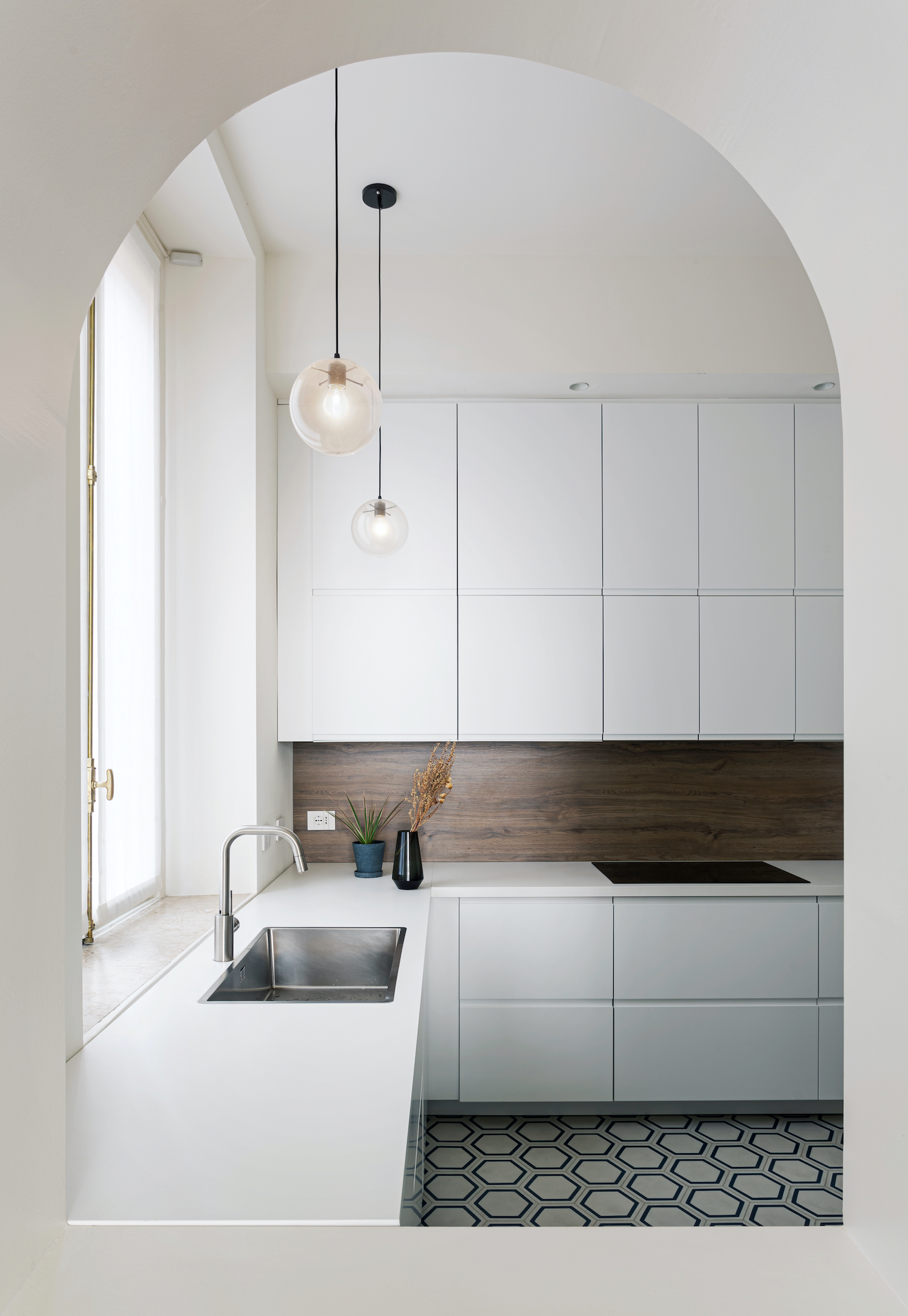
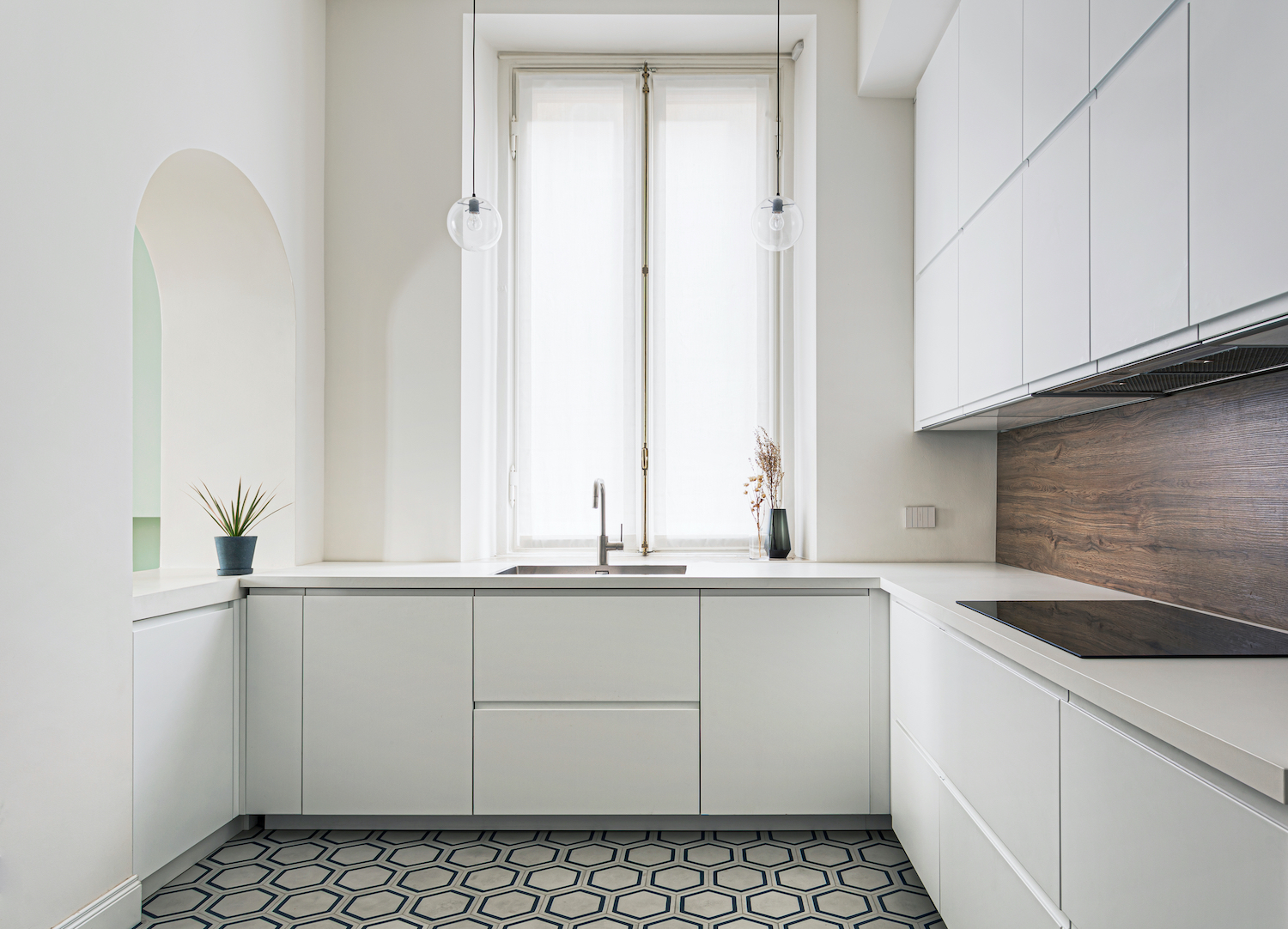
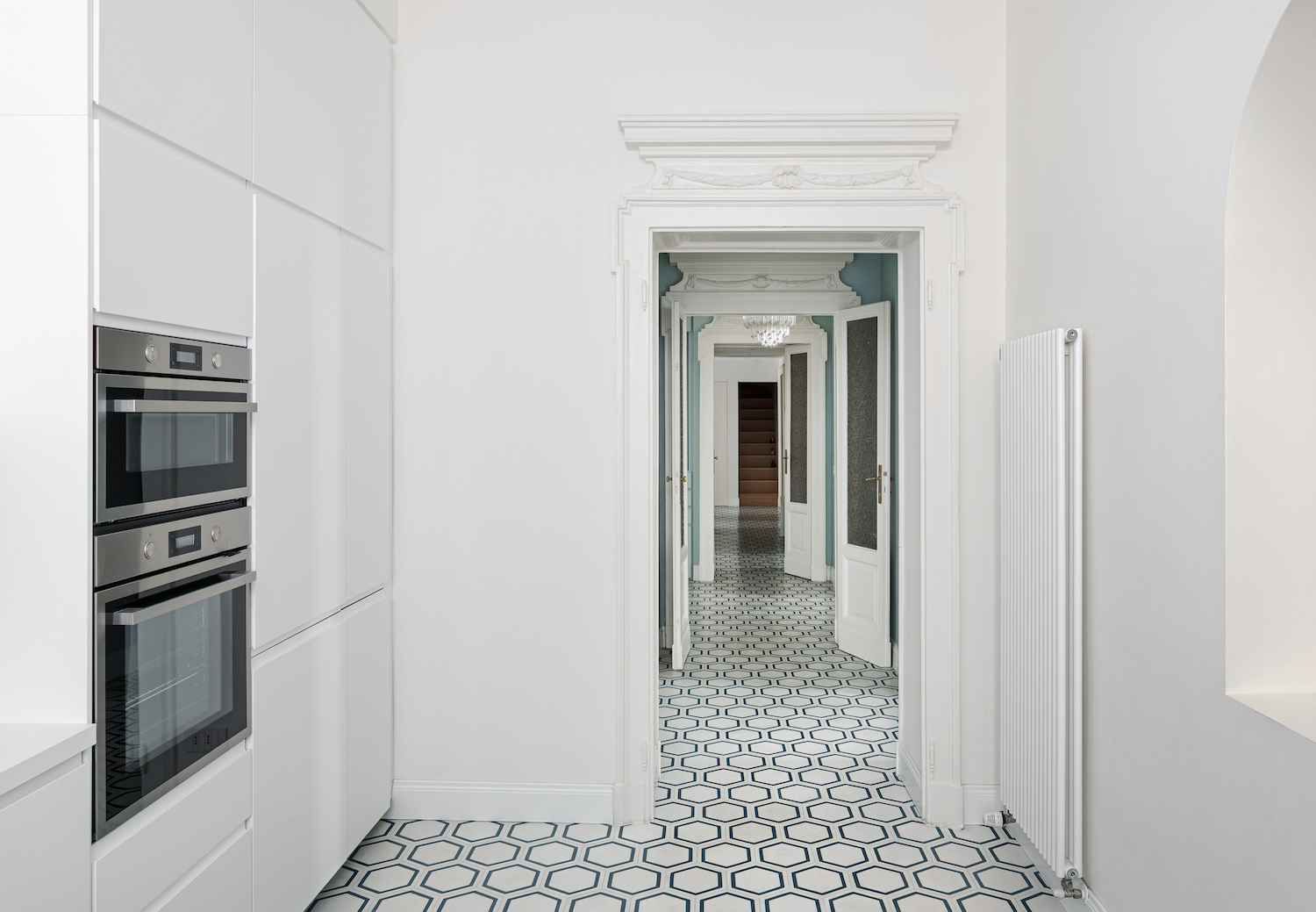
 Recently completed in February 2019,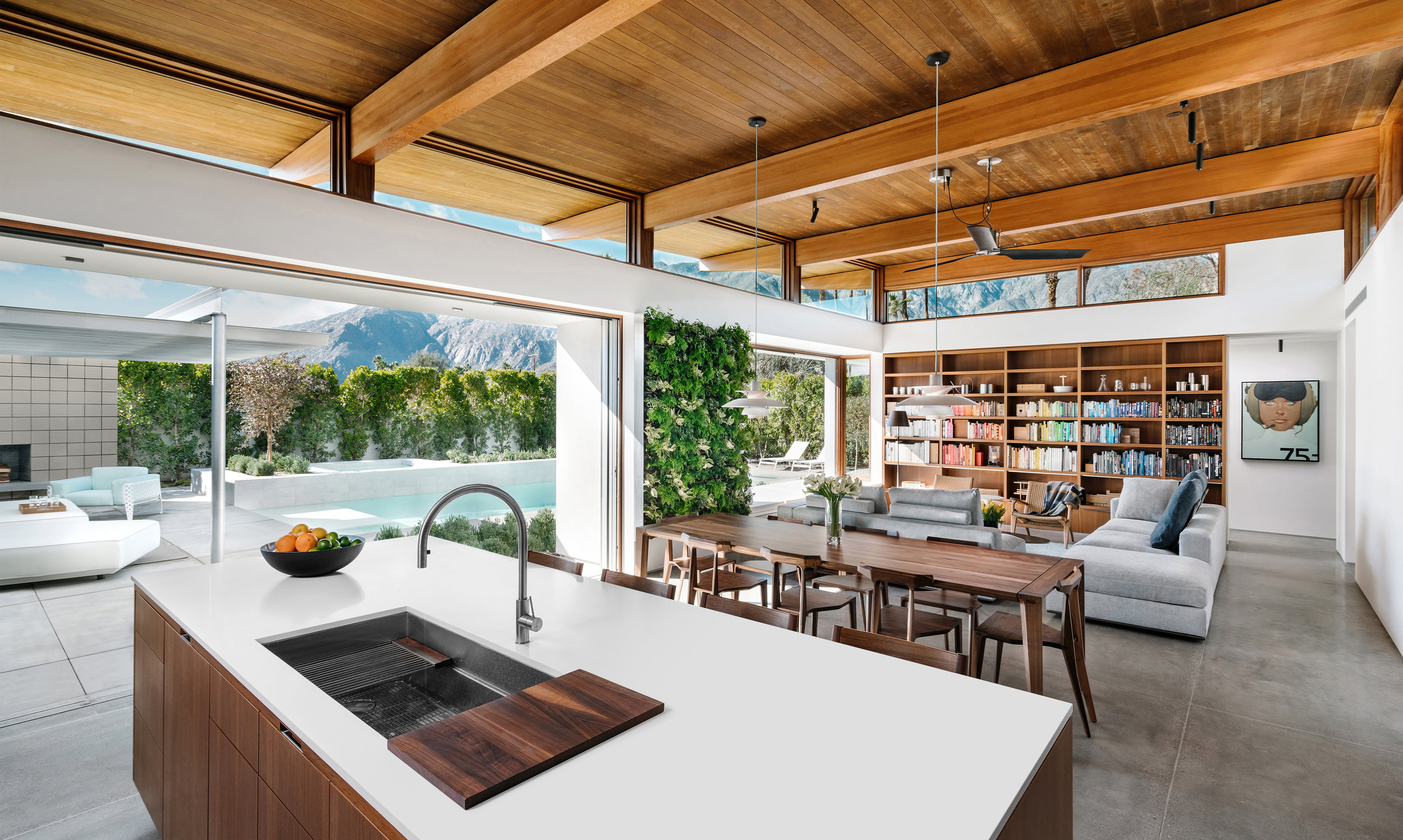
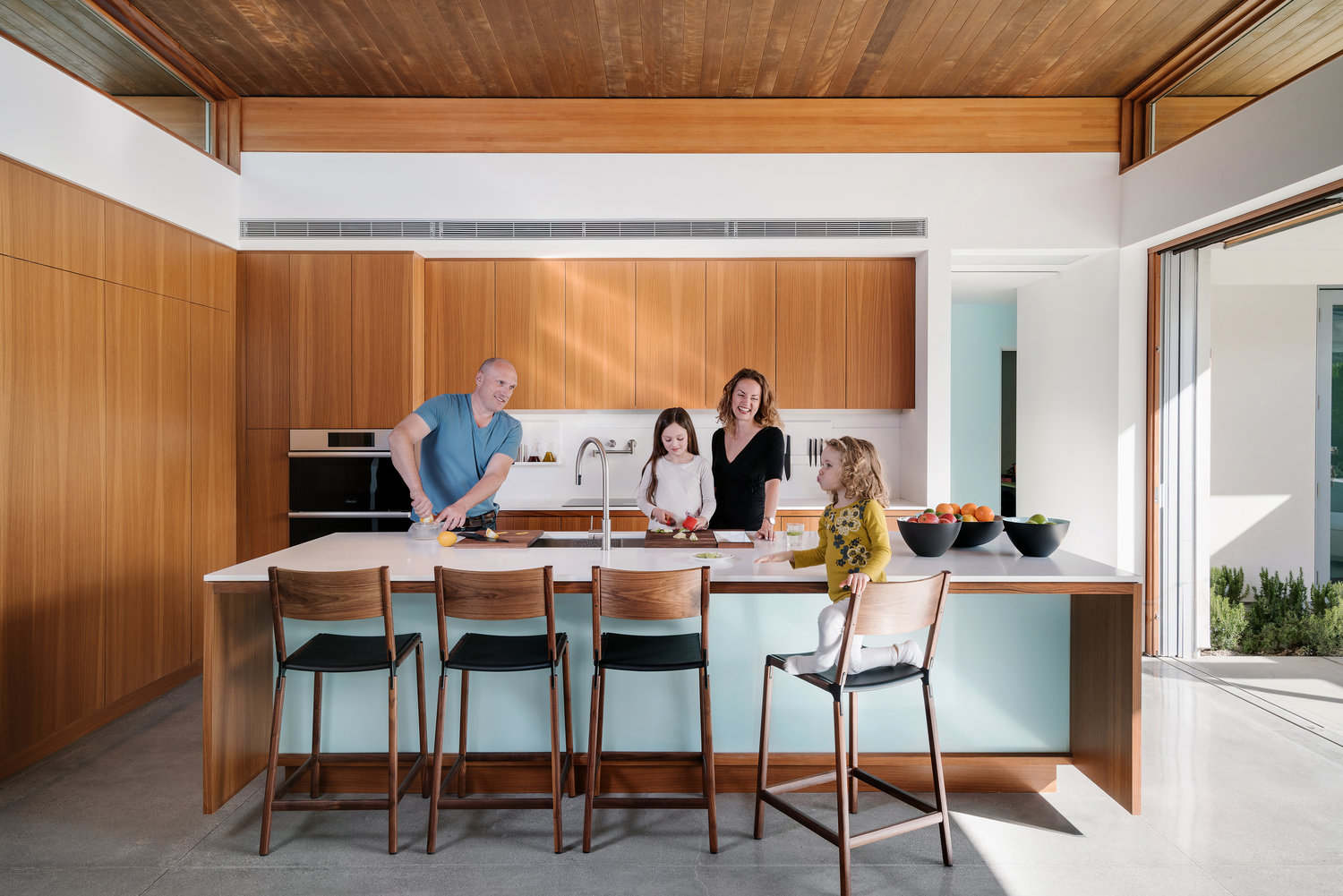
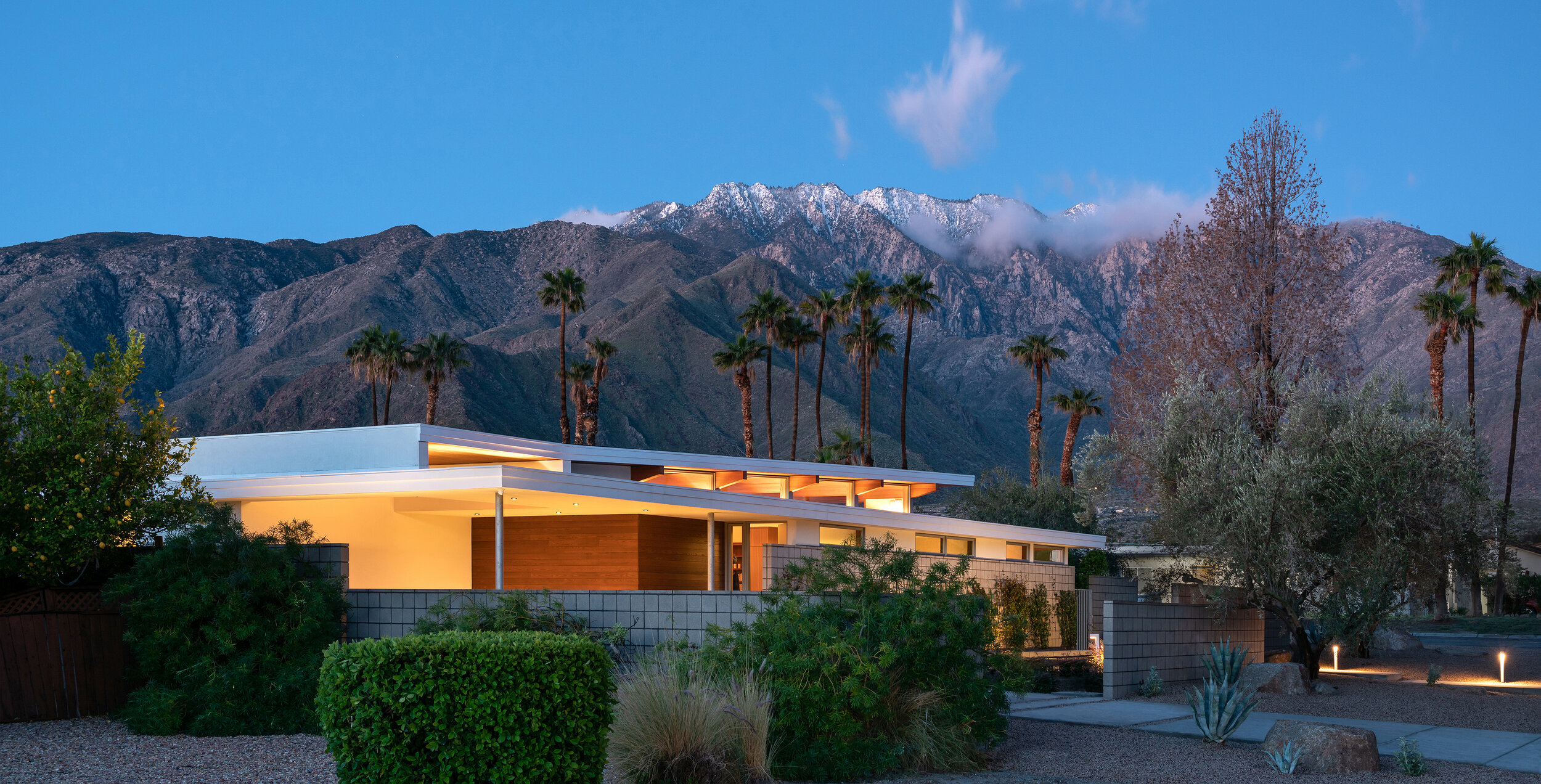
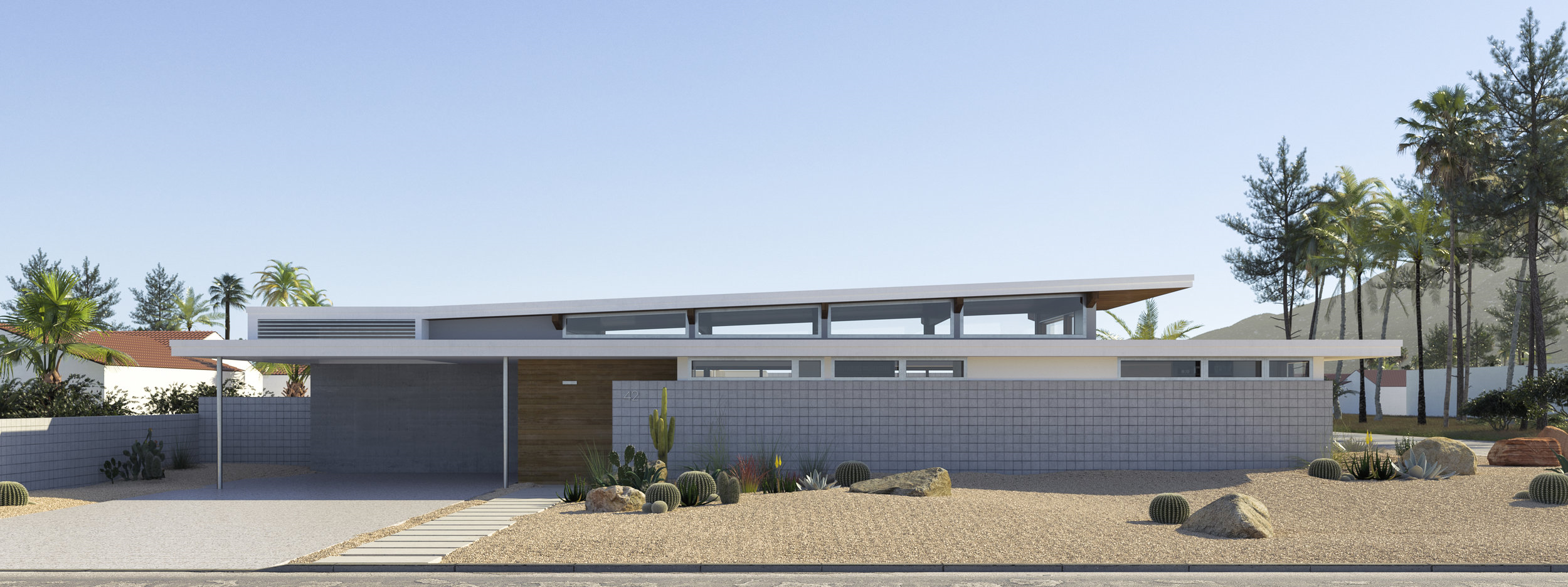
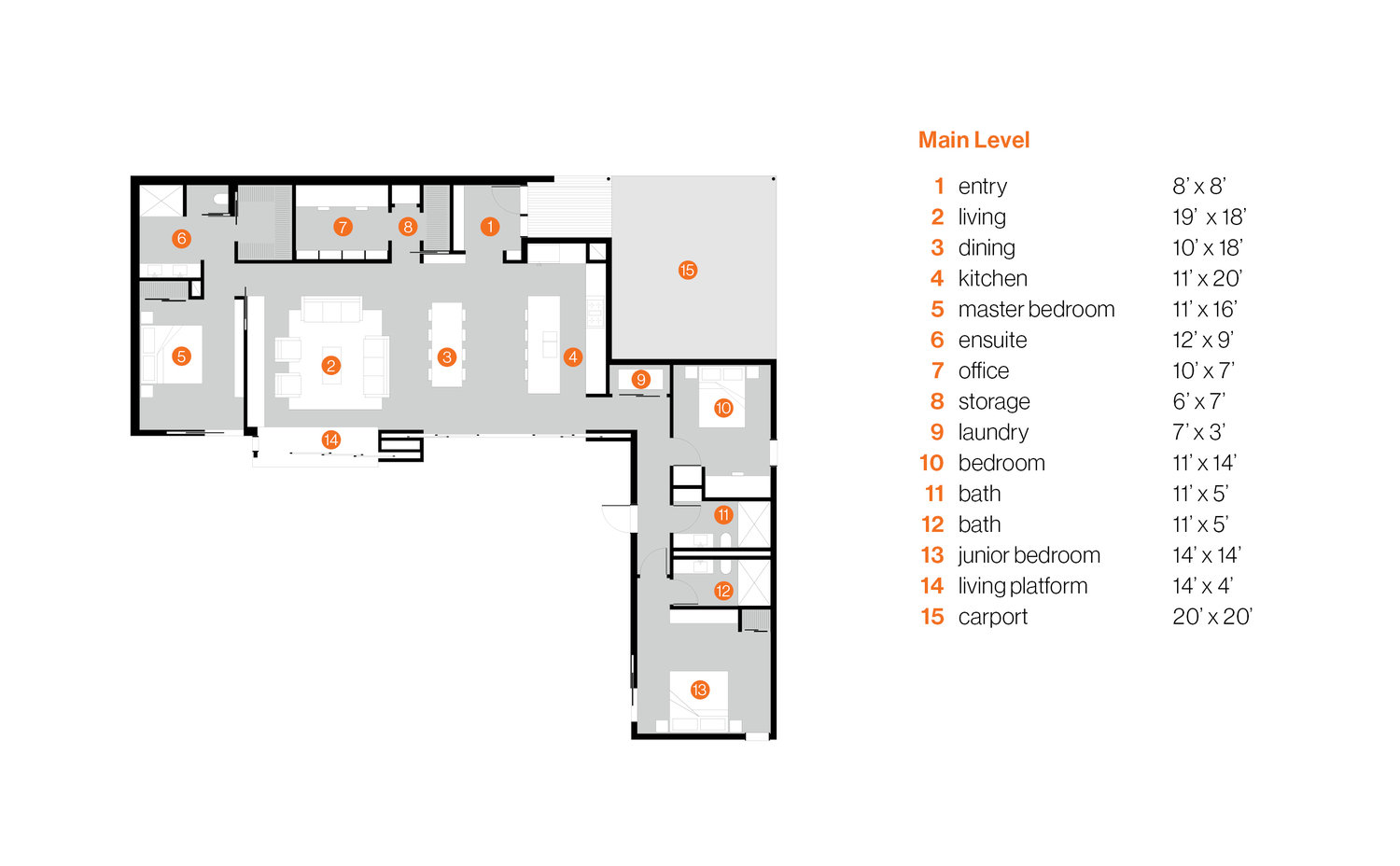
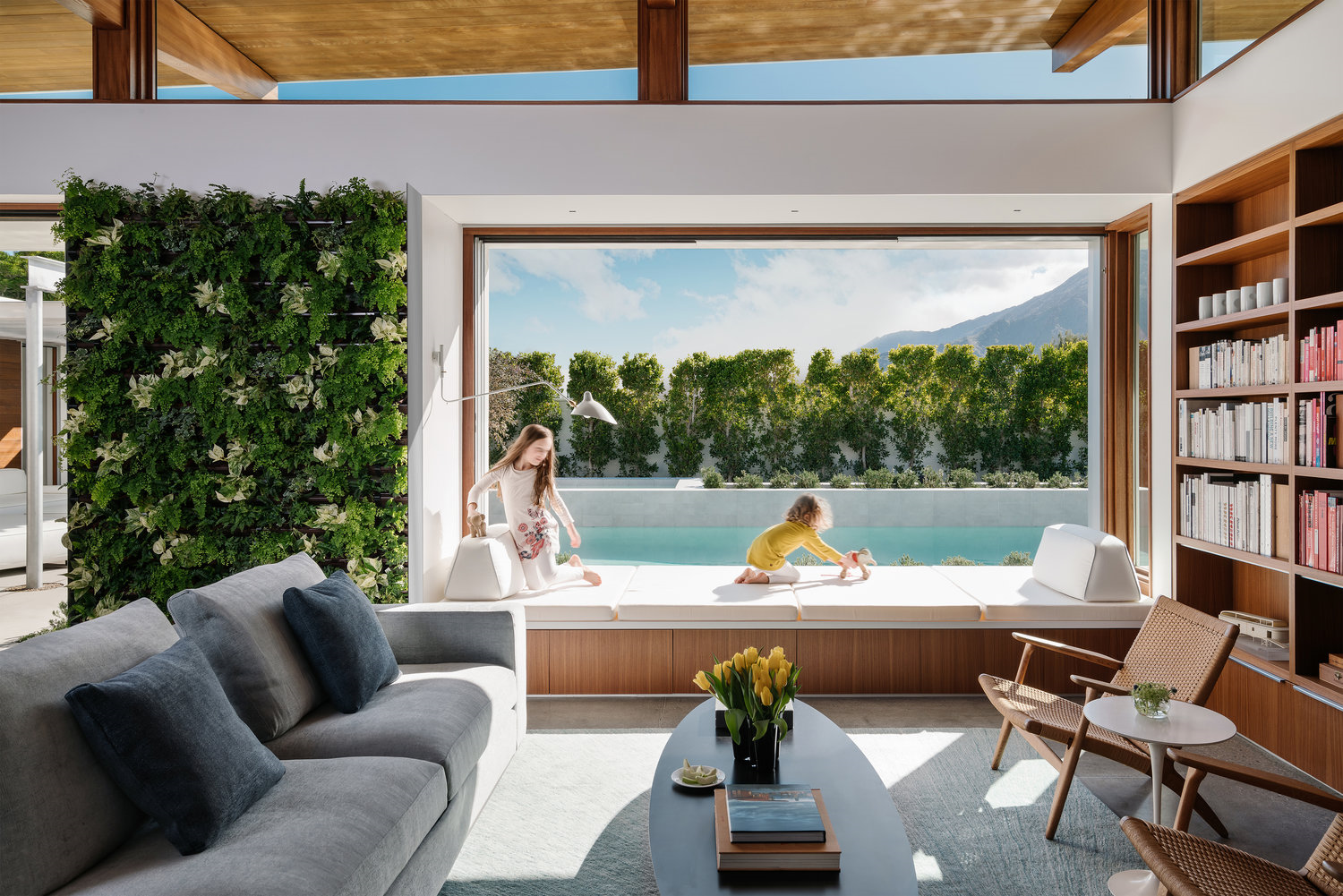 Many cultures feature houses with rooms grouped around a private courtyard: this is a take on that venerable tradition. Passing through a flat-roofed entry, the space expands as you encounter a high, beamed ceiling, sloping upward to 12 feet. This is the great room – 40 feet in length, it opens directly onto the walled courtyard through glass panels that slide away into hidden pockets. An especially admired feature of the room is a 4-by-12-foot window-seat extending into and overlooking the courtyard. This too has operable glass panels that tuck away into pockets: a charming place to lie down—even sleep—“half-in, half-out.”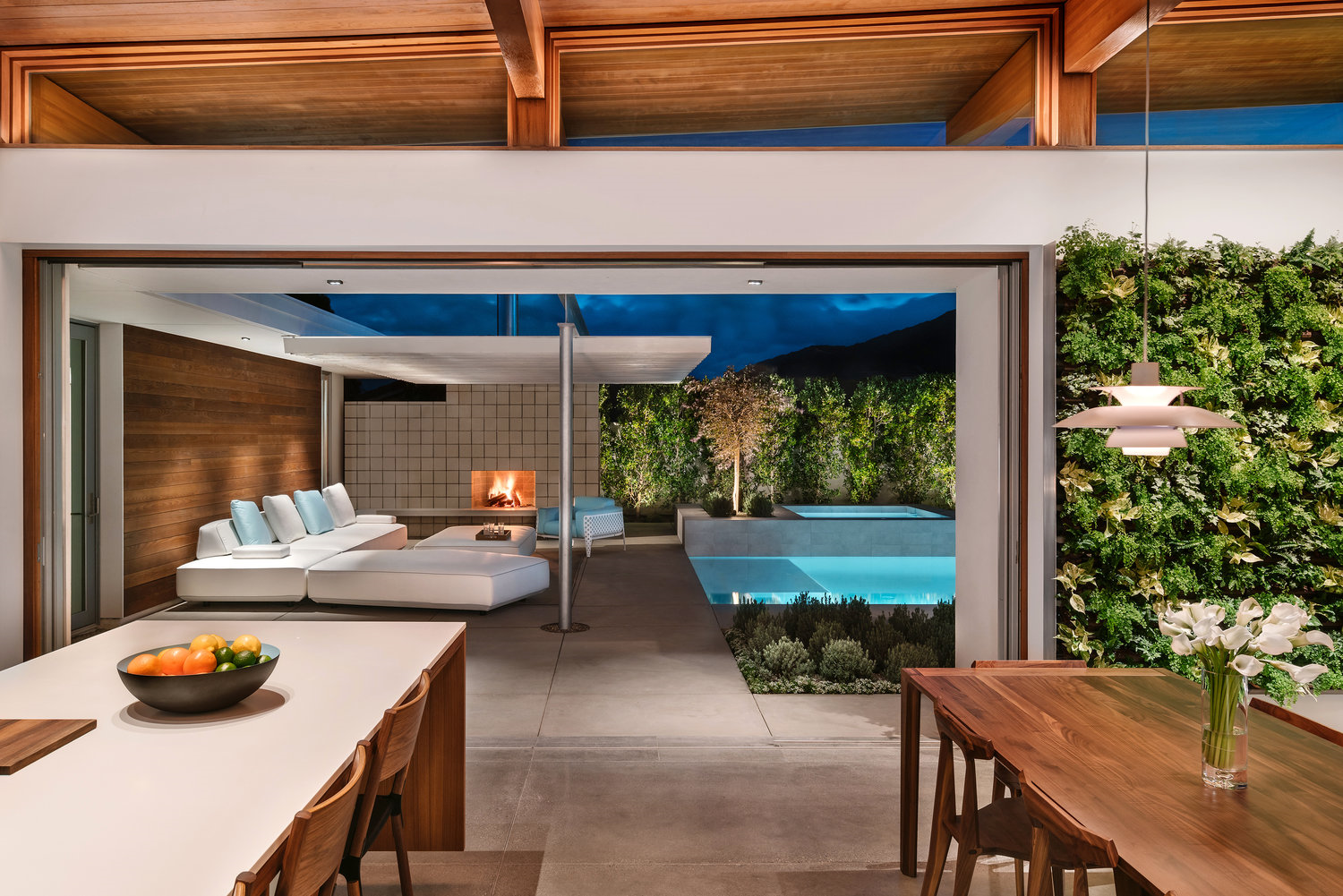
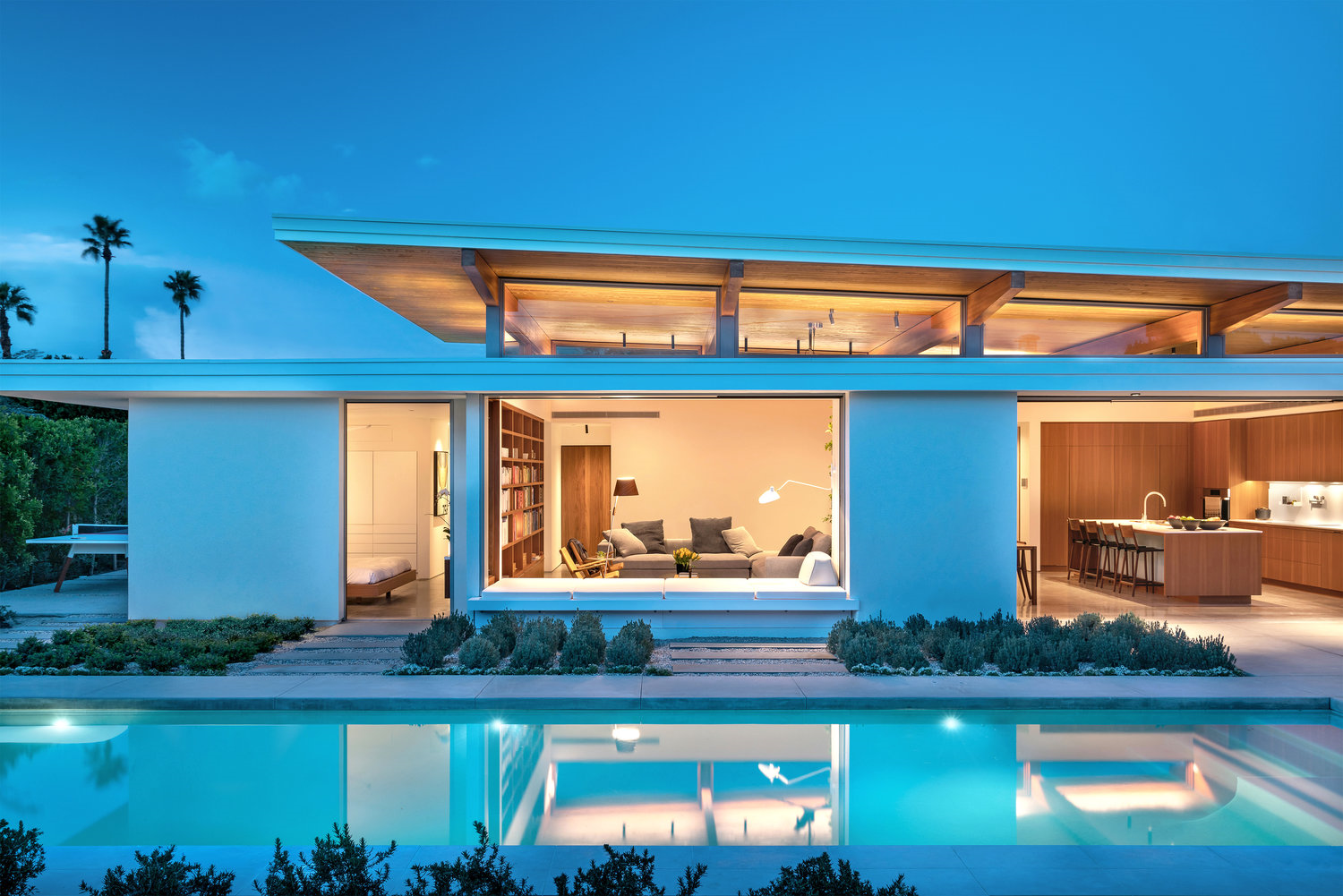
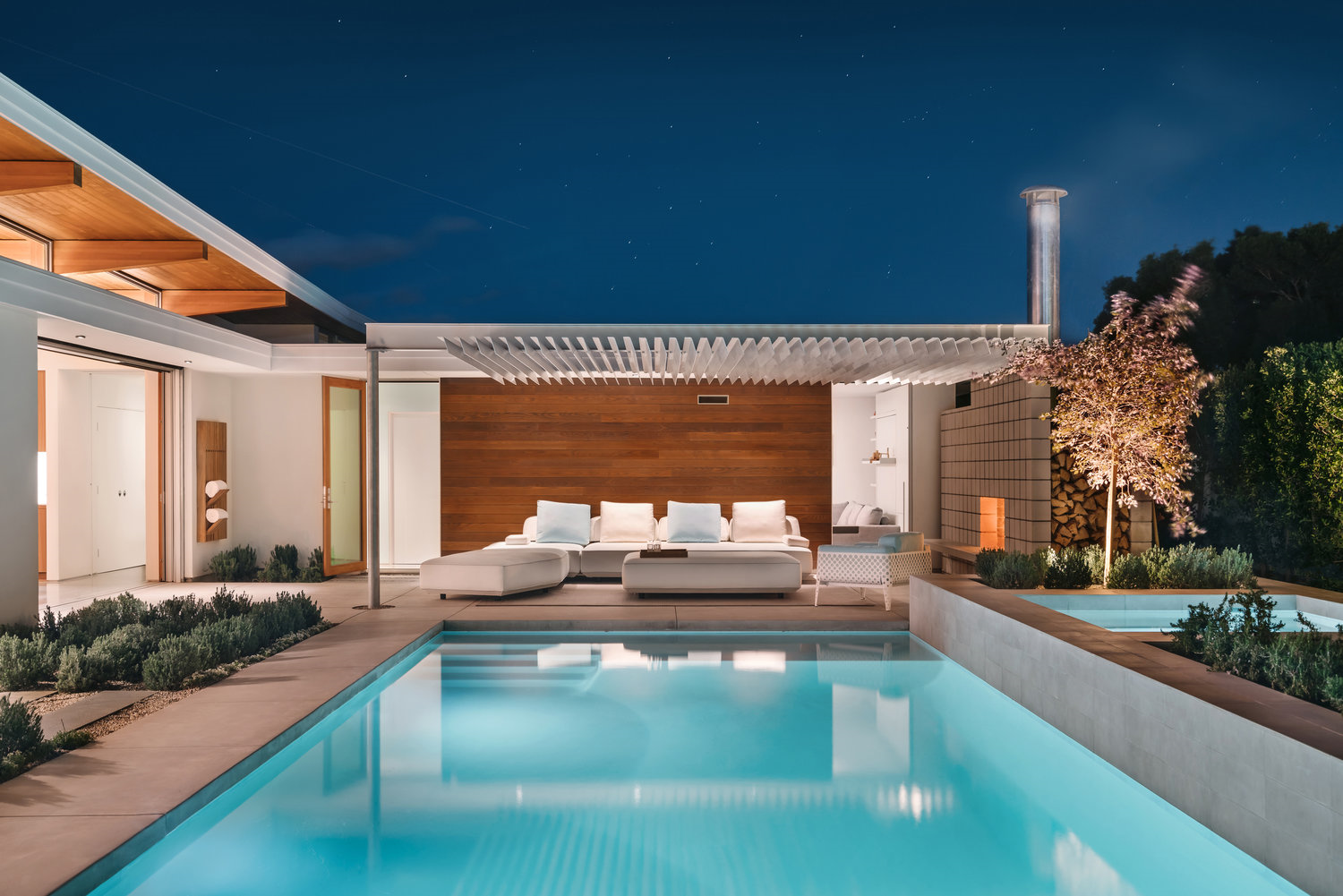
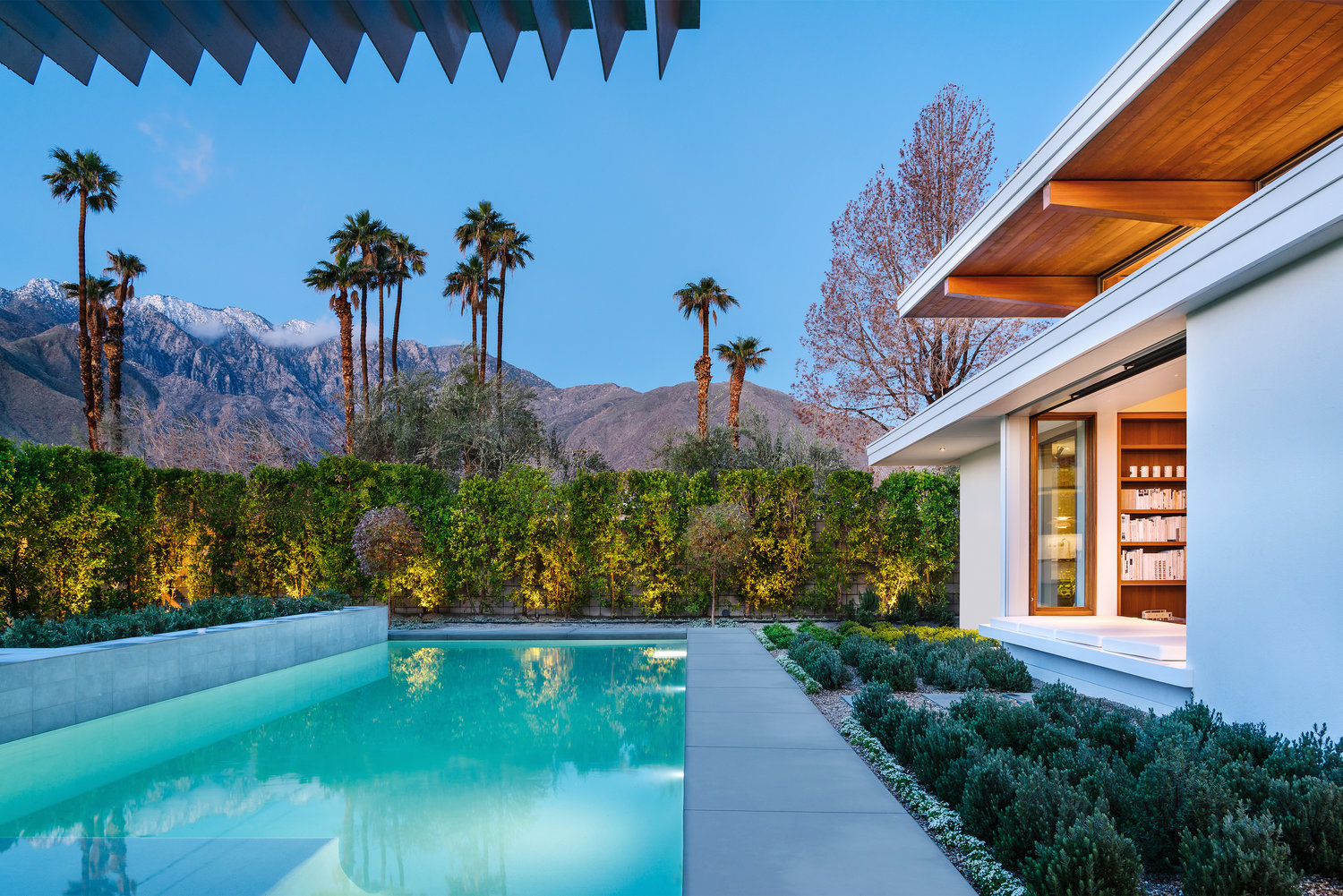 Master suites occupy both ends of this “L” shaped home, each with private access to the courtyard; an ideal arrangement for a shared vacation home, in town or out. While being careful to ensure privacy, the outward facing walls stop short of the overhanging roof, bringing in balancing light and capturing expansive outward views.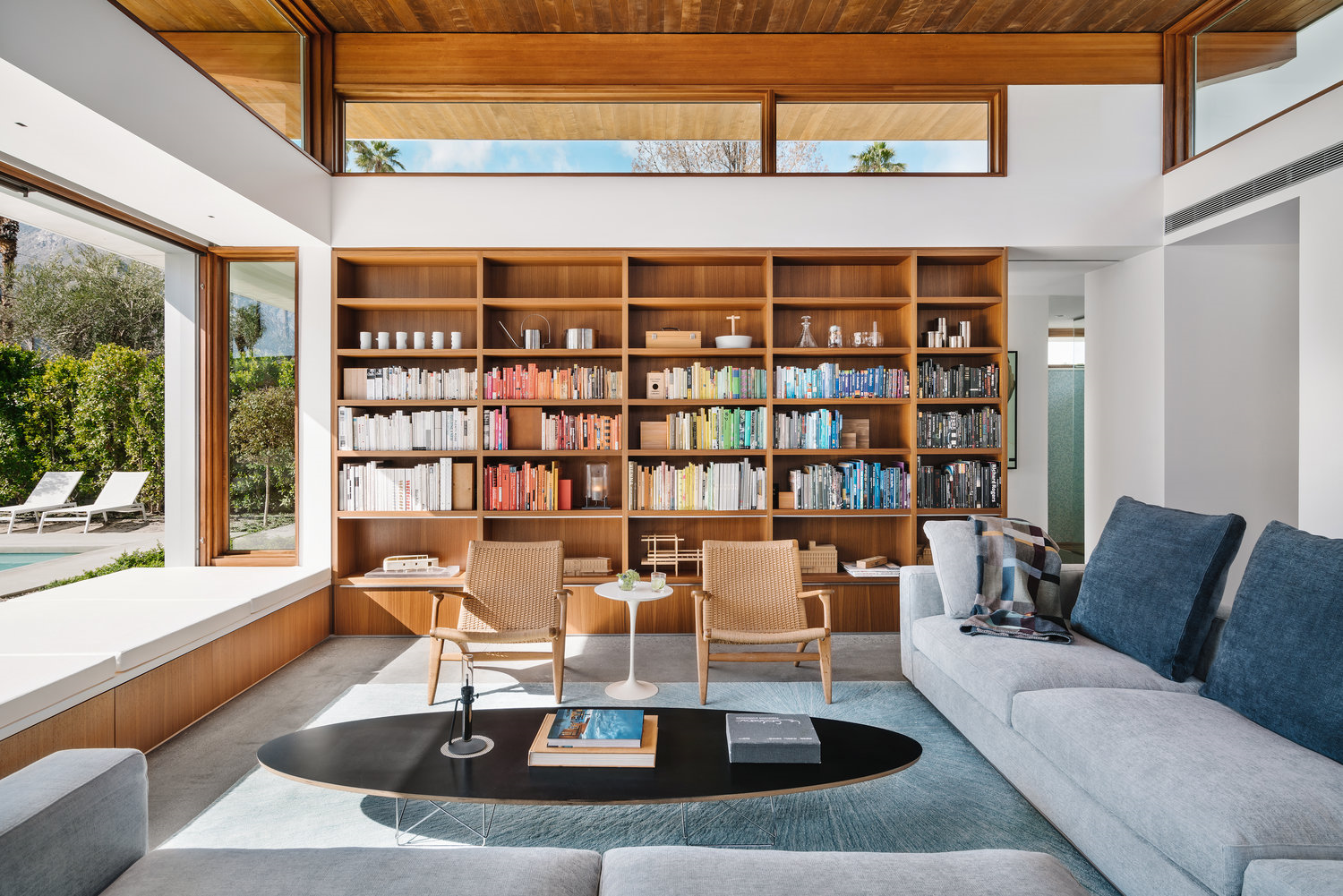
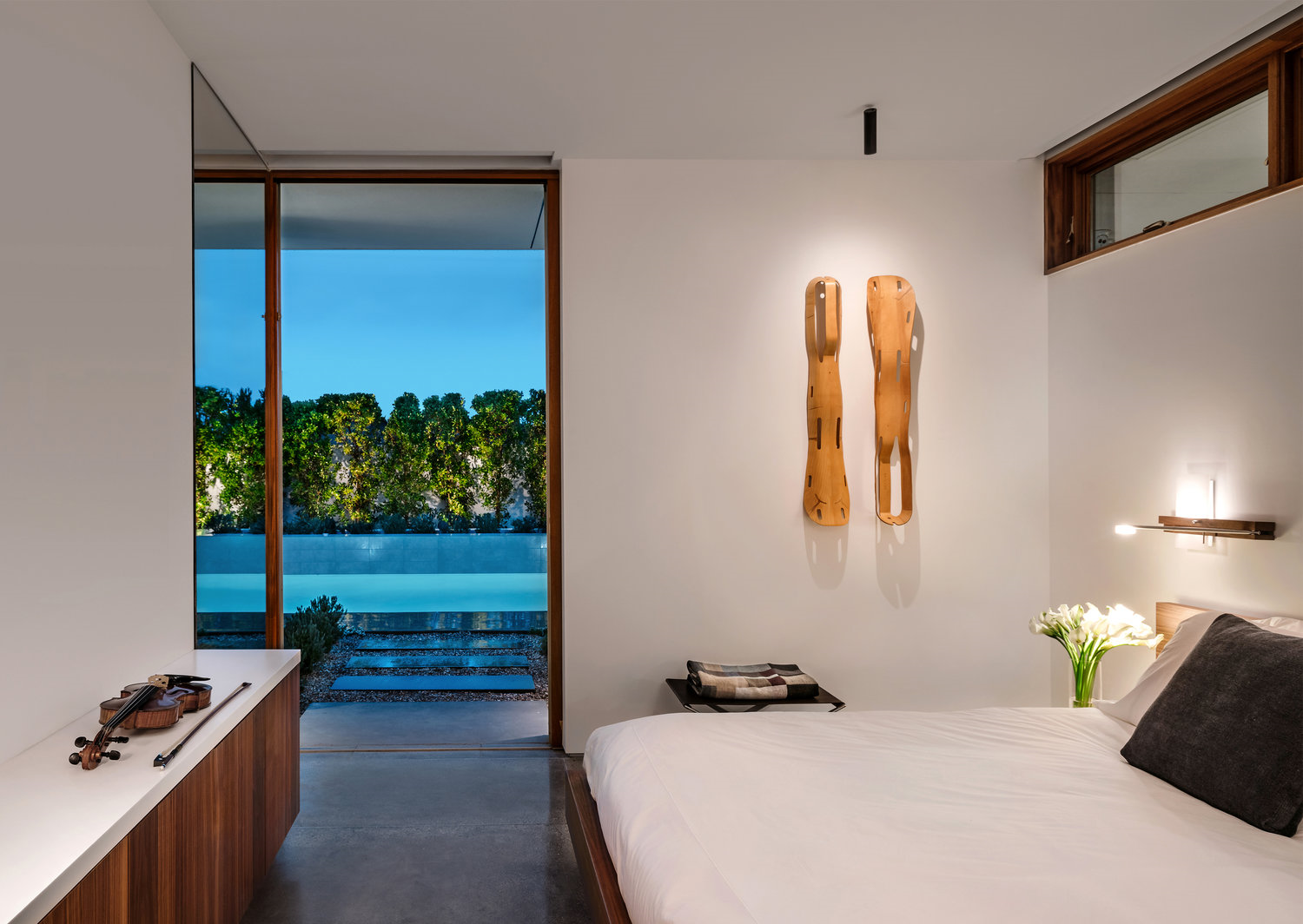
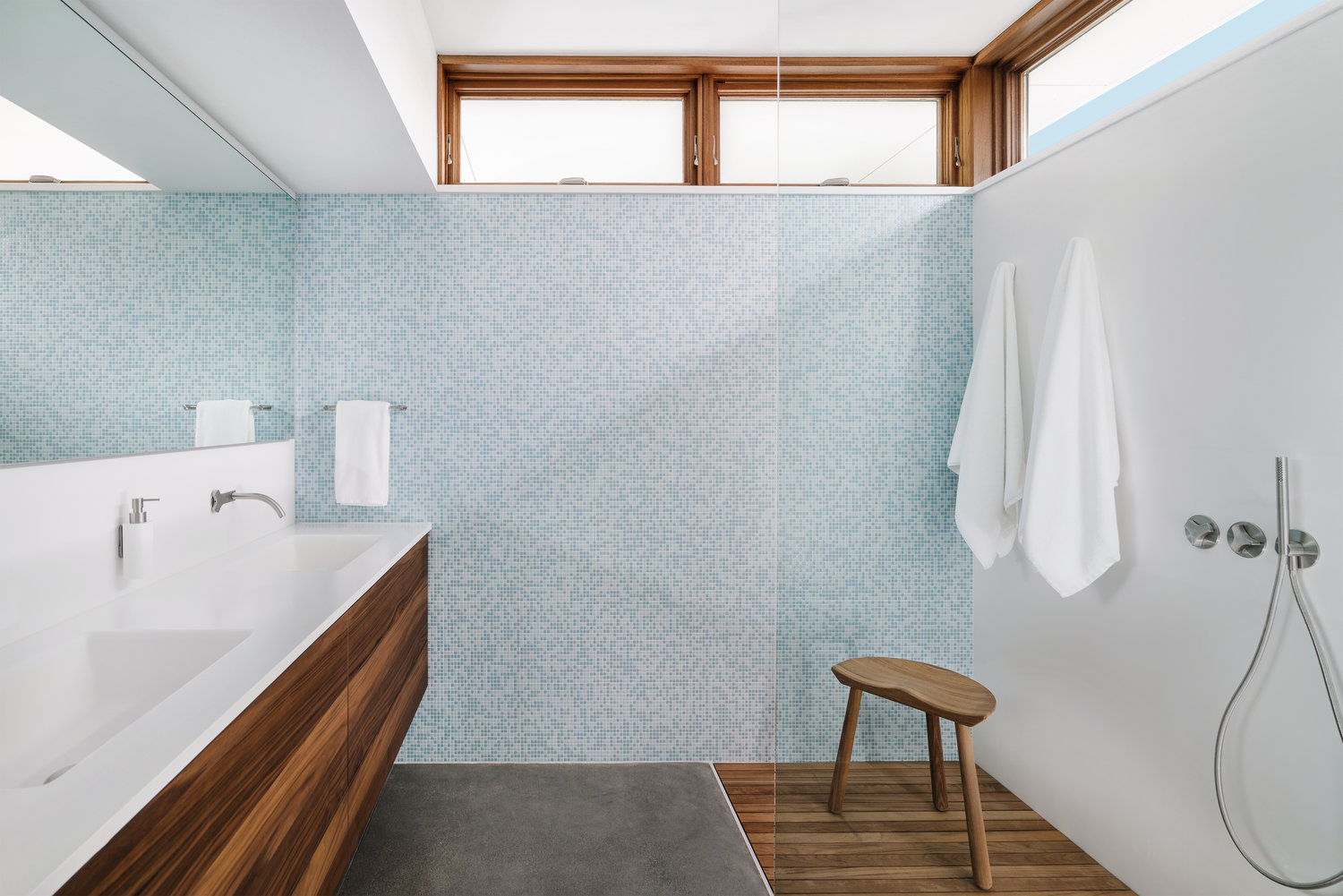
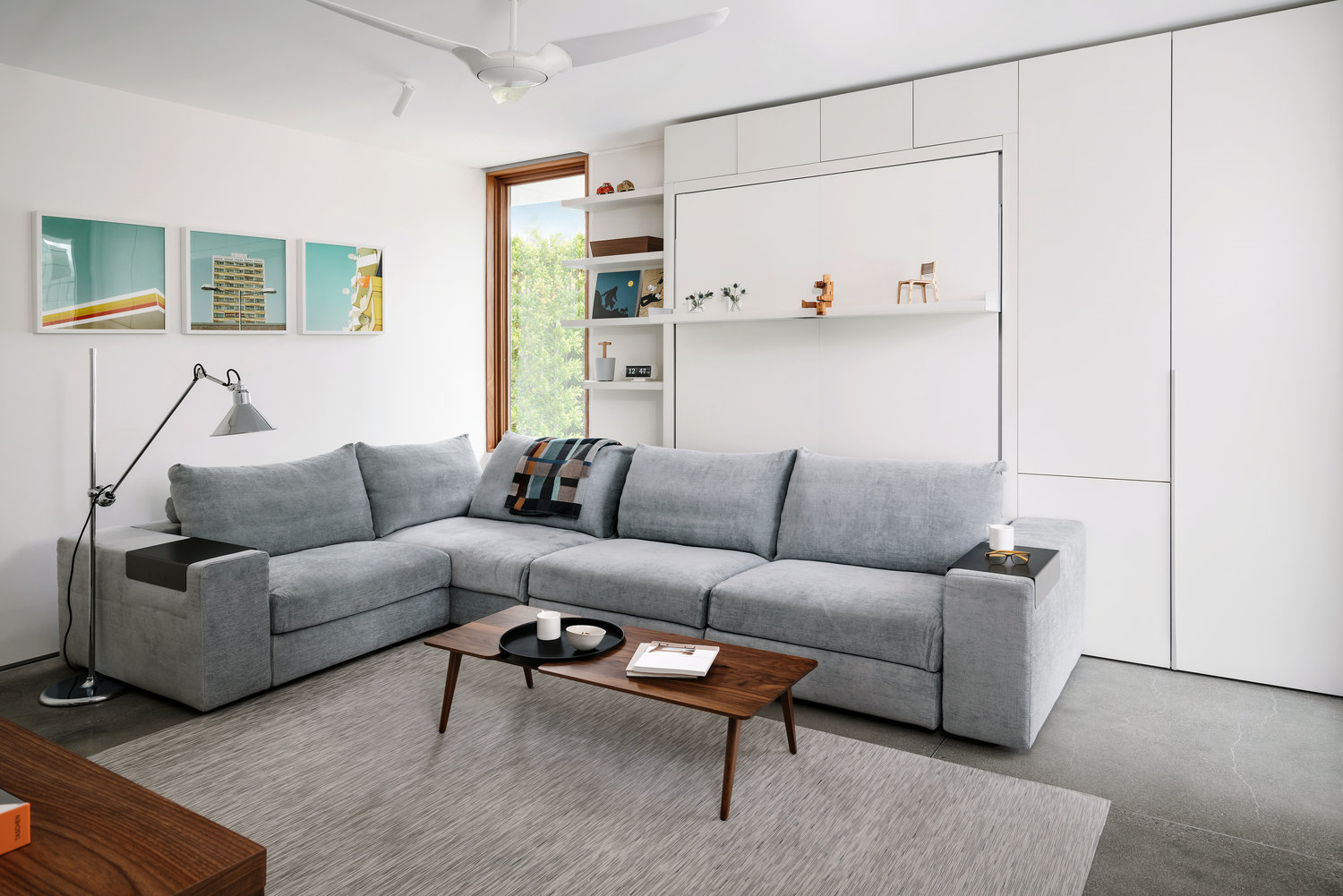
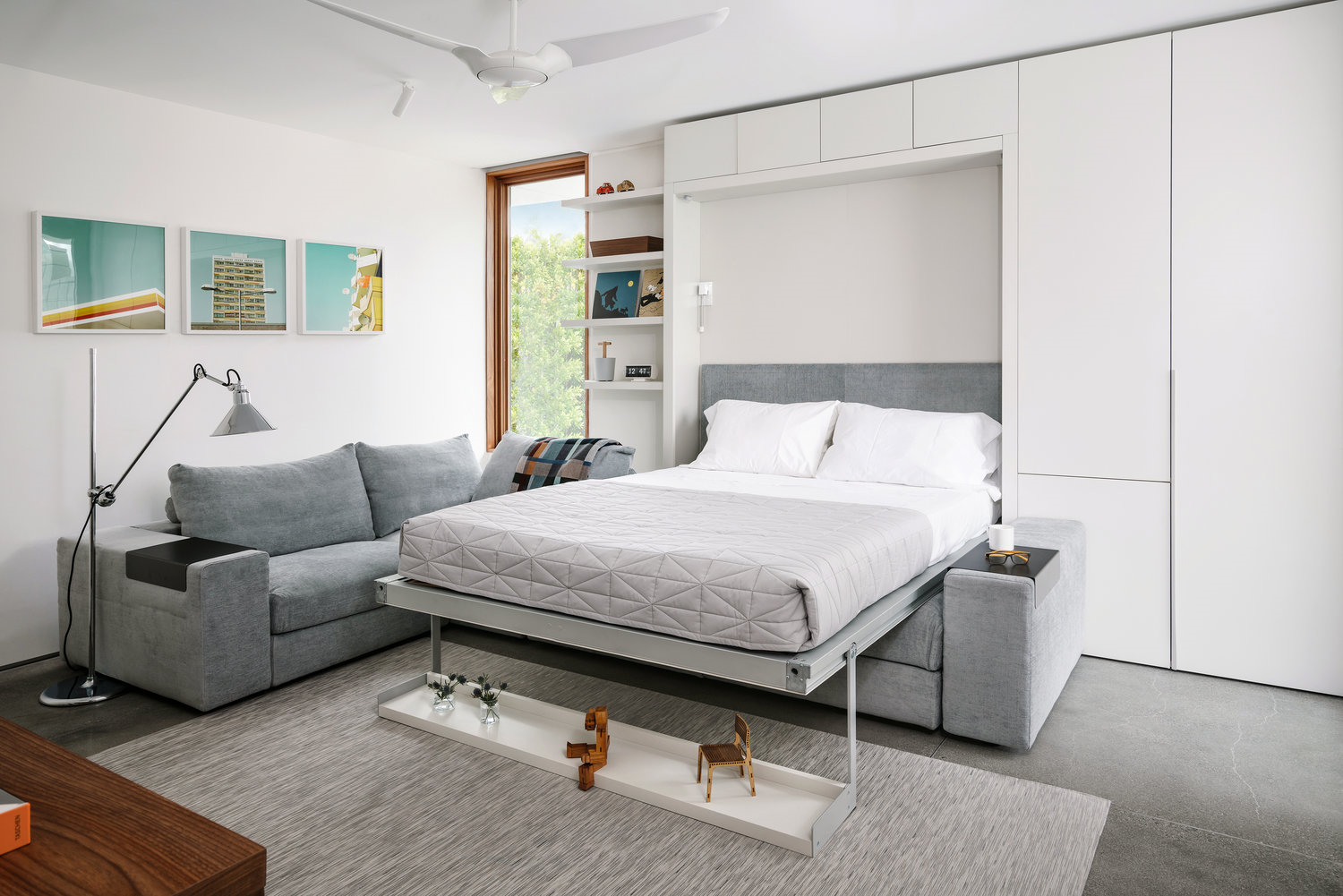
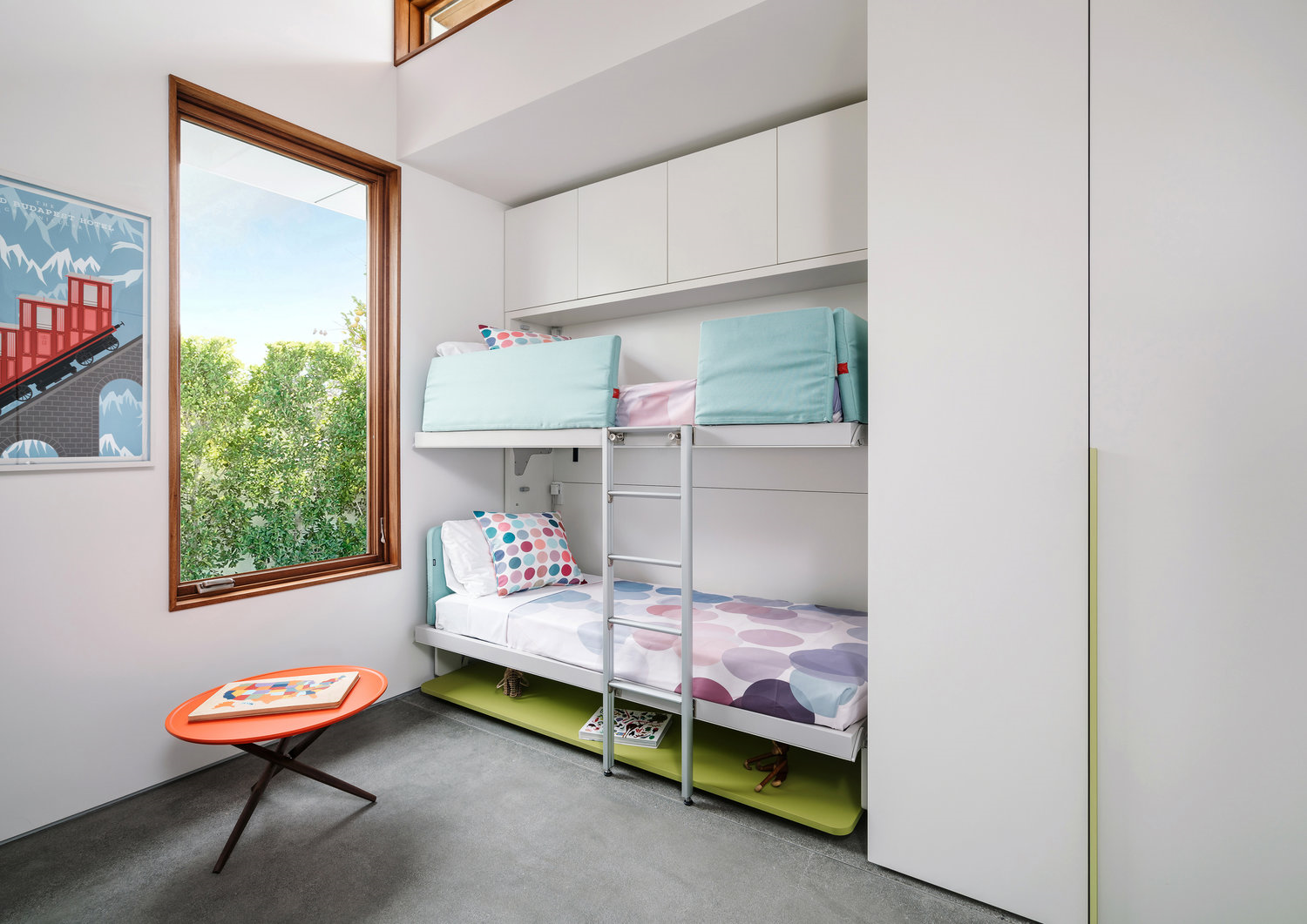
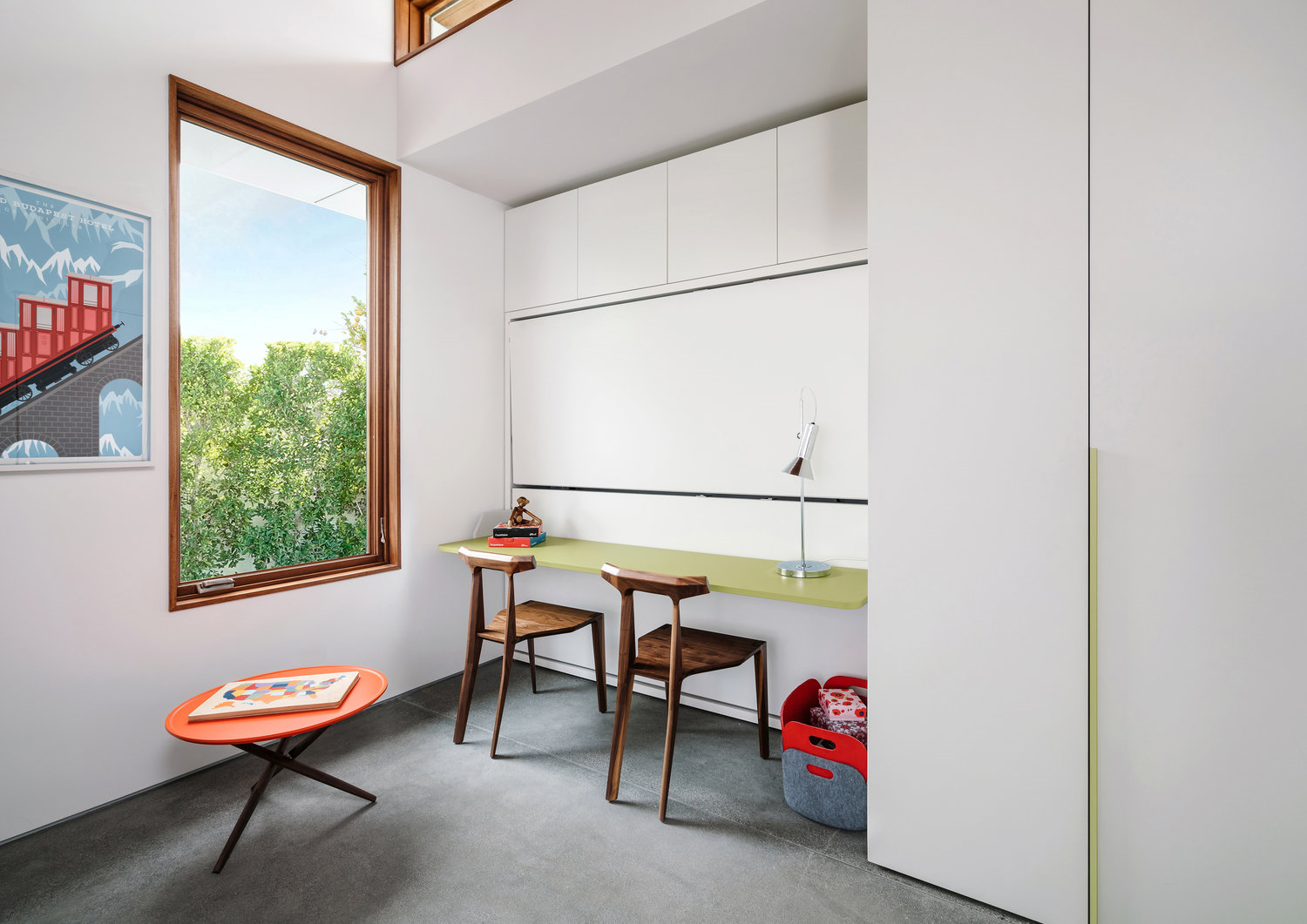
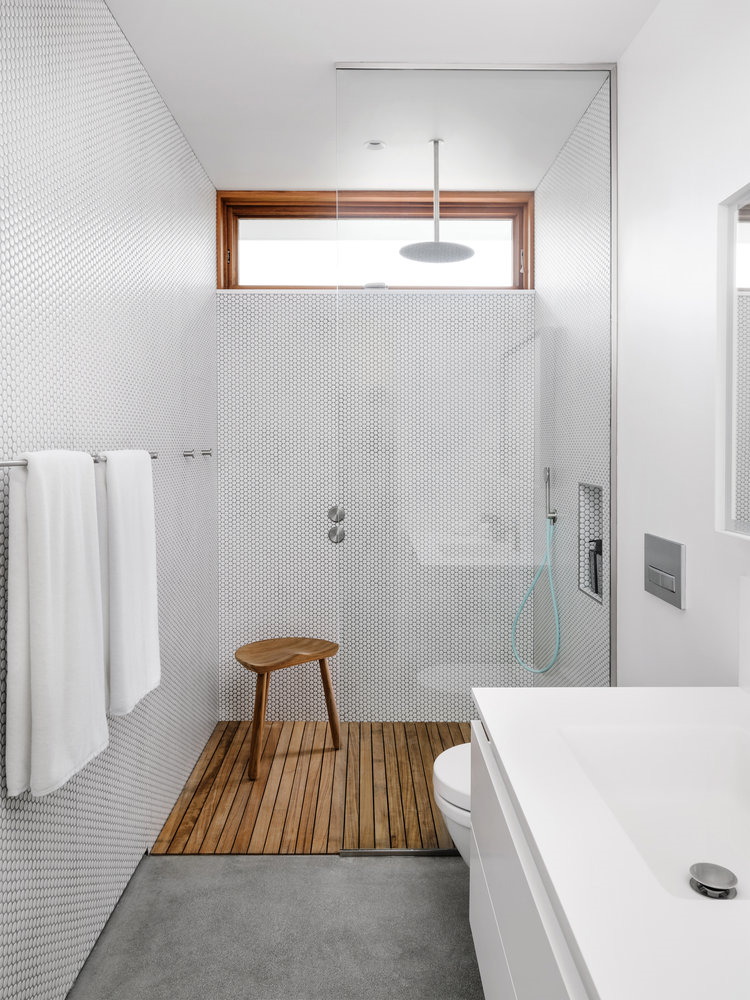
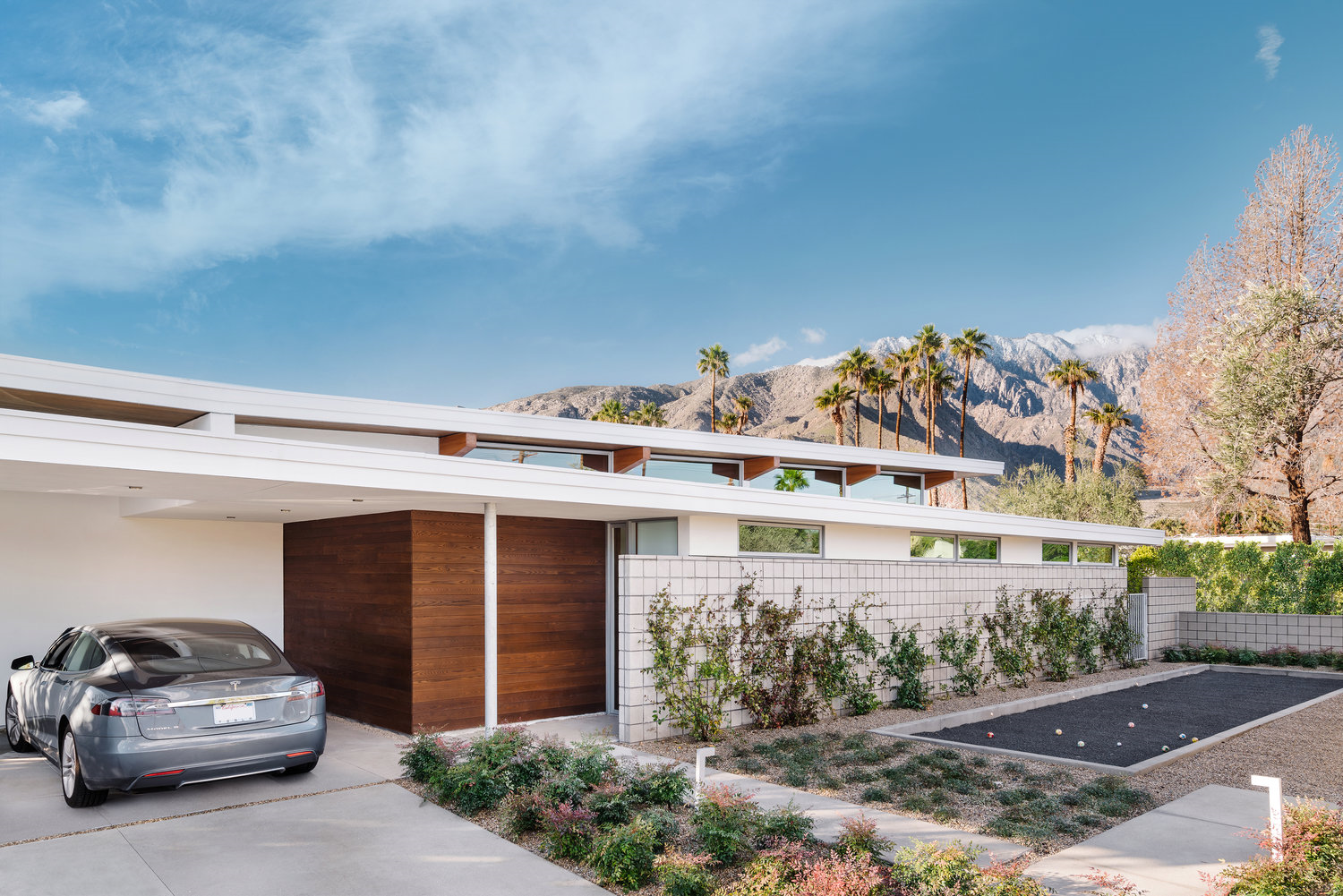
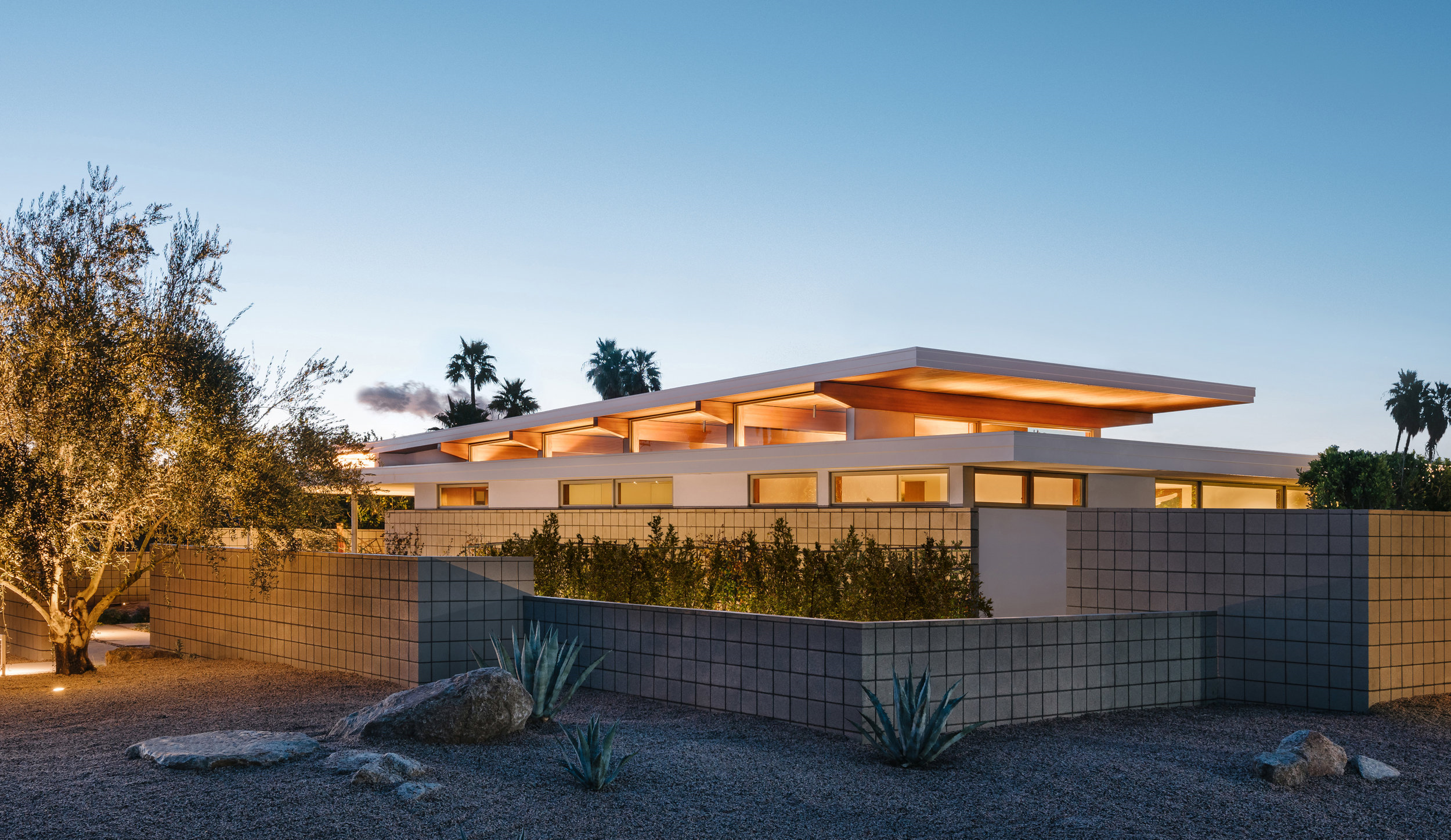
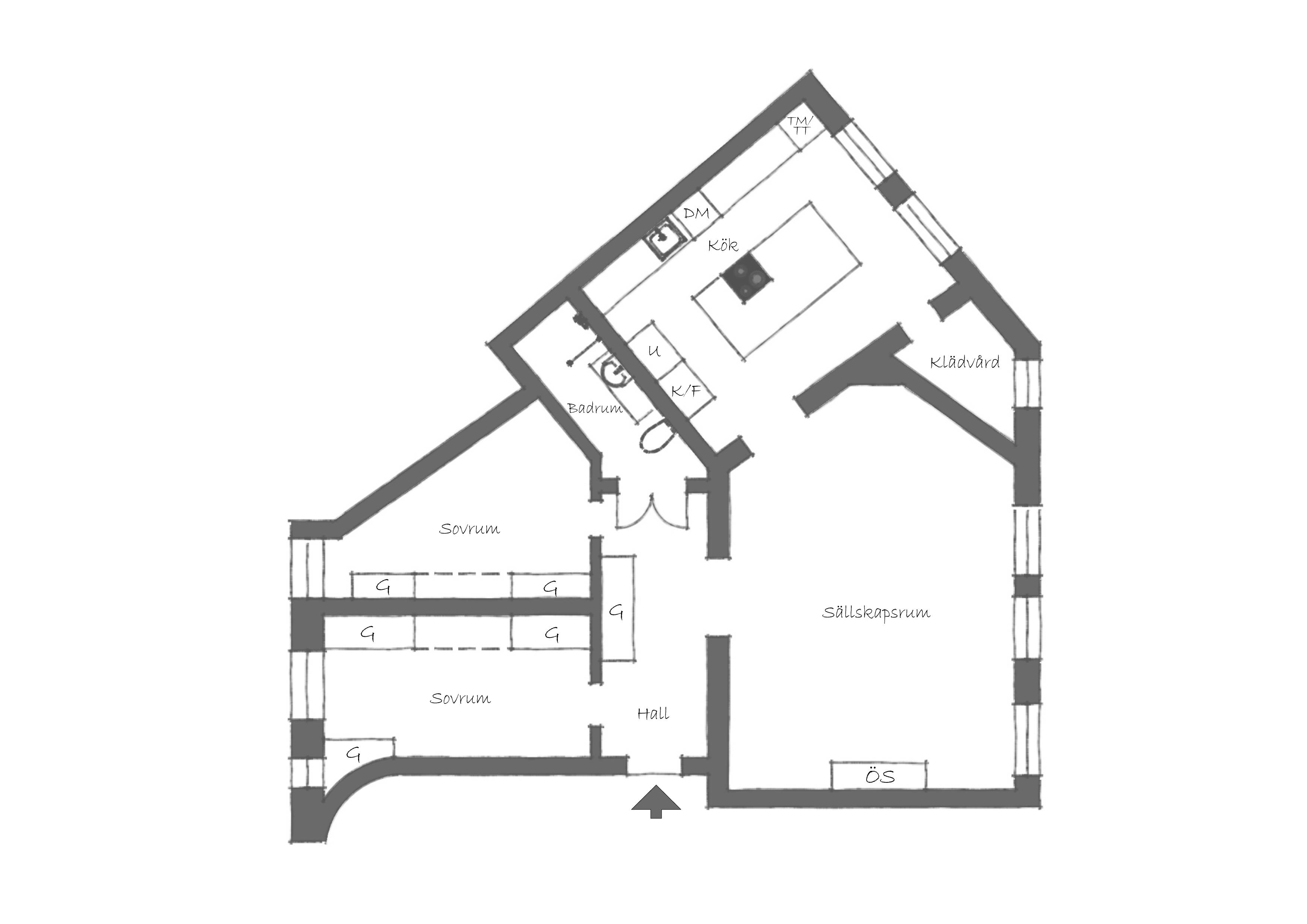
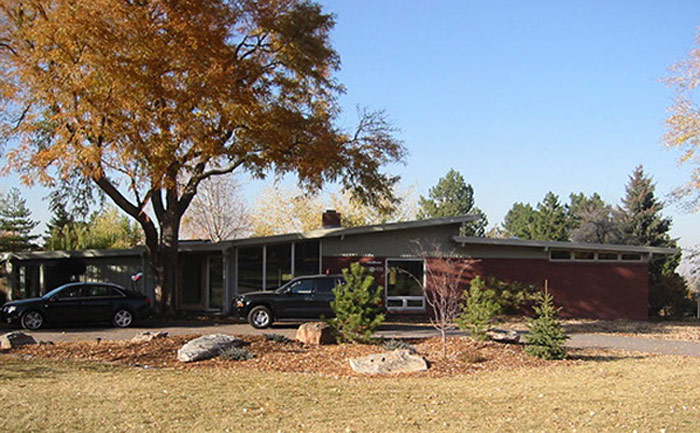
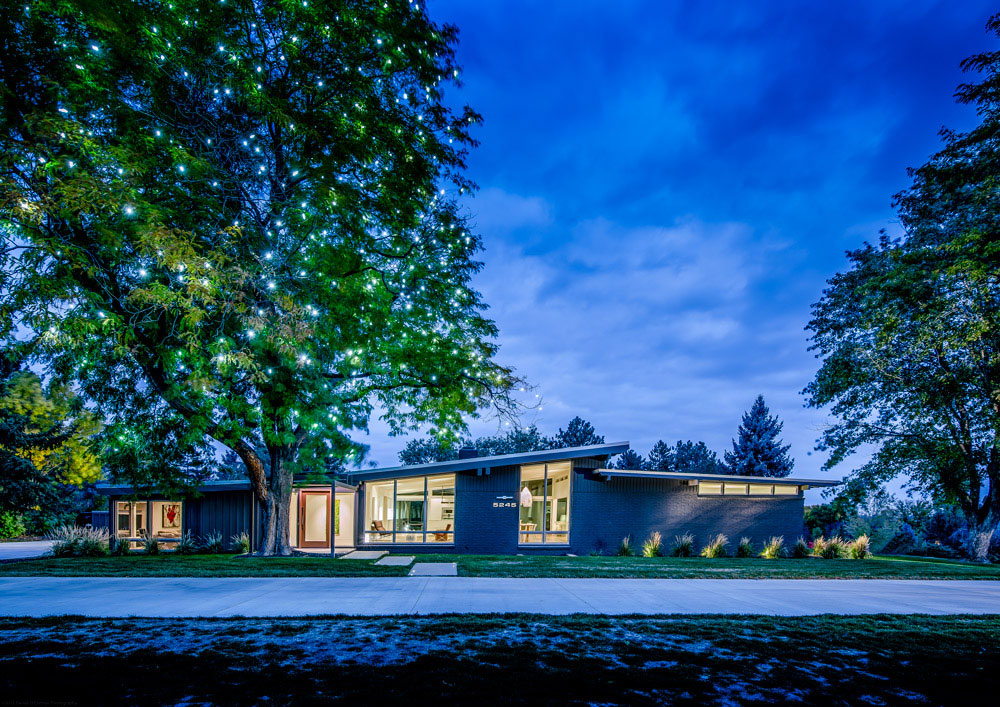
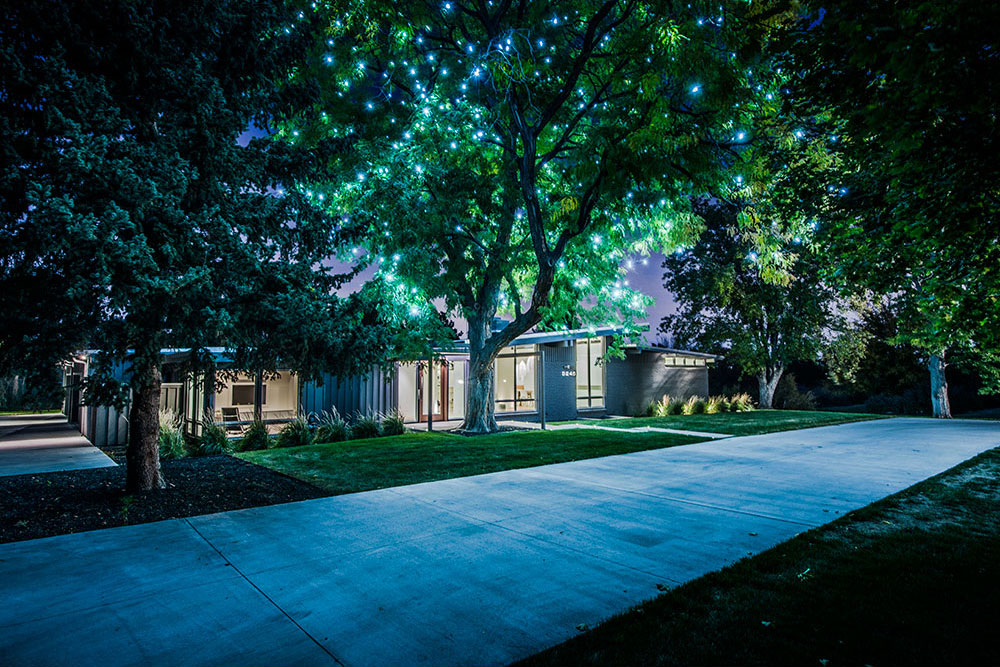
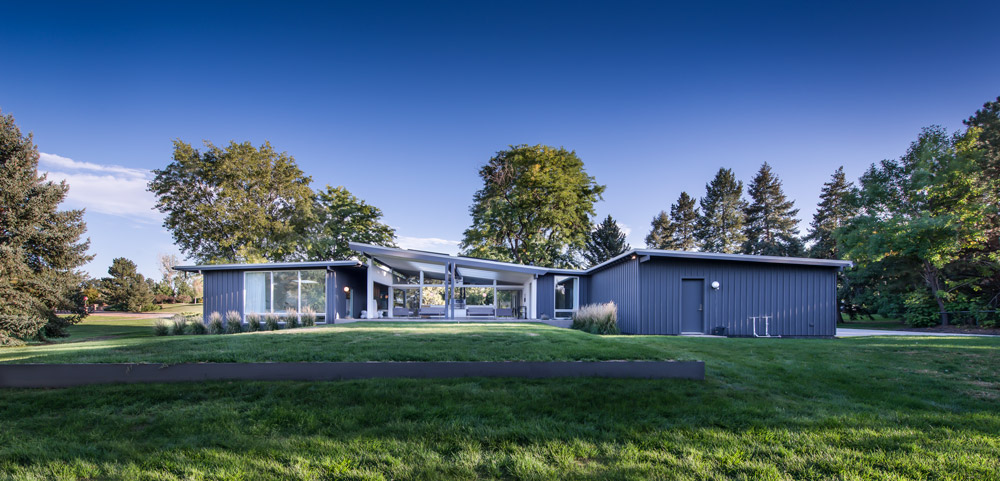
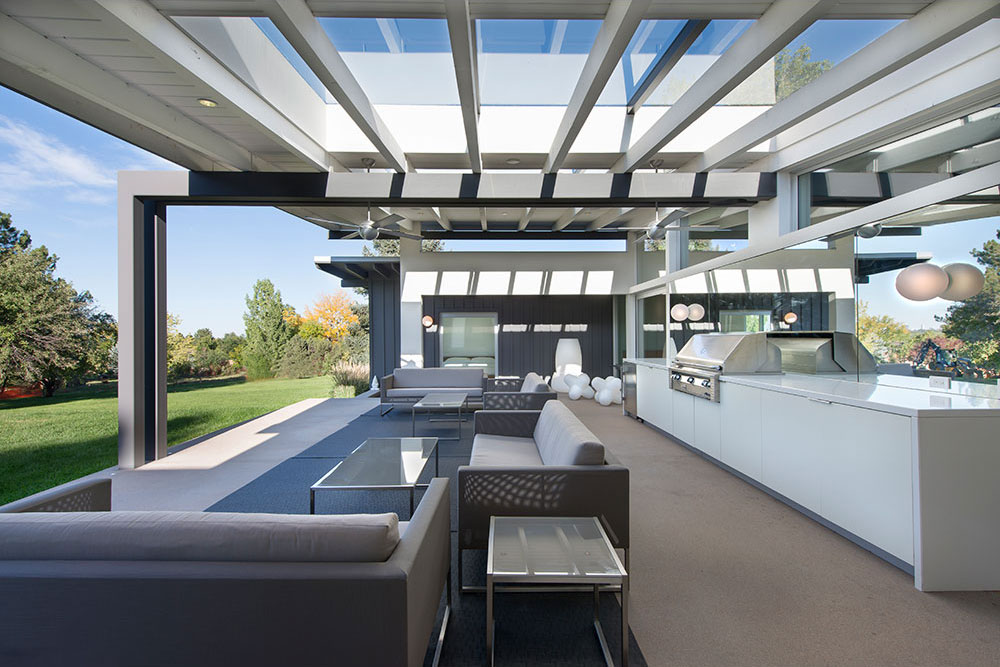
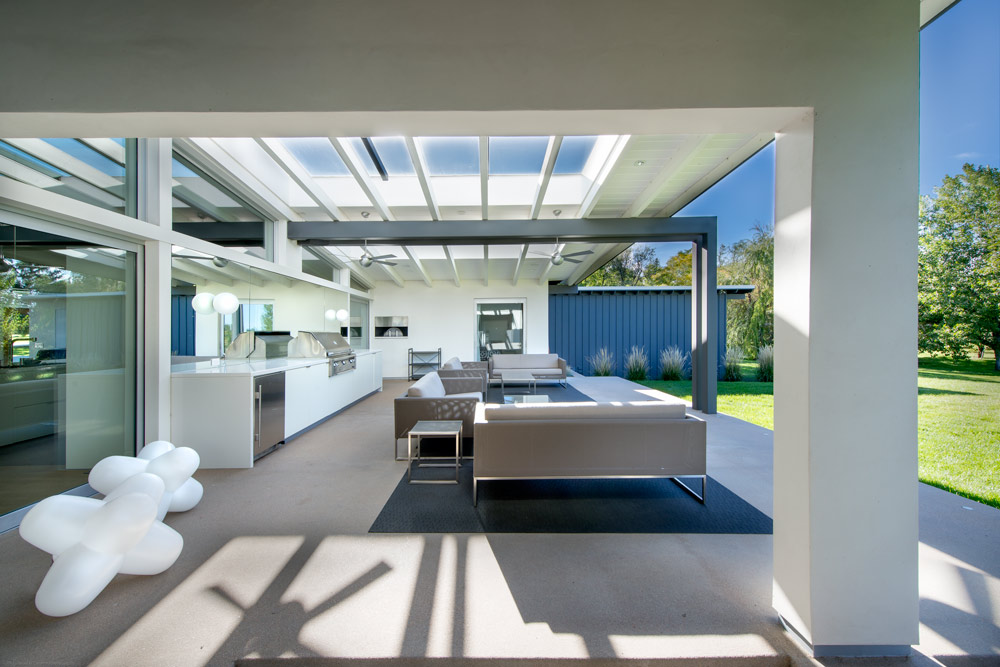
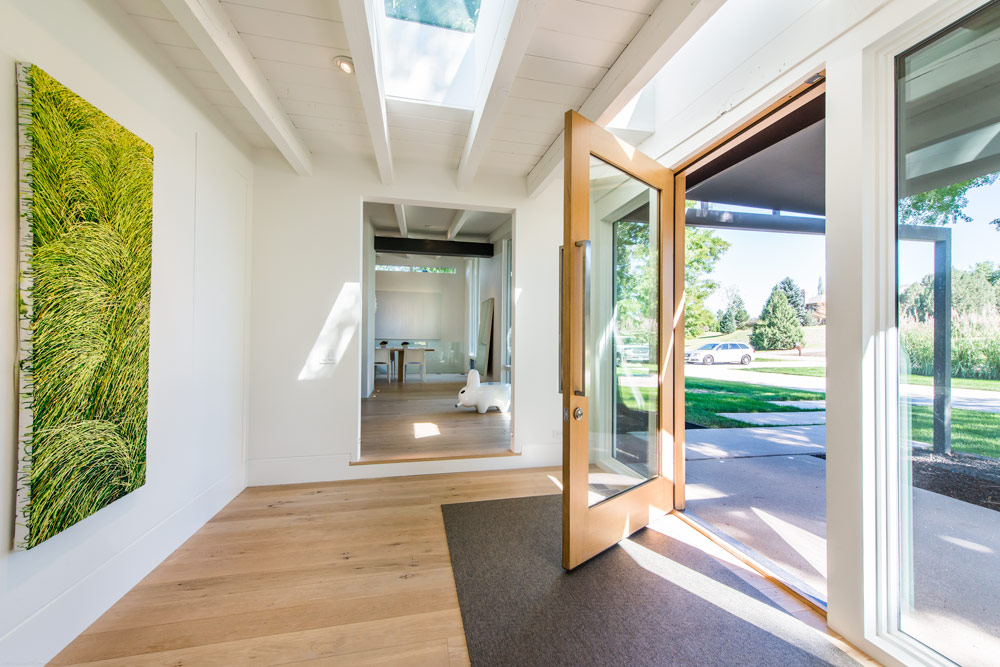
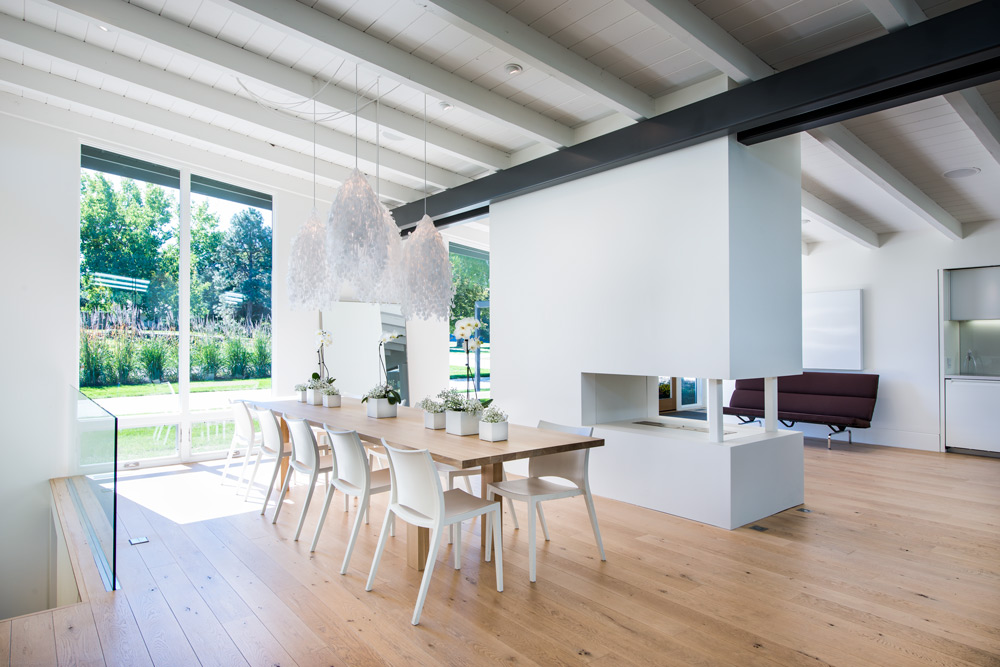
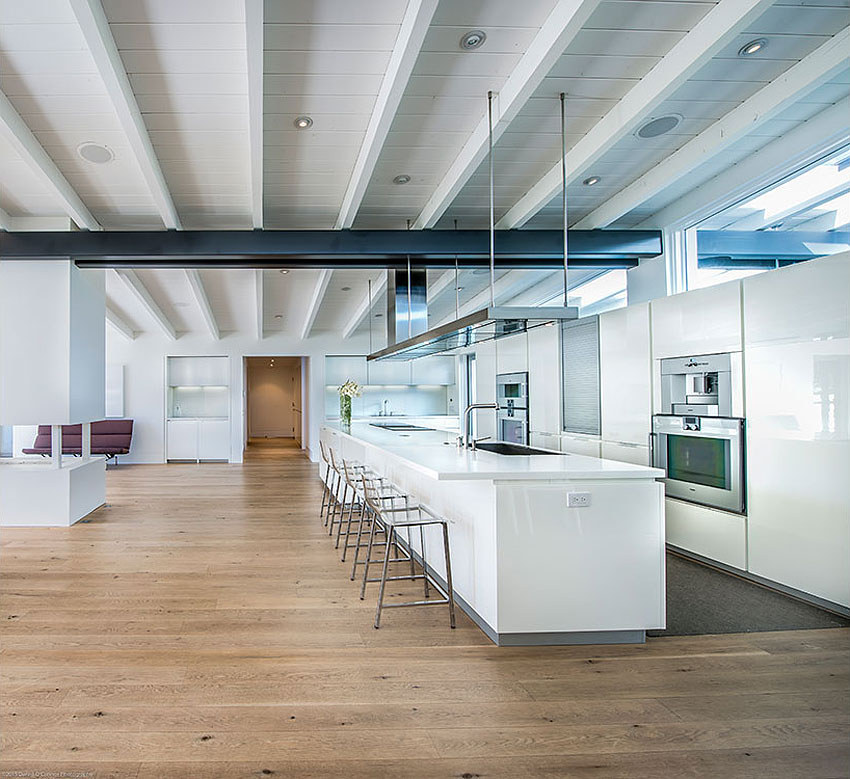
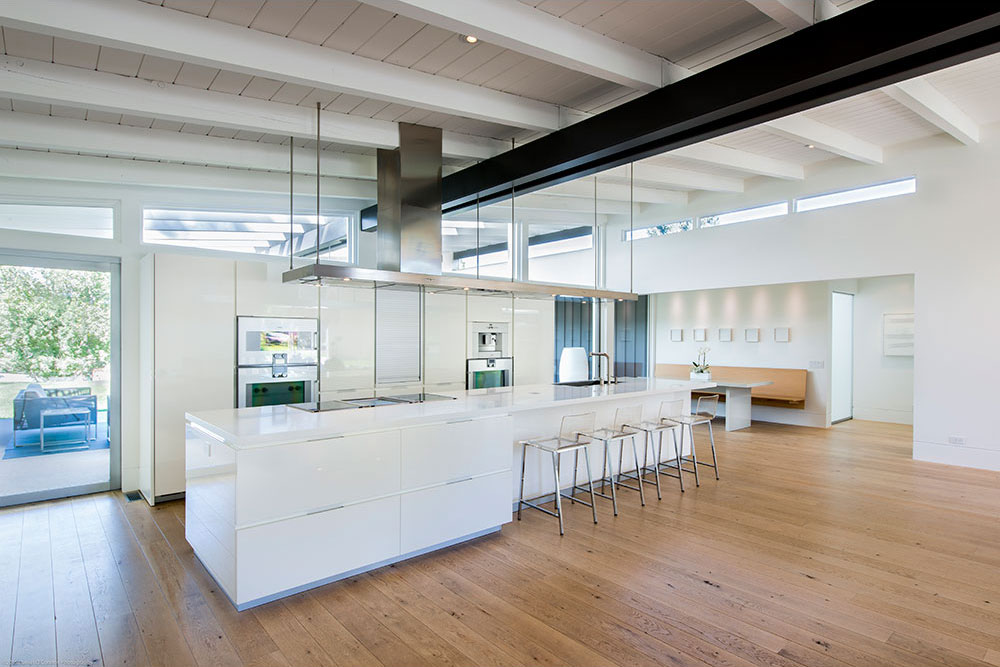
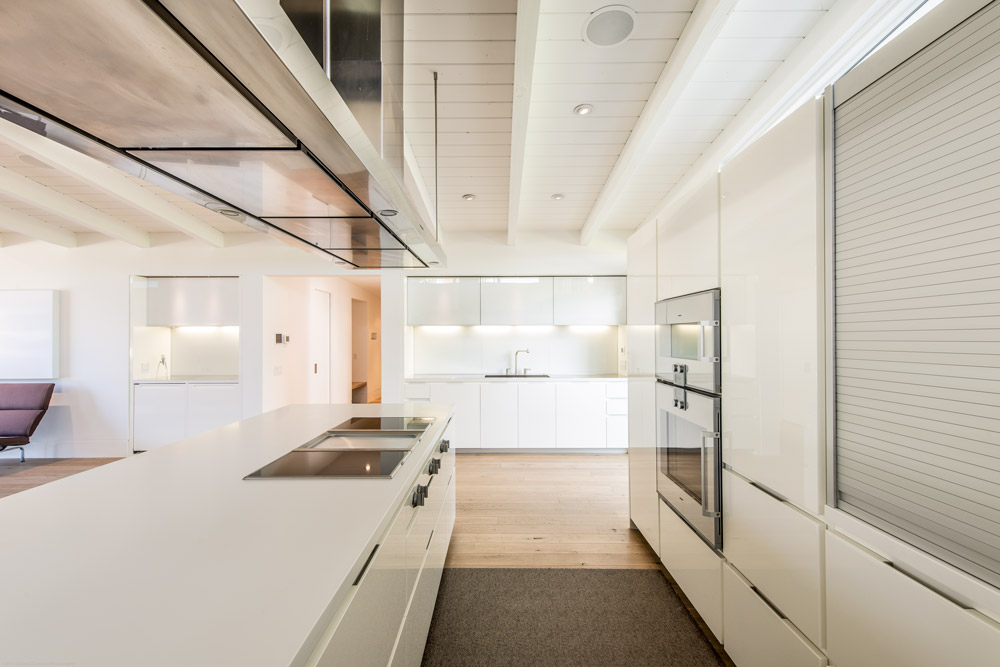
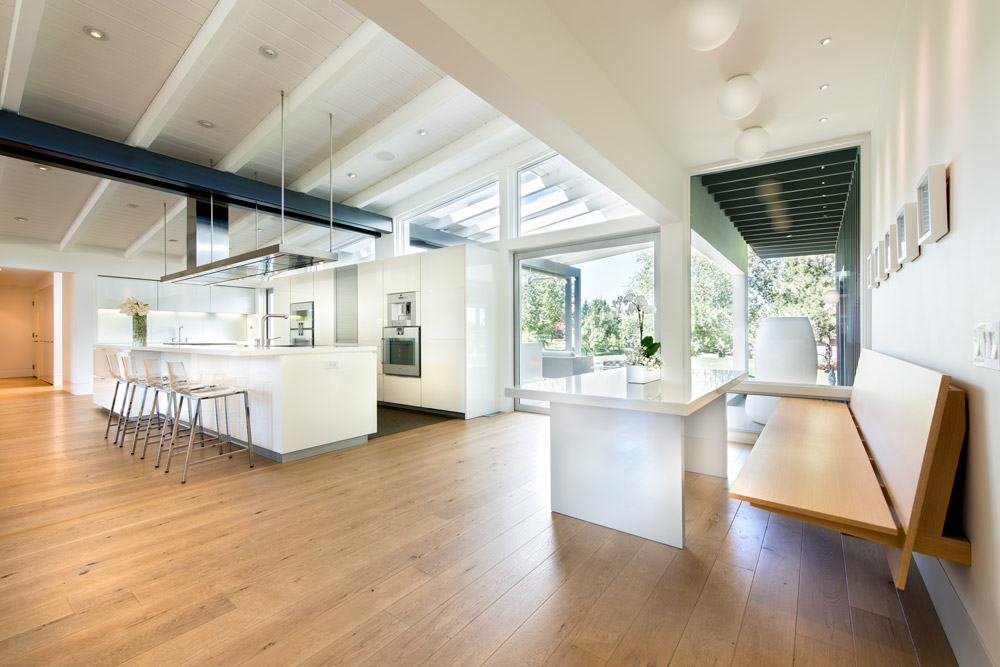
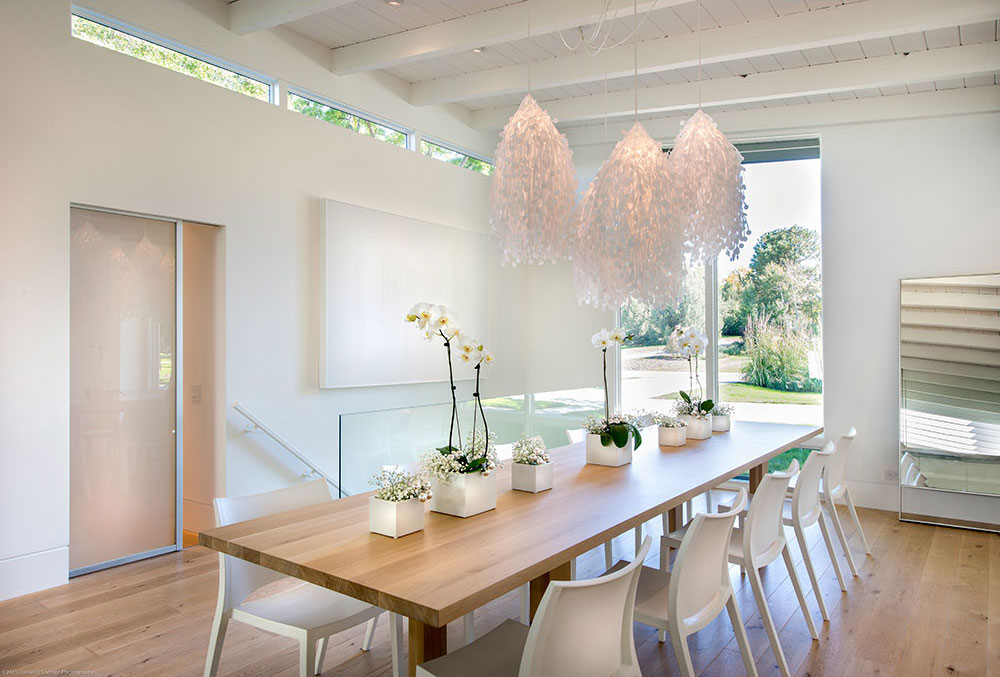
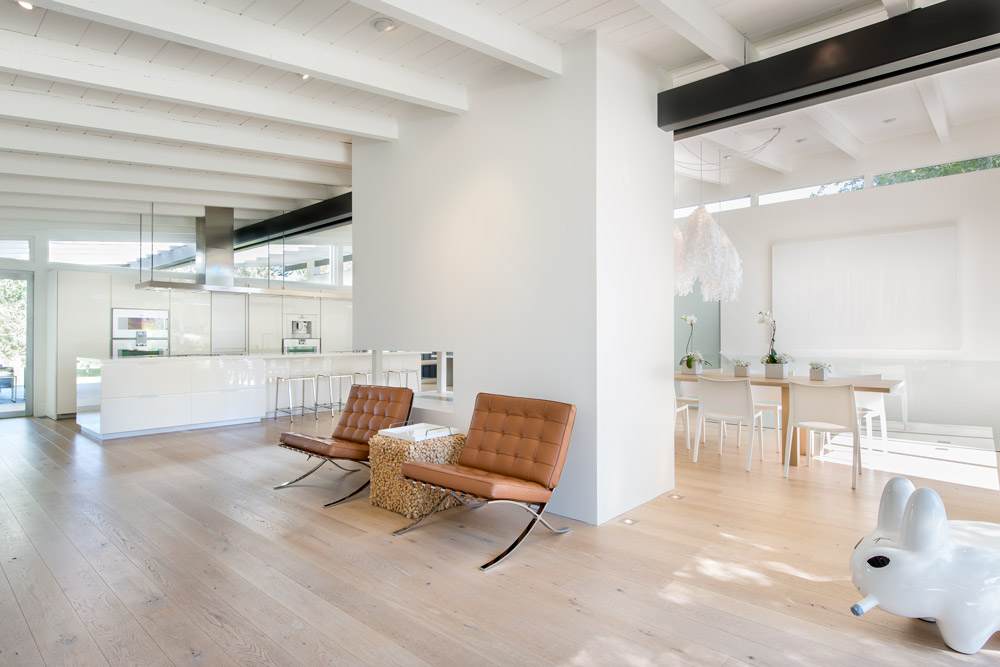
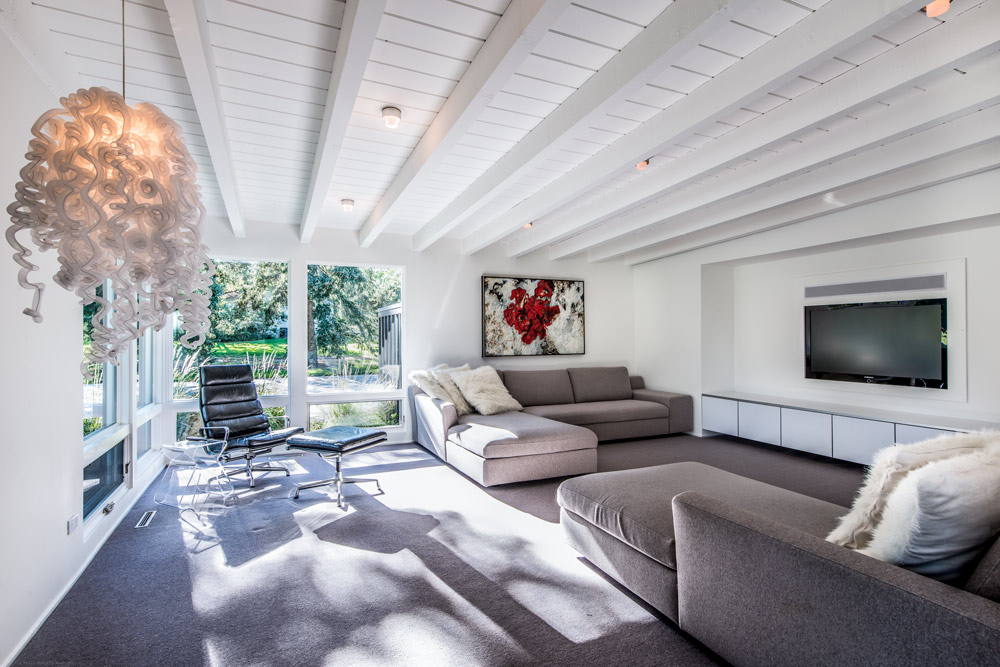
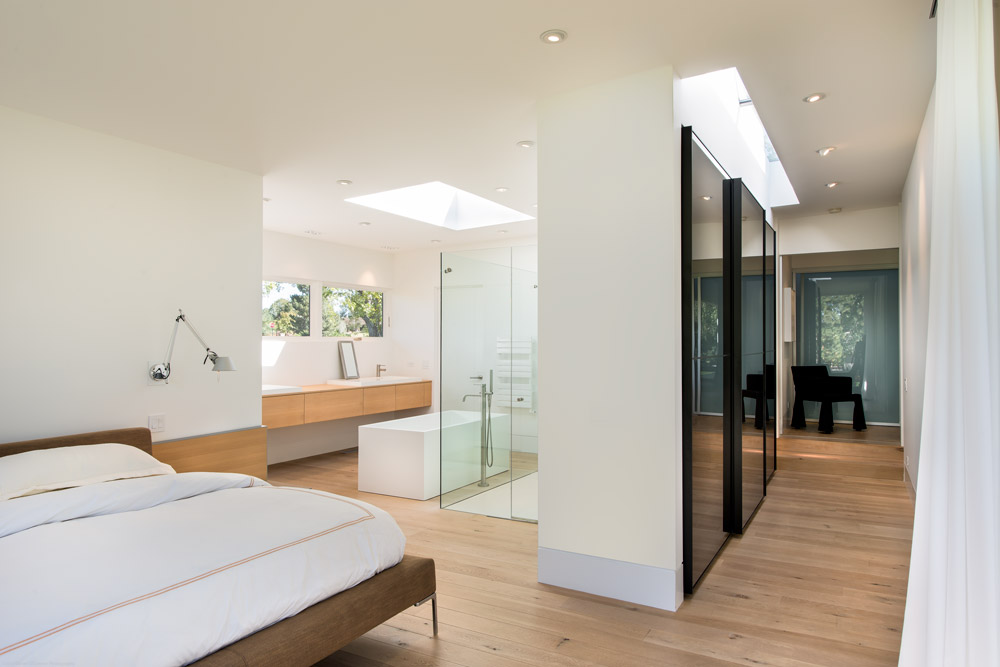
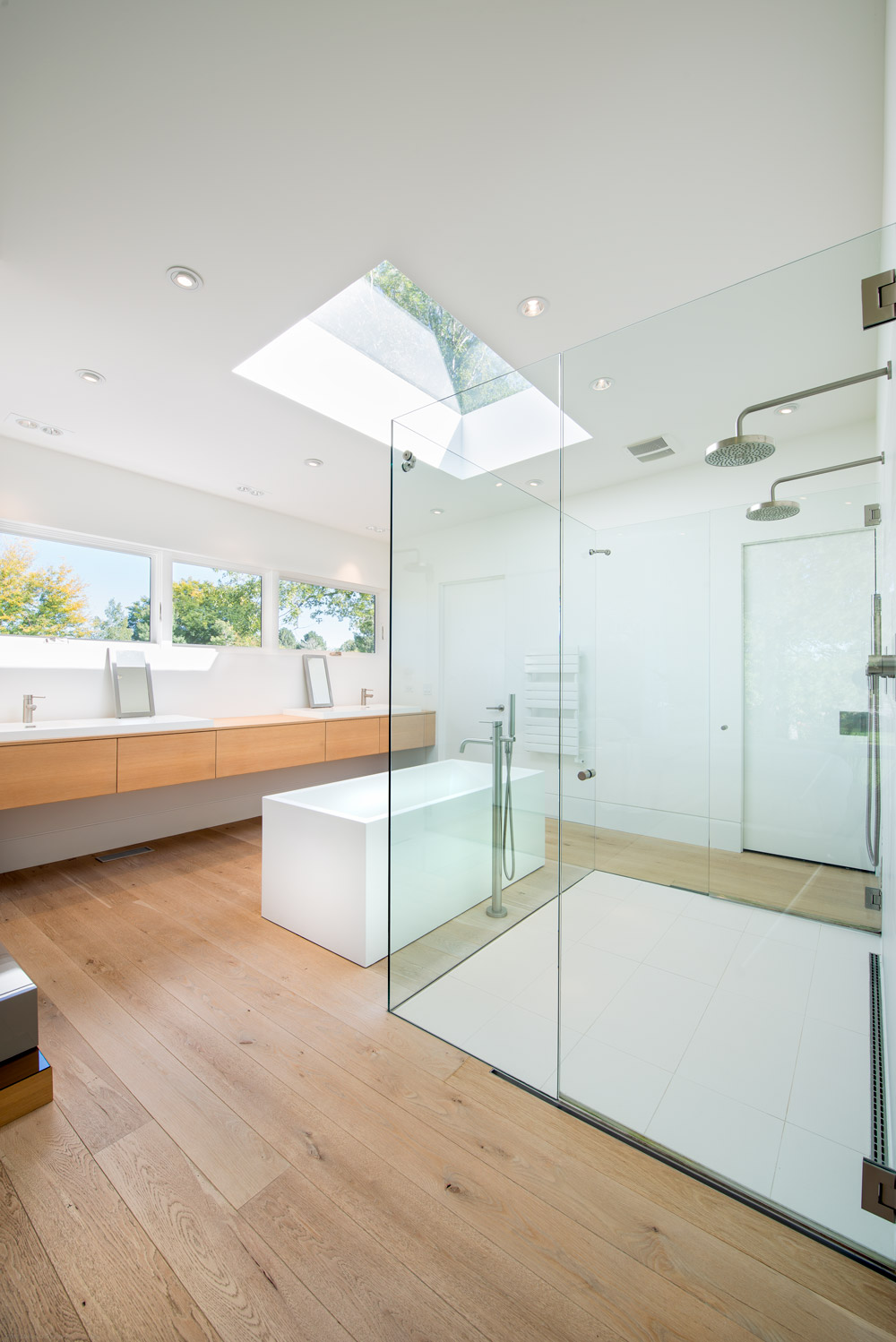

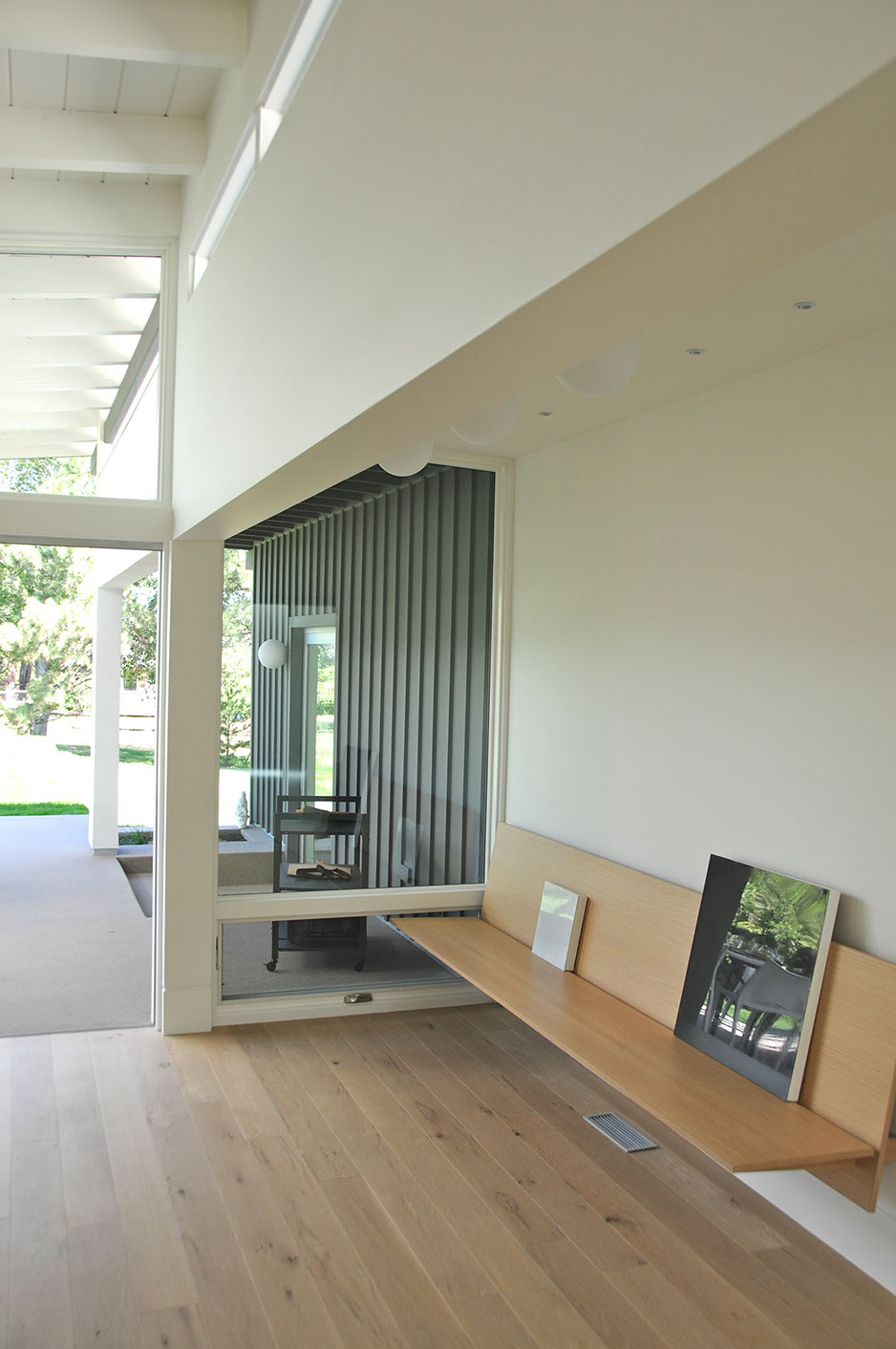


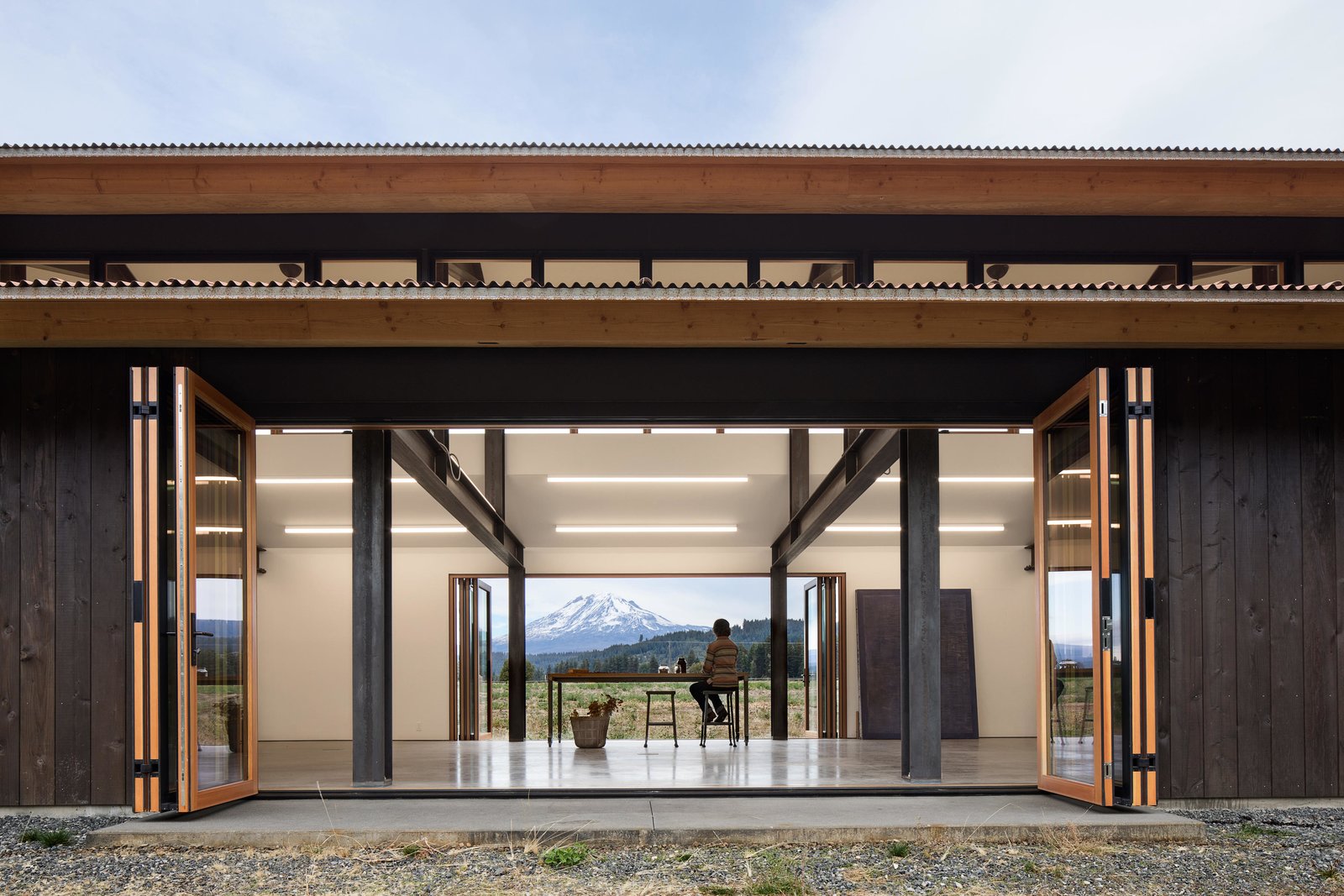
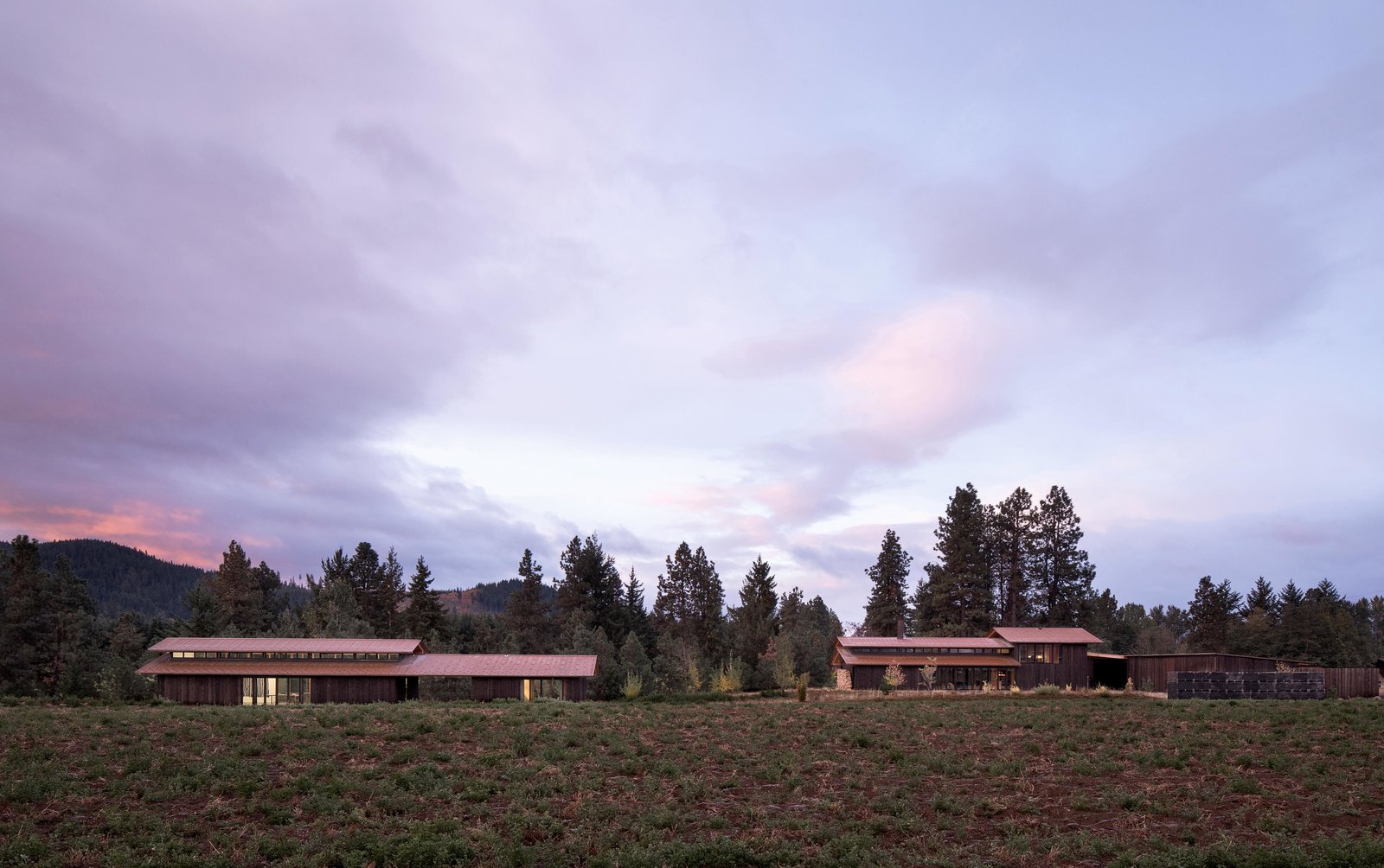
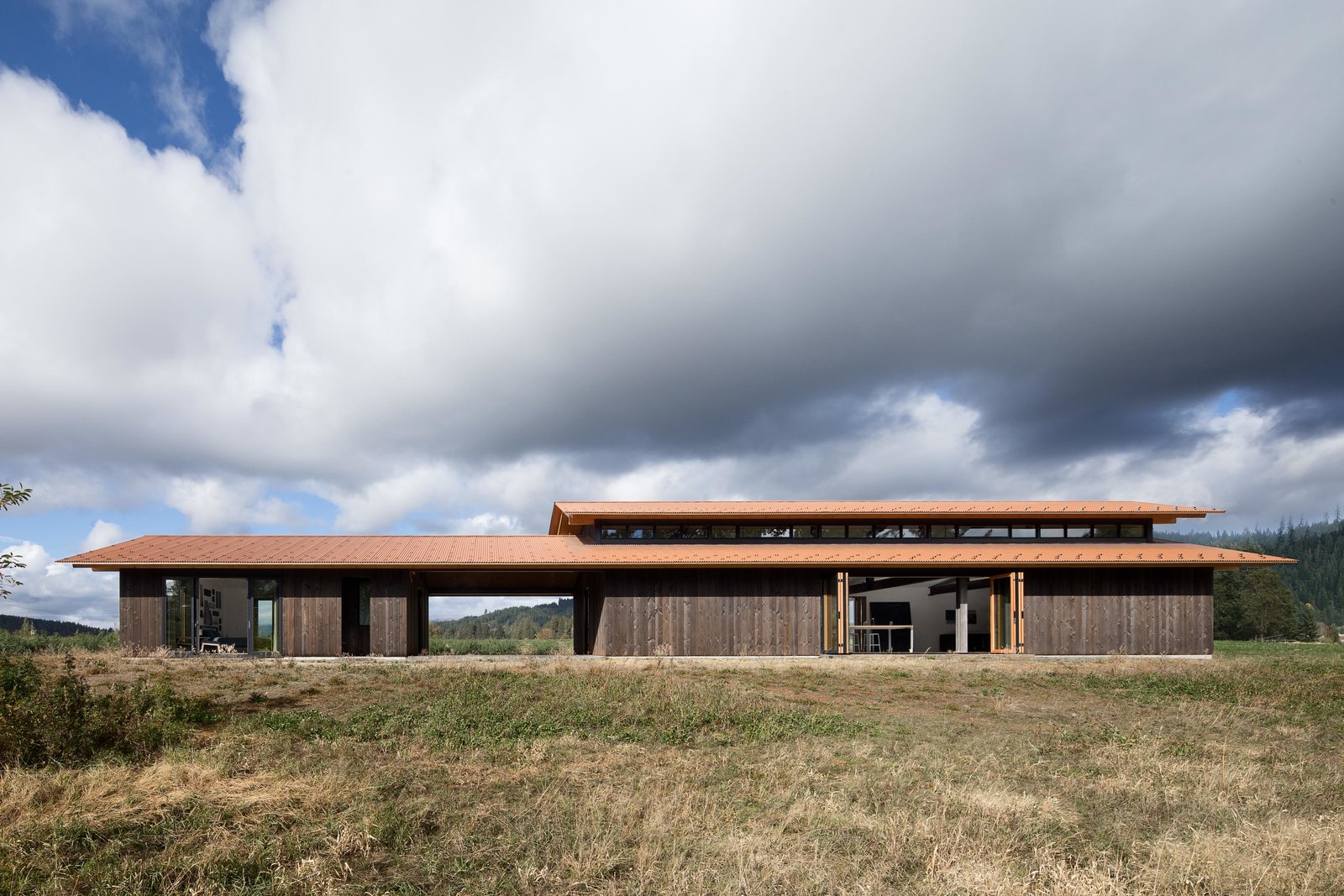
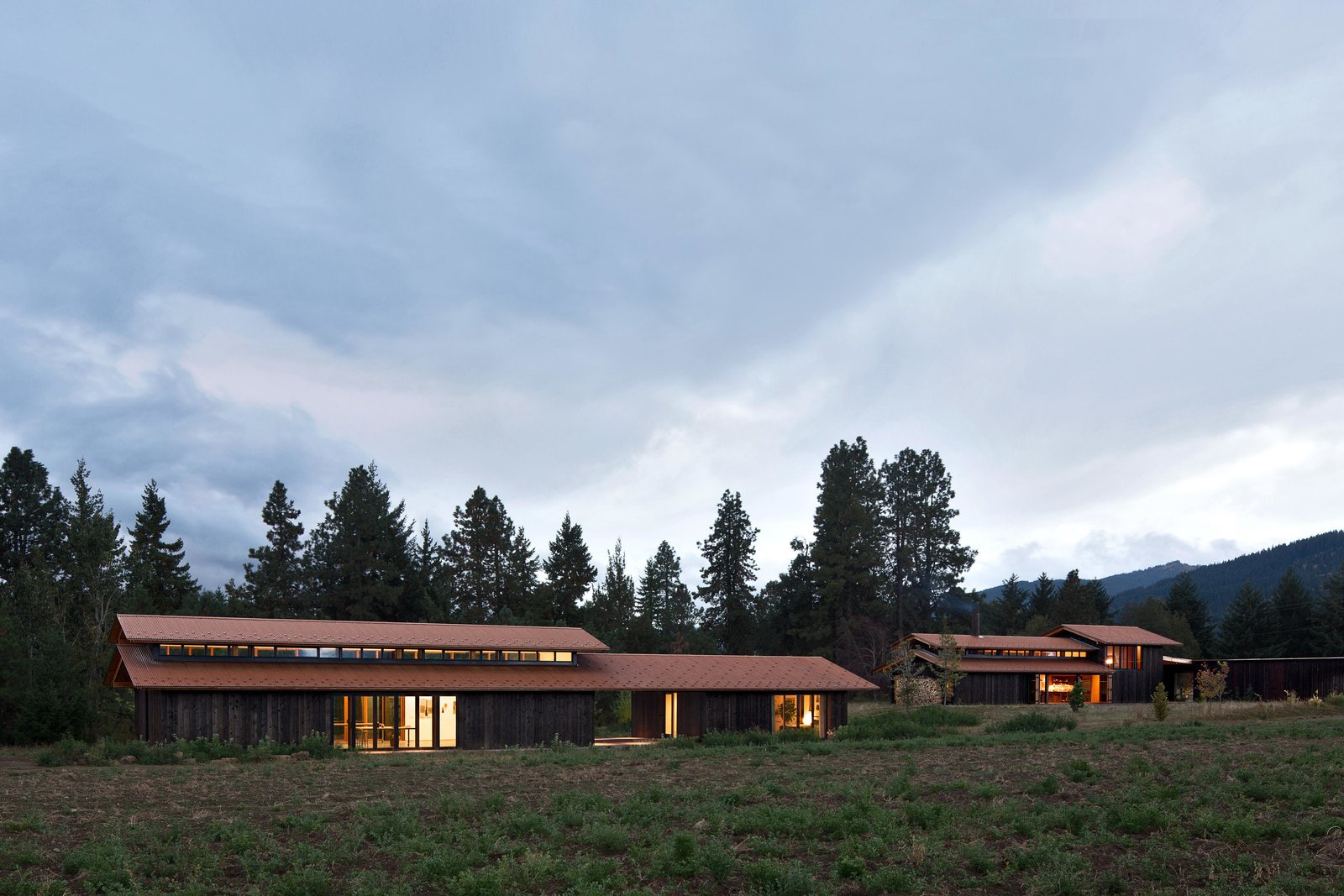
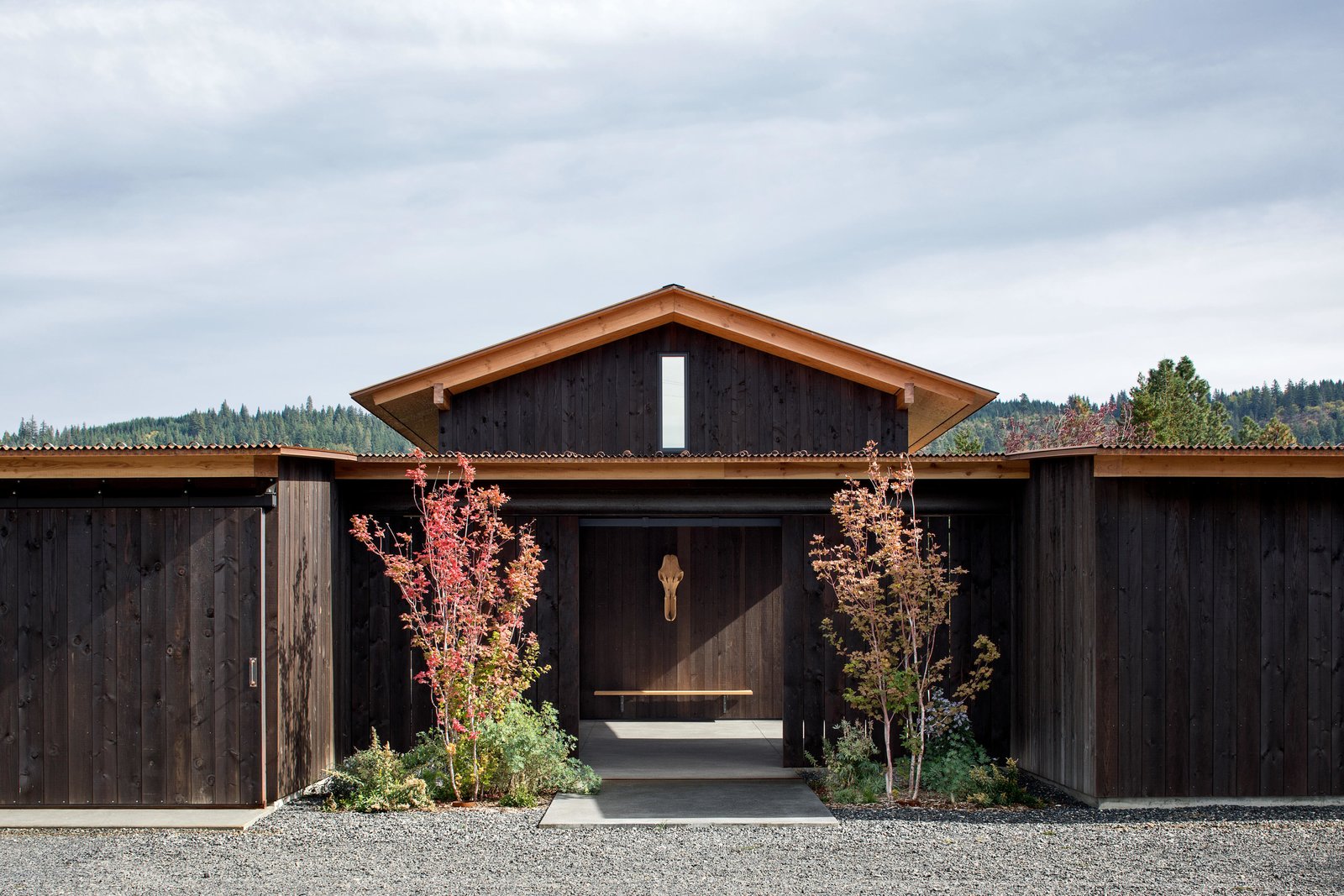
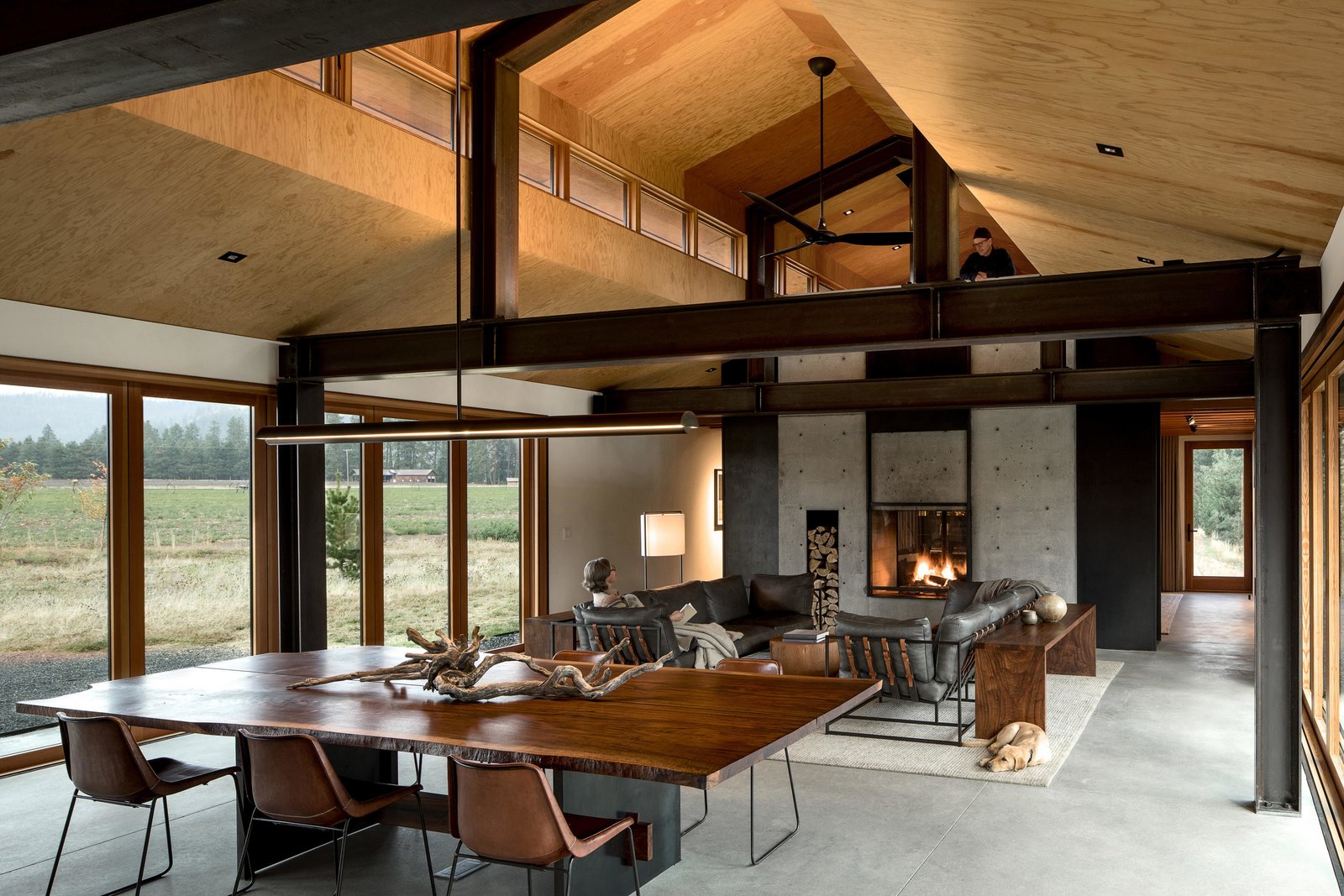
 The retreat contains four distinct buildings arranged in two groupings. The first grouping contains the main house, a woodworking shop, and a carport all contained under a single roof in a T-shape. A covered courtyard connects the three spaces in the middle of the “T”. A separate, free-standing artist studio is located just northeast of the main house, with a covered patio that connects to a guest room. Here, the owners work on their own projects, and occasionally host retreats and community-based arts workshops. In all four buildings, large bi-folding doors and sliding barn doors open up the spaces completely to the outdoors, allowing for the movement of large artworks and equipment, as well as an intimate connection with the environment.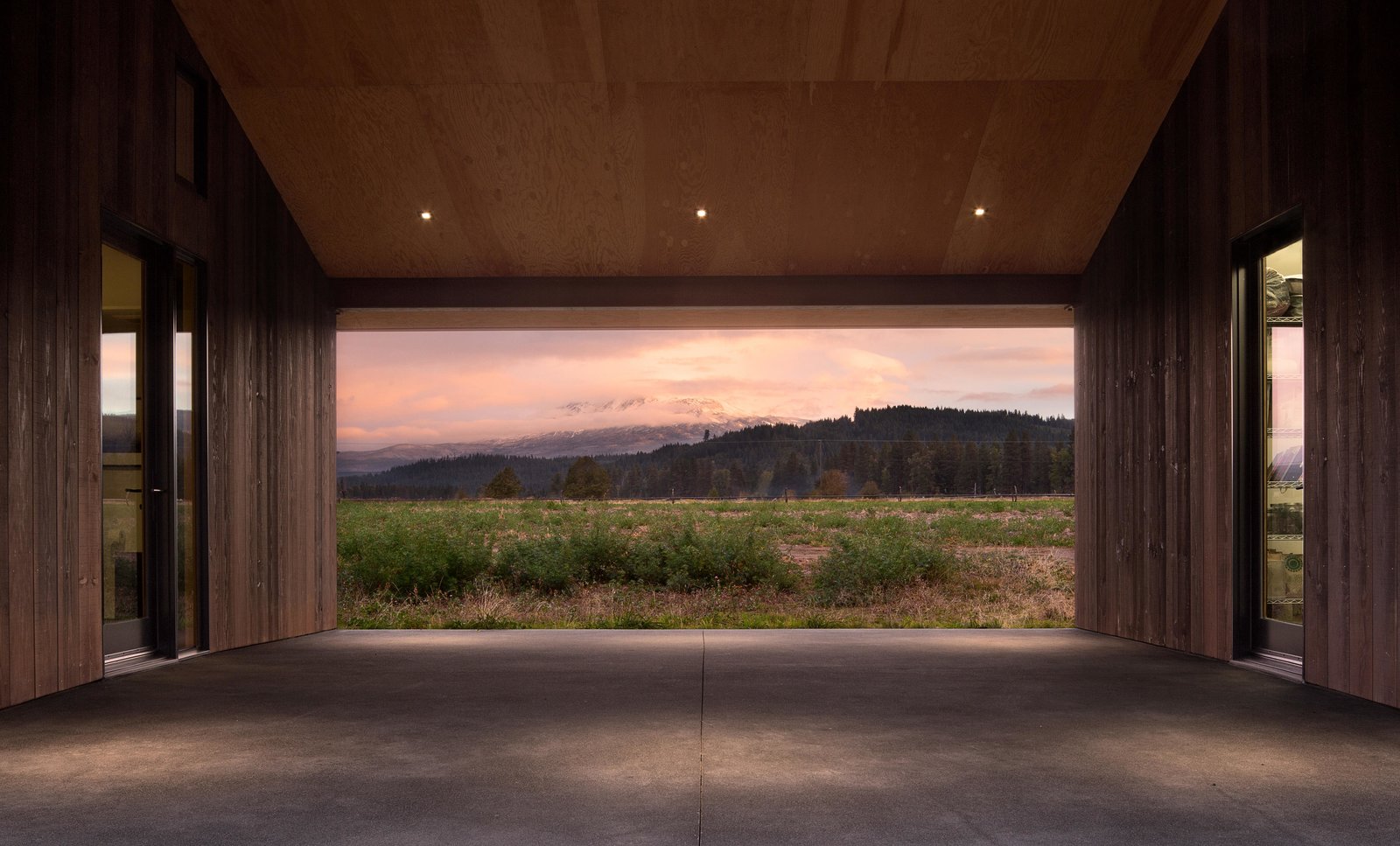
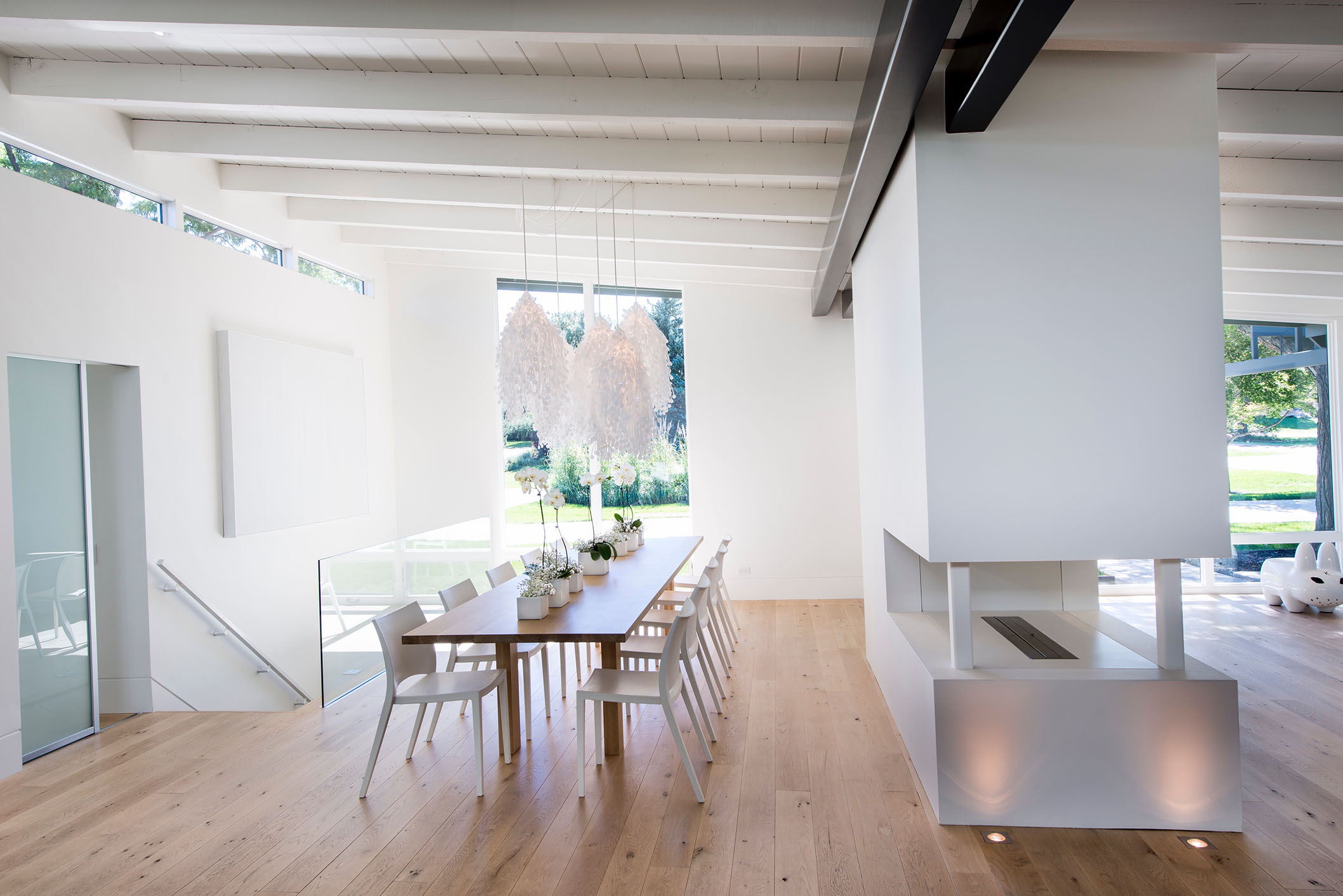
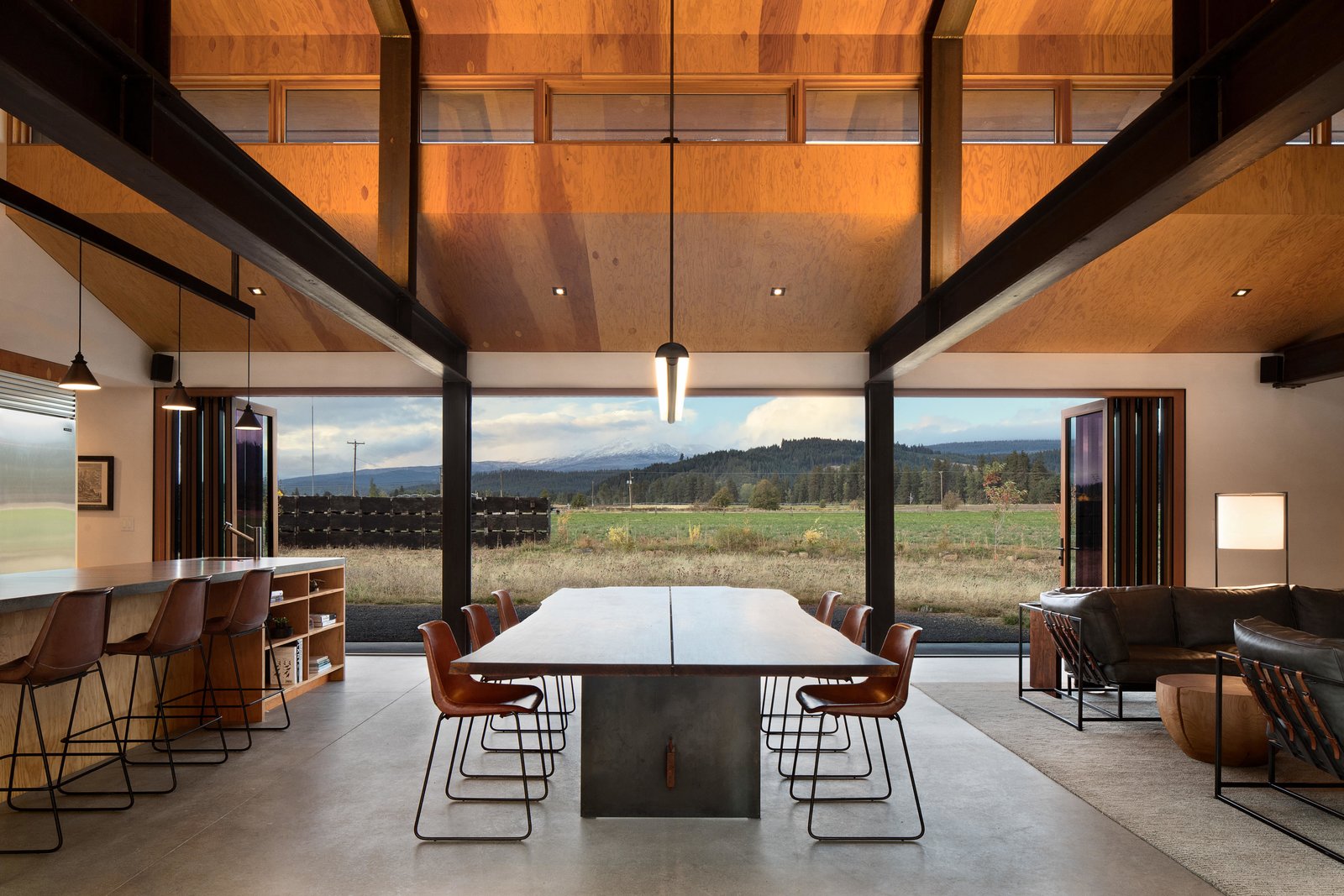
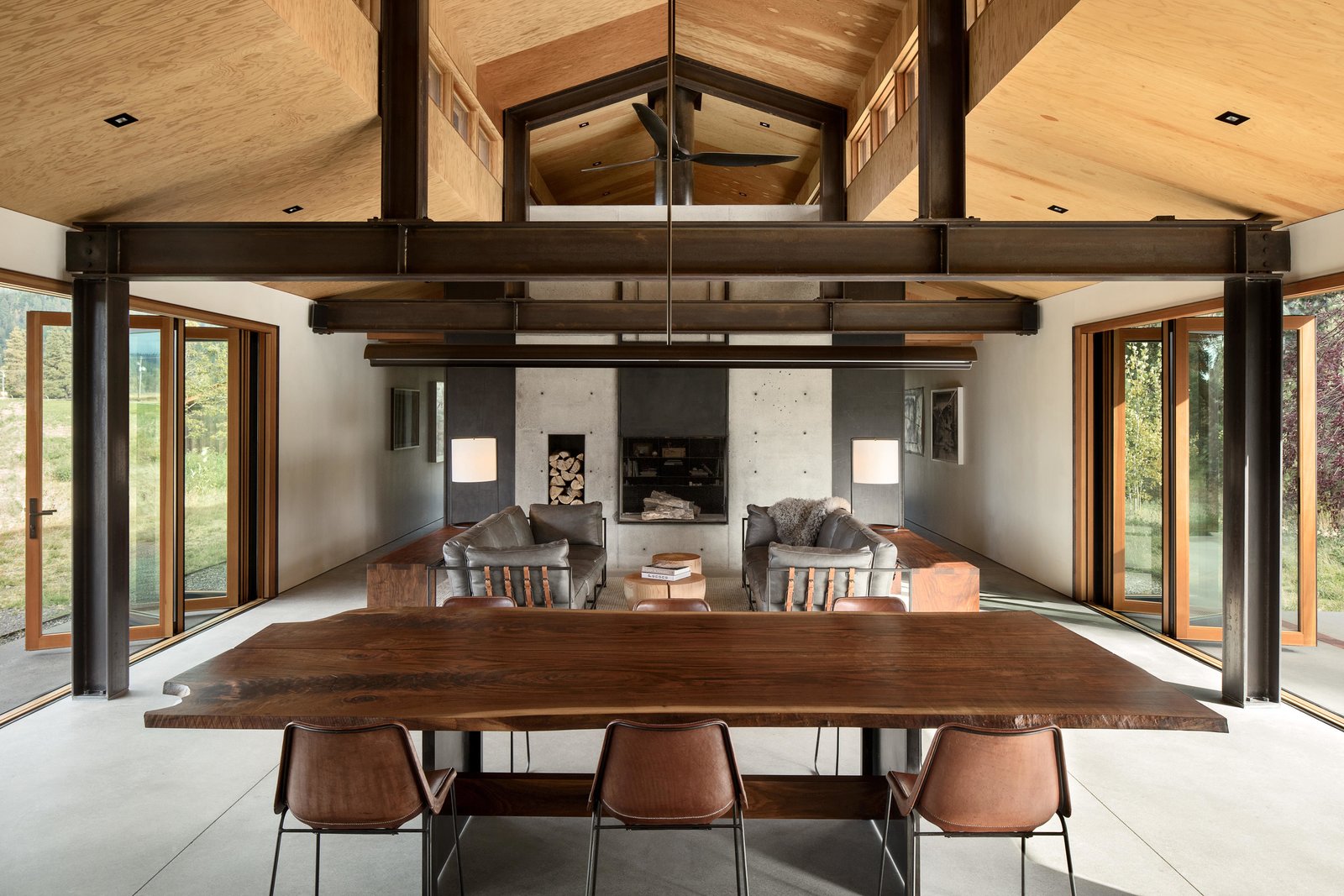
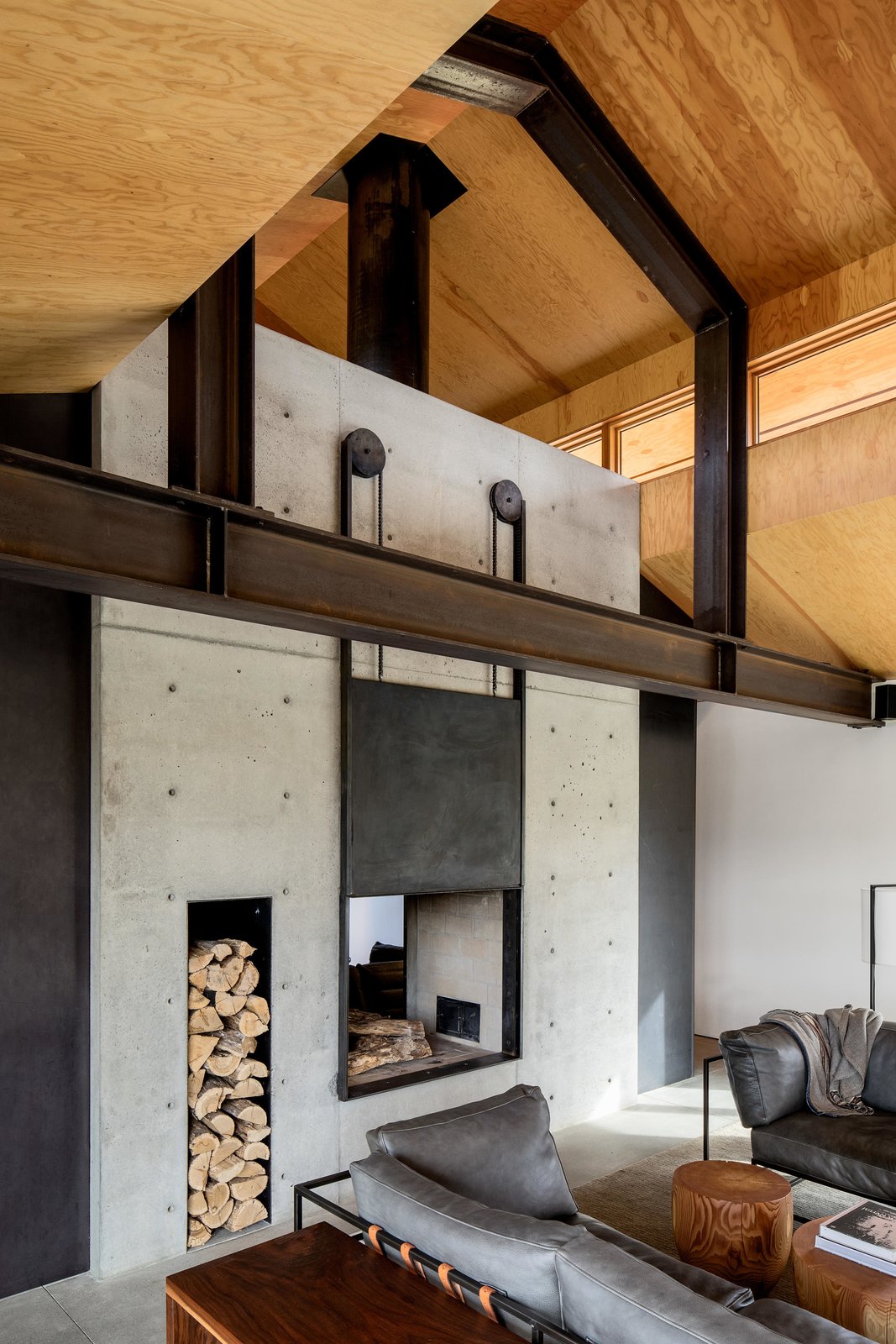
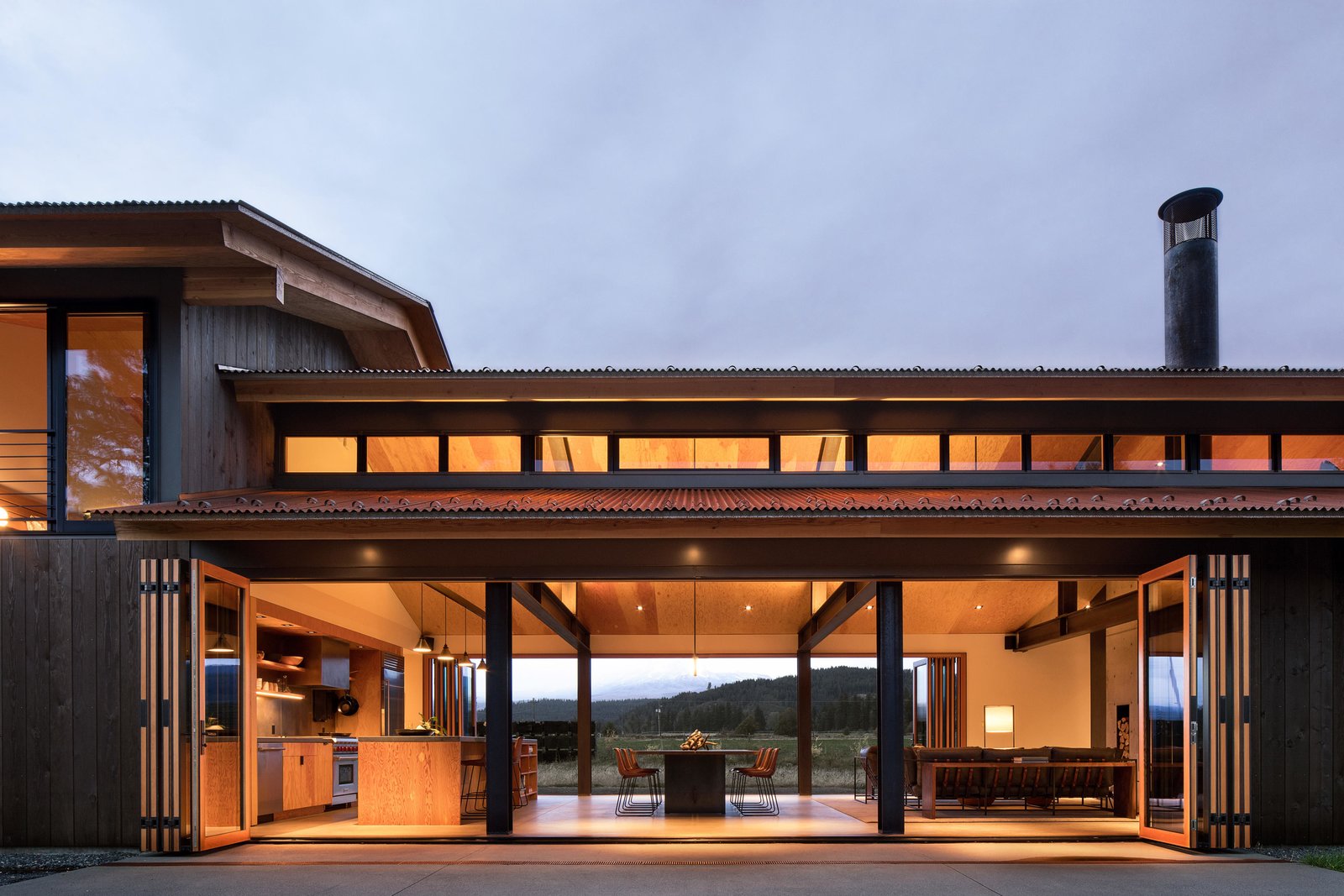 The main house is minimal in form, consisting of a single double height volume with an open plan living, dining and kitchen area separated from a library by a double-sided fireplace. A set of hidden steel stairs nestled into the concrete fireplace lead to a loft above the library. The home’s single bedroom is located above the bathroom and mudroom and is accessed via a set of open stairs in the entry foyer. Two sets of 30-foot-long bi-fold doors in the main living space allow the home to open completely on both sides, maximizing the home’s sweeping views of the nearby river and Mount Adams.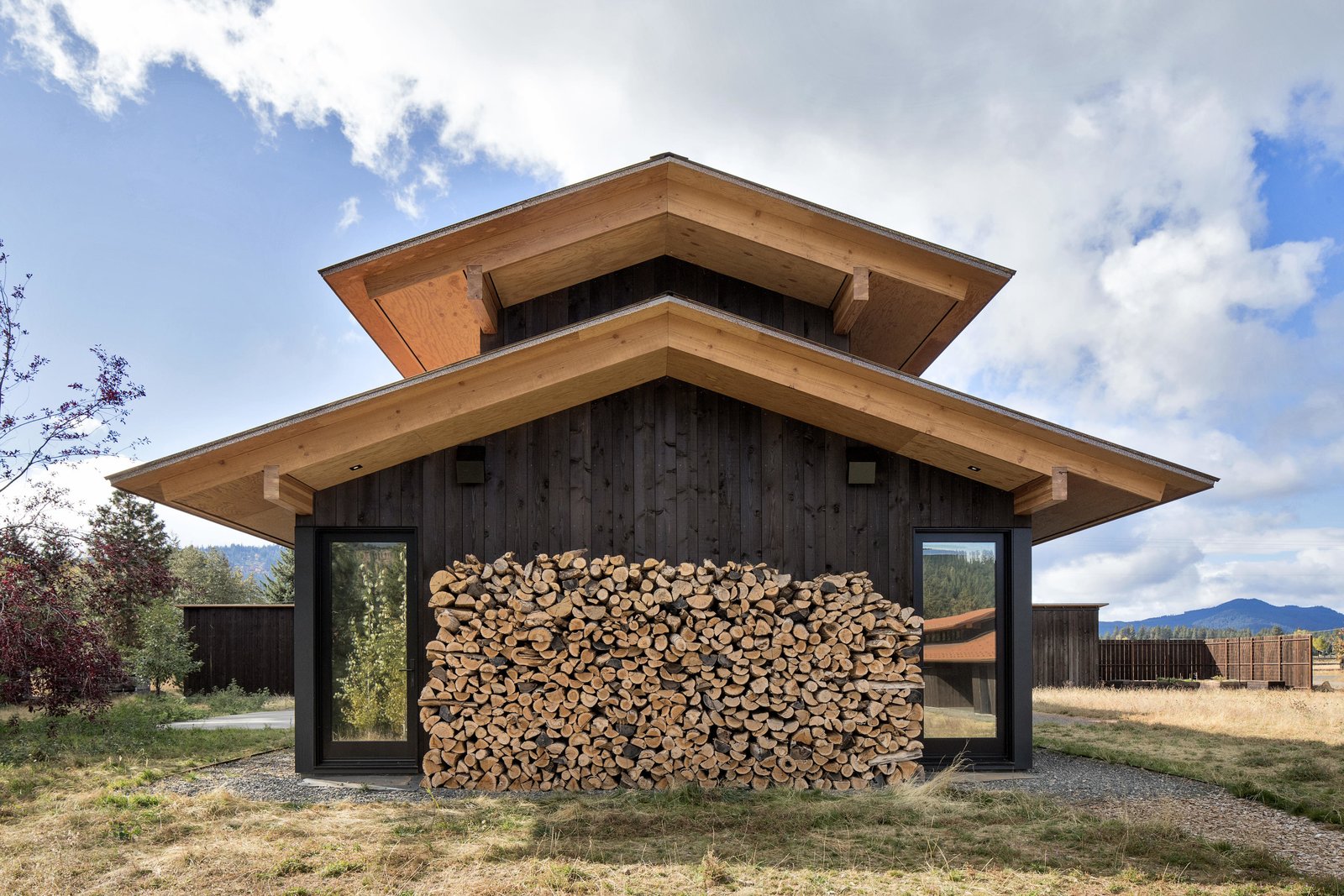

 Main Level
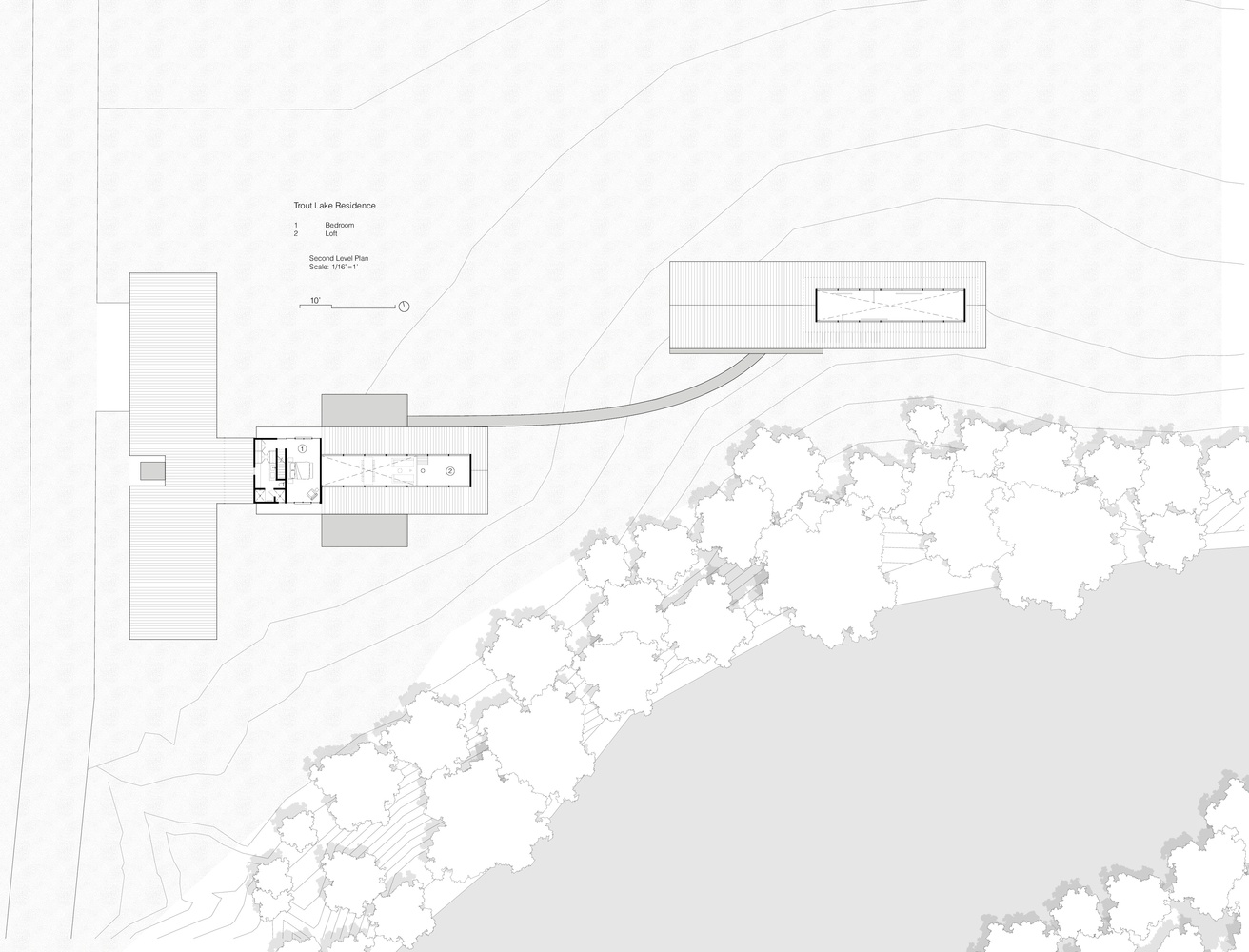 Second Level
 Beautiful Musings