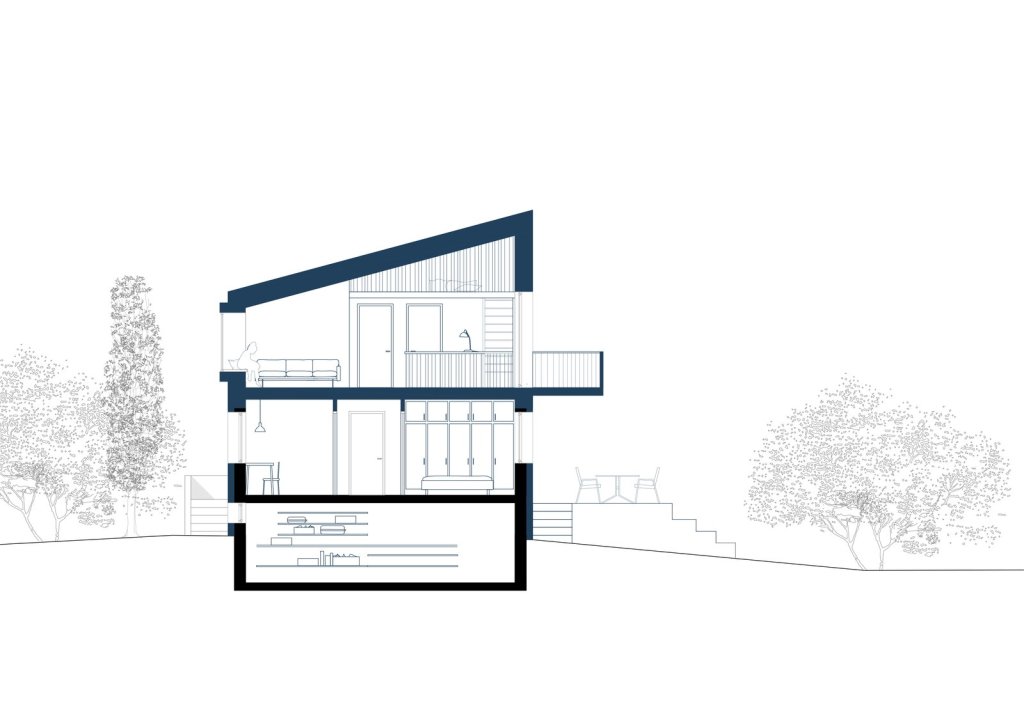
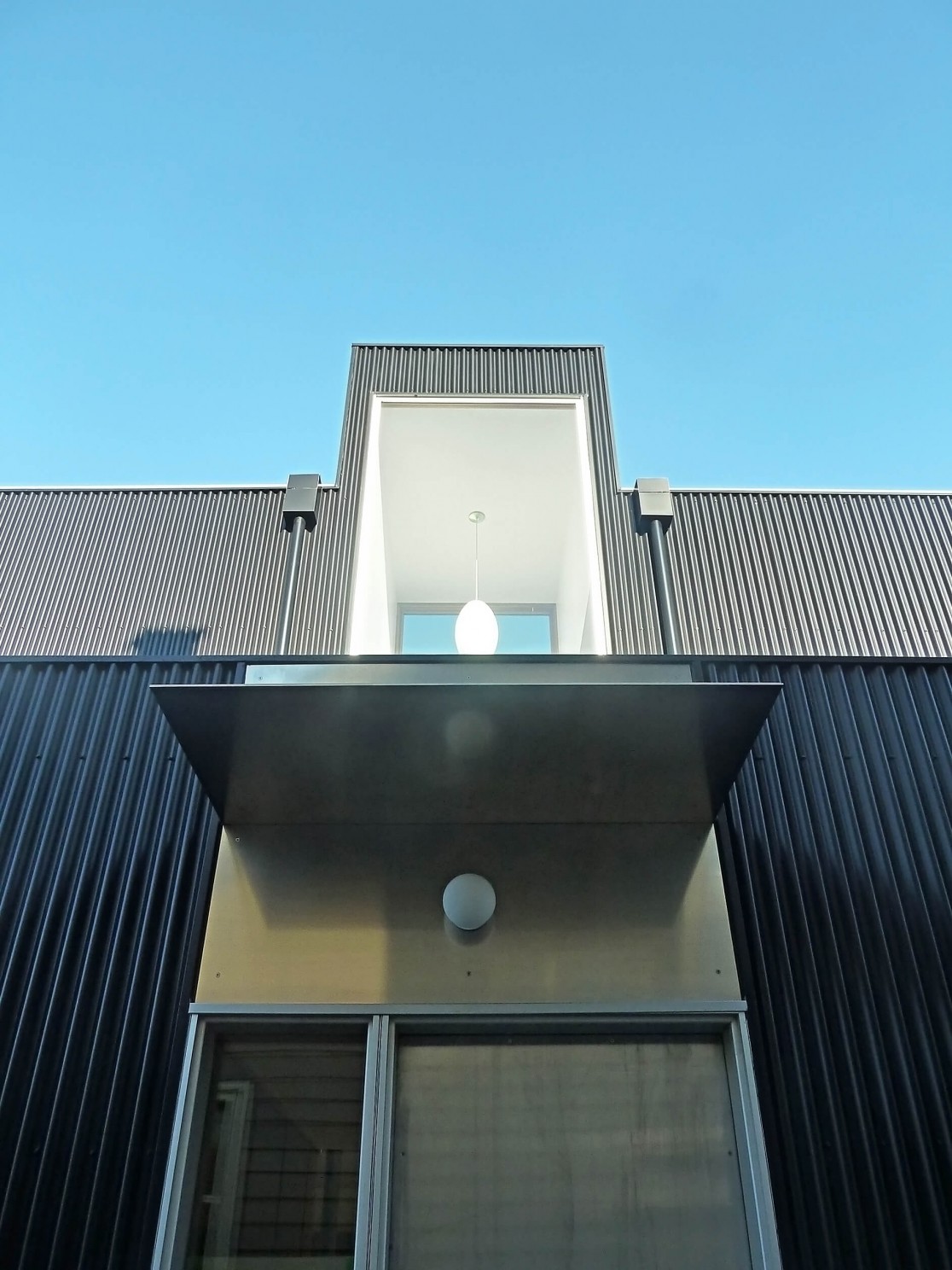
Designed by Danish architect Sigurd Larsen, the Blå Hus—also called the Blue House—is perched atop a hill in Roskilde, Denmark. From its lofty vantage point, the home peers out over the city’s namesake fjord and medieval center. The upper level of the structure was built on top of a preexisting brick house from the 1950s. A layer of corrugated steel covering the facades and roof works as a climate shield, while also creating the illusion of a towering blue monolith.
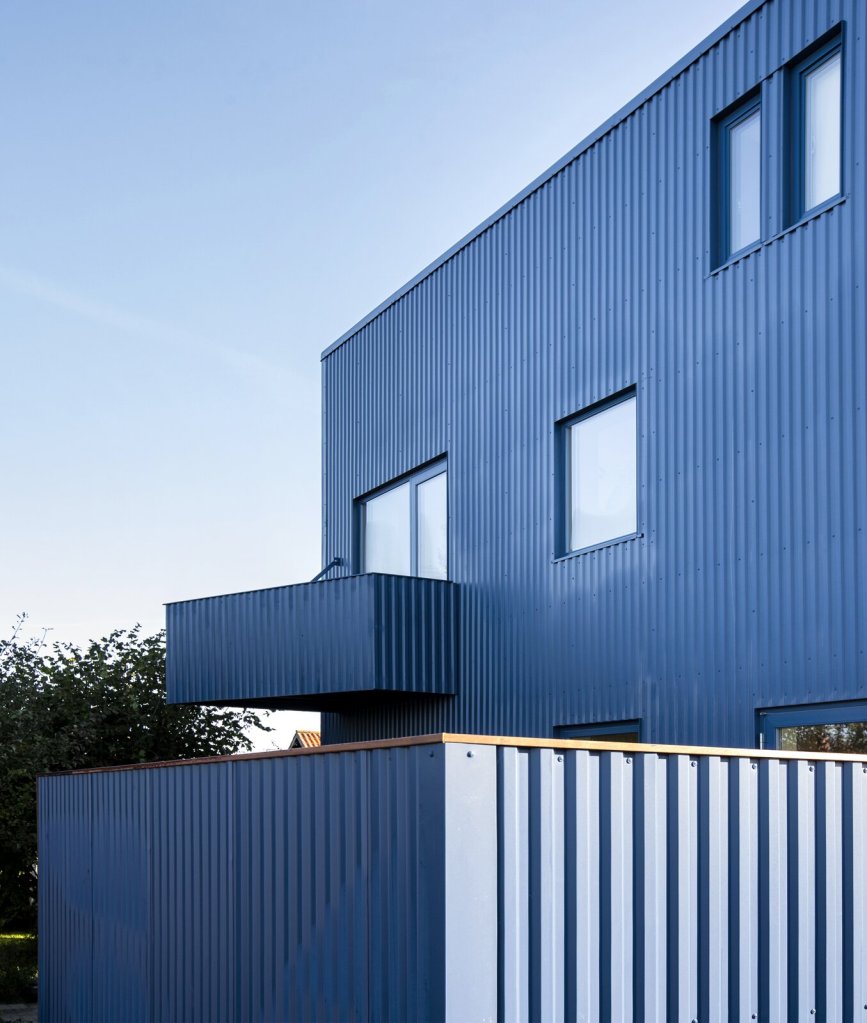
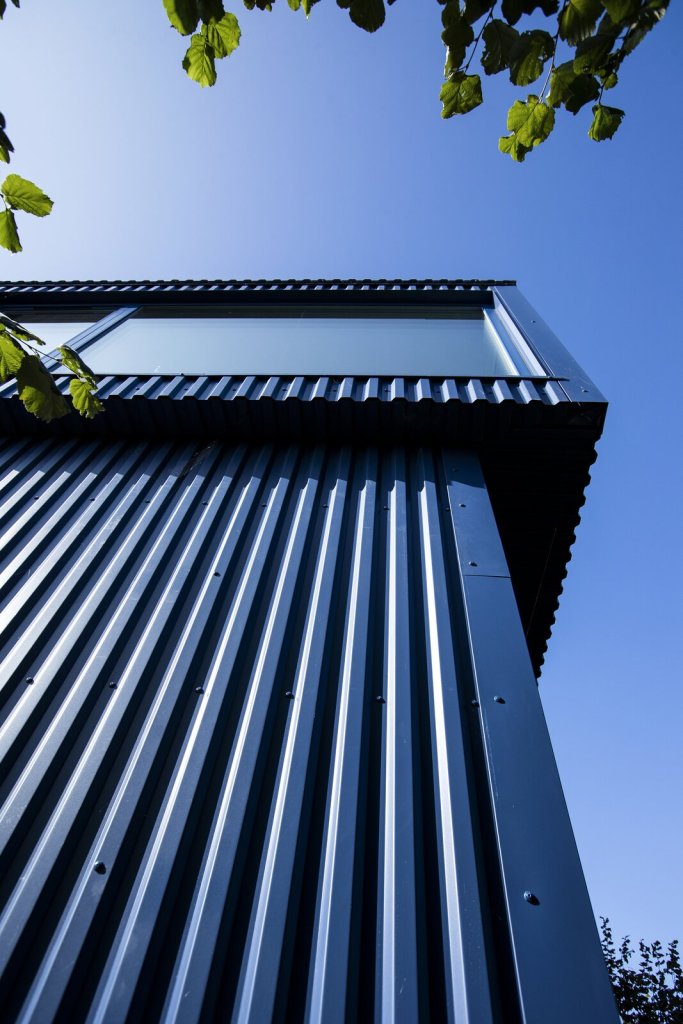

The 1,851-square-foot home’s bold color was chosen to blend into the Scandinavian sky, drawing from the moody hues that linger in the region’s thick fog and mist. Inside, the main living areas are spread across two levels.

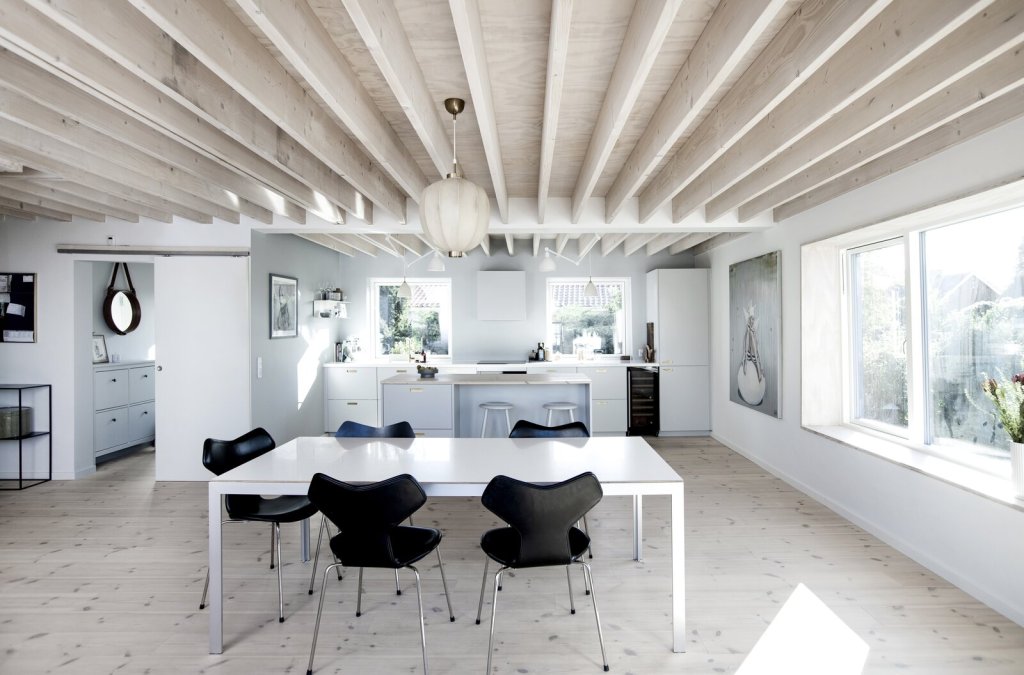
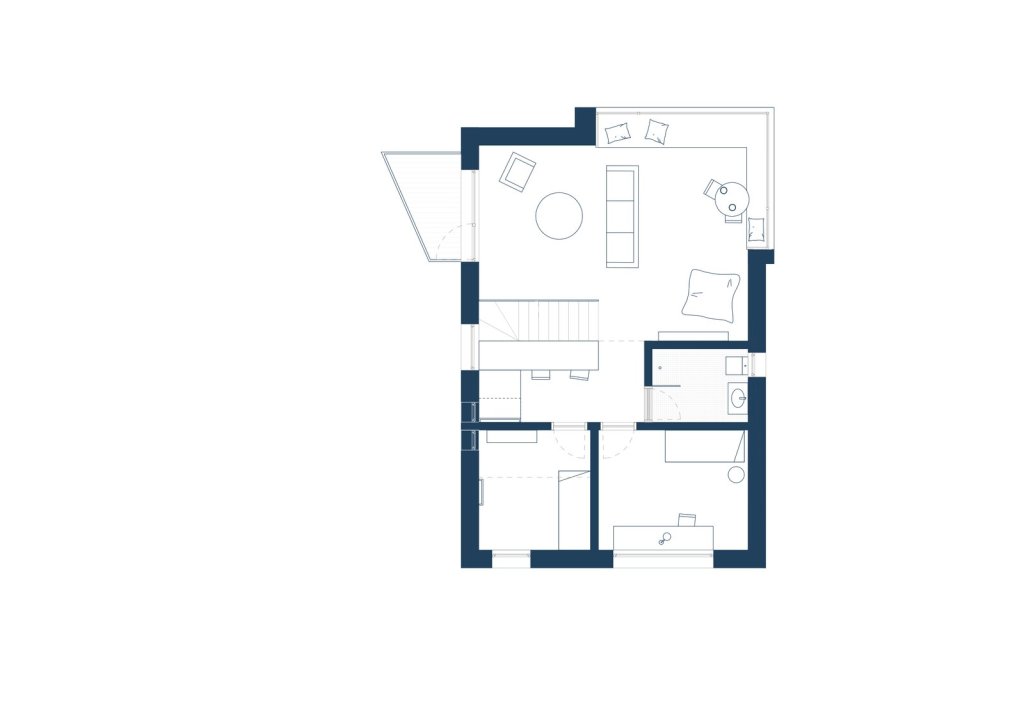
The “mid” floor features an open kitchen and dining room that leads to a garden and southwest-facing terrace. Another airy, lofted living room sits on the upper level, with a large corner window that overlooks the fjord and cathedral and fills the space with light.
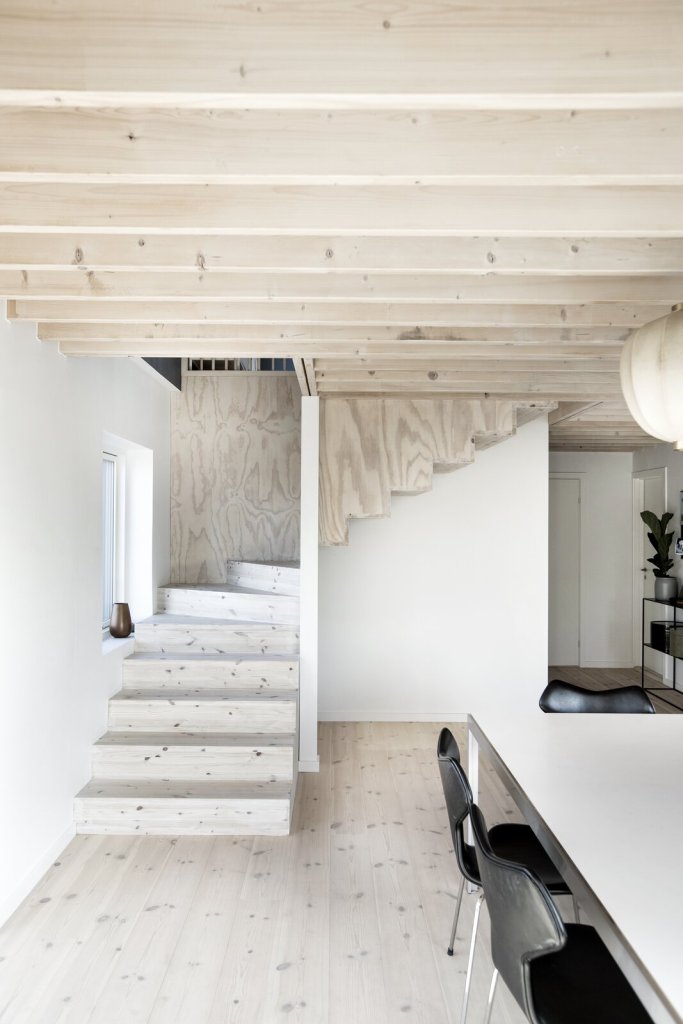
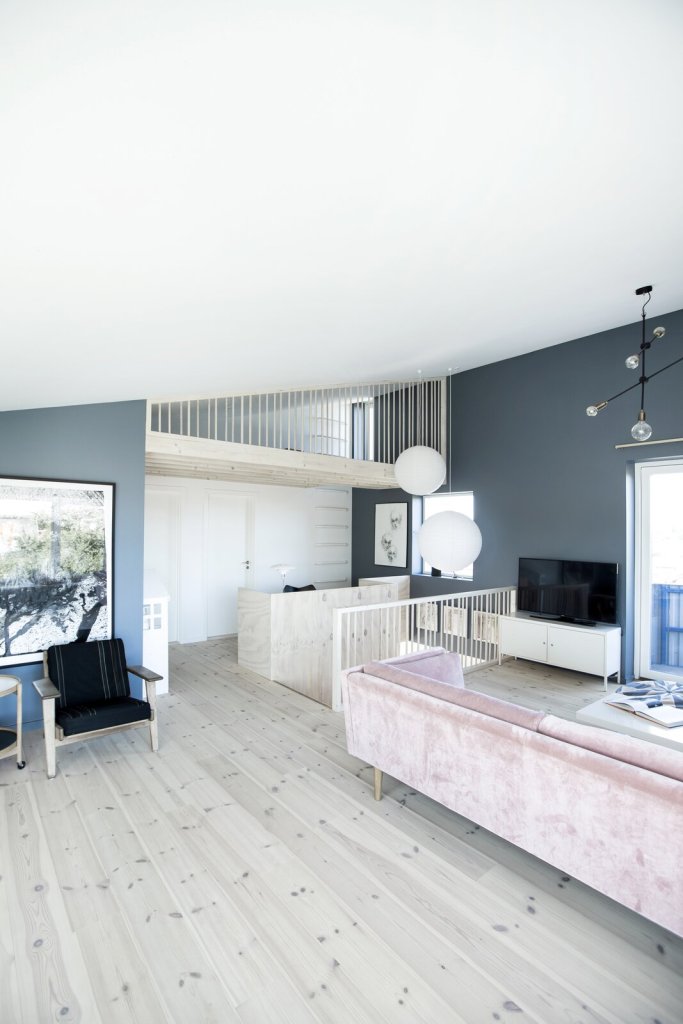
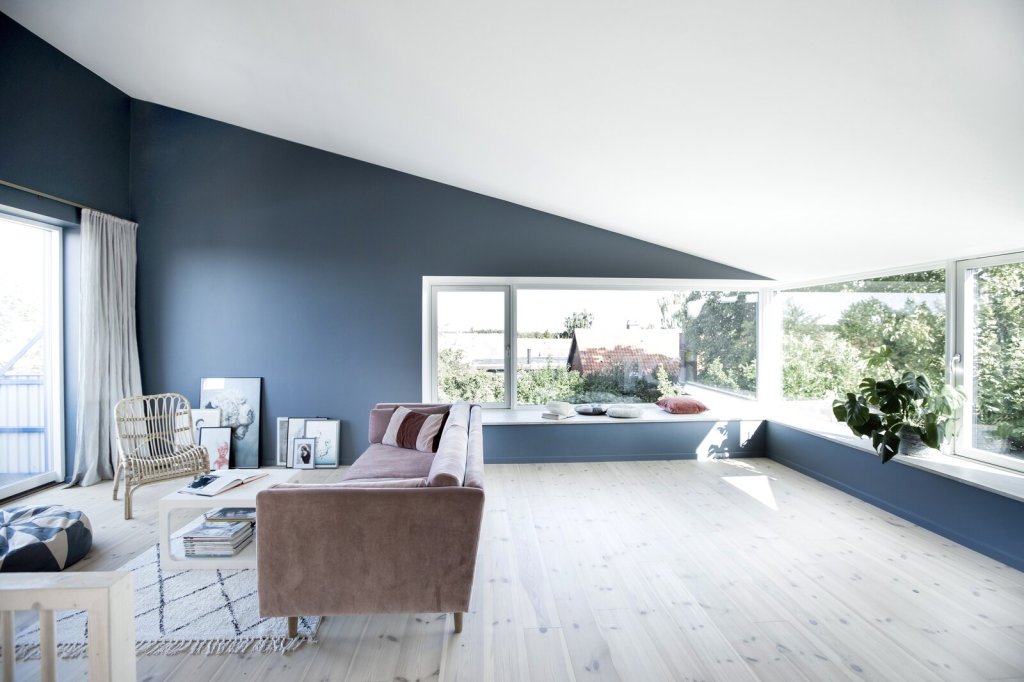
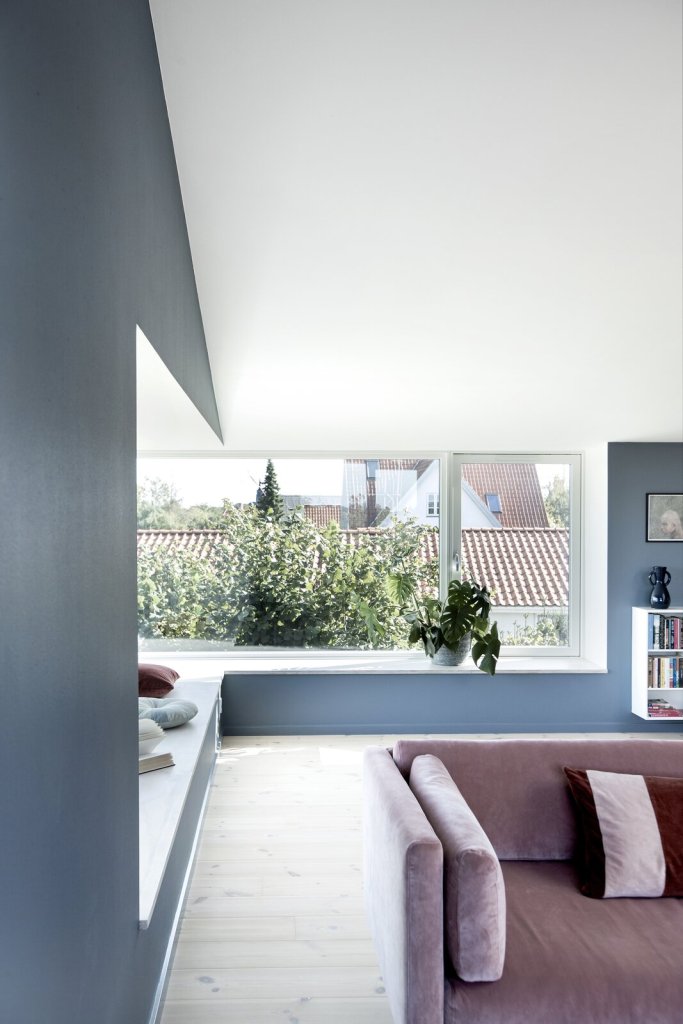
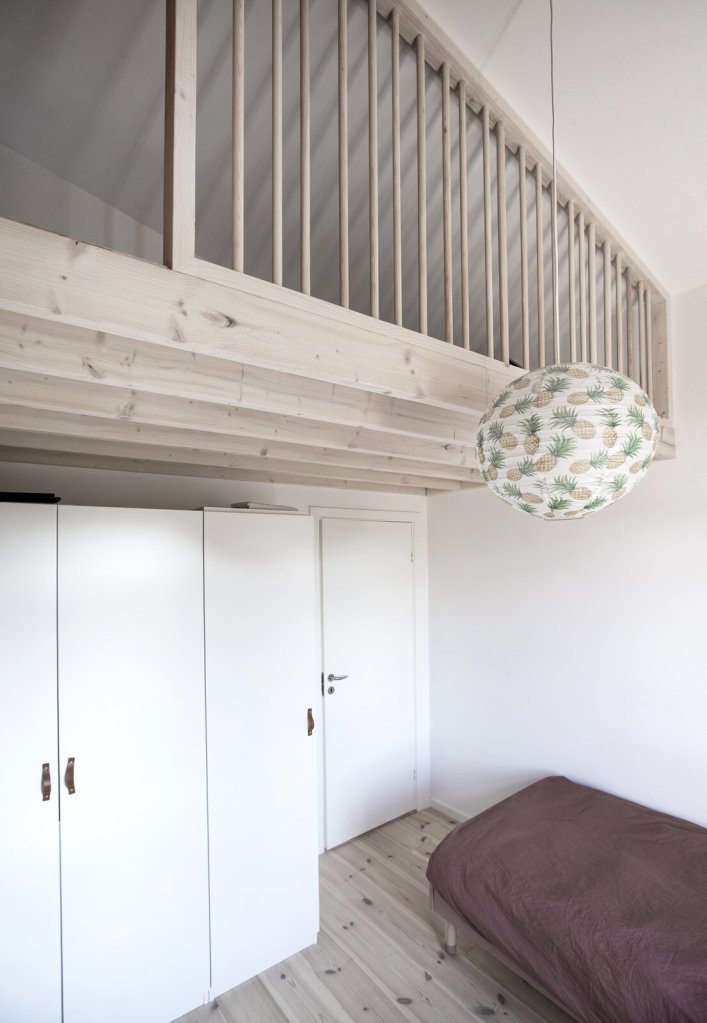
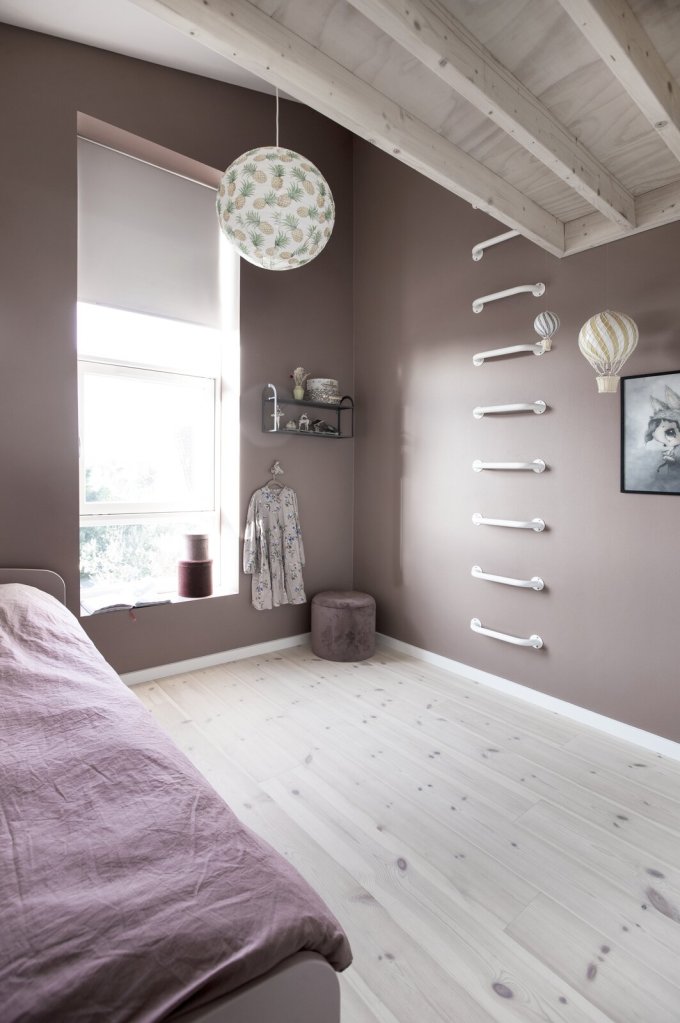
Both of the children’s bedrooms have distinct spatial layouts: One is oriented horizontally with a panoramic window that boasts impressive views, while the other features a vertical, lofted bed and a small window situated at the highest point in the home.

Related Reading:
A 1920s London Home Is Revived With a Mint-Green Aluminum Addition
An All-Blue House in Bushwick Brings Big Color to the Neighborhood
Project Credits:
Architect of Record: Sigurd Larsen Design & Architecture / @sigurdlarsen_architecture
General Contractor: Tømrermester Mikkel Skovmøllert
Photography: Tia Borgsmidt / @tiaborgsmidt







 Recently completed in February 2019,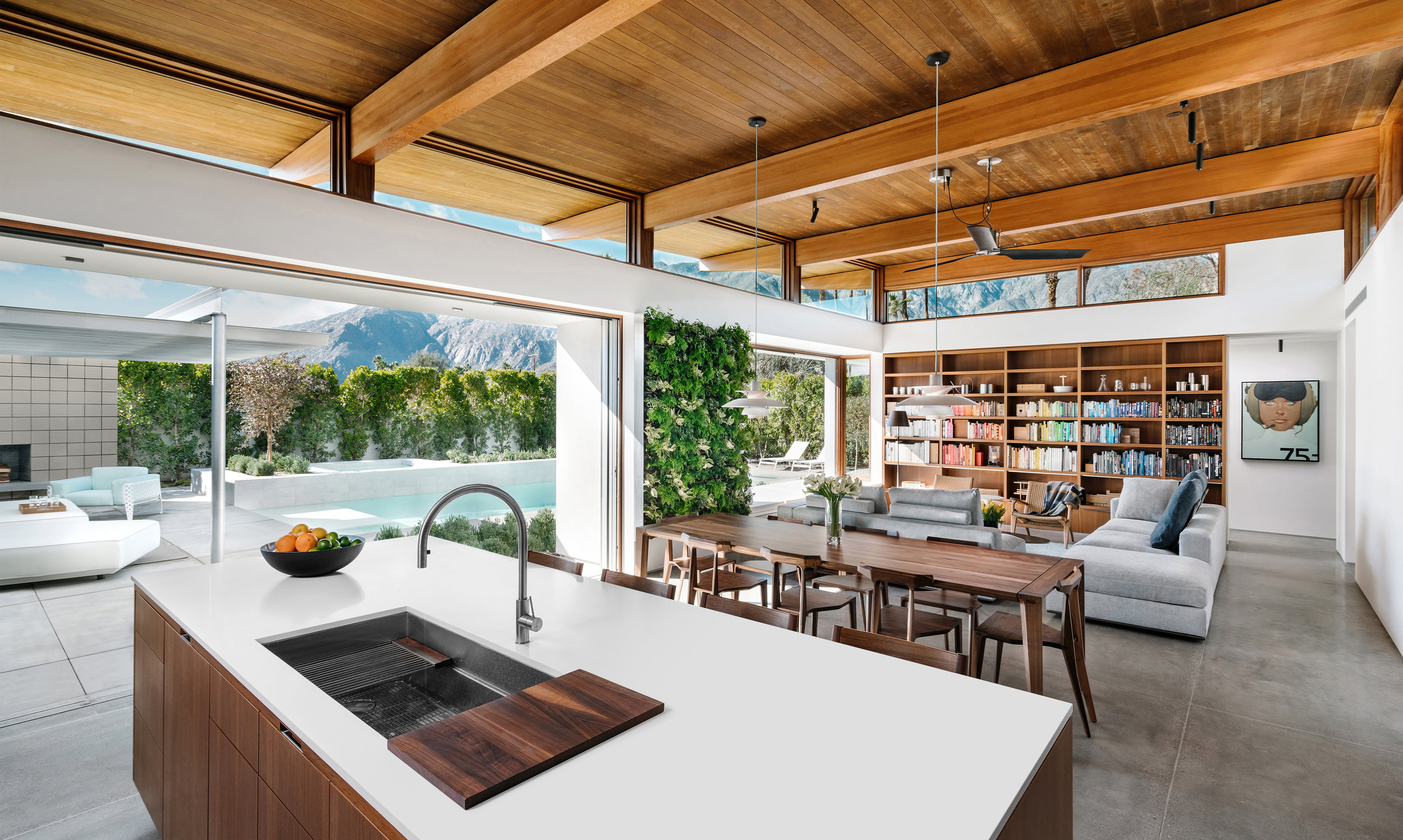
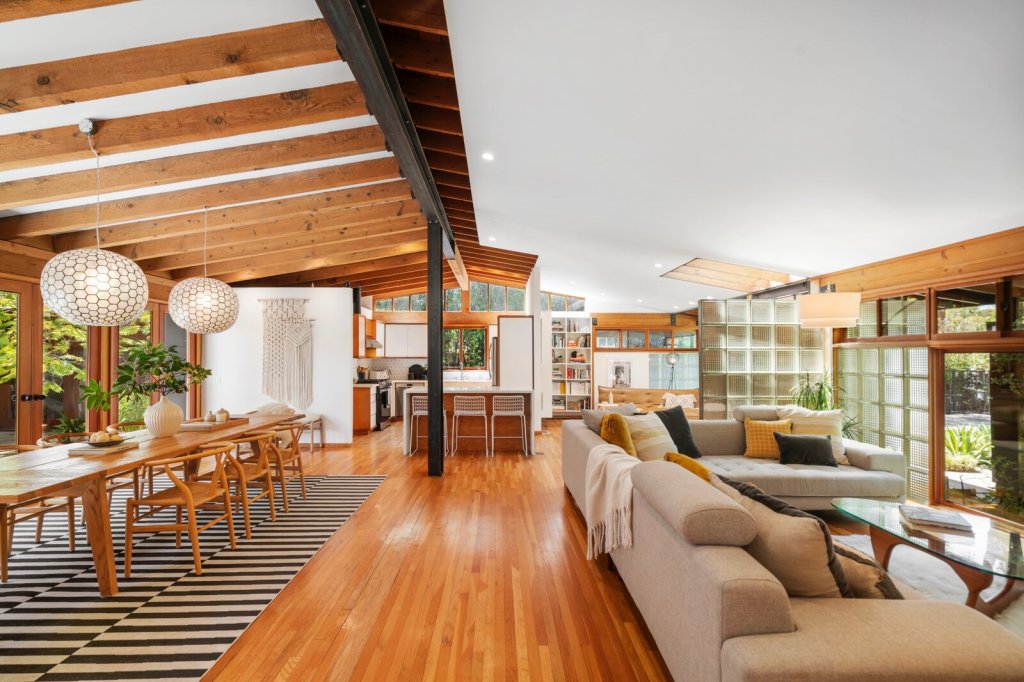
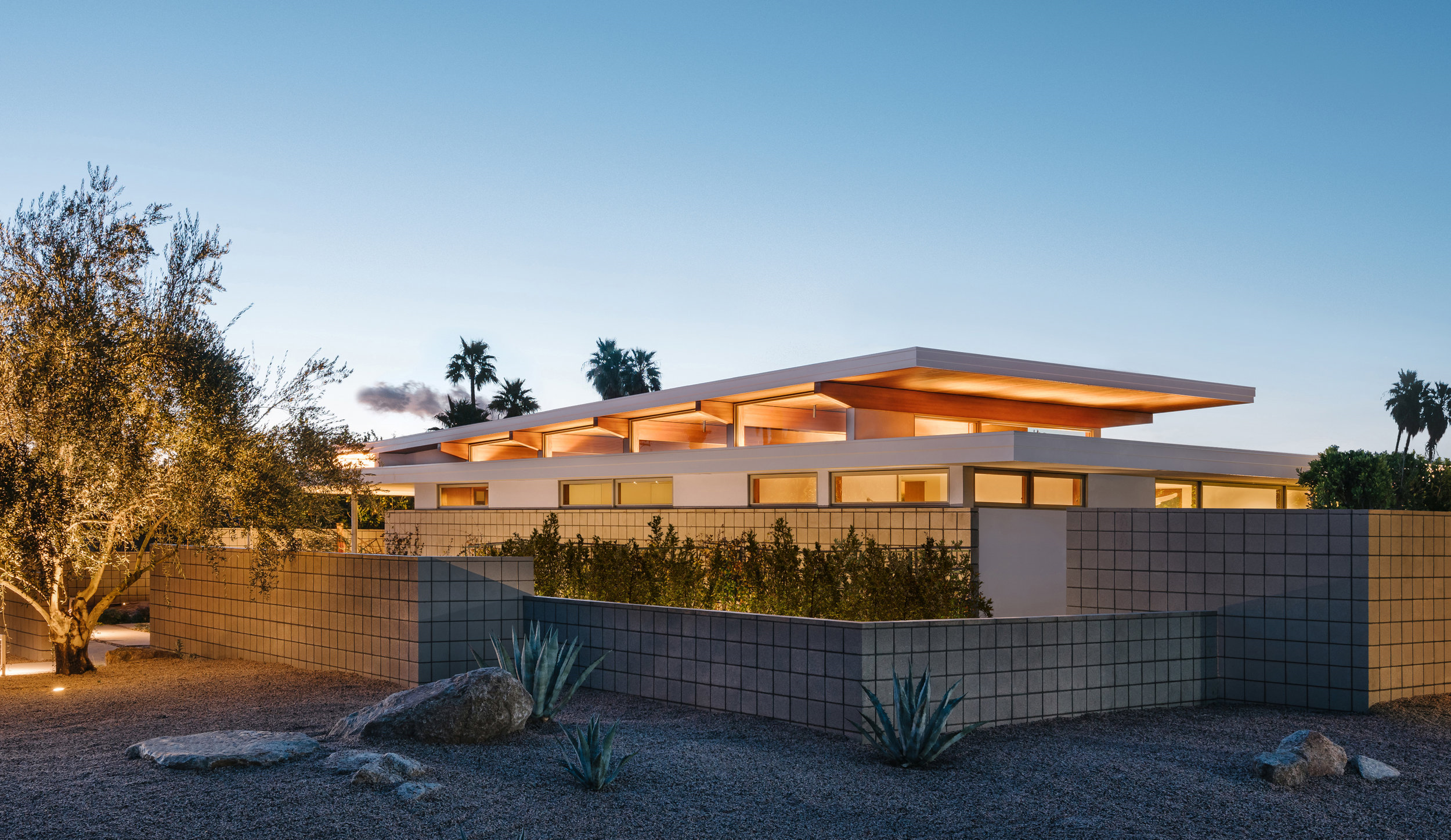
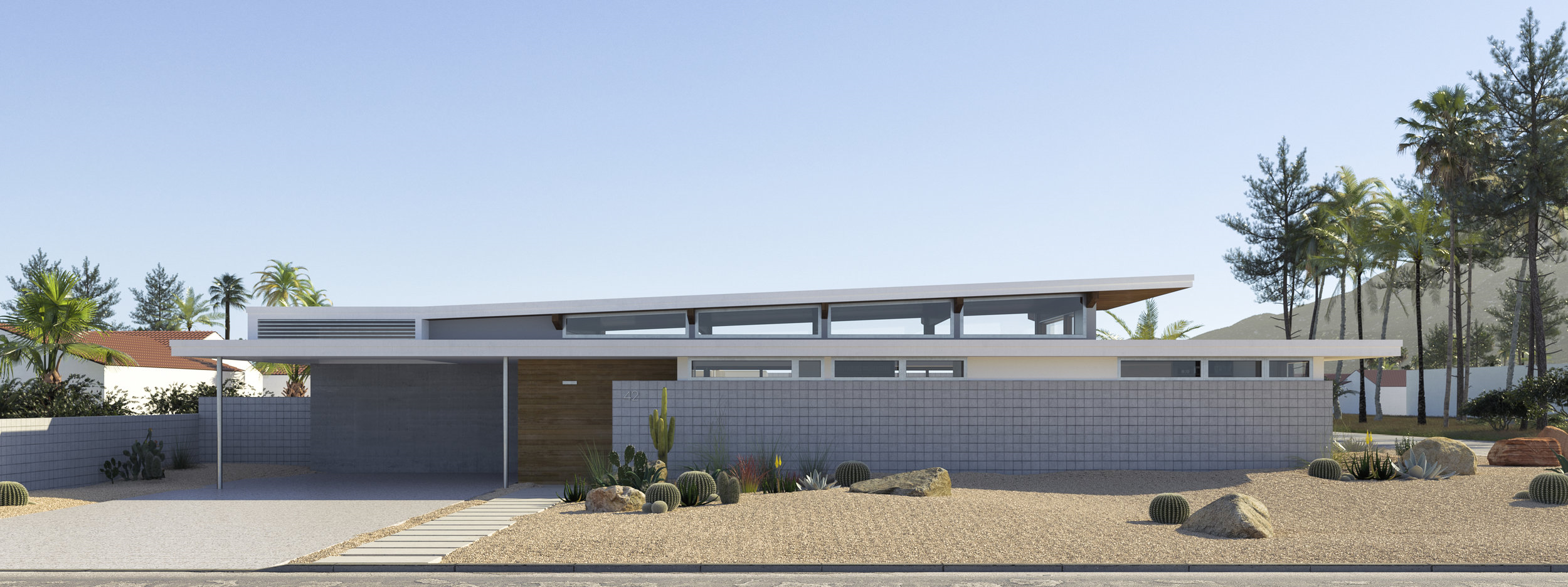
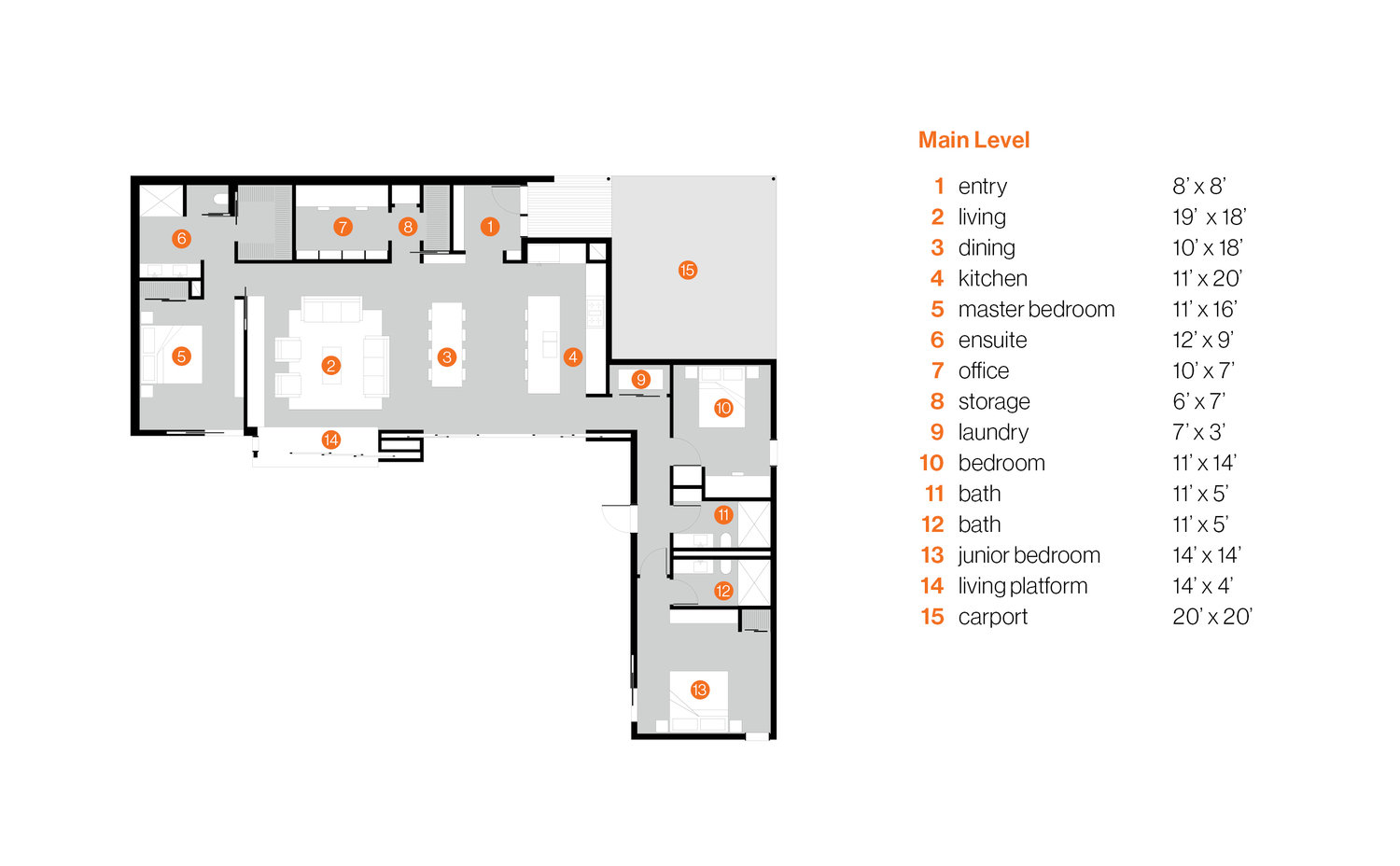
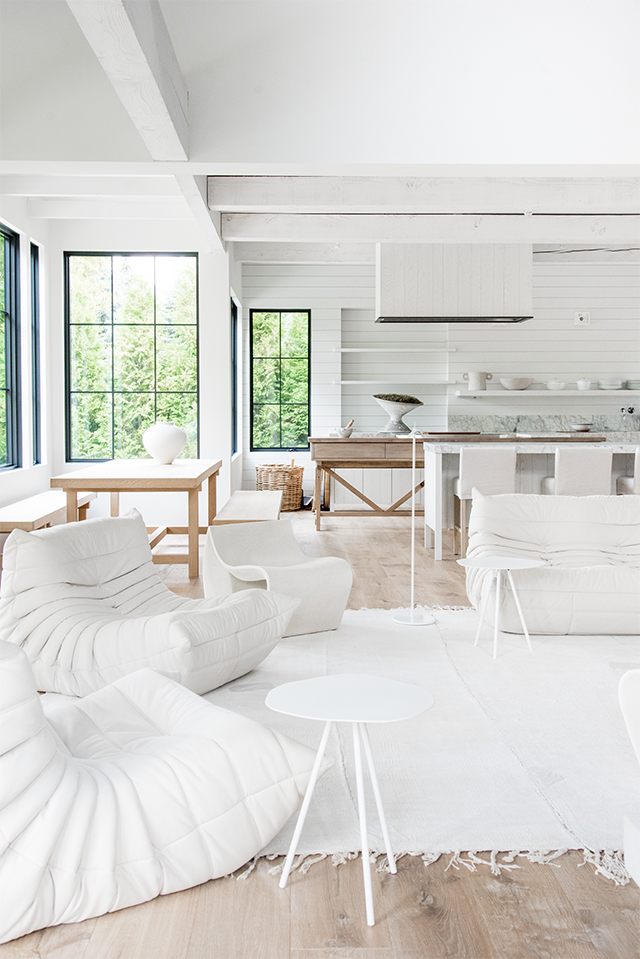
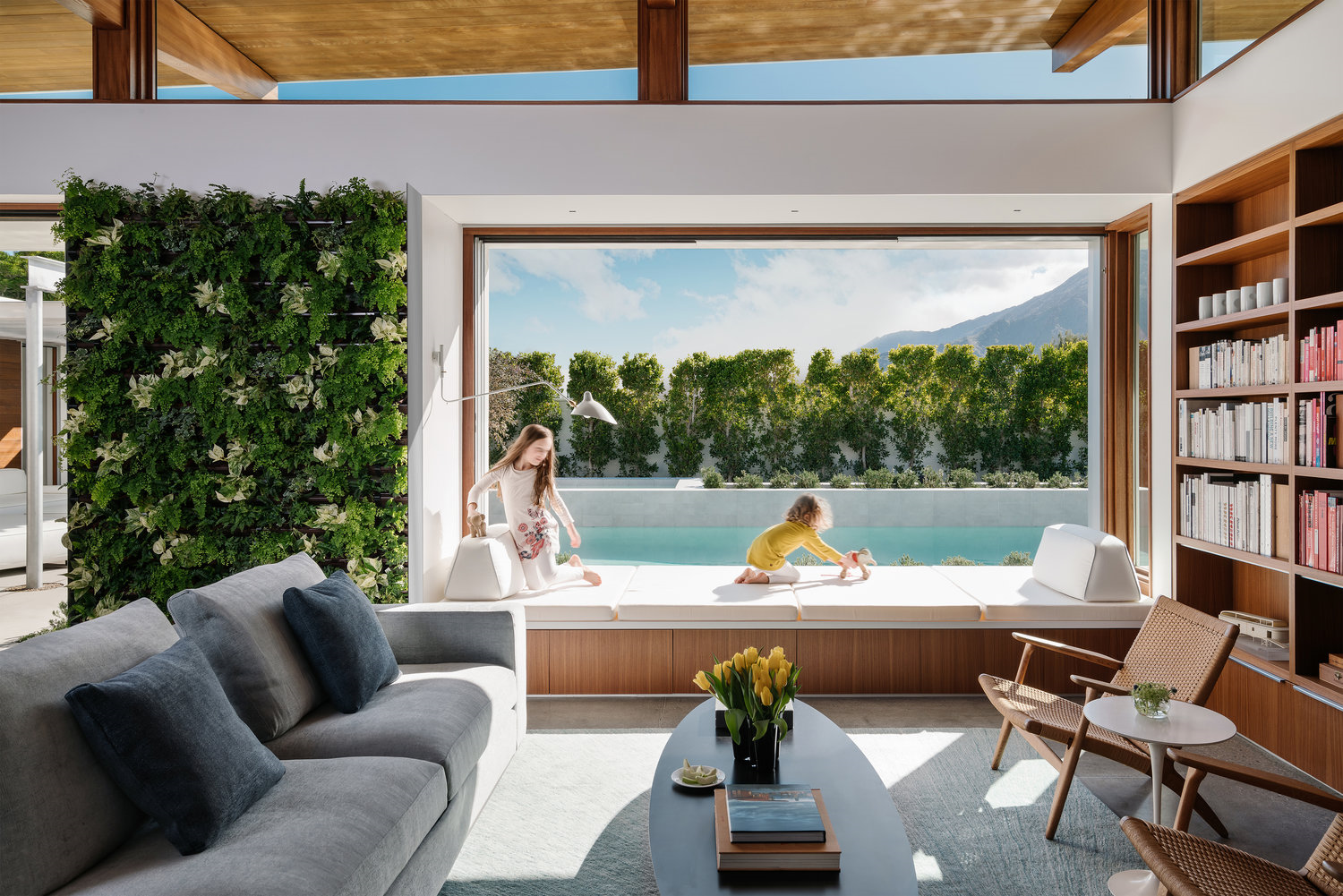 Many cultures feature houses with rooms grouped around a private courtyard: this is a take on that venerable tradition. Passing through a flat-roofed entry, the space expands as you encounter a high, beamed ceiling, sloping upward to 12 feet. This is the great room – 40 feet in length, it opens directly onto the walled courtyard through glass panels that slide away into hidden pockets. An especially admired feature of the room is a 4-by-12-foot window-seat extending into and overlooking the courtyard. This too has operable glass panels that tuck away into pockets: a charming place to lie down—even sleep—“half-in, half-out.”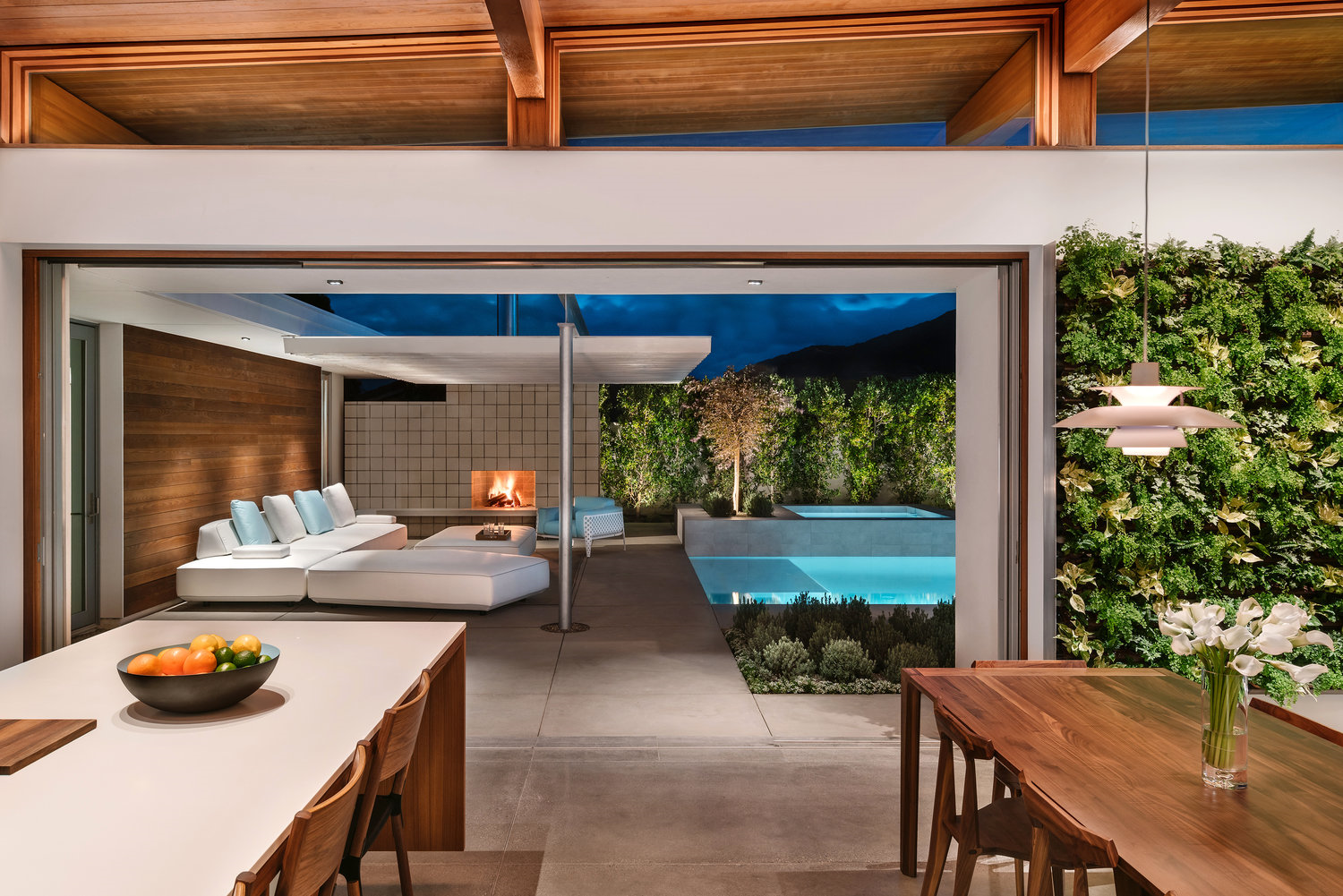
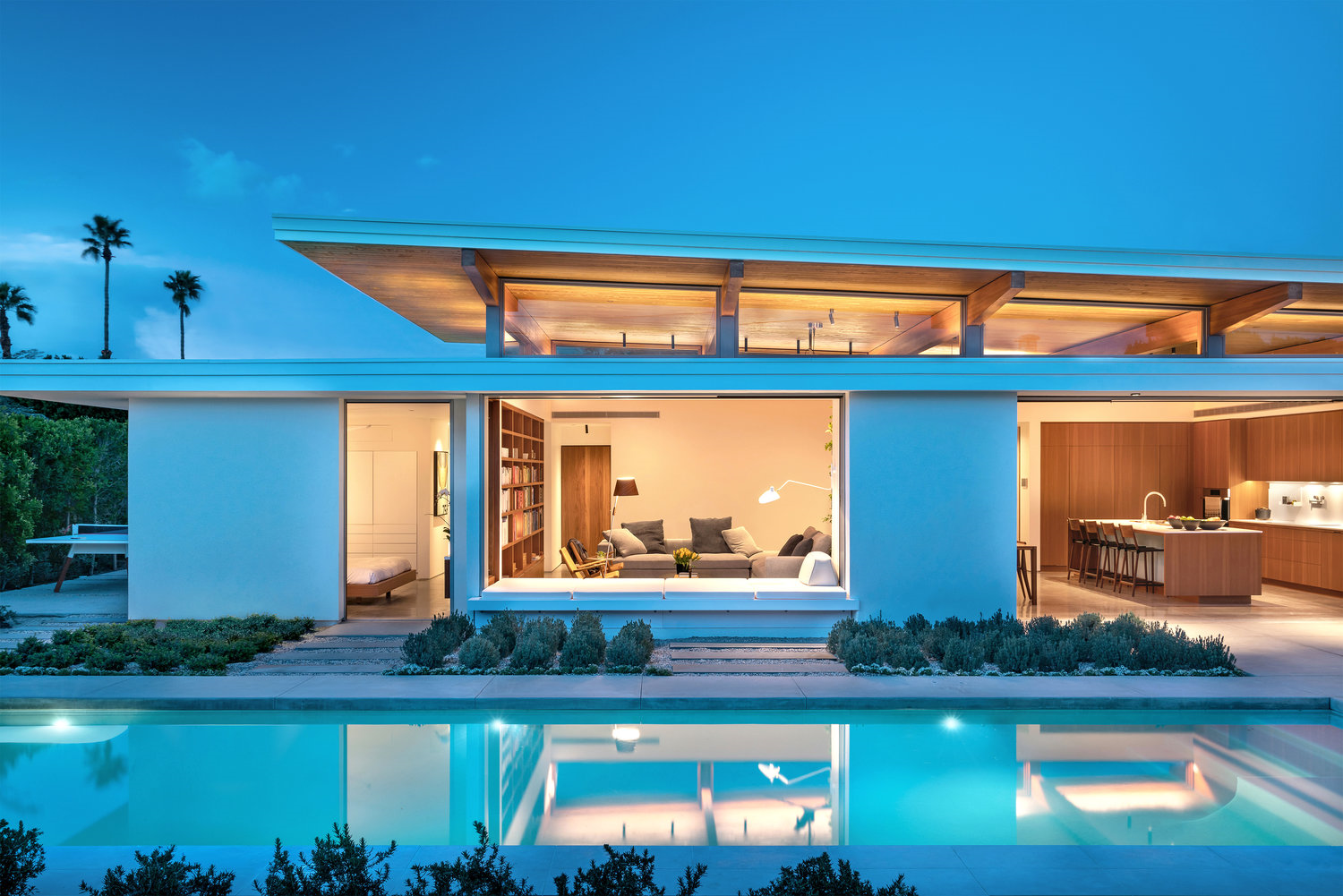
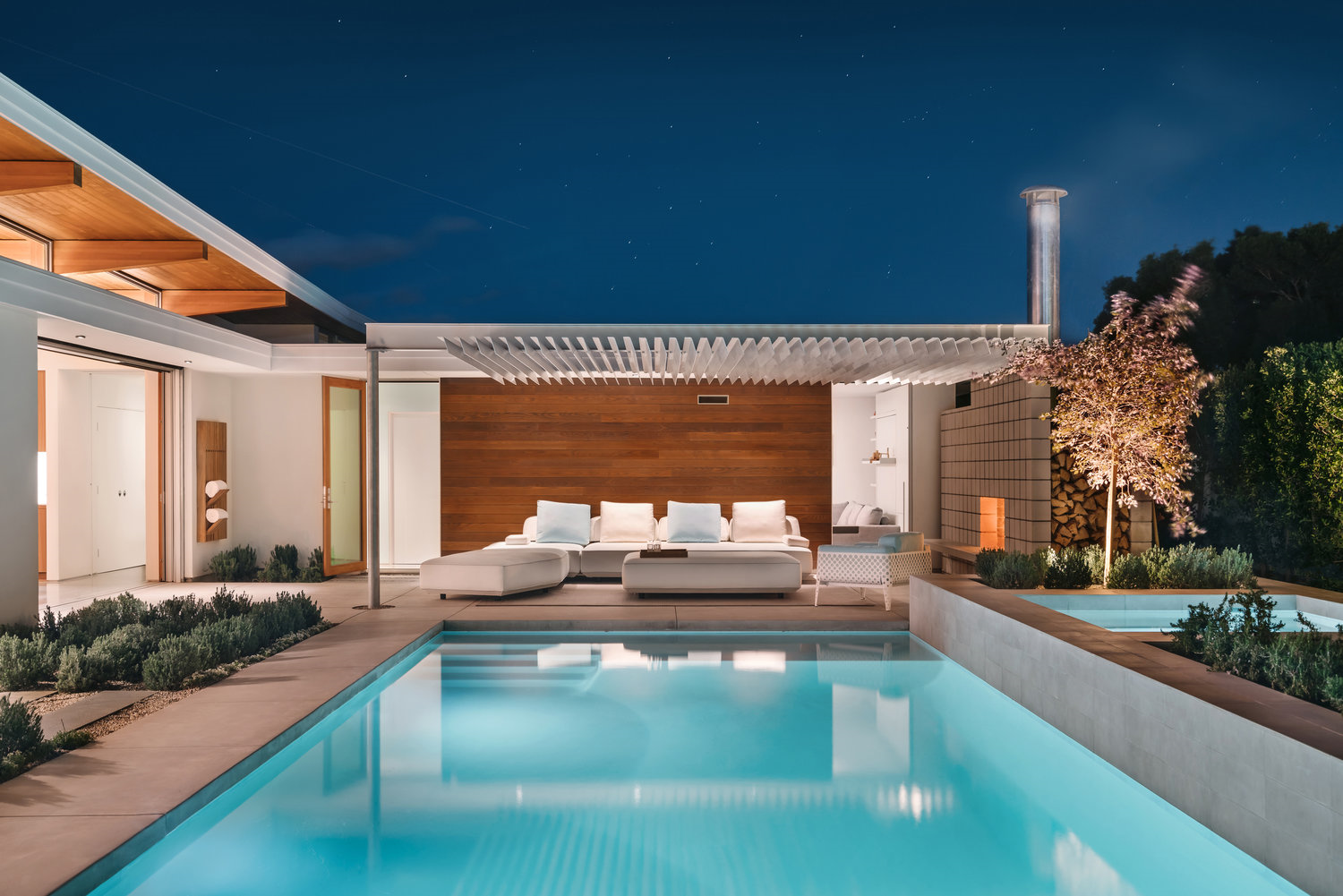
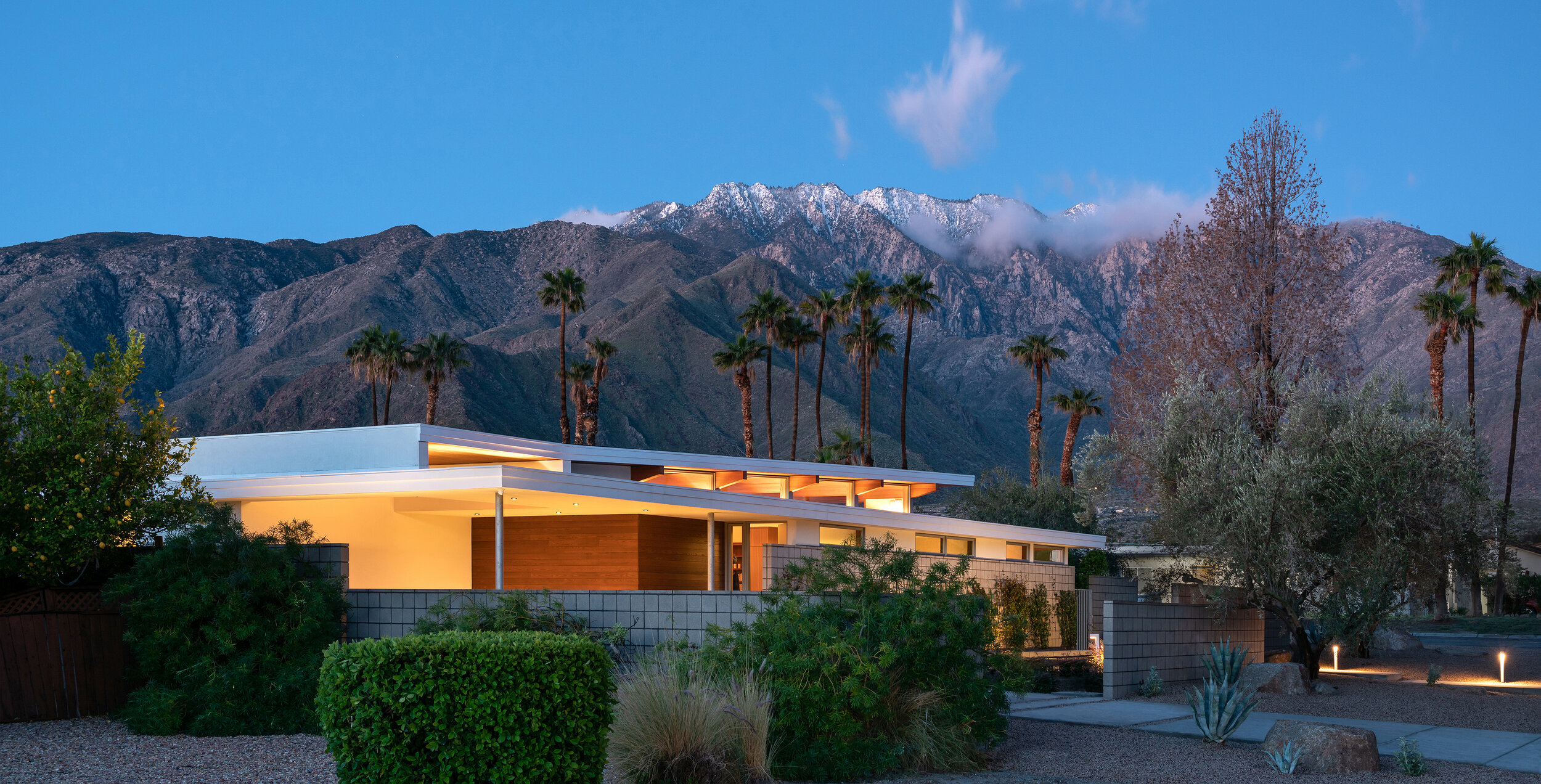
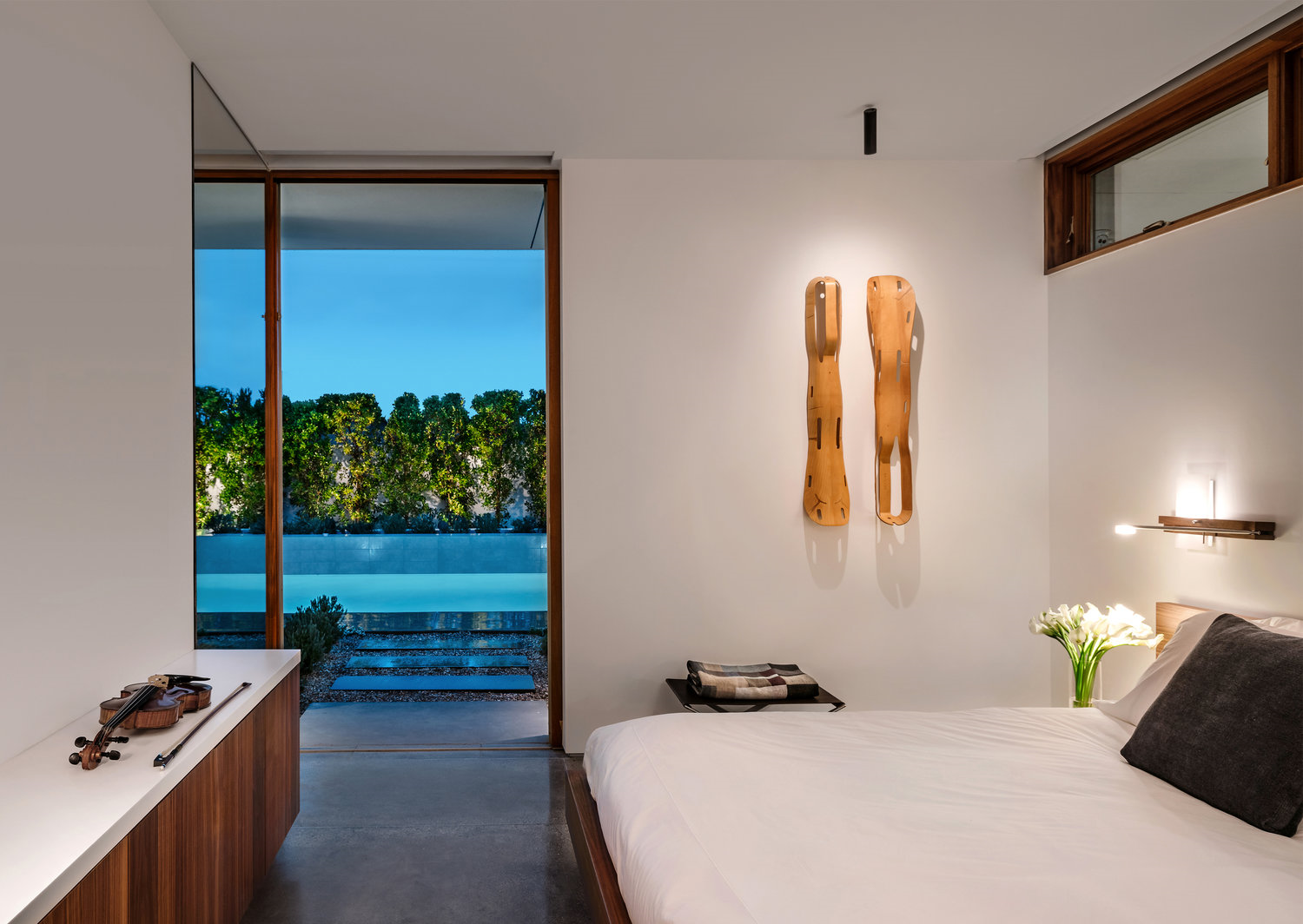
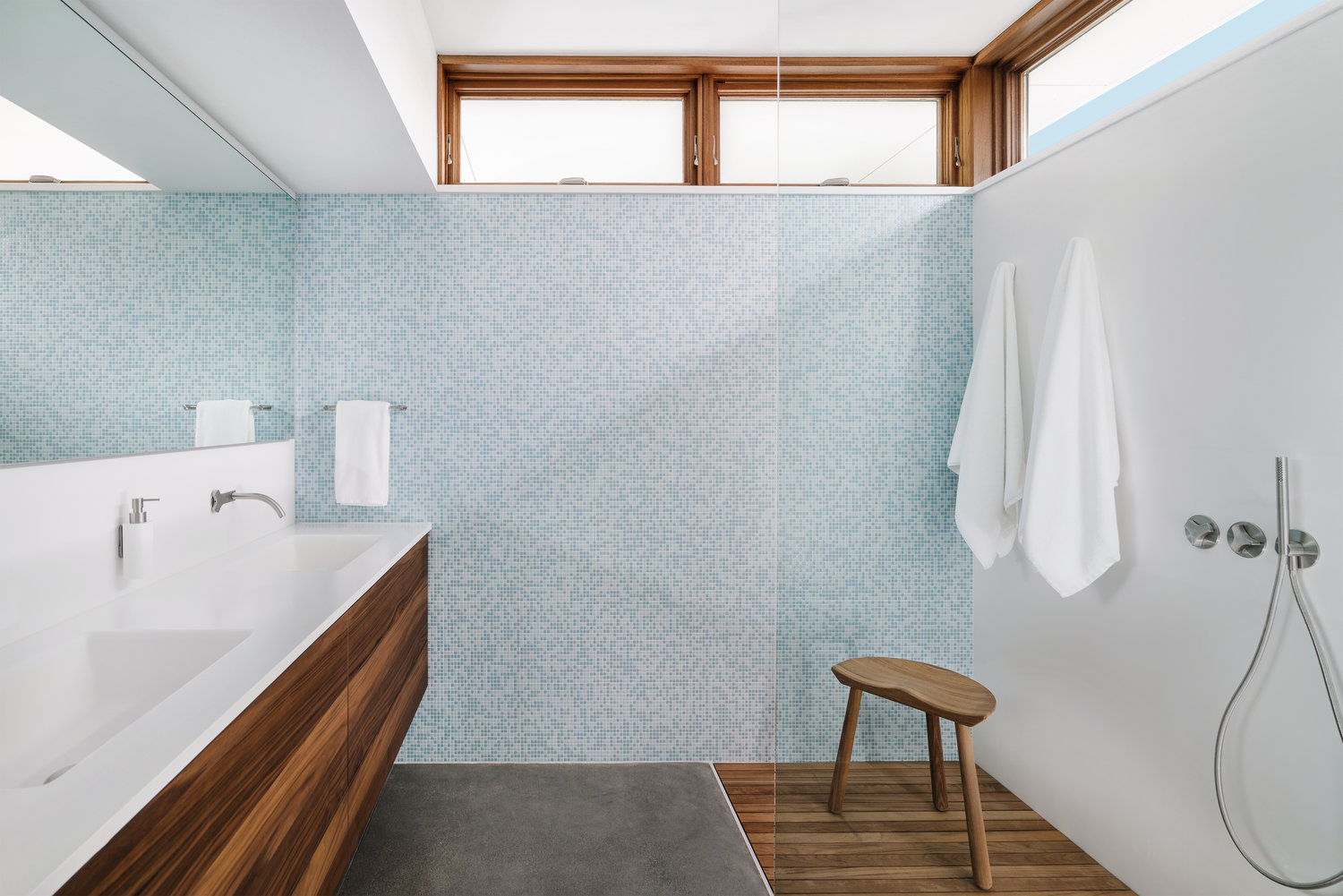
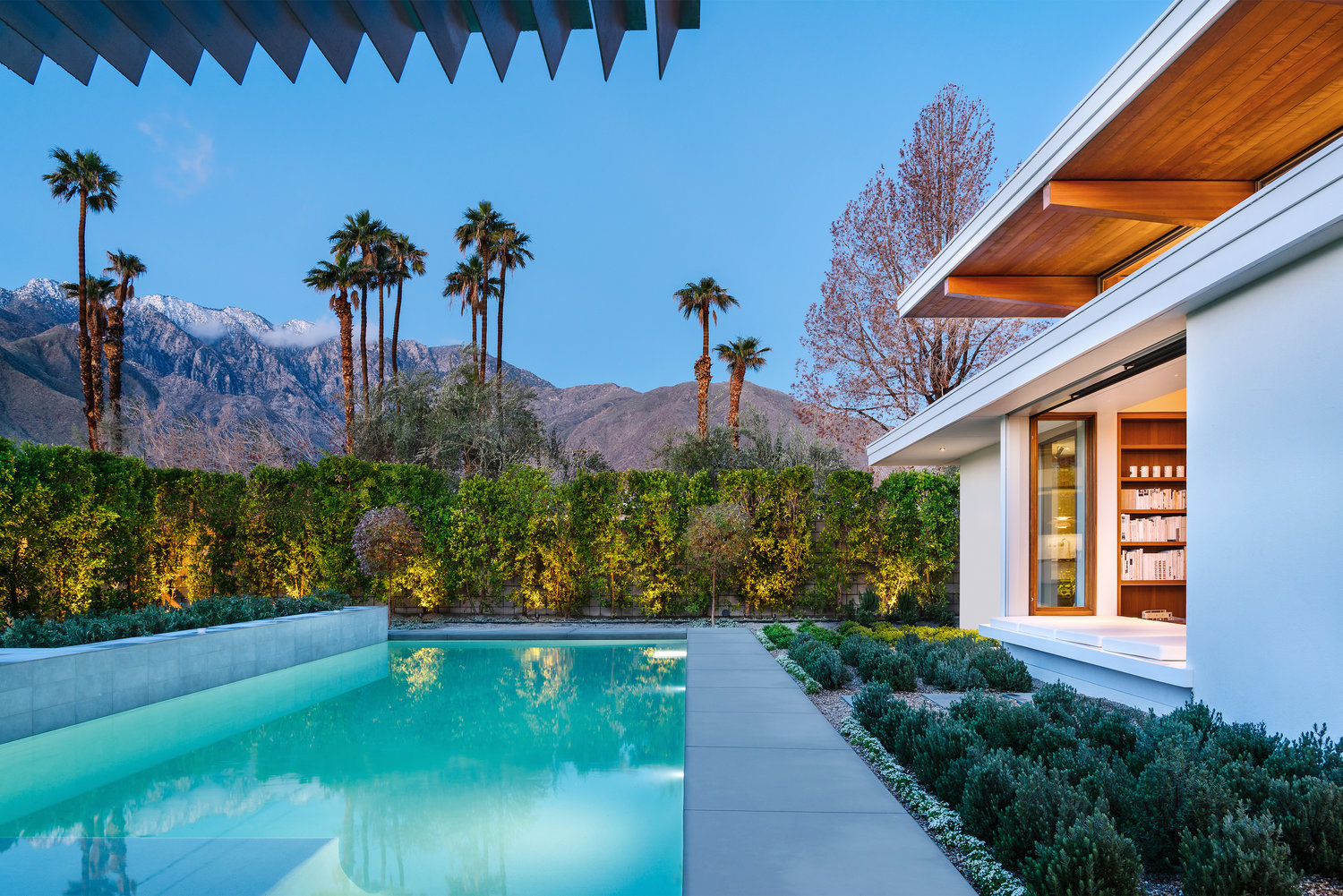 Master suites occupy both ends of this “L” shaped home, each with private access to the courtyard; an ideal arrangement for a shared vacation home, in town or out. While being careful to ensure privacy, the outward facing walls stop short of the overhanging roof, bringing in balancing light and capturing expansive outward views.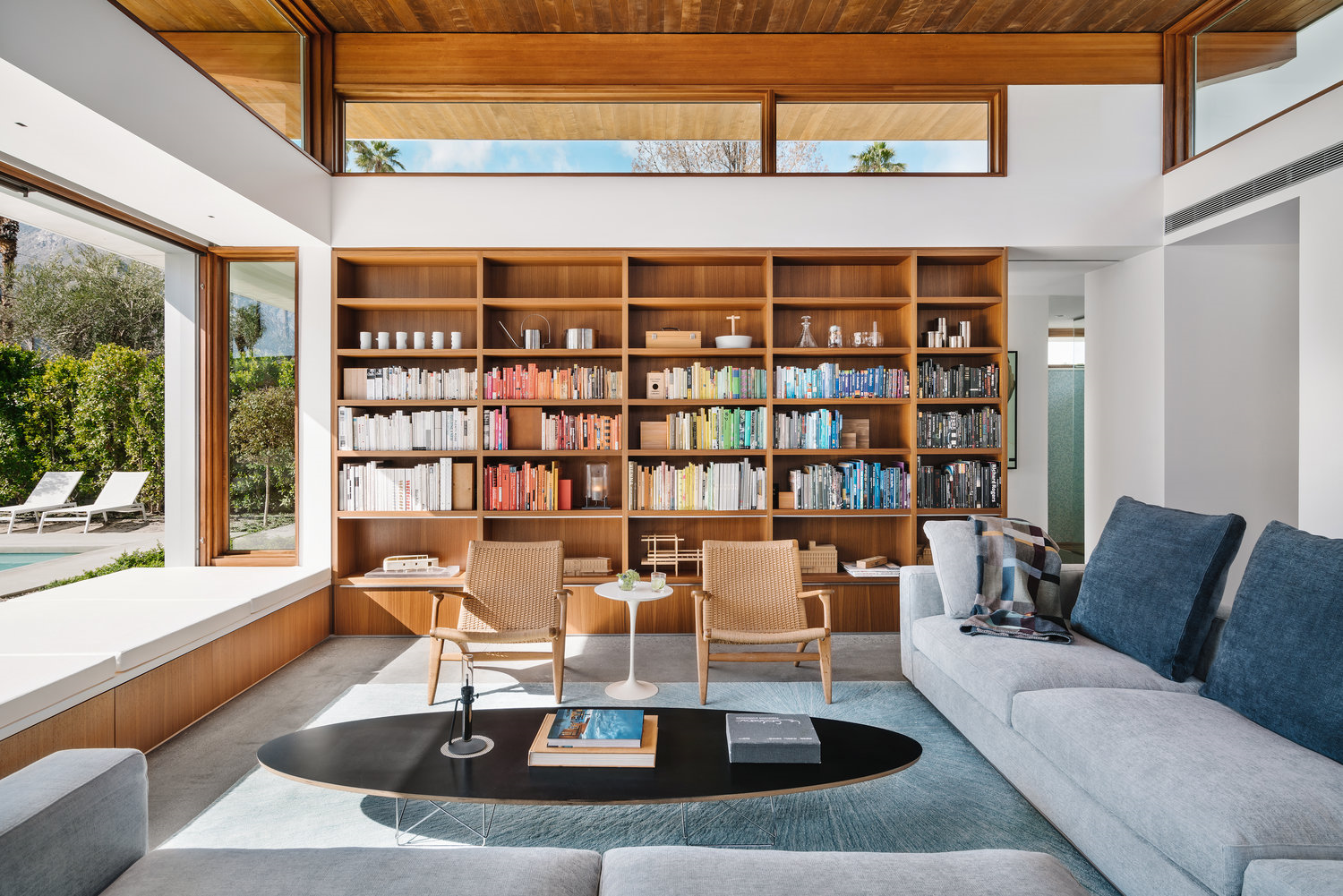
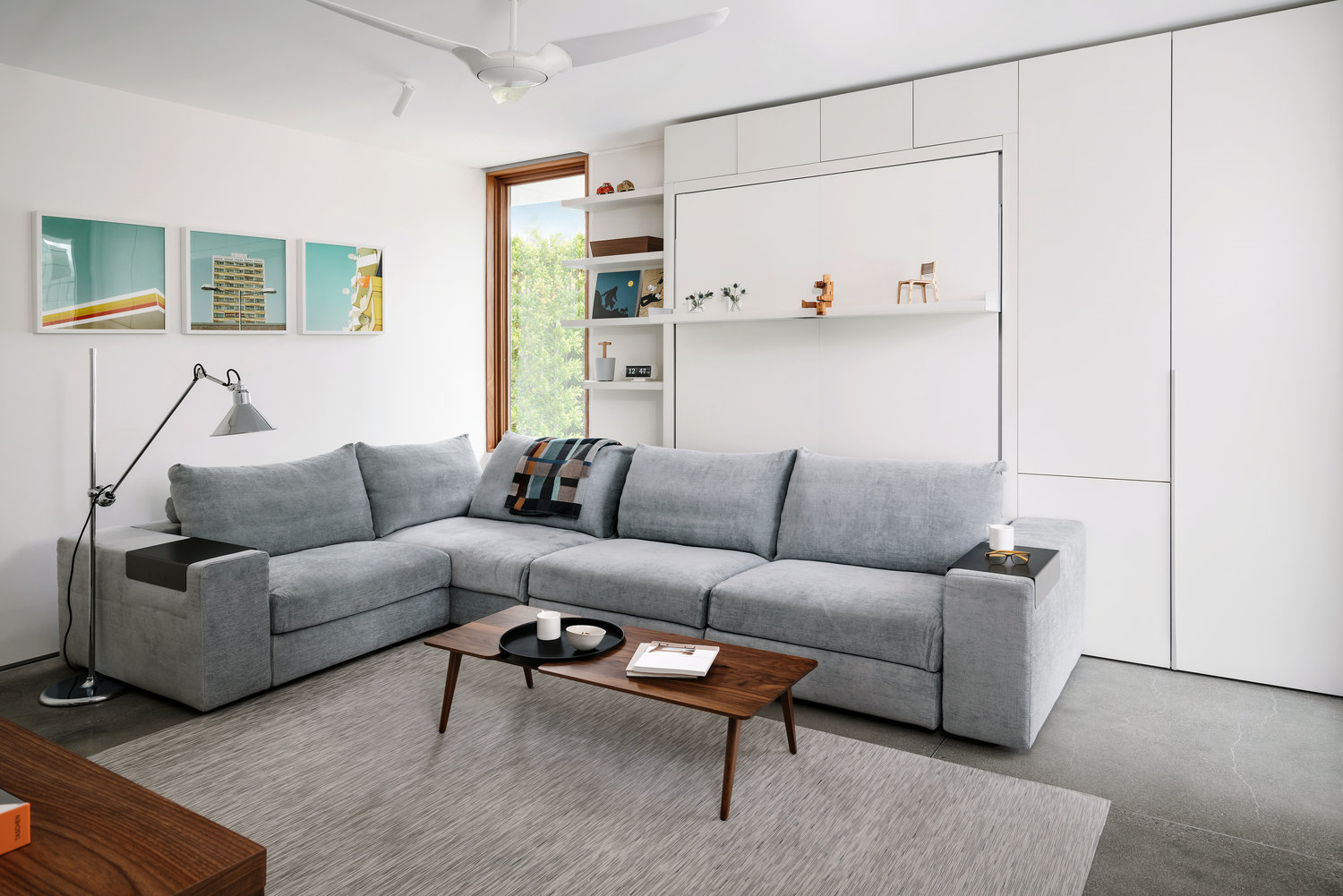
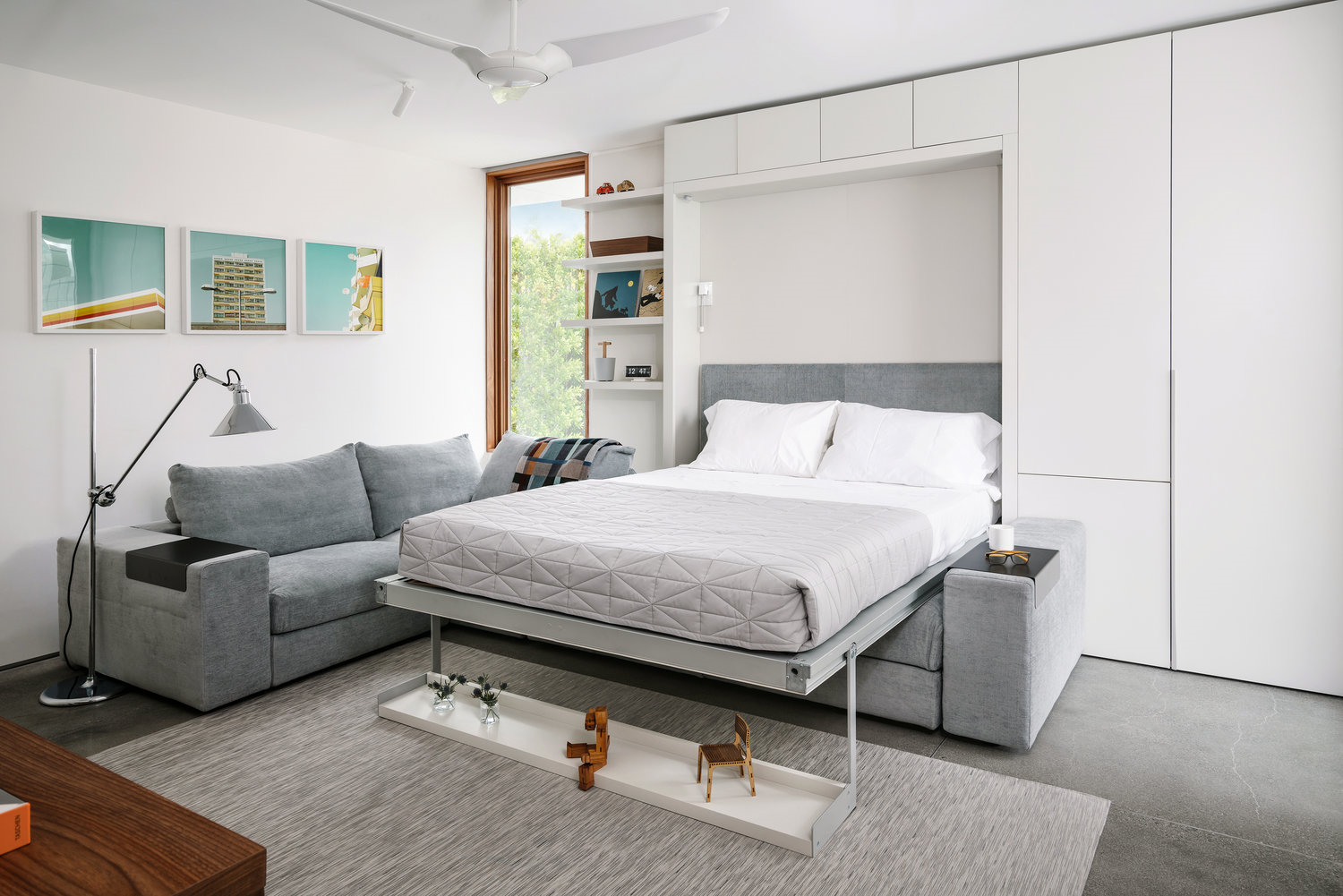
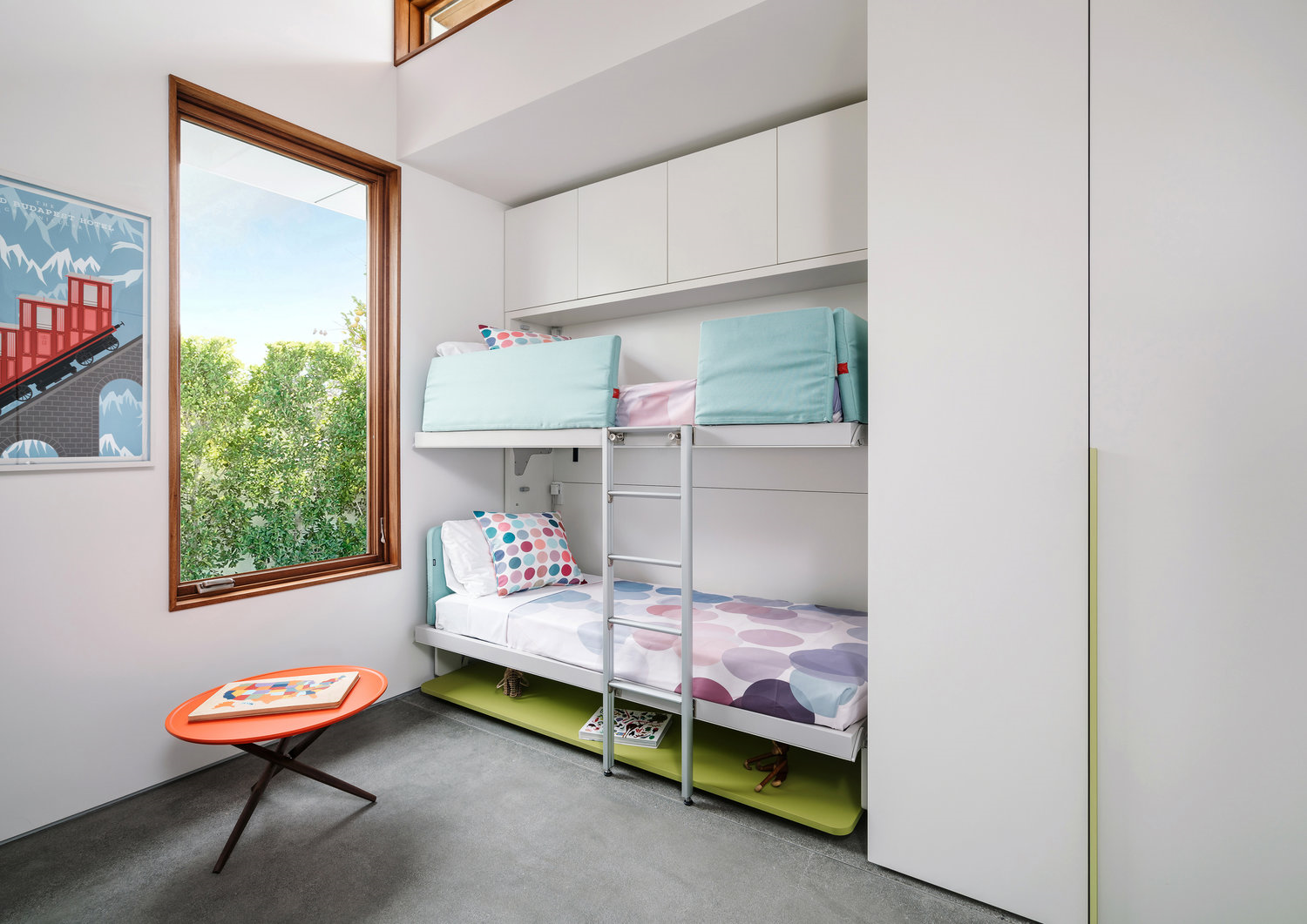
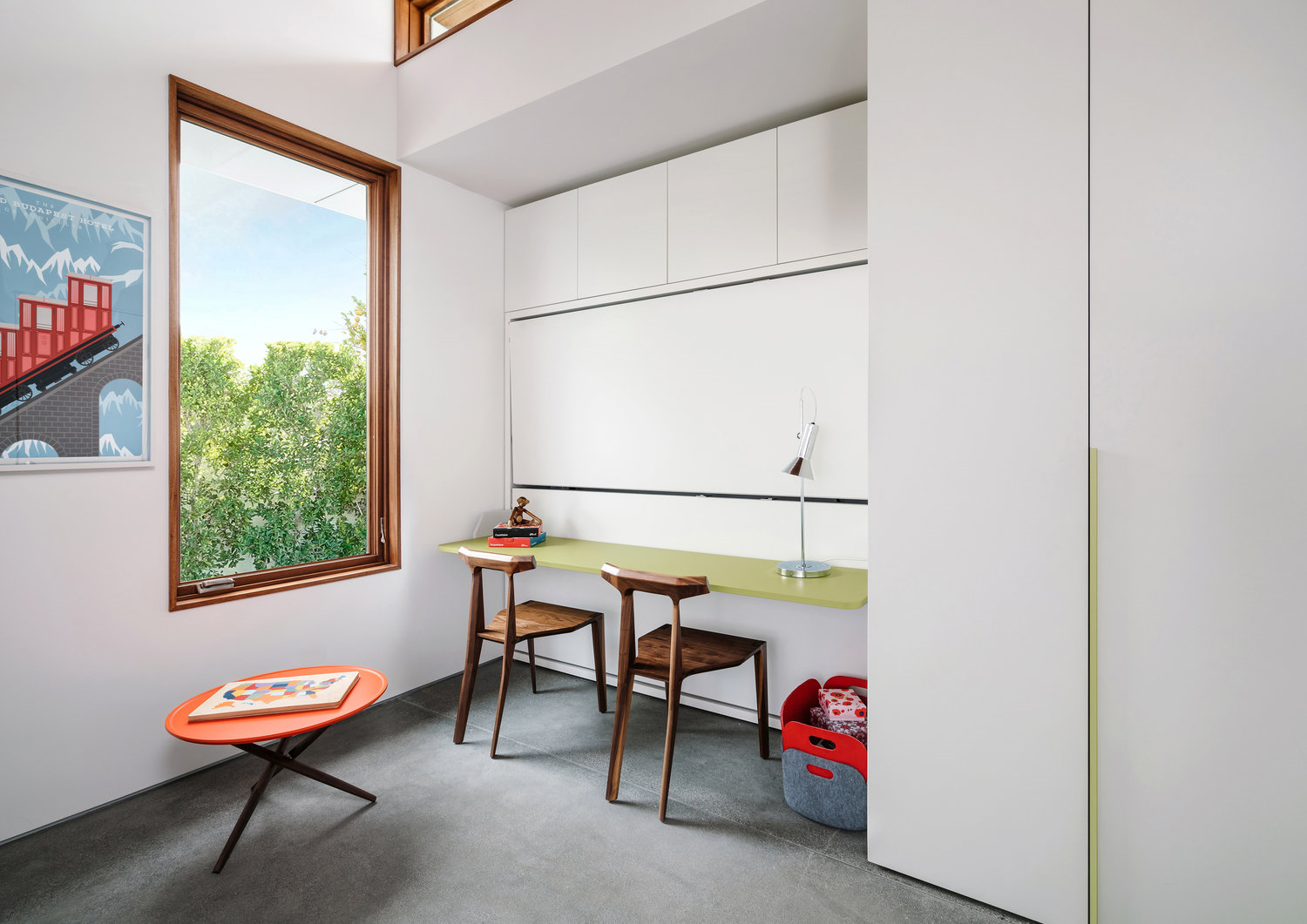
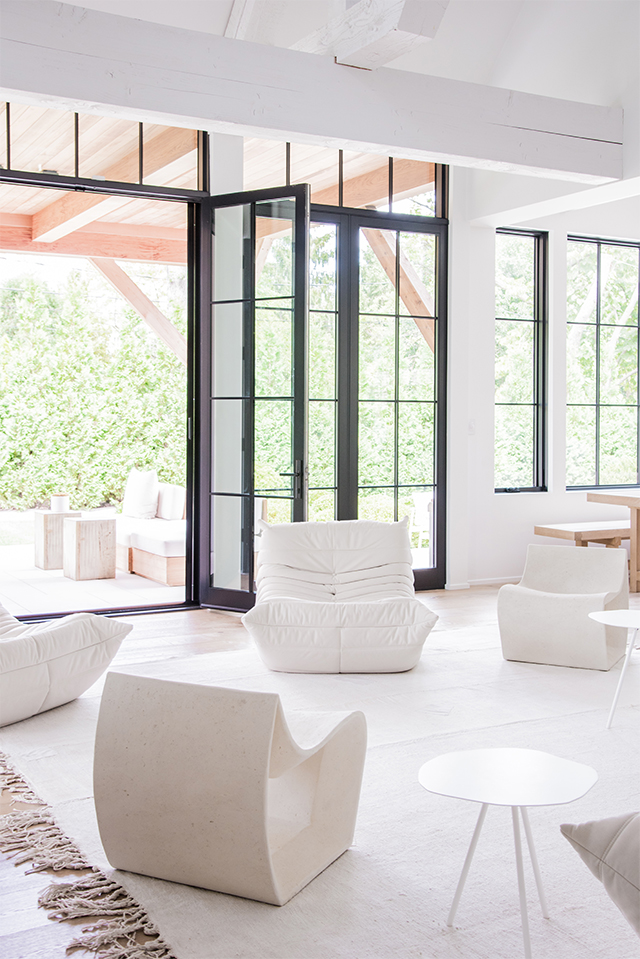
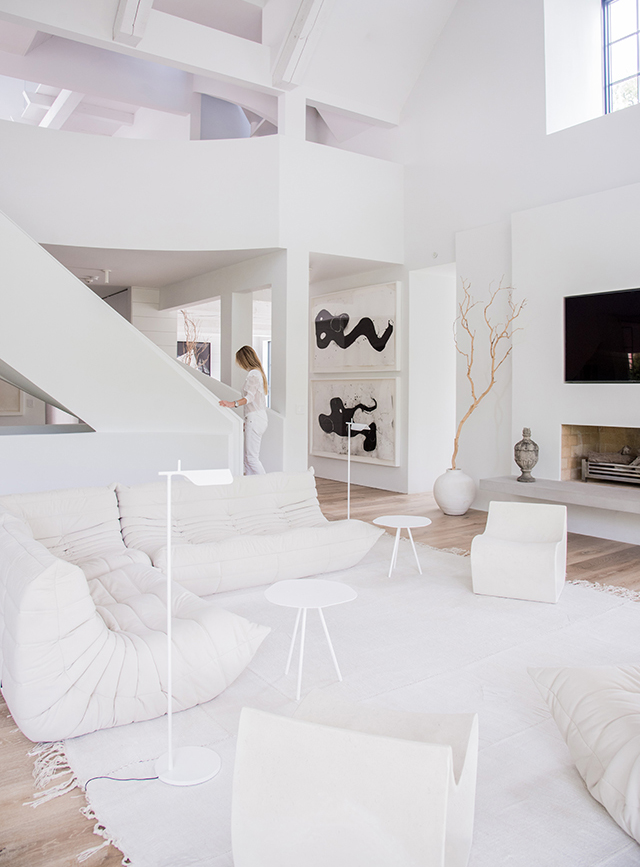
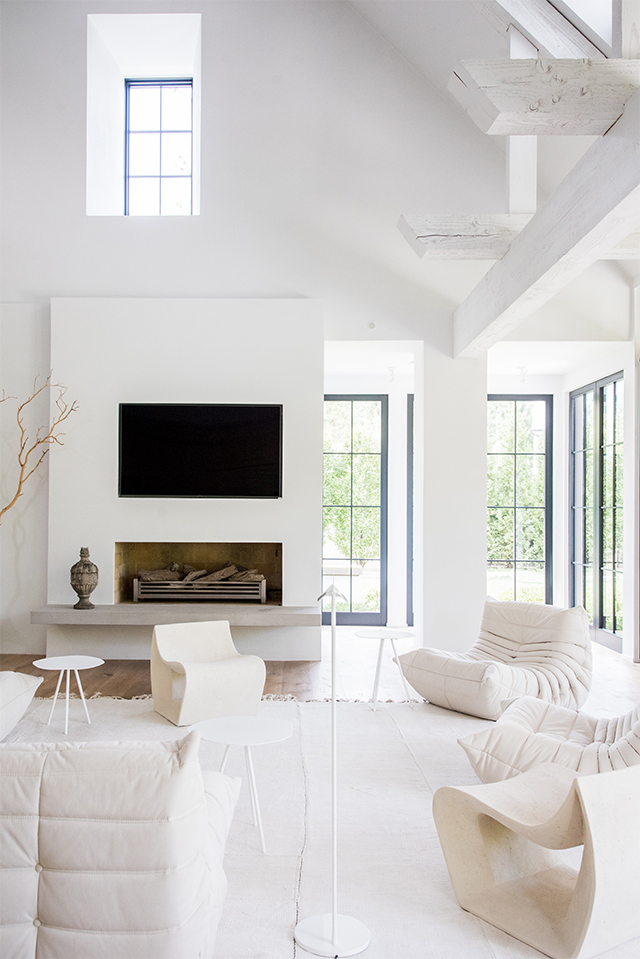
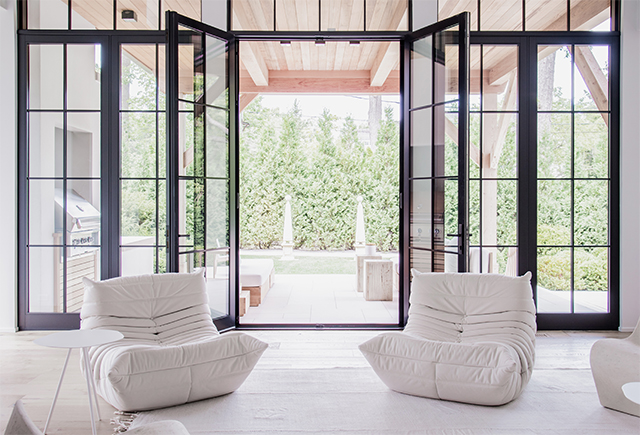
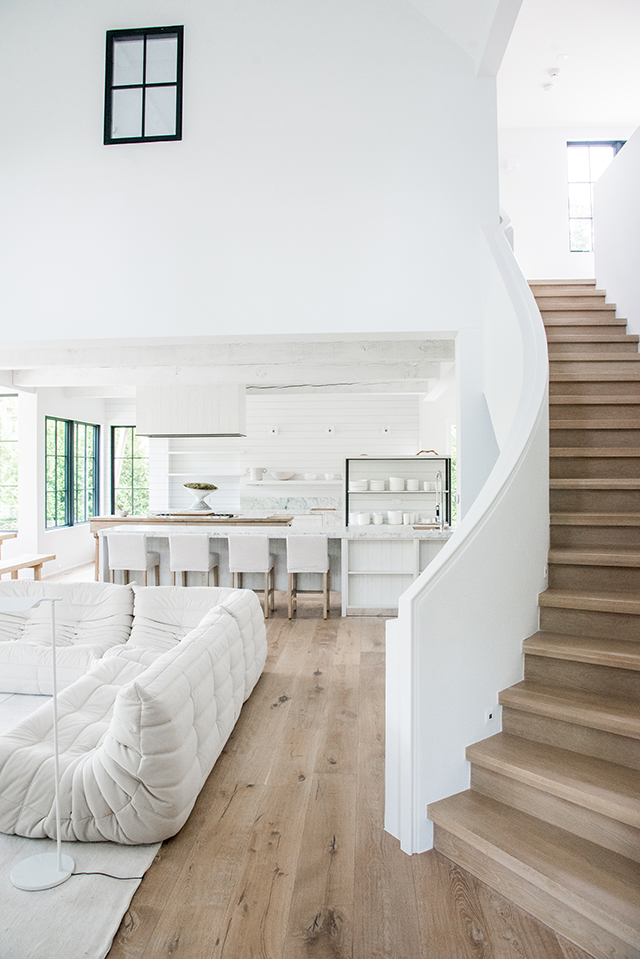
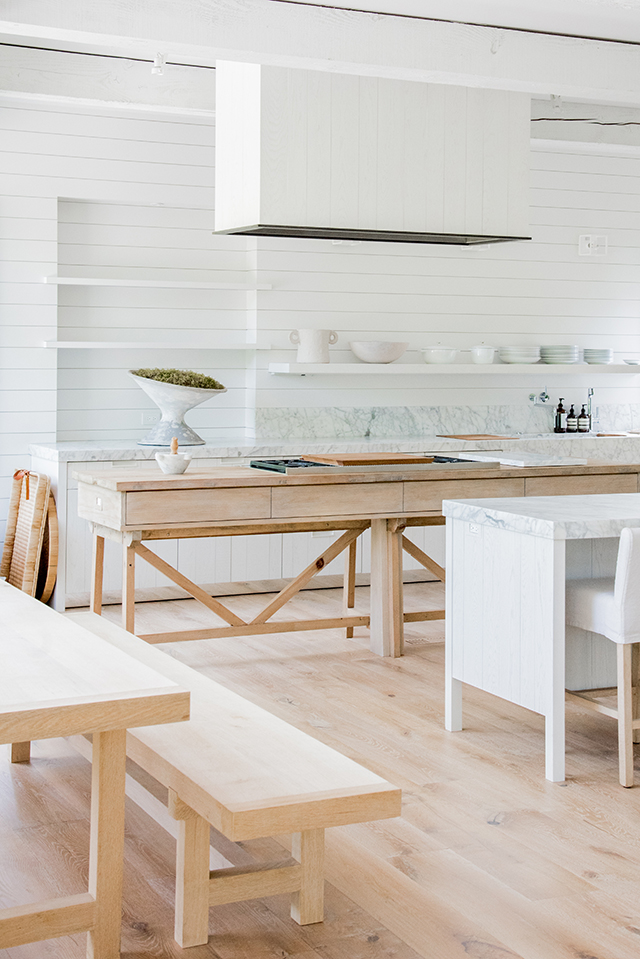
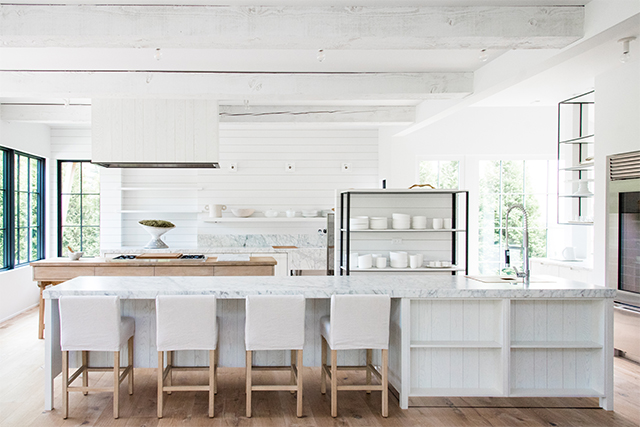
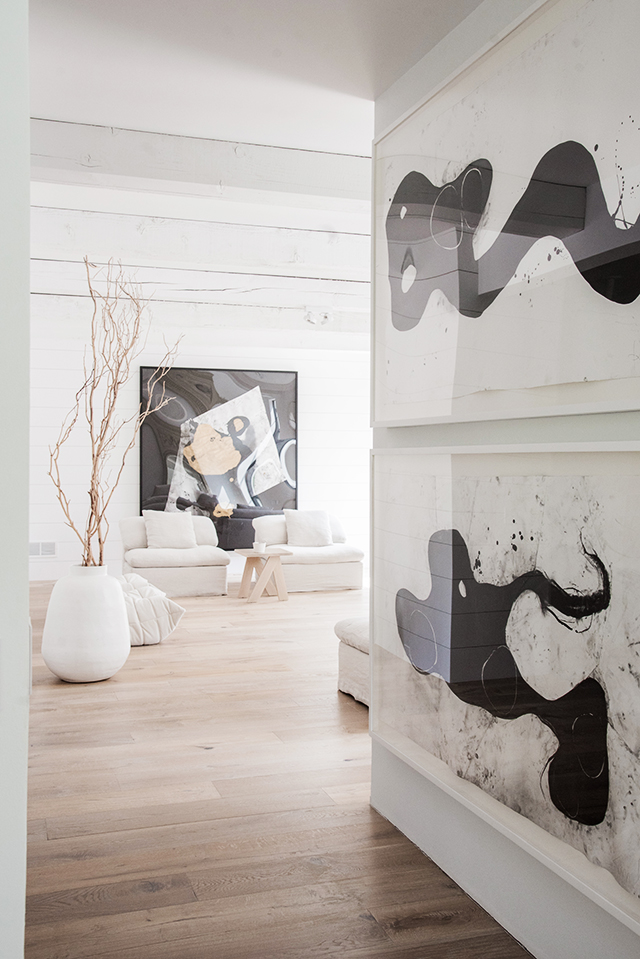
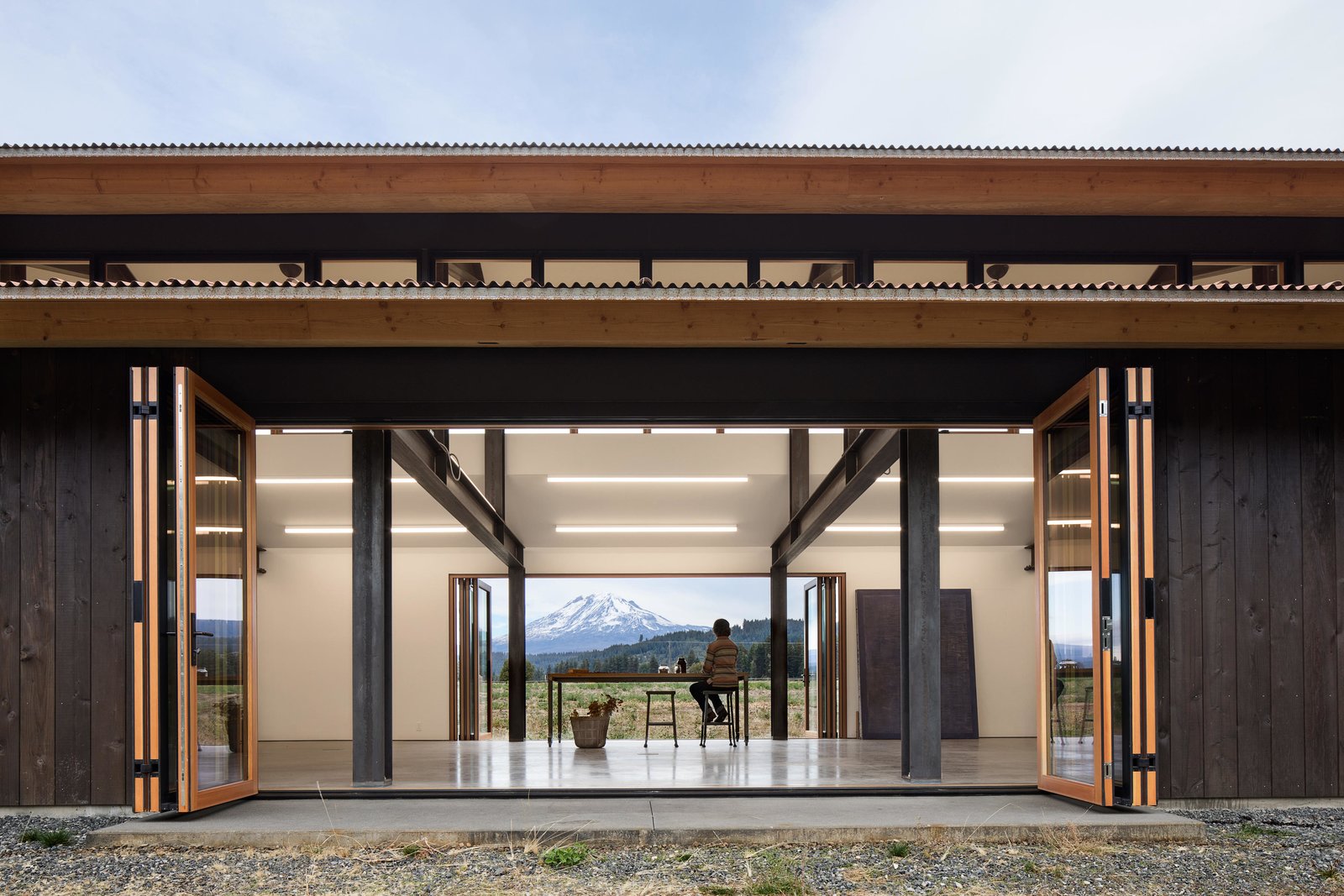
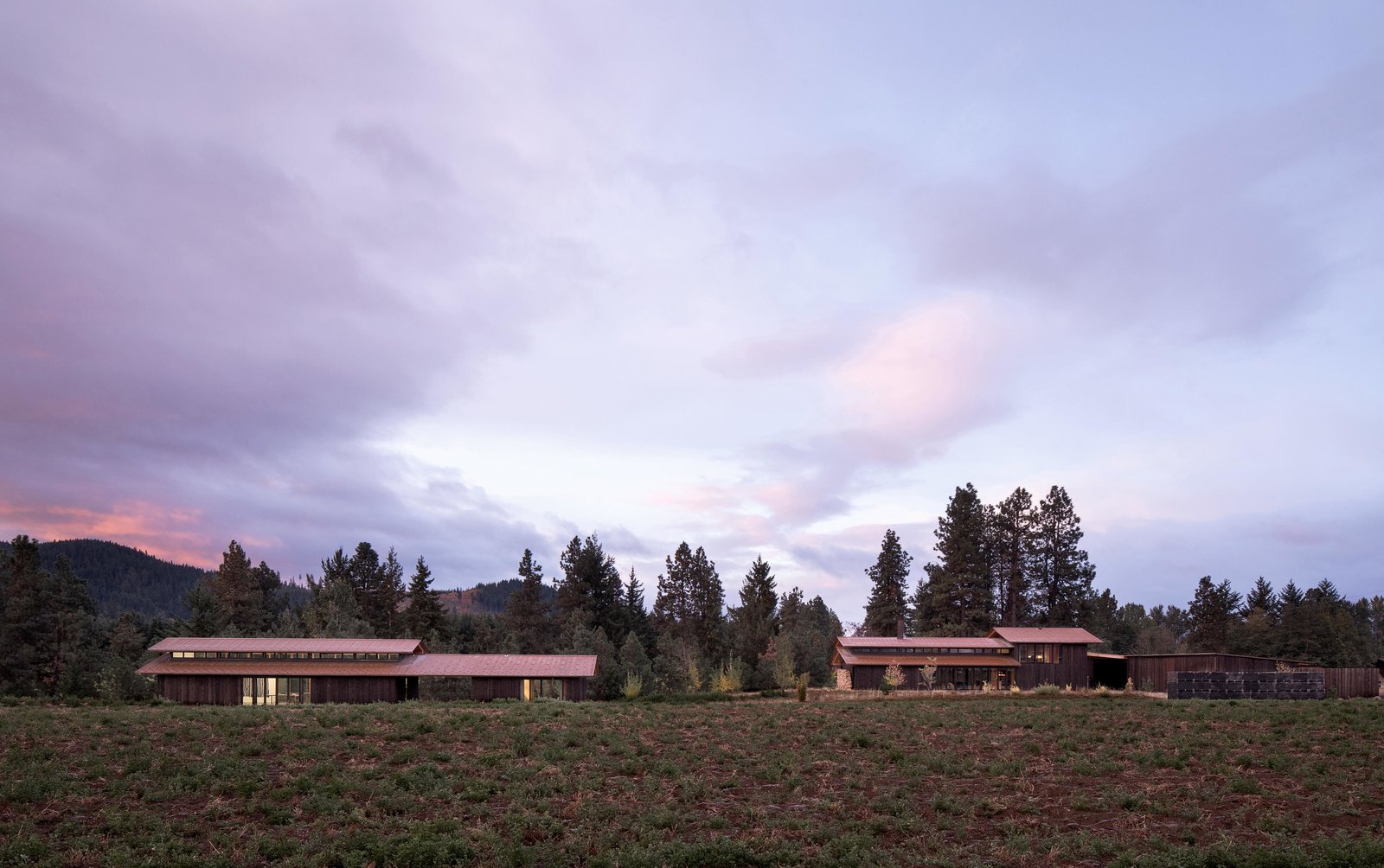
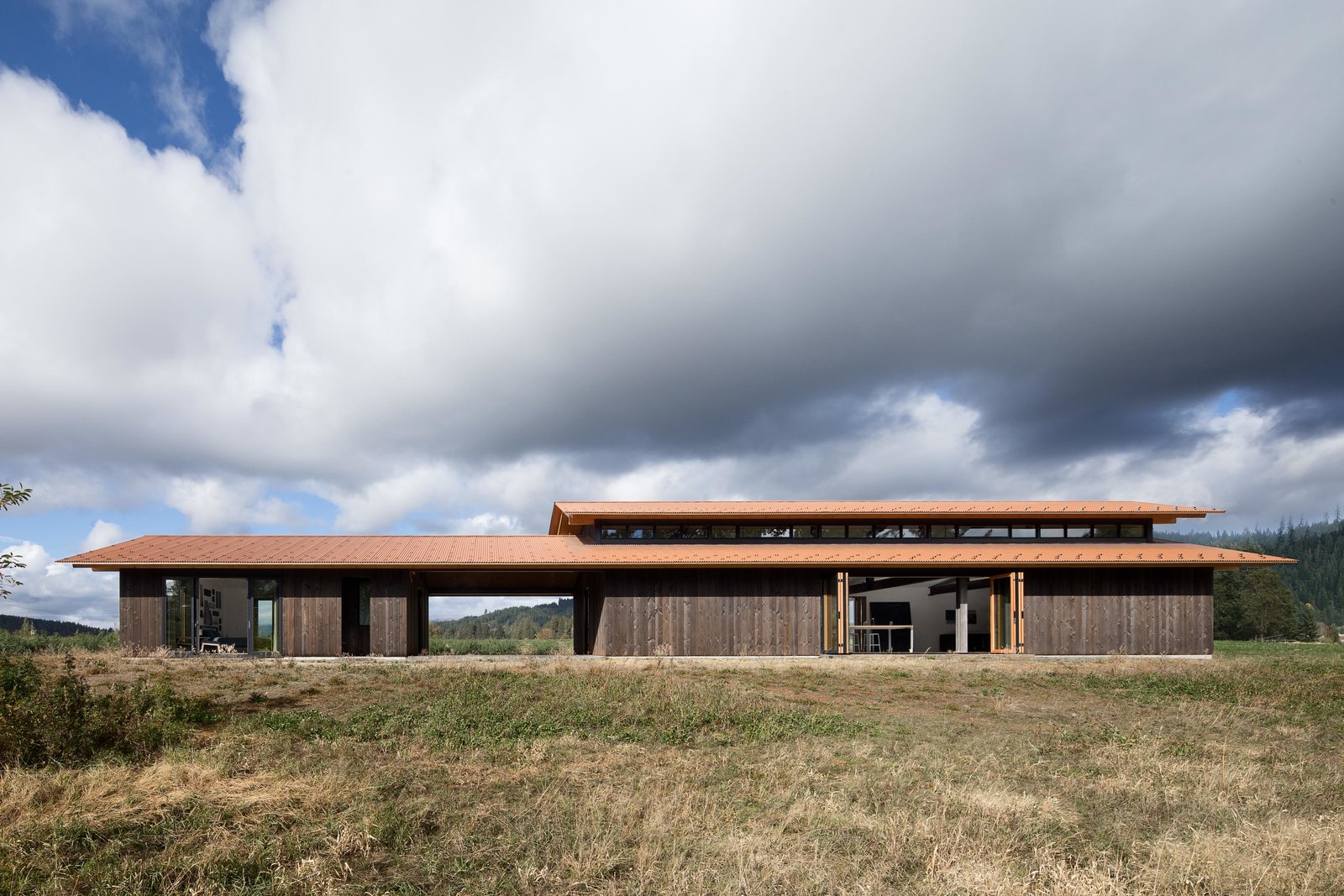
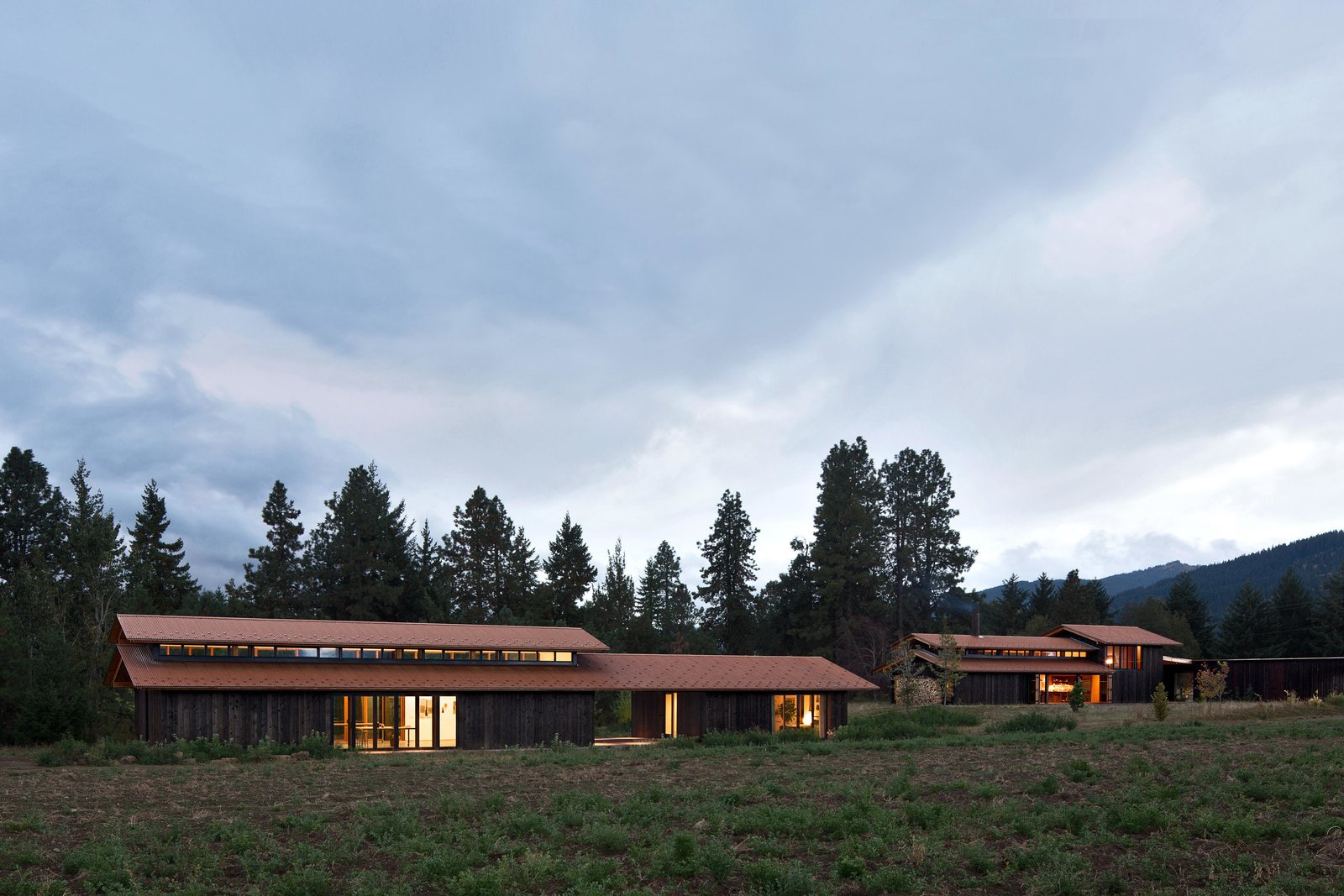
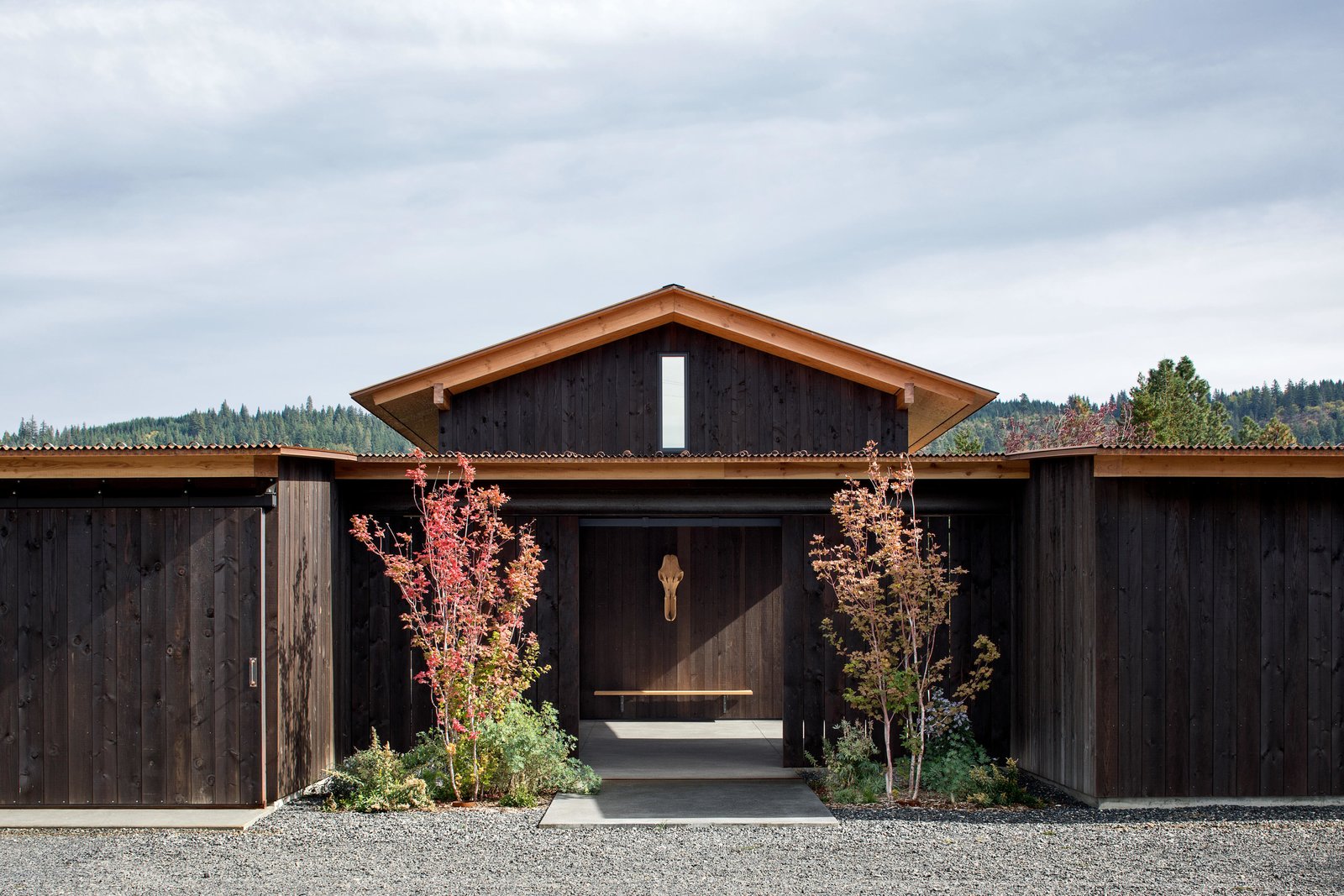
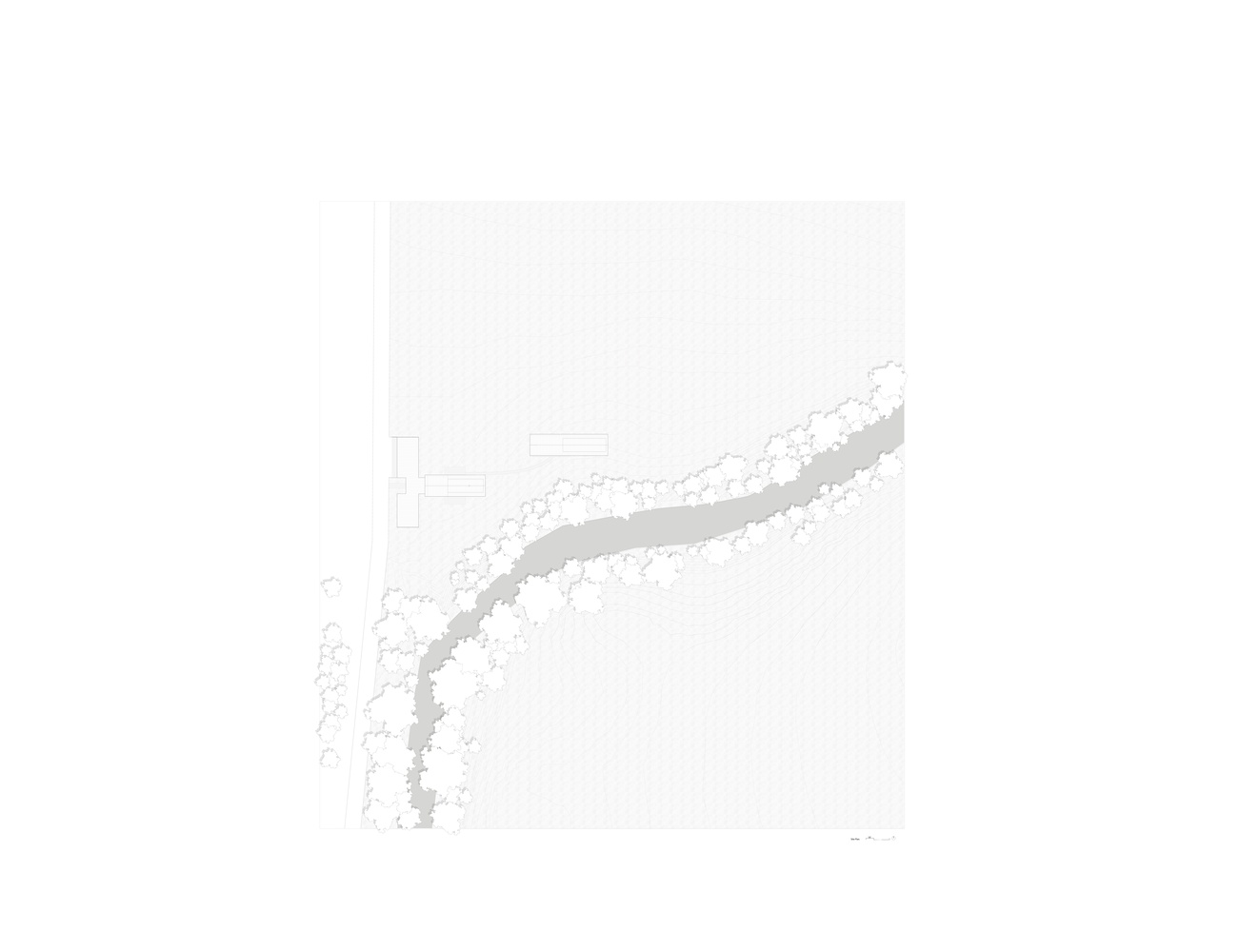
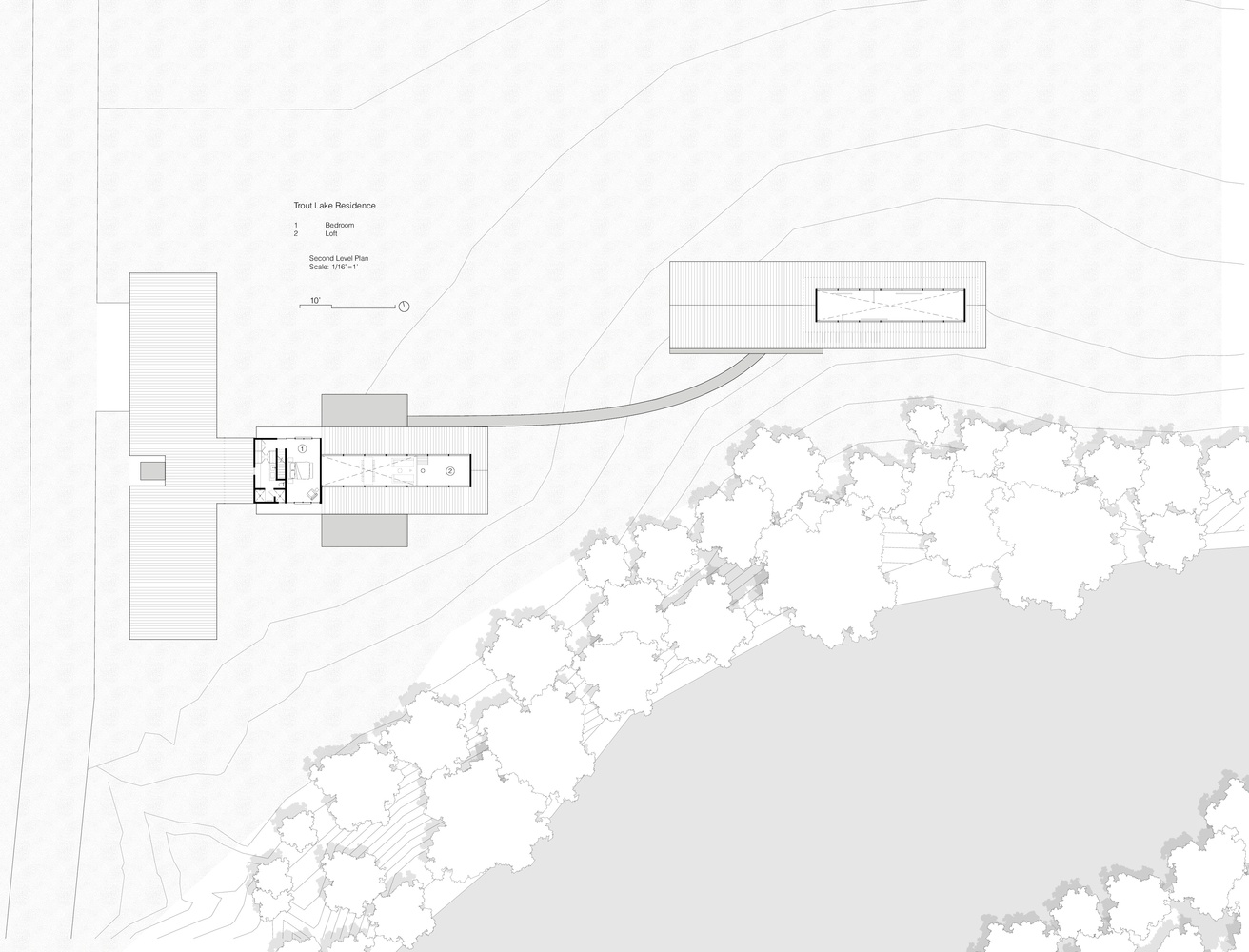
 The retreat contains four distinct buildings arranged in two groupings. The first grouping contains the main house, a woodworking shop, and a carport all contained under a single roof in a T-shape. A covered courtyard connects the three spaces in the middle of the “T”. A separate, free-standing artist studio is located just northeast of the main house, with a covered patio that connects to a guest room. Here, the owners work on their own projects, and occasionally host retreats and community-based arts workshops. In all four buildings, large bi-folding doors and sliding barn doors open up the spaces completely to the outdoors, allowing for the movement of large artworks and equipment, as well as an intimate connection with the environment.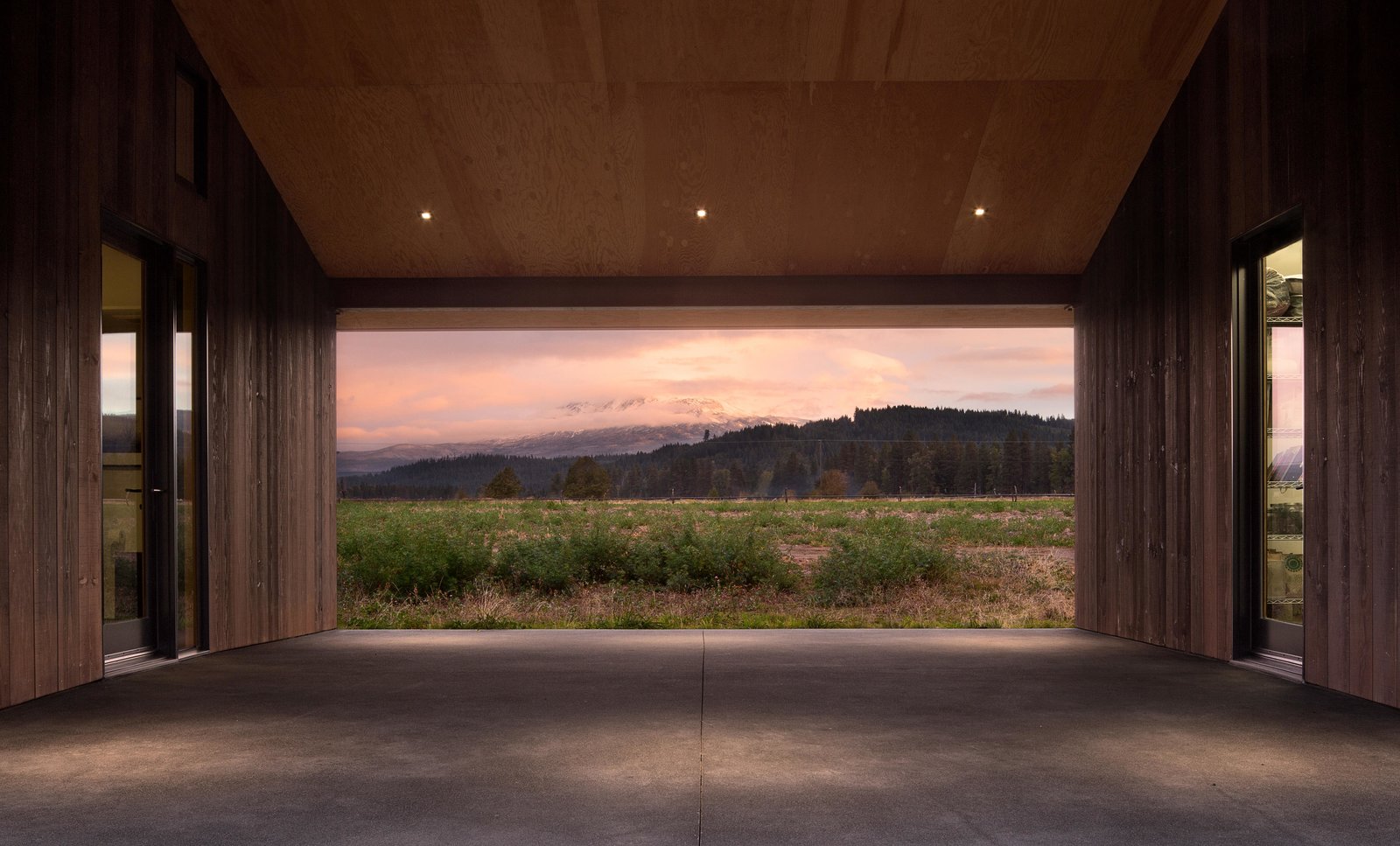
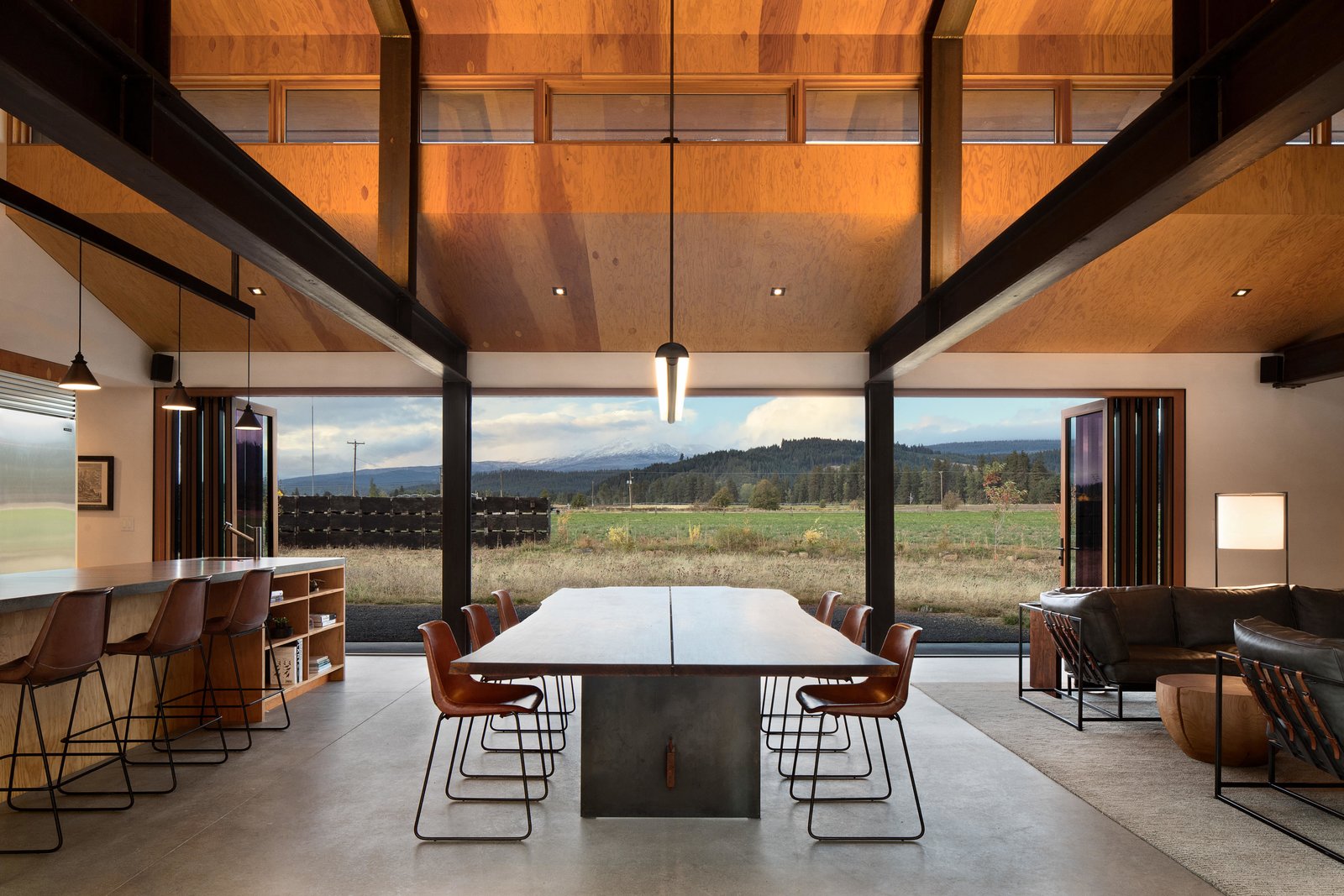
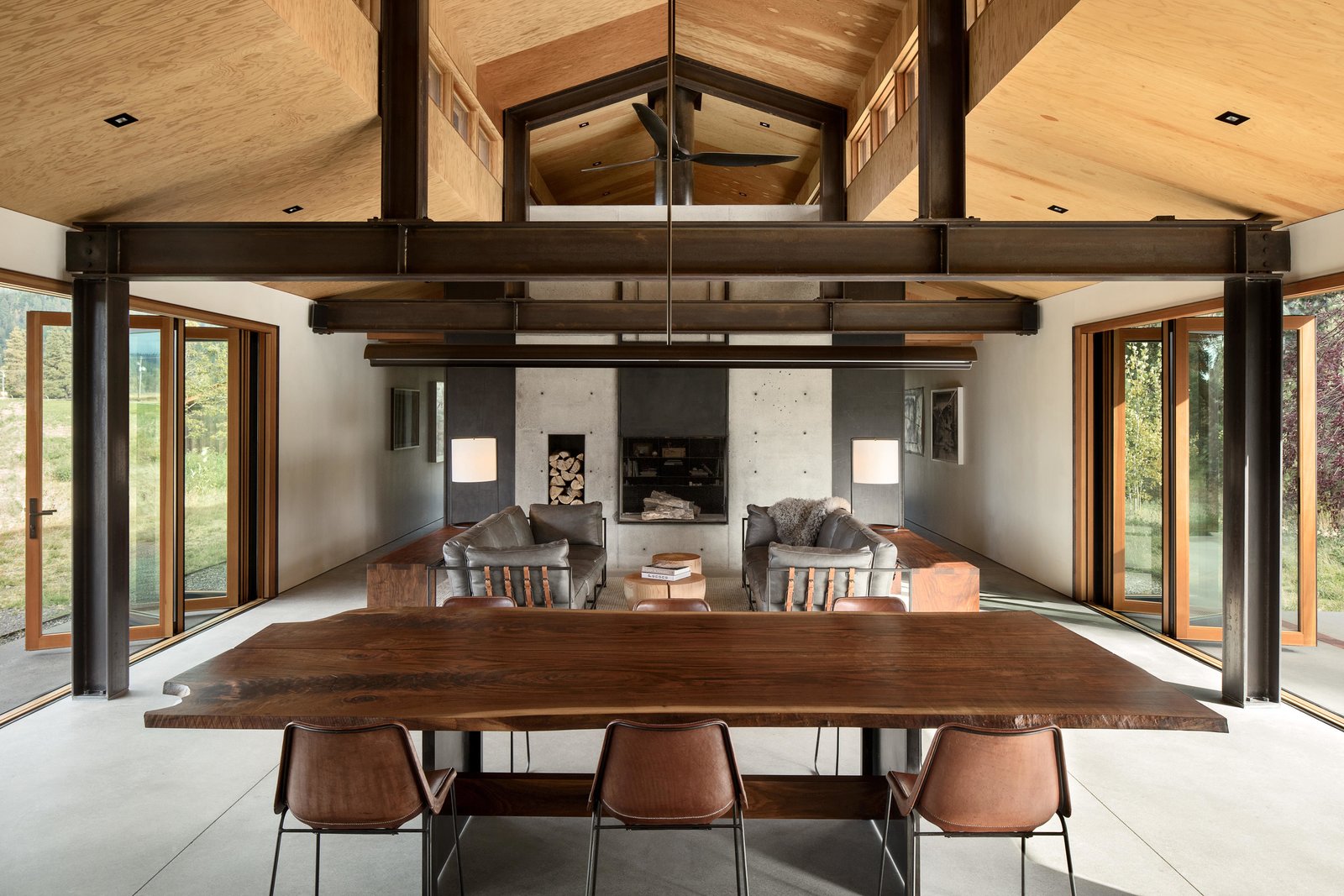
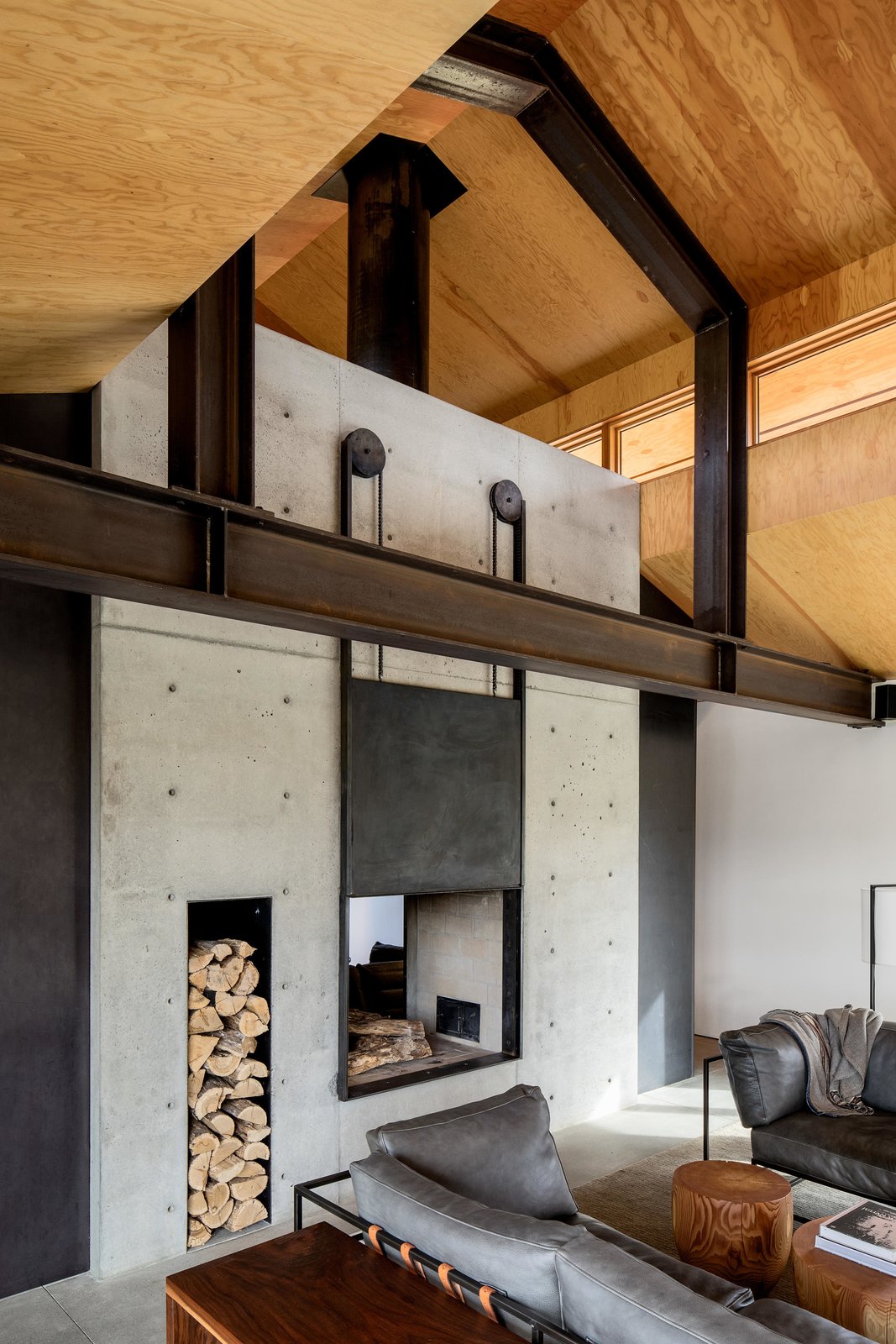
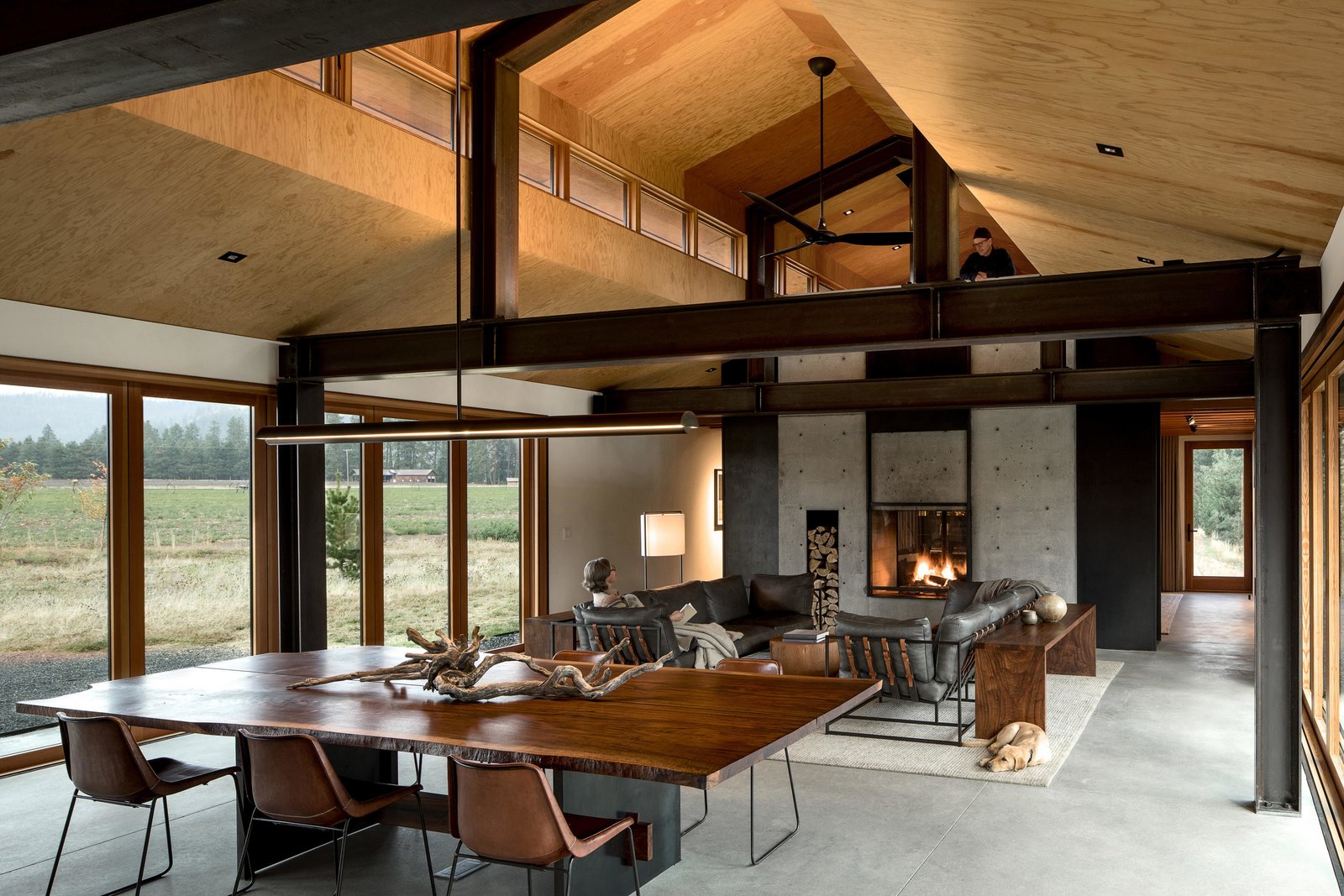
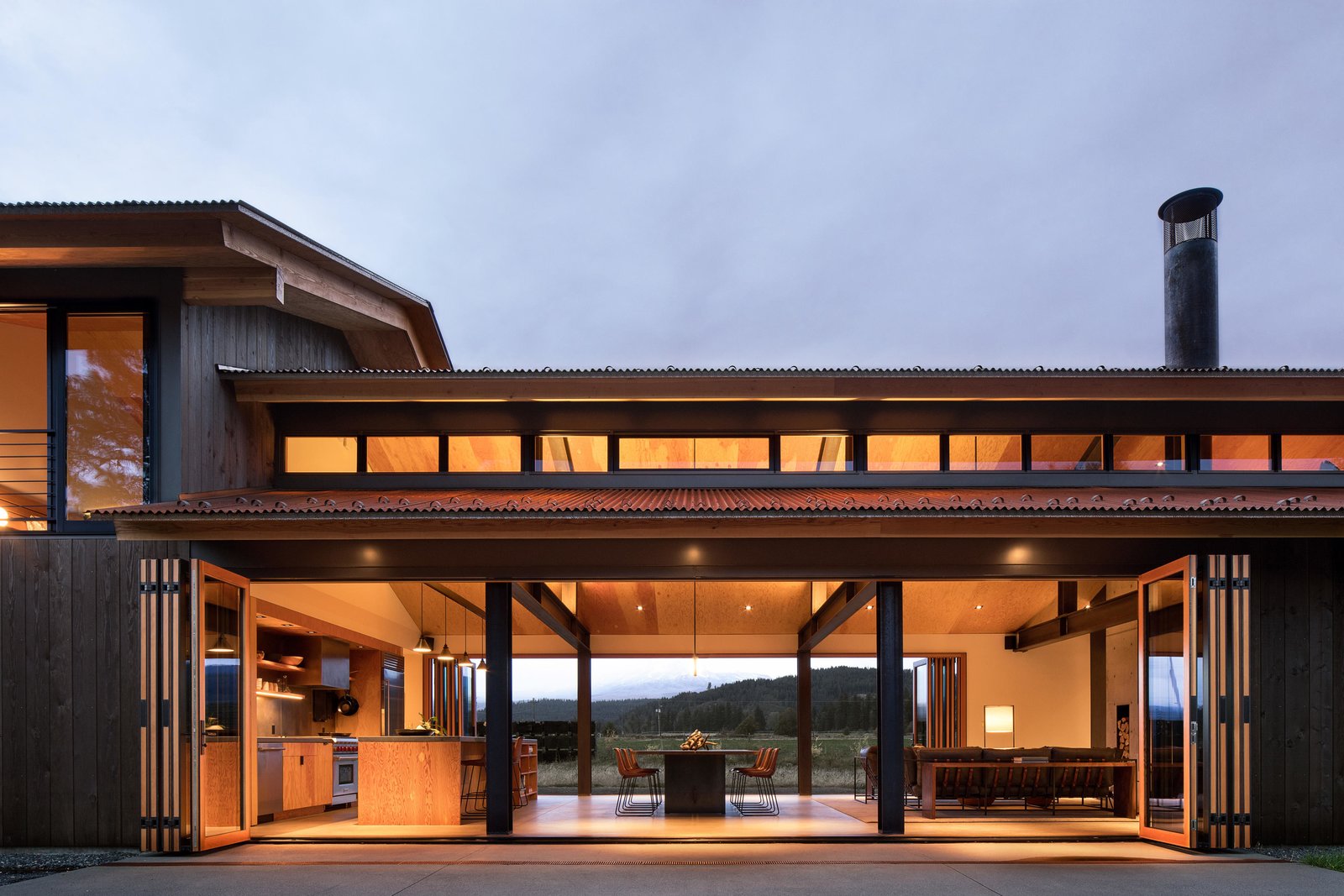 The main house is minimal in form, consisting of a single double height volume with an open plan living, dining and kitchen area separated from a library by a double-sided fireplace. A set of hidden steel stairs nestled into the concrete fireplace lead to a loft above the library. The home’s single bedroom is located above the bathroom and mudroom and is accessed via a set of open stairs in the entry foyer. Two sets of 30-foot-long bi-fold doors in the main living space allow the home to open completely on both sides, maximizing the home’s sweeping views of the nearby river and Mount Adams.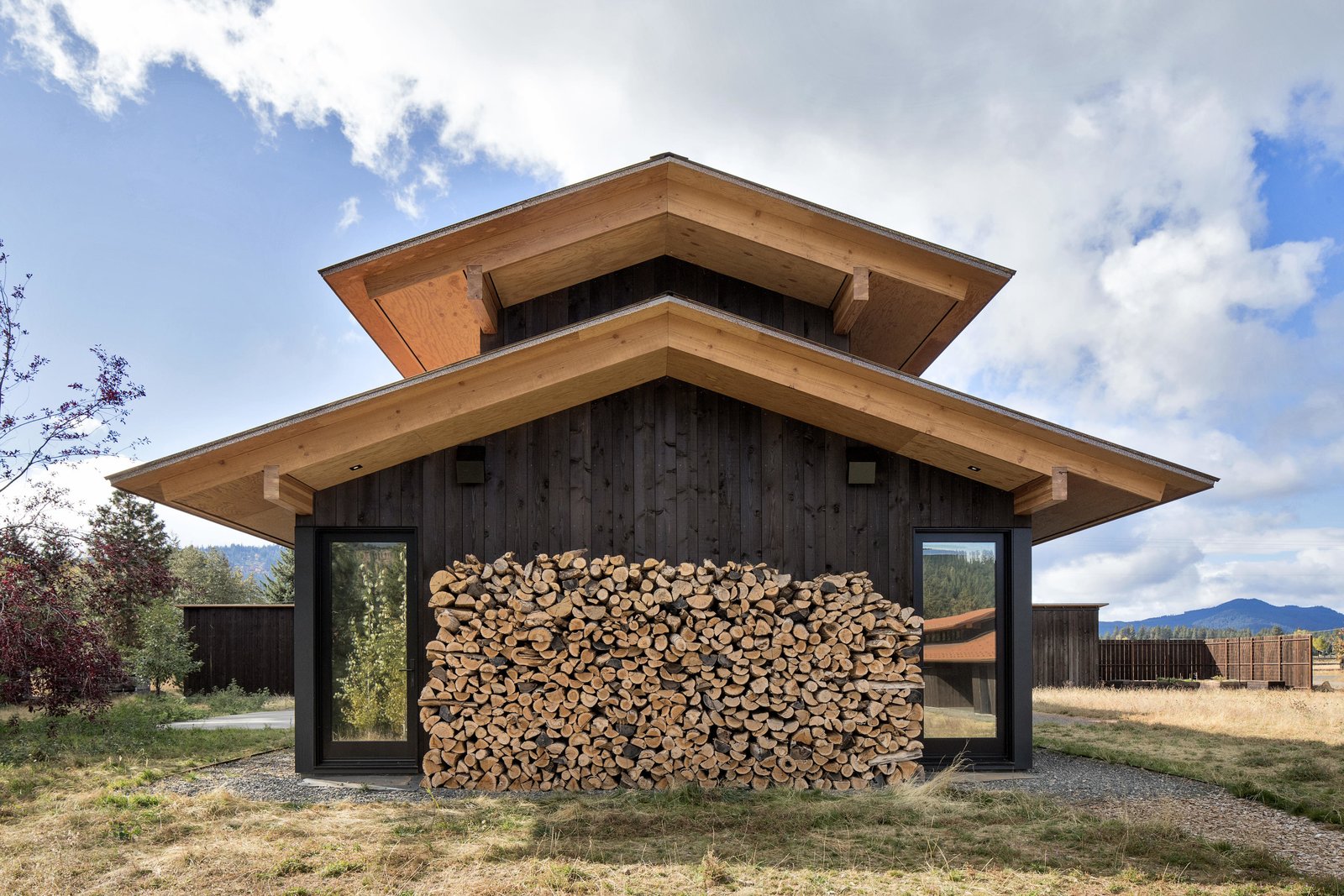
 Main Level
 Second Level





 Photos by Ryan Siphers














 Beautiful Musings