Beautiful Pierre Auguste Renoir

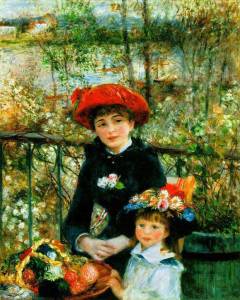
Happy Birthday Pierre-Auguste Renoir, born in Limoges, France (1841). He began painting when he was 13 years old, first on porcelain, then later painting on fans. He went on to form the style of painting known as Impressionism, along with the painters Claude Monet and Alfred Sisley. Renoir became severely disabled by arthritis starting in 1902, but he continued to paint. By 1913, he was completely crippled, and he instructed his assistants in creating several of his last sculptures.
Renoir said, “The pain passes, but the beauty remains.”

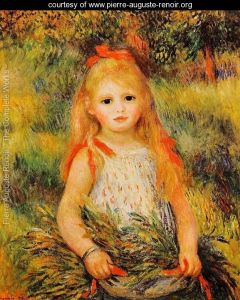
eugene-murer-1877 Little-Girl-With-A-Spray-Of-Flowers Pierre-Auguste_Renoir_064 the thinker Two-Sisters-on-the-Terrace-Pierre-Auguste-Renoir-1881 children-on-the-seashore-1883


Beautiful Sculpture

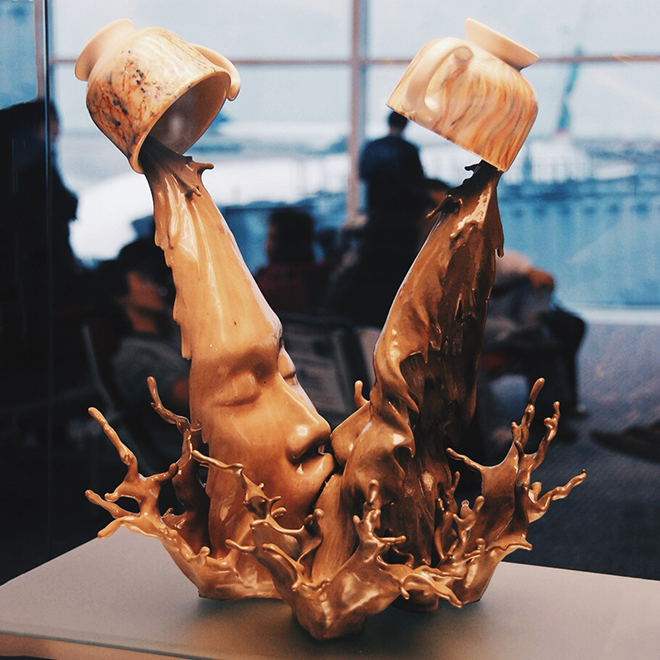
Johnson Tsang’s Coffee Kiss pieces made me laugh.
Yuanyang, a mixture of three parts coffee and seven
parts Hong Kong-style milk tea, perfectly represents
Eastern and Western cultures. The sculptures, which
always feature two people sharing a momentary kiss,
are meticulously made from ceramics and stainless
steel and have been created in a wide variety of
colors, shapes, and sizes.
coffee_kiss_01
 coffee_kiss_02 coffee_kiss_03

Beautiful African Village

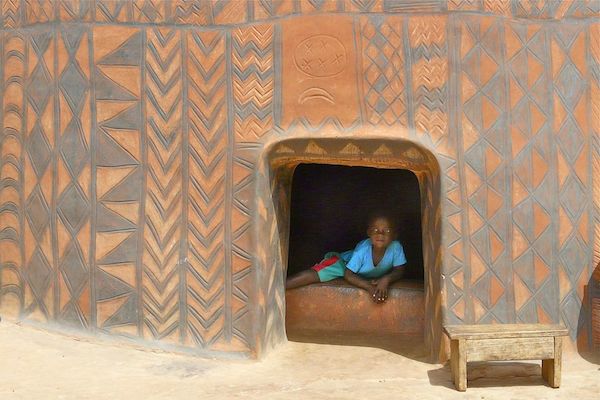
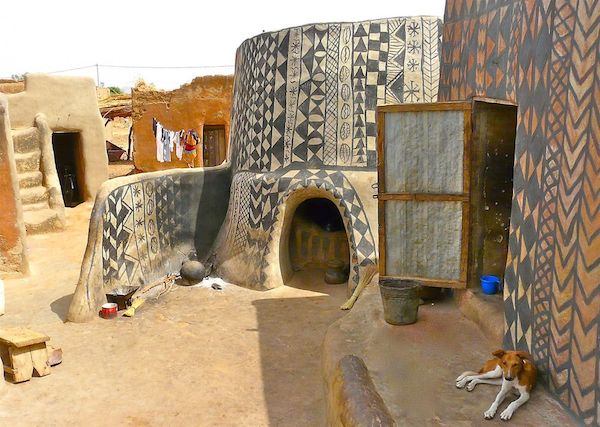
In 2009, Flickr user Rita Willaert traveled to an isolated
village named Tiébélé in Burkina Faso, West Africa,
where every house is an expression of art.

One of the oldest ethnic groups in the country,
the Kassena people, reside in this village but it’s
no ordinary village. It has been the residence of
the nobility of the Kassena people, such as the
chief and the royal court, since the 15th century
when they first settled in the area.

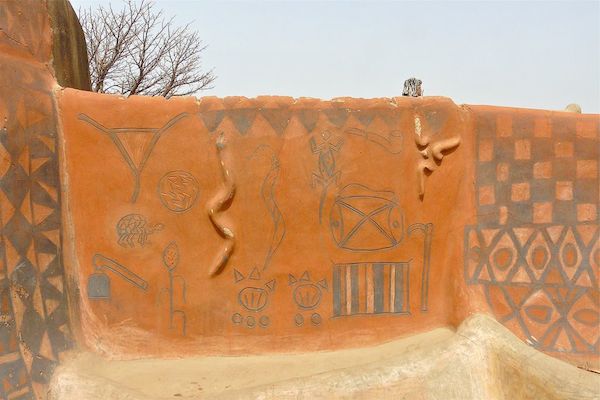
Every house in the village is intricately embellished
with traditional earthen architecture of the isolated
Kassena culture. Some of the art carries symbolic meaning.

This village is extremely shut off from outsiders in the
interest of ensuring conservation and the integrity of
their structures, and to protect the local traditions.
Some of the most elaborately decorated houses are not
living quarters but mausoleums for the dead, laid to rest
in the same compound.

1 2 3 4 5 6 7