Joyful paintings by Amsterdam-based artist and designer, Mariska Meijers.
Her love of color and pattern with interior vignettes is wonderful.
Her blog is delightful as well.


Beautiful conversations, people, places, design+photography
Joyful paintings by Amsterdam-based artist and designer, Mariska Meijers.
Her love of color and pattern with interior vignettes is wonderful.
Her blog is delightful as well.
I love this visitor center made with Lego style architecture
designed by the wonderful BIG Architects. I’m in.

One of my favorite places to walk/jog around is Greenlake.
2.8 mi. (4.5km) it’s the perfect distance and every day is different.
Greenlake has many faces as the weather, seasons and characters change.
Always better with a coffee in hand.

Greenlake, Seattle, Washington
Having a conversation with two neighborhood kids
just hanging out.


Picking strawberries I spied an old bathtub converted into
a flower garden, made me smile.
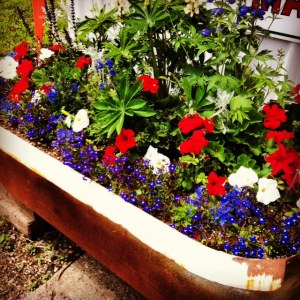
Bathtub Garden, Biringer Farm, Arlington, WA
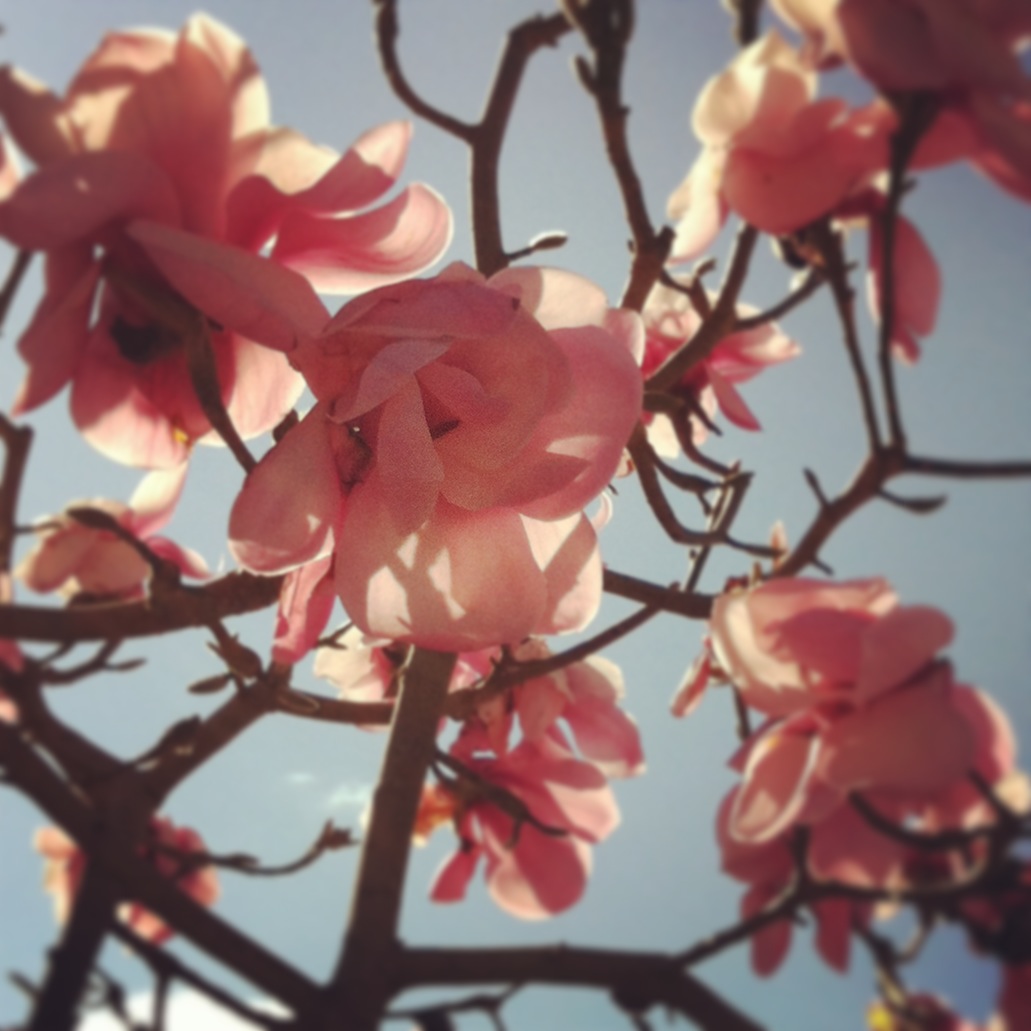
Recently I was in Kirkland and randomly came across this tree
with beautiful pink flowers. They appeared like silk and are slightly
translucent. I don’t know the name of the tree but the flowers are stunning.
No other color in modern history has carried such gravitas when it comes to associations with masculinity, femininity and politics. The color PINK, a vessel for weighty subject material, indeed. Especially when you consider the fact that it has only been around in its proper form for less than 500 years. Who knows what the future for this light shade of red will hold, but this info graphic covers the last hundred years of politics and pop culture in all things pink.
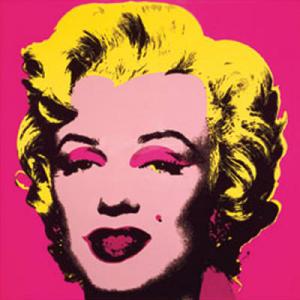
Hot Pink Marilyn Monroe by Andy Warhol, 1967
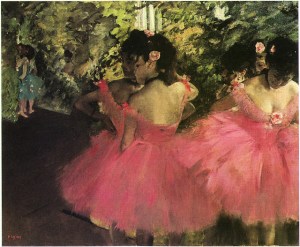
Dancers in Pink by Edgar Degas, 1880-1885
Source: http://www.colourlovers.com/print/blog/2008/10/27/a-graphic-history-of-the-color-pink
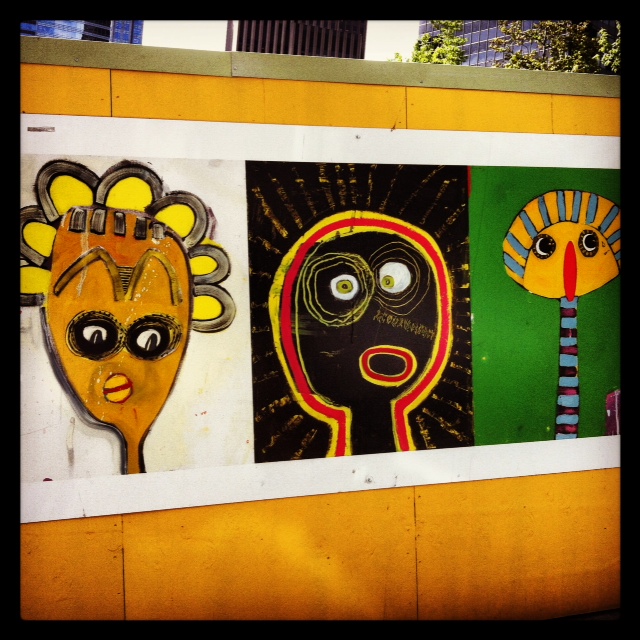
Sidewalk Billboard Art, Seattle, WA

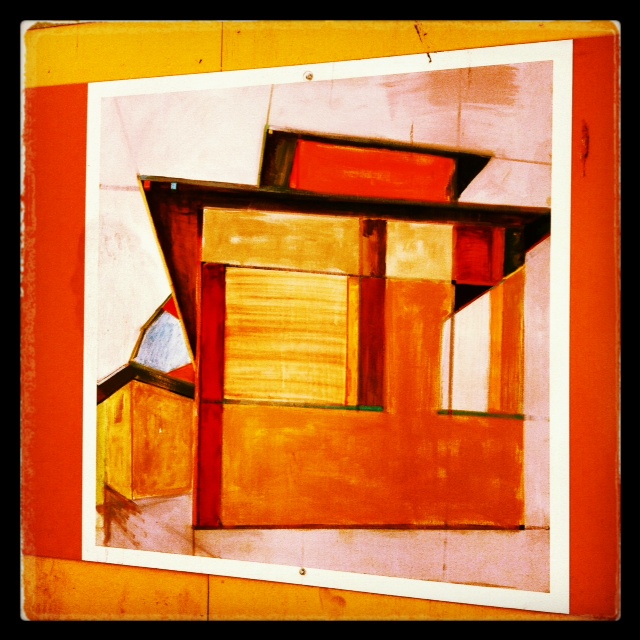
Retro Architecture, Seattle, WA
Playing with my iPhone camera I shot the grass below me in motion.
It got me thinking about the history and meaning of colors.

Grass in motion: Emerald Green
The word green is closely related to the Old English verb growan, “to grow.” Green is the color of life. It is the color of seasonal renewal. Since verdant spring triumphs over barren winter, green symbolizes hope and immortality. The Chinese associate green (and black) with the female Yin – the passive and receiving principle. Islam venerates the color green, expecting paradise to be full of lush vegetation. Green is also associated with regeneration, fertility, and rebirth due to its connections with nature.
In some cultures, green symbolizes hope and growth, while in others, it is associated with death, sickness, or the devil. It can also describe someone who is inexperienced, jealous, or sick.
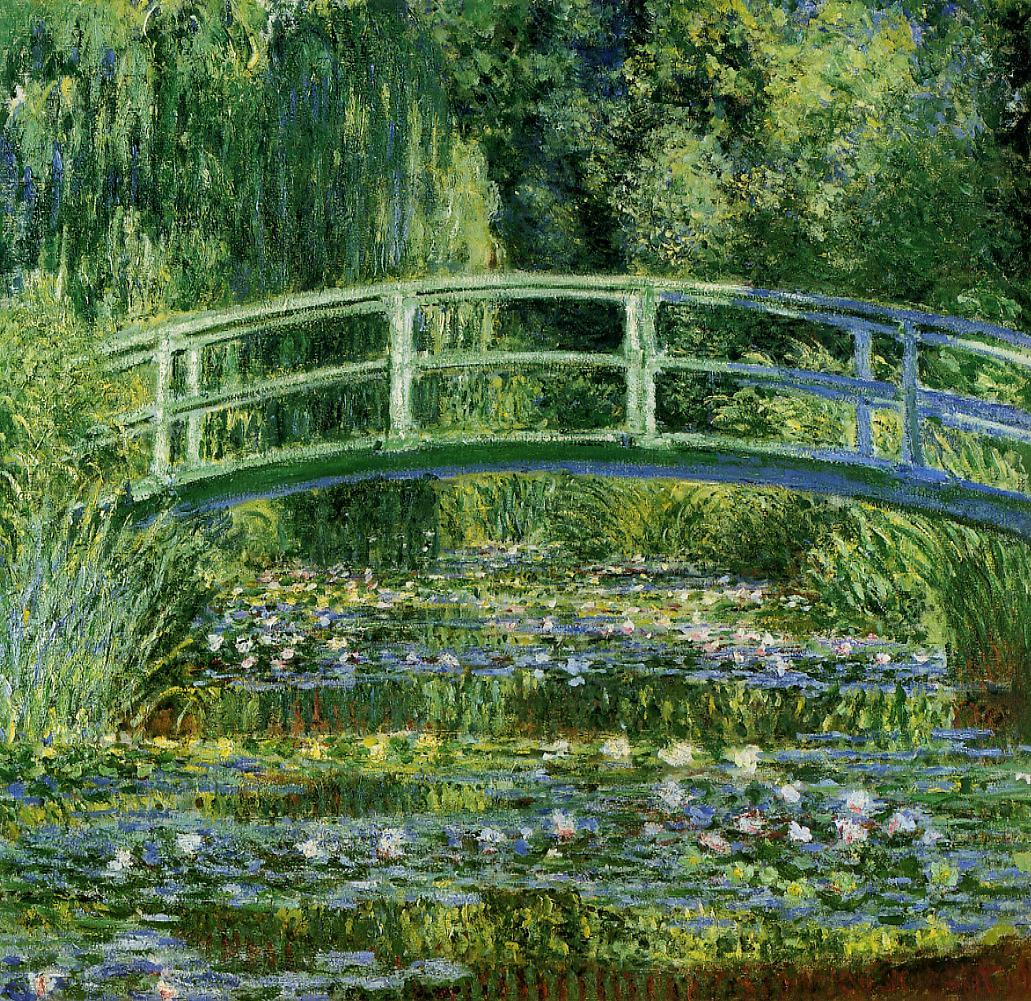
Monet’s Water Lilies and Japanese Bridge, 1897-1899
In painting (substructive color system), green is not a primary color, but is created by mixing yellow and blue. Green pigments have been used since Antiquity, both in the form of natural earth and malachite, used primarily by Egyptians. Greeks introduced verdigris, one of the first artificial pigments. Copper resinate was introduced in European 15th century easel panting, but was soon discarded. Thanks to chemistry, a new generation of greens was introduced beginning in the late 18th century: cobalt green, emerald green, and viridian.
The Impressionists revived the use of the color green. The depiction of the green color of nature was revived in Impressionism partly because of the advent of tubes for pigments, which made it possible to paint on location, and partly thanks to the manufacture of new and brighter green pigments. In his painting “The Japanese Bridge,” 1899, Monet uses the color of hope together with the symbol of a bridge. The bridge stands for the uniting of people and revives hope for a peaceful future. Incidentally, Monet’s use of Emerald Green pigment, which contained arsenic, may have contributed to his blindness in later life.
Sources: http://www.webexhibits.org/pigments/intro/greens.html
This is not a photograph; it’s a drawing made with ball point pen. Amazing!

Samuel Silva

 Beautiful Musings